
De chirurgijn — History & Facts
Who listens when art speaks of silence? The stillness captured in this evocative piece invites us to ponder the beauty found within quiet moments, where every detail communicates a story untold. Focus on the central figure, a surgeon clad in somber attire, poised over a dissection table that commands the viewer’s attention. The meticulous arrangement of instruments around him, gleaming with a cold precision, reflects both scientific inquiry and an intimate dance with mortality. Notice how the light carves out his face in gentle chiaroscuro, enhancing the gravity of his task while casting shadows that seem to whisper secrets of the flesh that lies beneath. Deeper meanings emerge in the contrasts presented; the vibrancy of the tools against the still, lifeless body speaks to the tension between life and death.
The surgeon's calm demeanor, juxtaposed with the grim nature of his work, illustrates the duality of beauty in both creation and destruction. Each brushstroke serves as a reminder that the pursuit of knowledge is often accompanied by sacrifice, while the surrounding silence envelops the scene in a palpable tension that resonates with our own fears and curiosities. Created during a period of significant exploration and discovery in the late Renaissance, this artwork reflects the artist’s engagement with the emerging science of anatomy and the human condition. Jan Harmensz.
Muller painted this piece in the context of a world increasingly fascinated by the interplay of art and science, marking an era where the boundaries of understanding were being constantly challenged and expanded.
More Artworks by Jan Harmensz. Muller
Browse all →
Jozef ontvlucht de vrouw van Potifar
Jan Harmensz. Muller

Portret van keizer Maximiliaan I
Jan Harmensz. Muller
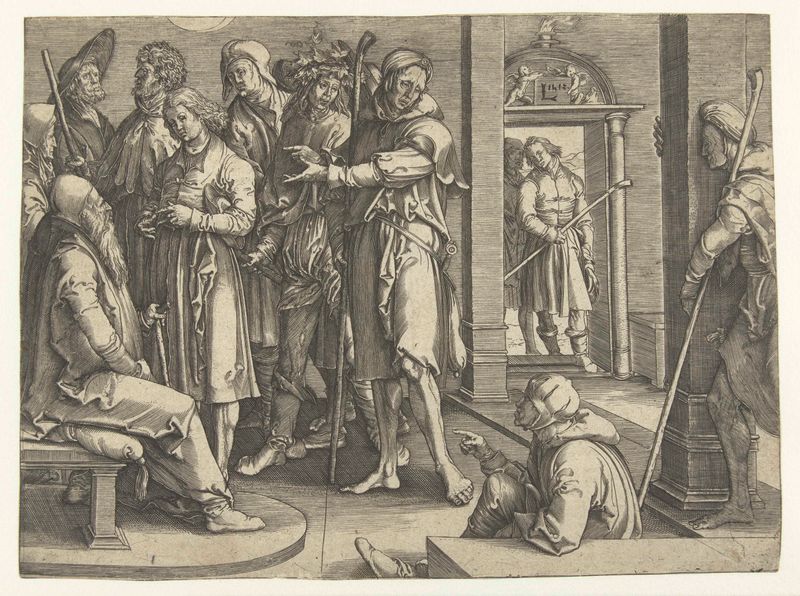
Jozef vertelt zijn dromen aan Jakob
Jan Harmensz. Muller

Jozef vertelt zijn dromen aan Jacob
Jan Harmensz. Muller
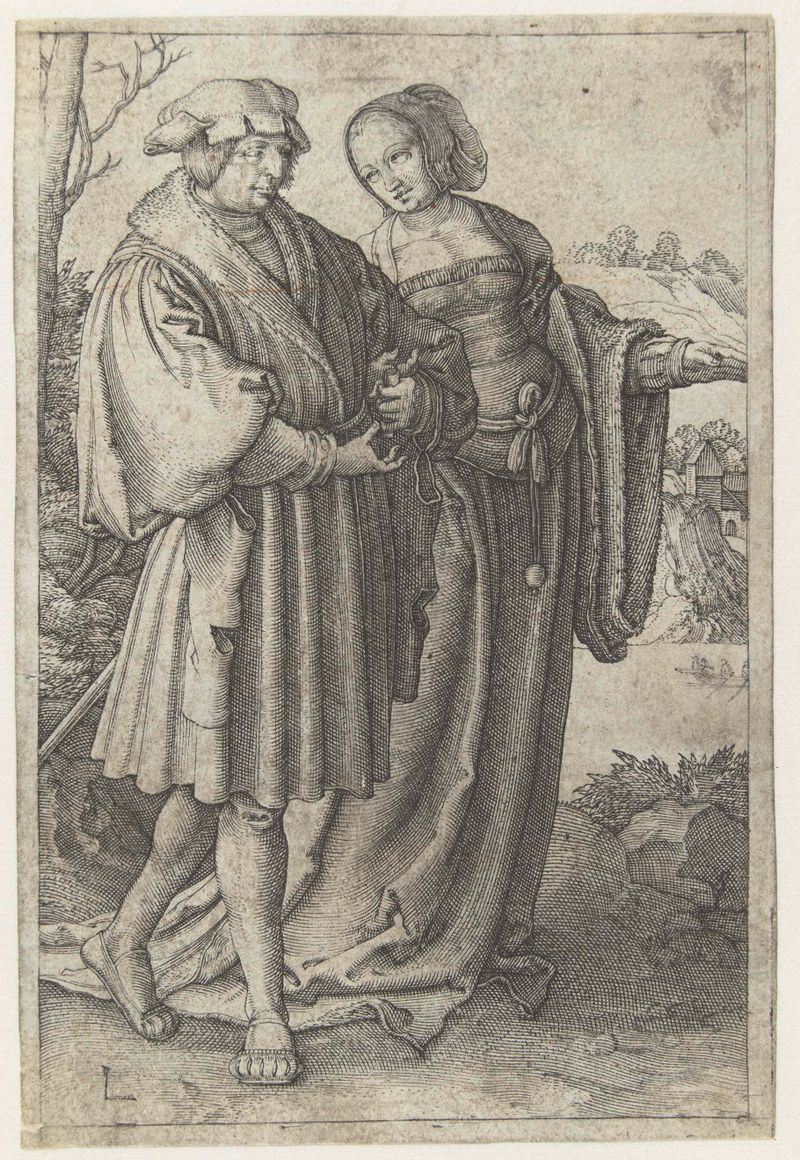
Wandelend paar
Jan Harmensz. Muller

Musicerend paar
Jan Harmensz. Muller

De heilige Sebastiaan
Jan Harmensz. Muller
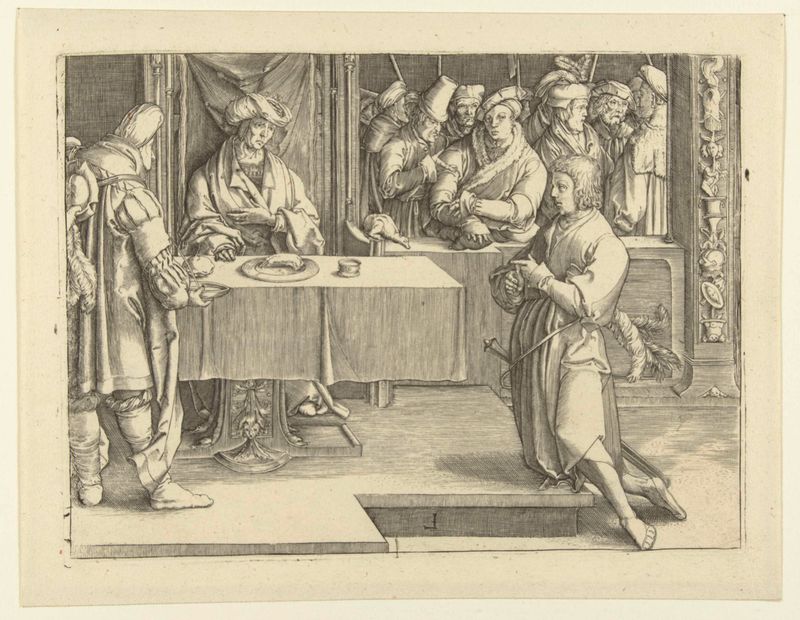
Jozef verklaart de dromen van Farao
Jan Harmensz. Muller
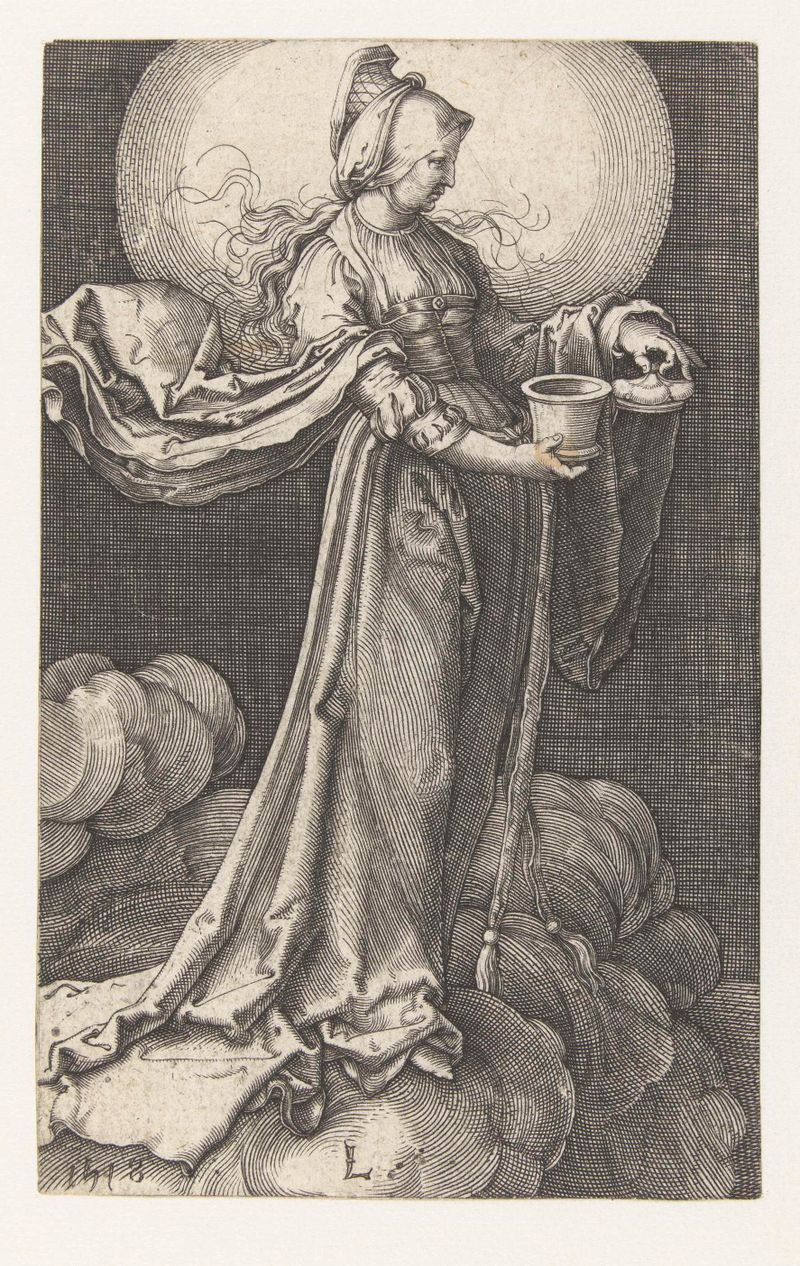
Maria Magdalena in de wolken
Jan Harmensz. Muller
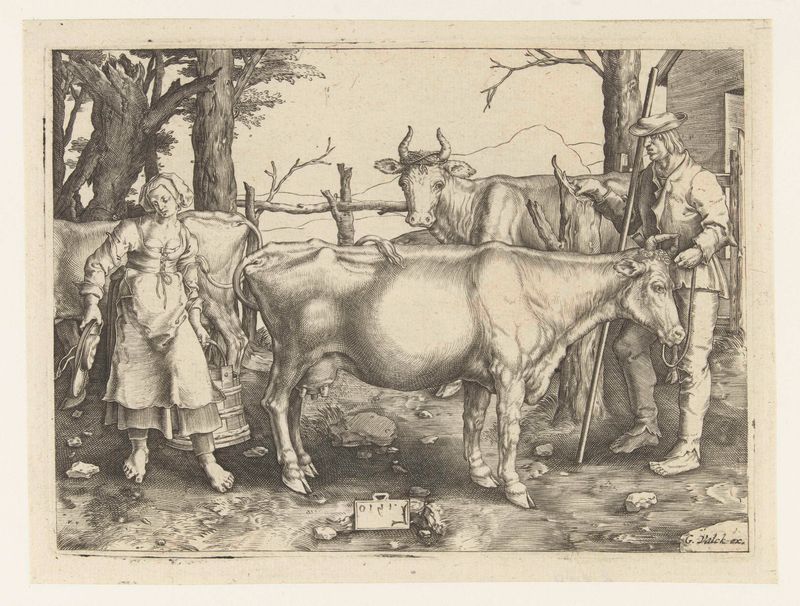
Het melkmeisje
Jan Harmensz. Muller
More Historical Art
Browse all →
The Night Watch Militia Company of District II under the Command of Captain Frans Banninck Cocq
Rembrandt van Rijn

Lincoln Memorial
Henry Bacon

The Third of May 1808
Francisco de Goya

Isaac and Rebecca, Known as ‘The Jewish Bride’
Rembrandt van Rijn

The Charge of the Mamelukes (1814)
Francisco de Goya

De vier ruiters van de apocalyps
Albrecht Dürer