
Jozef vertelt zijn dromen aan Jakob — History & Facts
In the quiet moments of sharing, the weight of unspoken loss lingers heavy in the air. Here, two figures are bound not just by blood, but by the dreams and realities that shape their existence. Focus your gaze on the central figures—Jozef and Jakob—poised in a moment of intimate revelation. Notice how the soft light bathes Jozef’s face, illuminating the depth of his expression, while shadows gather around Jakob, hinting at a darker undercurrent.
The rich palette of earthy tones and deep blues evokes an emotional resonance, drawing you into their world, where every brushstroke is laden with meaning. The dynamics of their body language speak volumes, with Jozef leaning slightly forward, eager yet hesitant, as Jakob listens with a mix of intrigue and trepidation. As you delve deeper into the painting, consider the subtle contrasts at play. Jozef’s vibrant clothing signifies his dreams and aspirations, while Jakob’s more muted attire reflects a burden of reality and loss.
The space between them is fraught with tension, a silent acknowledgment of the dreams that might never be realized. Every detail—from Jozef's hopeful gaze to the faint shadows creeping in—tells a story of yearning, of the weight of unfulfilled ambitions that hang like a spectral presence. Created during the early 17th century, this work emerged from the artistic milieu of the Dutch Golden Age, when themes of personal struggle and introspection were gaining prominence. Jan Harmensz.
Muller, a figure in the burgeoning art scene of Holland, painted this piece amidst a society grappling with both prosperity and profound existential questions, capturing the essence of human experience in a time of great change.
More Artworks by Jan Harmensz. Muller
Browse all →
Jozef ontvlucht de vrouw van Potifar
Jan Harmensz. Muller

Portret van keizer Maximiliaan I
Jan Harmensz. Muller

De chirurgijn
Jan Harmensz. Muller

Jozef vertelt zijn dromen aan Jacob
Jan Harmensz. Muller
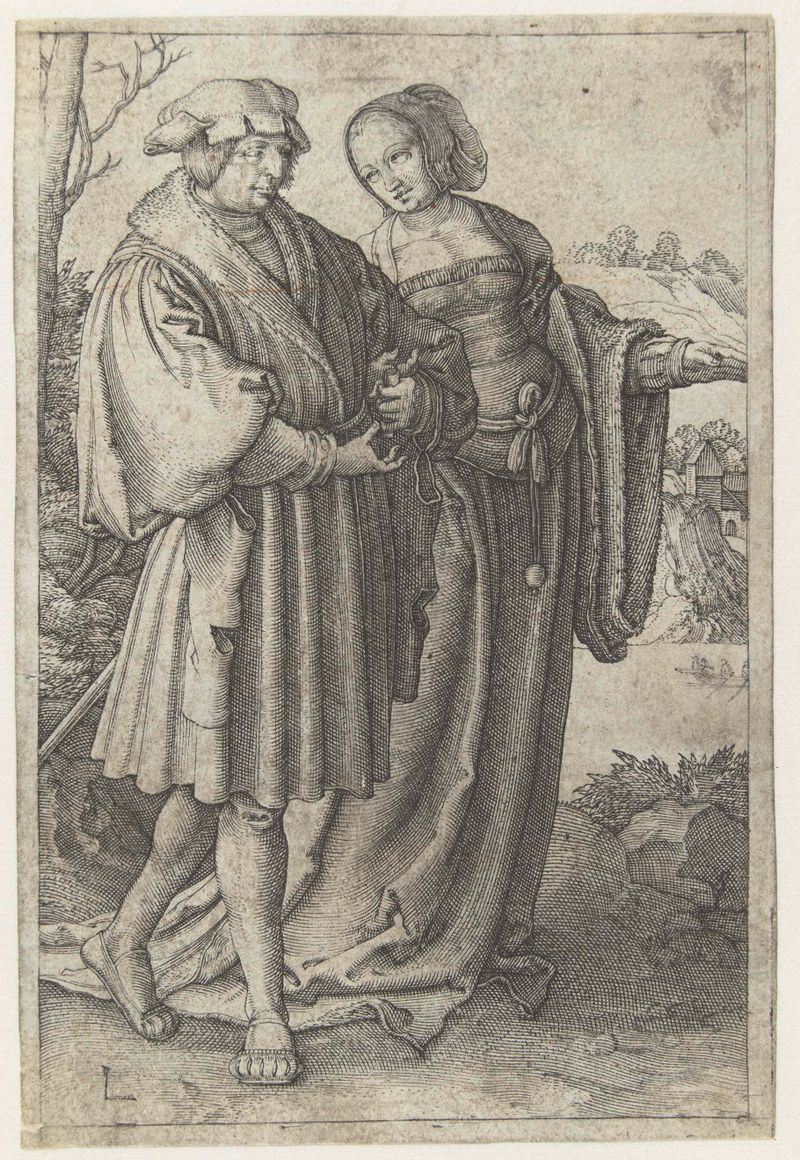
Wandelend paar
Jan Harmensz. Muller

Musicerend paar
Jan Harmensz. Muller

De heilige Sebastiaan
Jan Harmensz. Muller
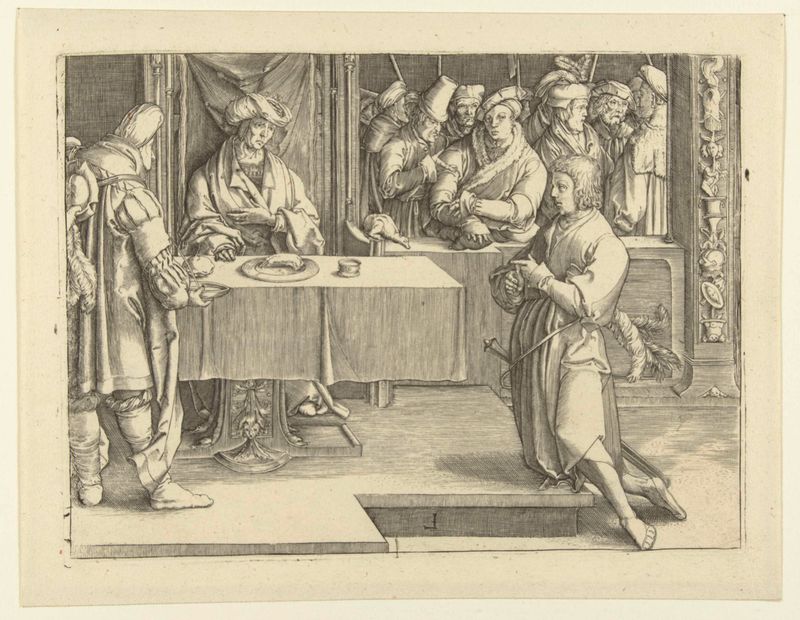
Jozef verklaart de dromen van Farao
Jan Harmensz. Muller
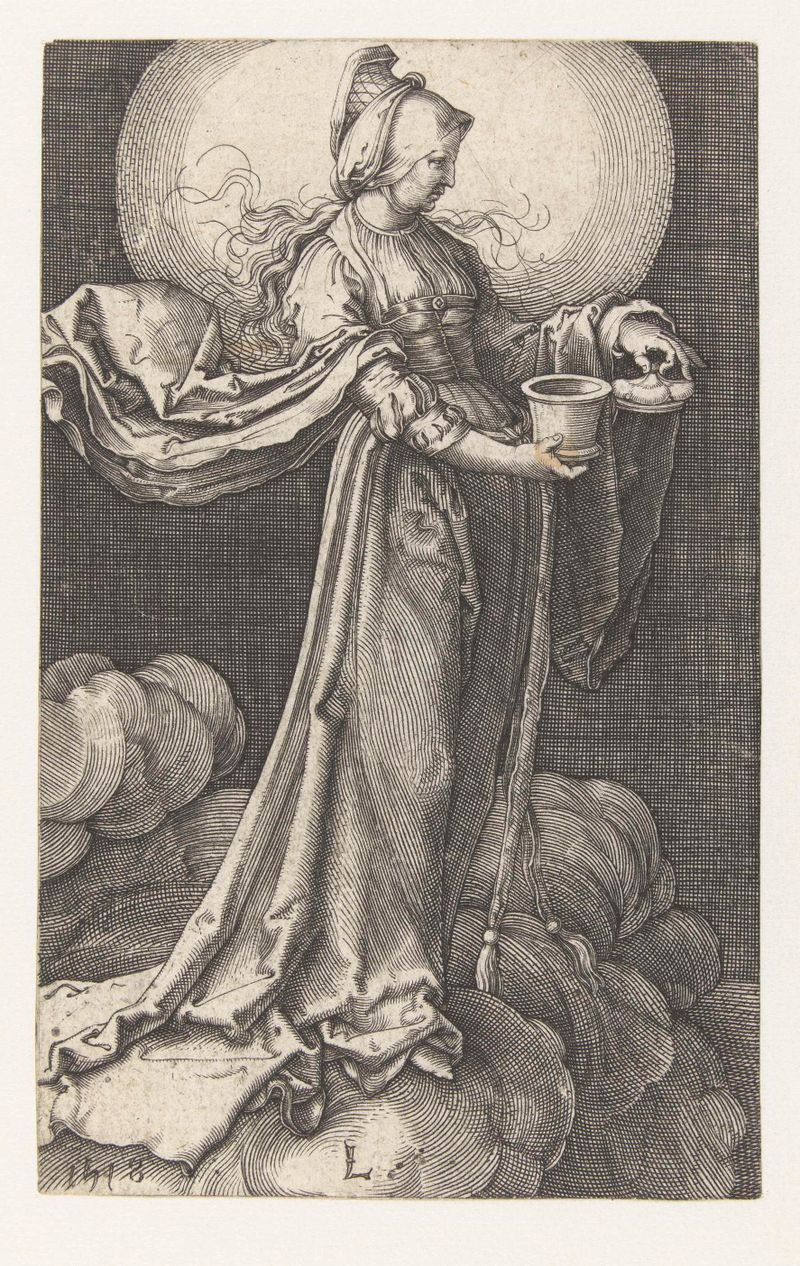
Maria Magdalena in de wolken
Jan Harmensz. Muller
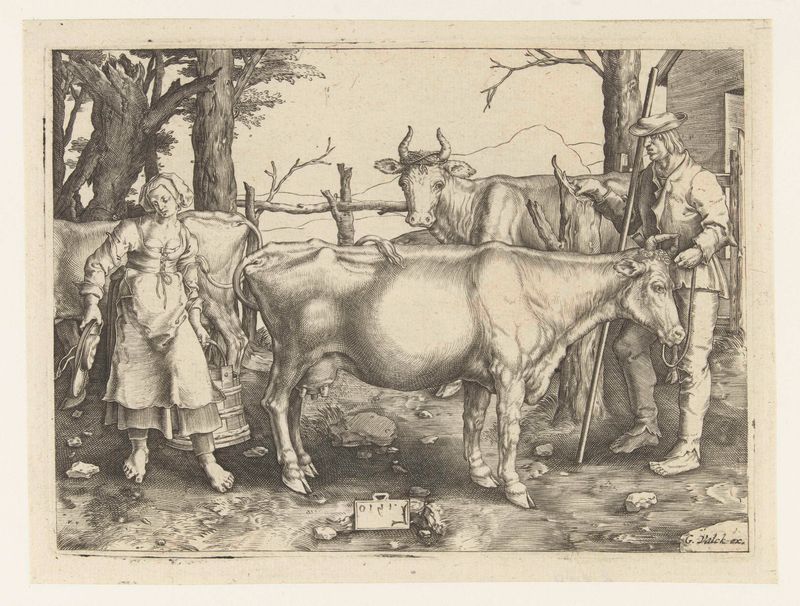
Het melkmeisje
Jan Harmensz. Muller
More Historical Art
Browse all →
The Night Watch Militia Company of District II under the Command of Captain Frans Banninck Cocq
Rembrandt van Rijn

Lincoln Memorial
Henry Bacon

The Third of May 1808
Francisco de Goya

Isaac and Rebecca, Known as ‘The Jewish Bride’
Rembrandt van Rijn

The Charge of the Mamelukes (1814)
Francisco de Goya

De vier ruiters van de apocalyps
Albrecht Dürer