
Jozef ontvlucht de vrouw van Potifar — History & Facts
In a world fraught with deceit and desire, transformation unfolds on the canvas, capturing the essence of inner turmoil and moral struggle. Start your journey by focusing on the intense gaze of Jozef, whose expression is a blend of resolve and despair. Look closely at the bright hues of his garment, the deep reds and rich blues contrasting against the muted palette of his surroundings. Notice how the figures around him, particularly the looming figure of Potifar’s wife, are shrouded in shadows, creating an unsettling atmosphere that amplifies the tension.
The play of light and dark not only illuminates Jozef’s plight but also serves to heighten the drama surrounding his escape. The vertical composition emphasizes the disconnect between Jozef and his pursuer, a visual narrative of flight and entrapment. The tension between Jozef’s upward movement and the oppressive presence of his would-be captor illustrates the struggle for autonomy and integrity. The delicate brushwork in the figures conveys the urgency of the moment while also hinting at the broader theme of transformation — both personal and relational.
In this pivotal moment, Jozef becomes more than a mere character; he embodies the fight against moral adversity. Created between 1550 and 1617, this work emerged during a period of burgeoning artistic exploration in the Netherlands, marked by a shift towards more narrative-driven painting. As a prominent Dutch artist, Jan Harmensz. Muller was deeply influenced by the themes of drama and morality that pervaded the artistic conversations of his time, reflecting the societal conflicts inherent in human relationships and choices.
More Artworks by Jan Harmensz. Muller
Browse all →
Portret van keizer Maximiliaan I
Jan Harmensz. Muller

De chirurgijn
Jan Harmensz. Muller
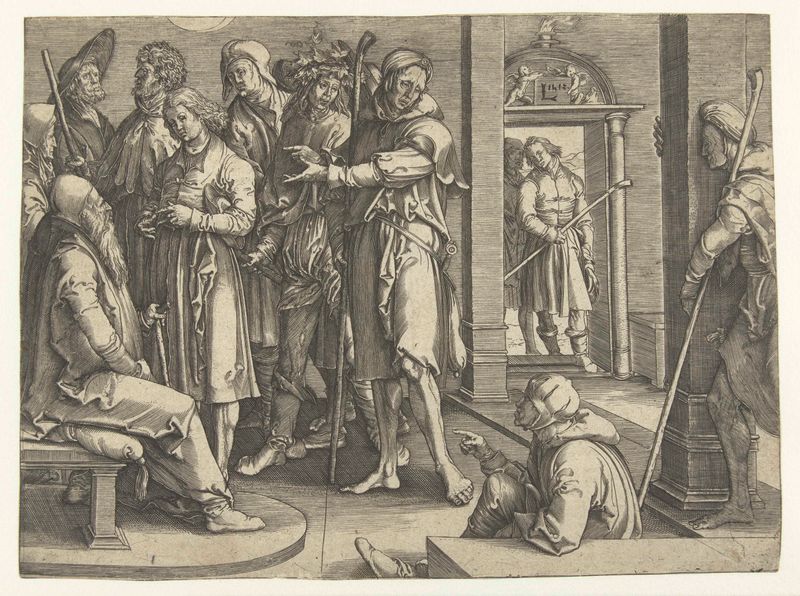
Jozef vertelt zijn dromen aan Jakob
Jan Harmensz. Muller

Jozef vertelt zijn dromen aan Jacob
Jan Harmensz. Muller
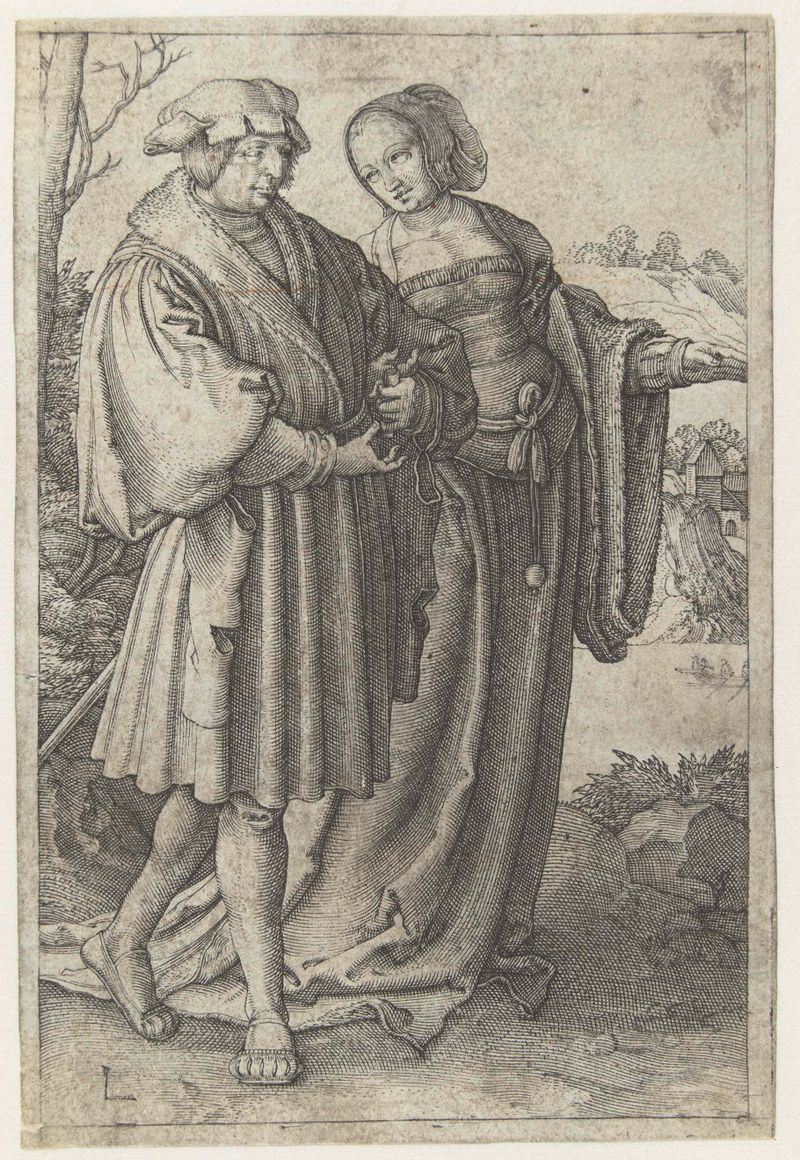
Wandelend paar
Jan Harmensz. Muller

Musicerend paar
Jan Harmensz. Muller

De heilige Sebastiaan
Jan Harmensz. Muller
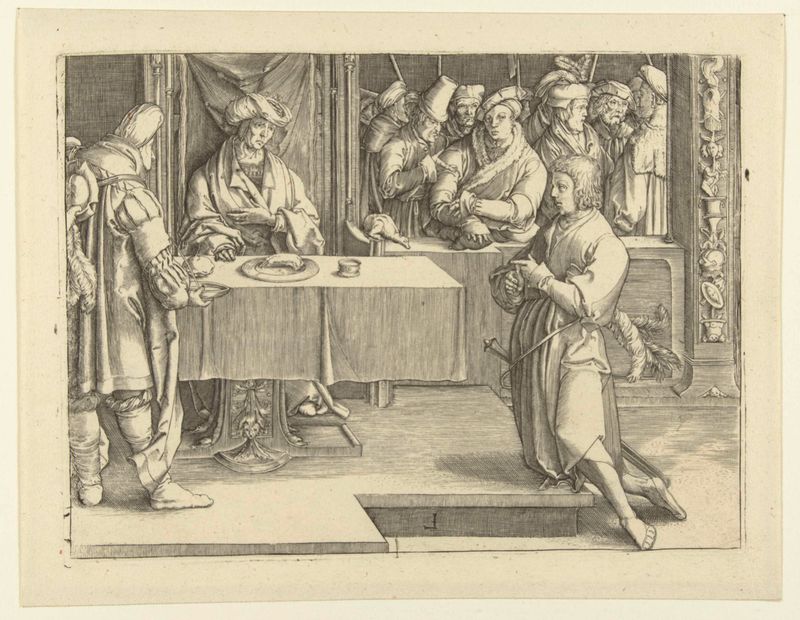
Jozef verklaart de dromen van Farao
Jan Harmensz. Muller
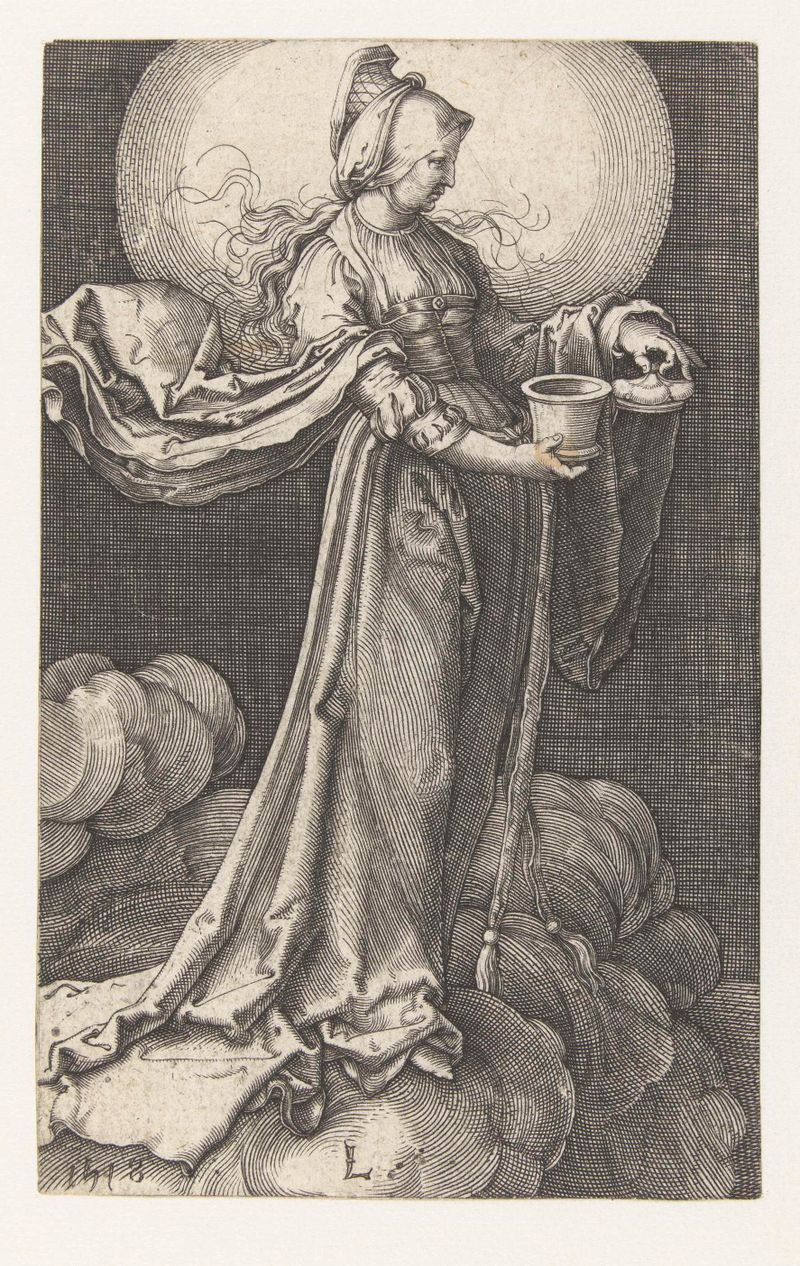
Maria Magdalena in de wolken
Jan Harmensz. Muller
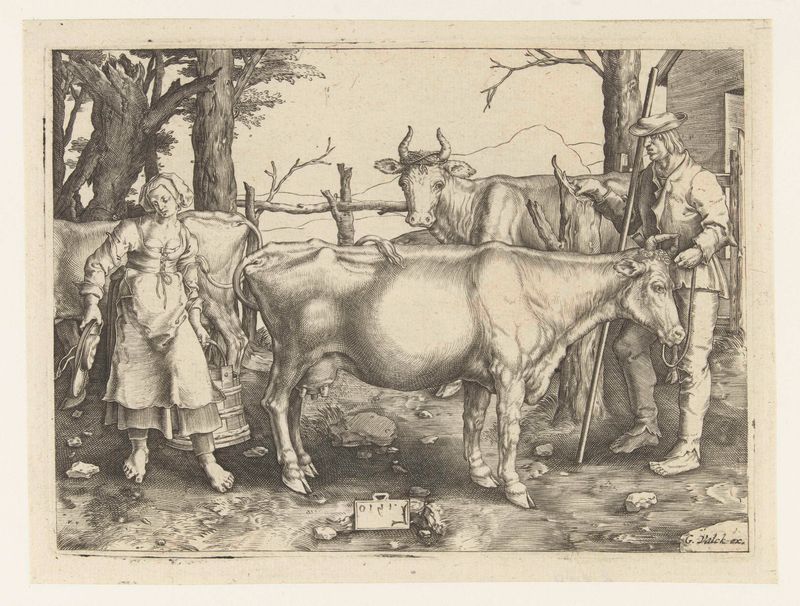
Het melkmeisje
Jan Harmensz. Muller
More Historical Art
Browse all →
The Night Watch Militia Company of District II under the Command of Captain Frans Banninck Cocq
Rembrandt van Rijn
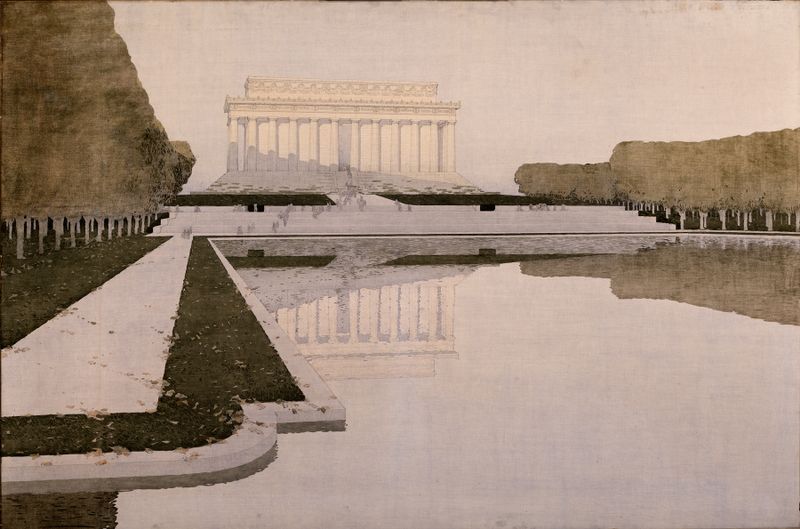
Lincoln Memorial
Henry Bacon
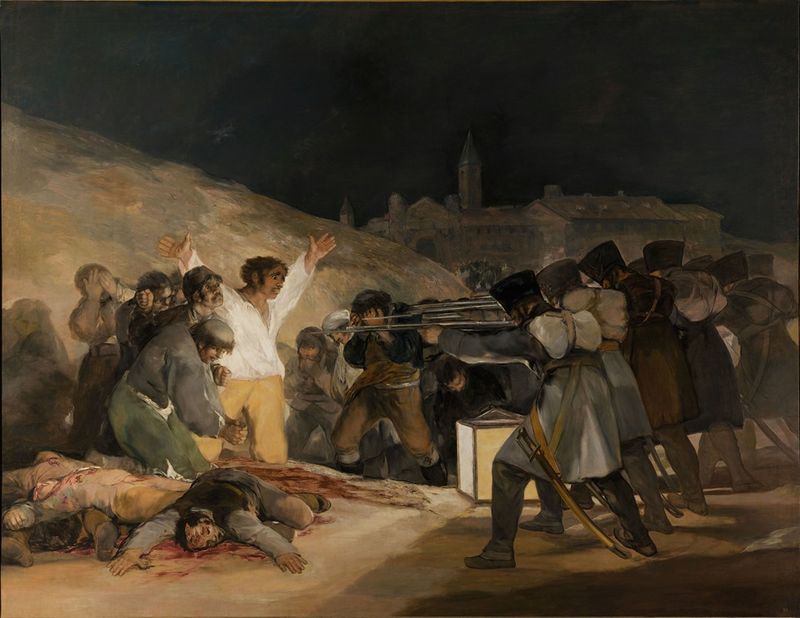
The Third of May 1808
Francisco de Goya

Isaac and Rebecca, Known as ‘The Jewish Bride’
Rembrandt van Rijn
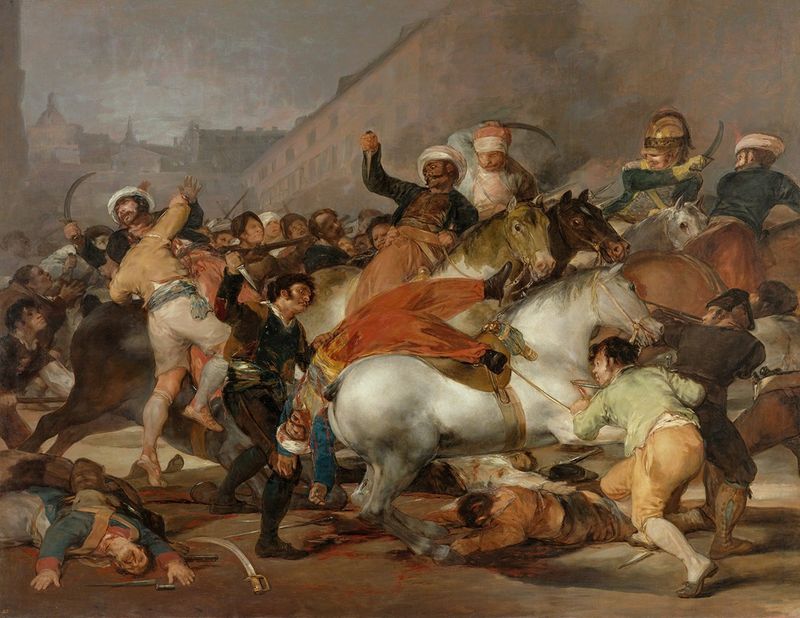
The Charge of the Mamelukes (1814)
Francisco de Goya

De vier ruiters van de apocalyps
Albrecht Dürer