
Portret van keizer Maximiliaan I — History & Facts
Can beauty exist without sorrow? In the intricacies of the human spirit, innocence often bears the weight of historical narratives, revealing a complex interplay of emotions. Look to the left at the regal figure of Maximilian I, his finely embroidered garment glistening with subtle hues of gold and deep indigo. Notice how the light falls upon his face, creating a sense of softness amidst the stern gaze that seems to transcend time. The meticulous detailing of his crown and the delicate textures of his attire invite the viewer to appreciate the careful craftsmanship that defines this portrait, hinting at the power and responsibility that come with his title. Delve deeper into the expression in Maximilian's eyes—there lies a trace of vulnerability, a fleeting glimpse of the innocence he may have once held, now shrouded by the weight of leadership.
The contrasting smoothness of his skin against the intricate patterns of his clothing emphasizes the tension between his public persona and private struggles. This duality speaks to the burdens that accompany authority, suggesting that the pursuit of greatness often comes at a cost, perhaps even the loss of one's own innocence. Created between 1581 and 1628, this portrait emerged during a time of significant political upheaval in Europe. Jan Harmensz.
Muller, a Dutch painter, was influenced by the Mannerist style, which sought to convey complexity and emotional depth. During this period, the art world was evolving, reflecting the tensions of the Reformation and Counter-Reformation, as well as the burgeoning power of individual rulers. The portrait captures not just the likeness of a ruler but also the essence of the time—where beauty coexists with the shadows of history.
More Artworks by Jan Harmensz. Muller
Browse all →
Jozef ontvlucht de vrouw van Potifar
Jan Harmensz. Muller

De chirurgijn
Jan Harmensz. Muller
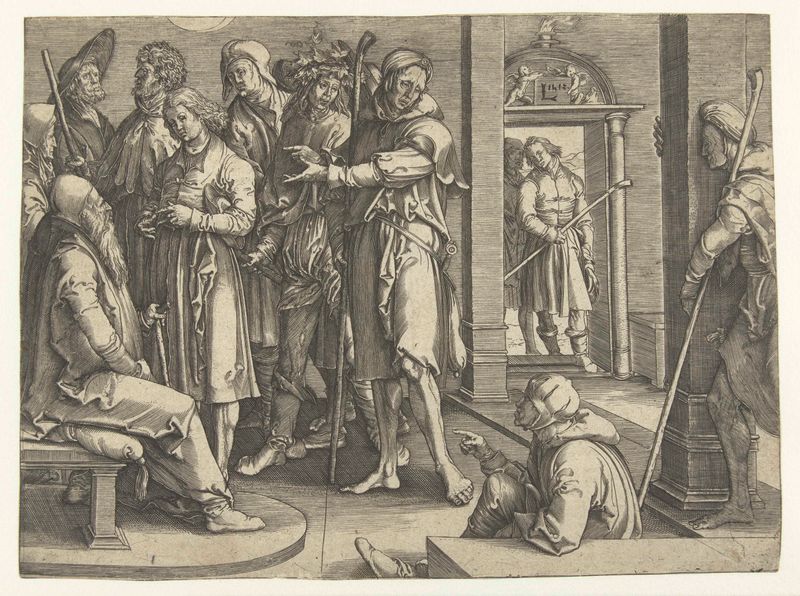
Jozef vertelt zijn dromen aan Jakob
Jan Harmensz. Muller

Jozef vertelt zijn dromen aan Jacob
Jan Harmensz. Muller
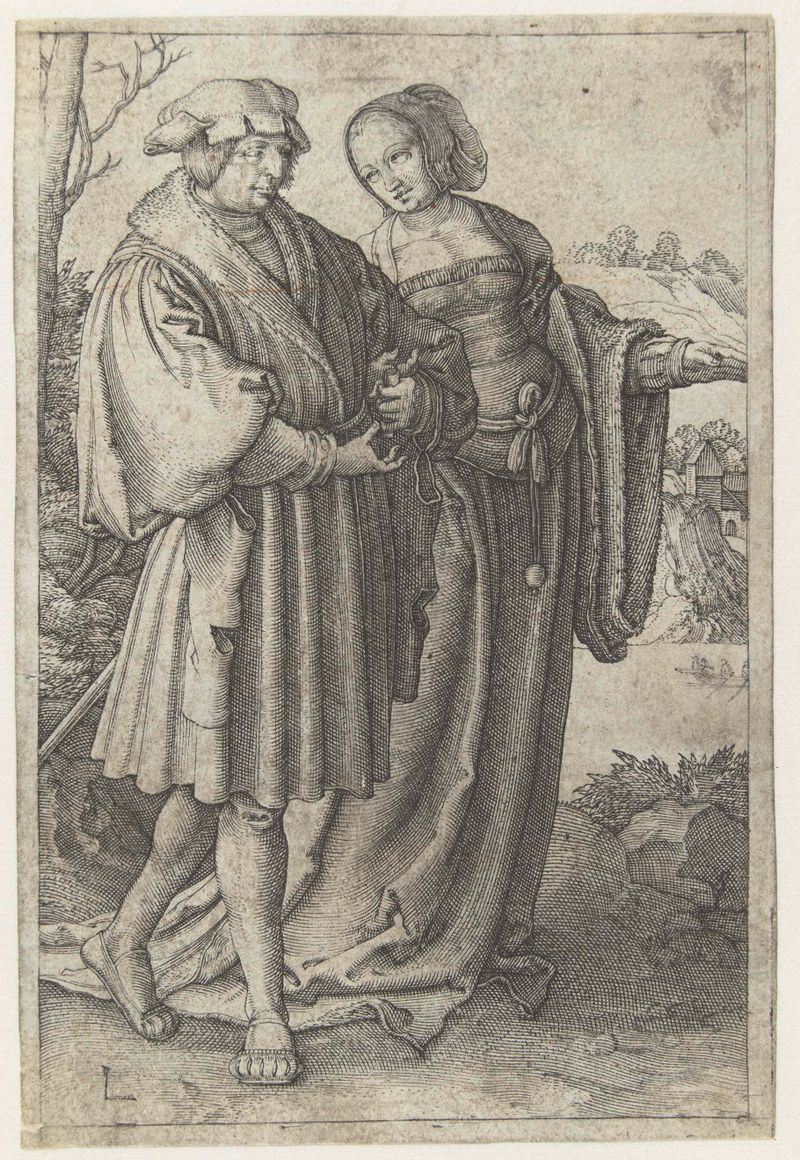
Wandelend paar
Jan Harmensz. Muller

Musicerend paar
Jan Harmensz. Muller

De heilige Sebastiaan
Jan Harmensz. Muller
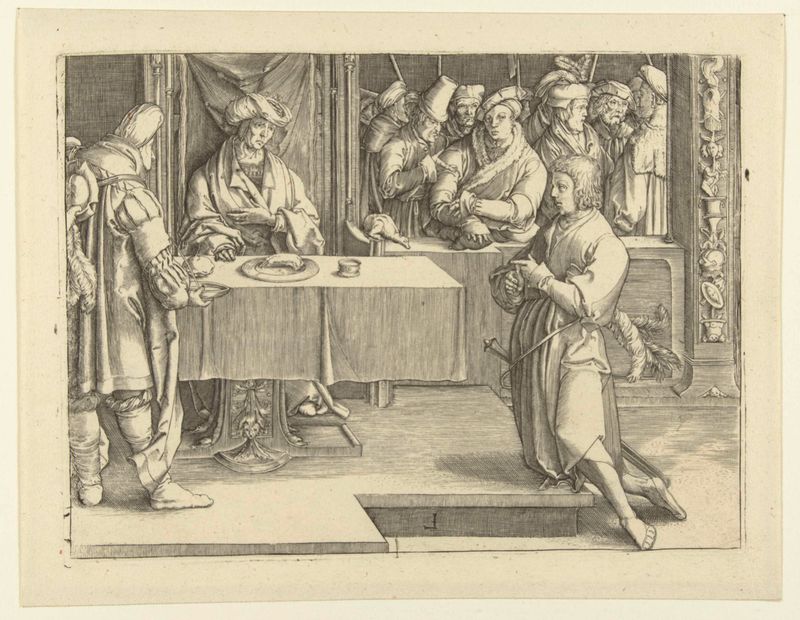
Jozef verklaart de dromen van Farao
Jan Harmensz. Muller
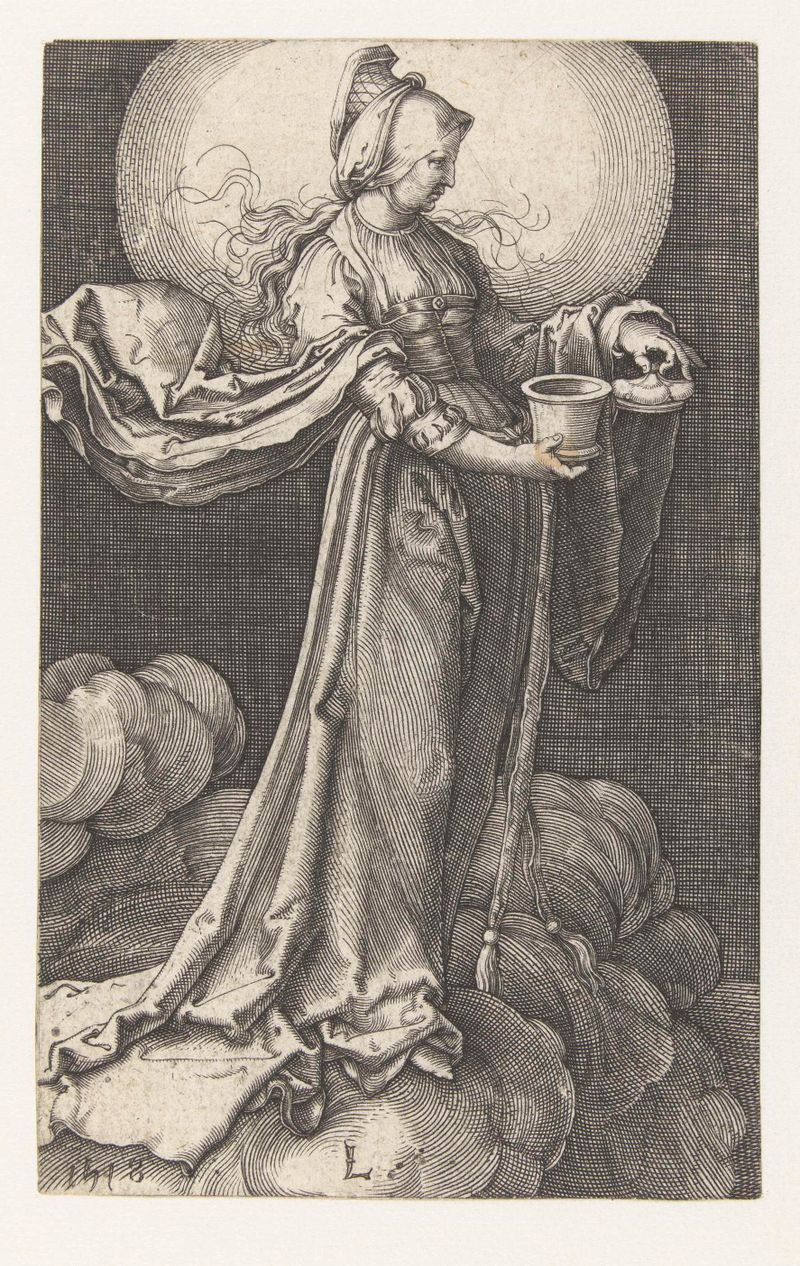
Maria Magdalena in de wolken
Jan Harmensz. Muller
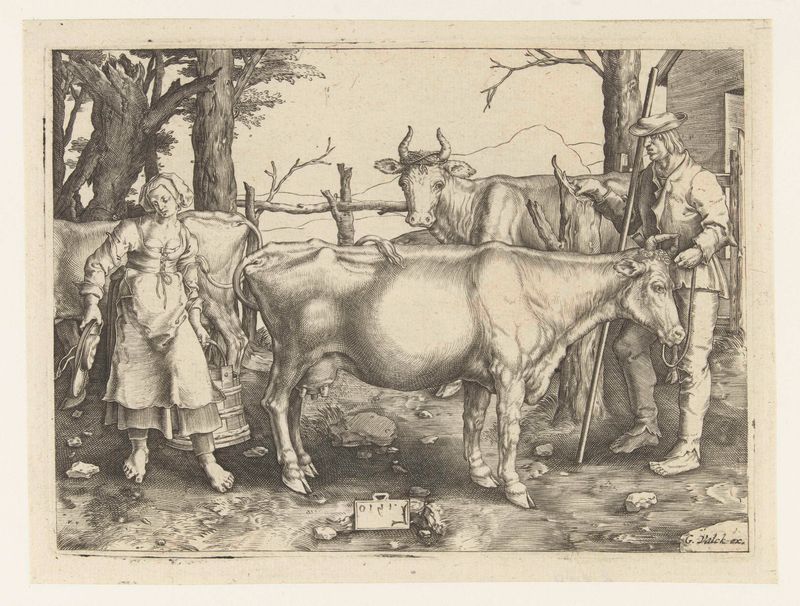
Het melkmeisje
Jan Harmensz. Muller
More Portrait Art
Browse all →
Las meninas
Diego Velázquez

Self-portrait with a Bandaged Ear and Pipe
Unidentified artist

Girl with a Pearl Earring
Johannes Vermeer

The Sampling Officials of the Amsterdam Drapers’ Guild, Known as ‘The Syndics’
Rembrandt van Rijn

The Hundred Guilder Print: the man seen on the back in the lower left corner
Rembrandt van Rijn

Portrait of Dr Gachet
Vincent van Gogh