
Jozef verklaart de dromen van Farao — History & Facts
What secret hides in the quiet of the canvas? Beneath the surface of Jozef verklaart de dromen van Farao, a profound beauty unfolds, inviting us to explore the depths of human experience captured in brushstrokes. Look to the center of the composition, where Joseph, regal yet humble, leans forward with sincerity as he interprets the Pharaoh's dreams. Notice the delicate interplay of light across their faces, revealing the weight of truth transmitted in their exchange. The intricate details of their garments contrast with the soft background hues, drawing our gaze deeper into their intimate dialogue—an electric moment suspended in time. Within this frame, we find the tension between fate and free will.
The looming presence of the Pharaoh signifies power, while Joseph’s compassionate expression suggests vulnerability, hinting at the duality of authority and servitude. The use of rich colors amplifies this contrast, with deep reds and golds representing wealth and ambition, underlined by Joseph’s humble attire—a reminder that true wisdom often transcends social standing. Painted during the late Renaissance, Jan Harmensz. Muller created this work between 1550 and 1617, a period marked by significant transitions in the art world.
As artists explored human emotion with newfound intensity, Muller delved into biblical narratives, using this moment to highlight the beauty in the act of understanding one another across cultures and hierarchies. His dedication to clarity and detail reflects the broader movement of his time, where religious and humanist themes intertwined, illuminating the soul’s quest for meaning.
More Artworks by Jan Harmensz. Muller
Browse all →
Jozef ontvlucht de vrouw van Potifar
Jan Harmensz. Muller

Portret van keizer Maximiliaan I
Jan Harmensz. Muller

De chirurgijn
Jan Harmensz. Muller
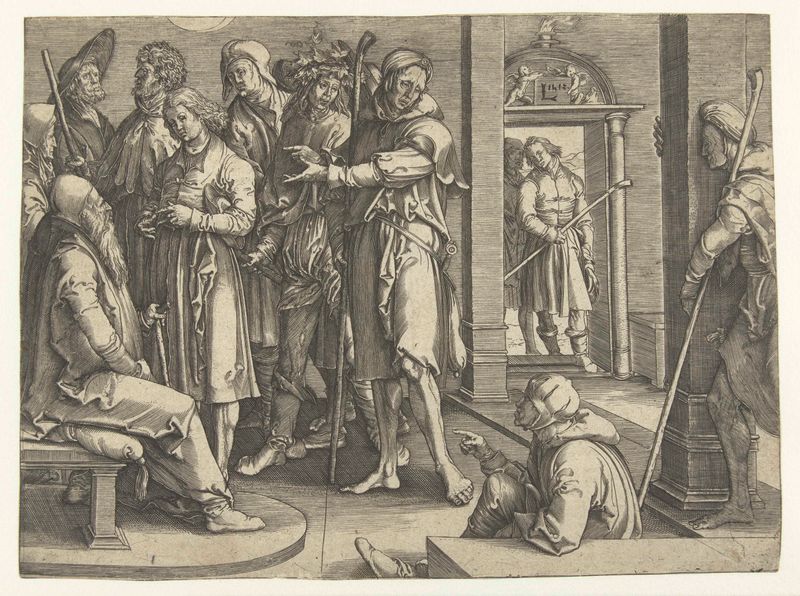
Jozef vertelt zijn dromen aan Jakob
Jan Harmensz. Muller

Jozef vertelt zijn dromen aan Jacob
Jan Harmensz. Muller
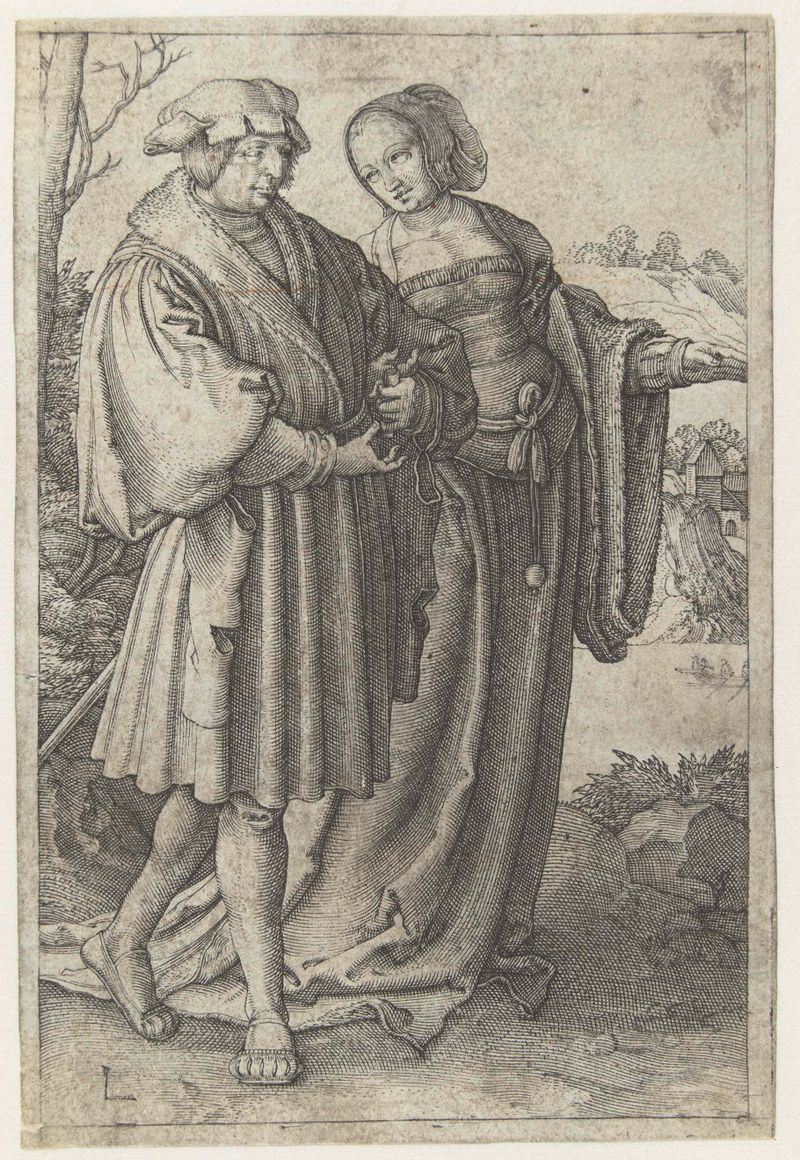
Wandelend paar
Jan Harmensz. Muller

Musicerend paar
Jan Harmensz. Muller

De heilige Sebastiaan
Jan Harmensz. Muller
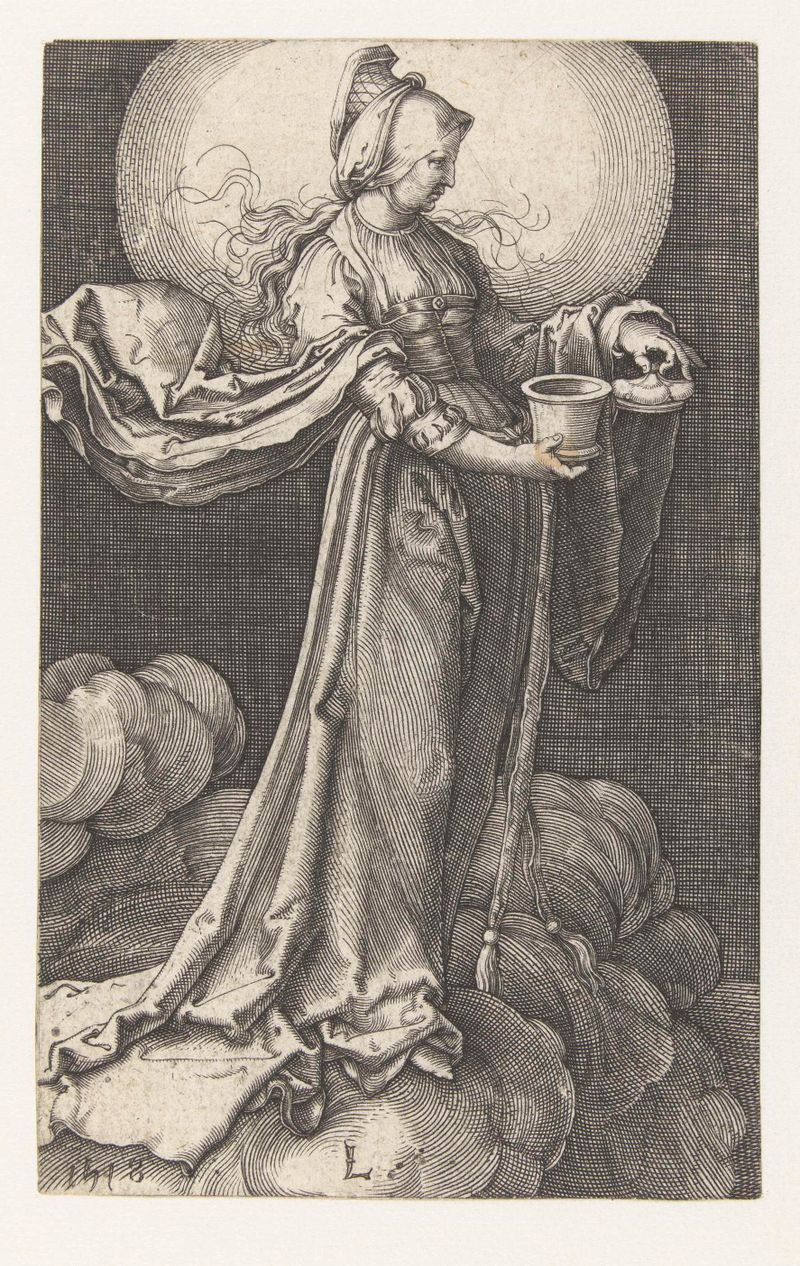
Maria Magdalena in de wolken
Jan Harmensz. Muller
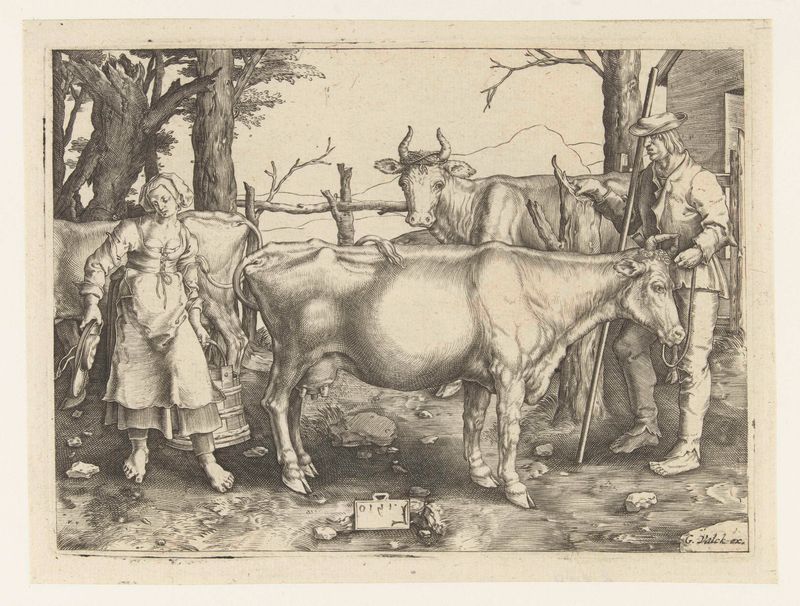
Het melkmeisje
Jan Harmensz. Muller
More Religious Art
Browse all →
The Return of the Prodigal Son
Rembrandt van Rijn

The Garden of Earthly Delights
El Bosco

Count Orgaz’ funeral
El Greco

The Hundred Guilder Print: the central piece with Christ preaching, the plate arched
Rembrandt van Rijn

The Descent from the Cross
Rogier van der Weyden

The return of the prodigal son
Rembrandt van Rijn