
De historie van Anna en Joachim — History & Facts
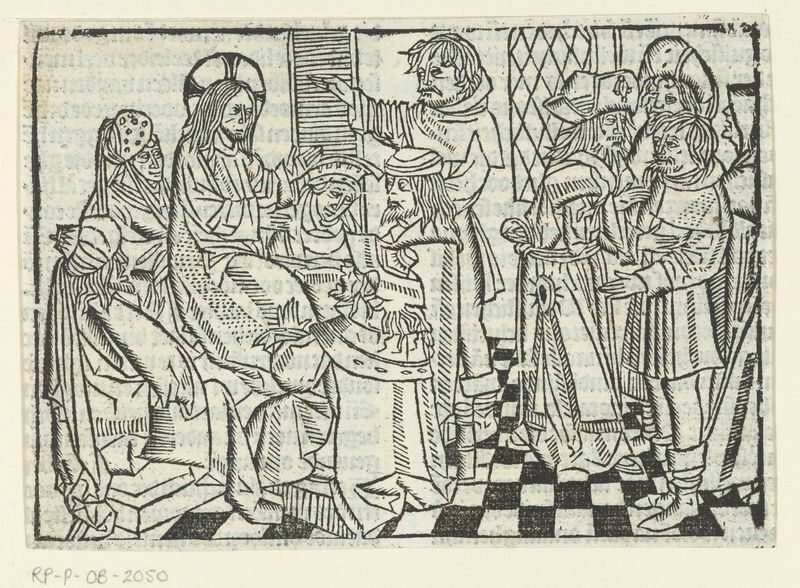
When did color learn to lie? The vivid hues that dance across this canvas not only tell a story but also conceal the weight of memory and time. A palette rich with emotion invites the viewer to explore layers of the past that linger beneath the surface, whispering truths yet to be unveiled. Look to the left, where Anna seems to emerge from the shadows, her face a delicate study of serenity and introspection. Notice the soft light illuminating her features, contrasting with the darker tones surrounding her.
This interplay of light and shadow draws attention to the tender moment captured in the intimate exchange between her and Joachim, a silent dialogue of hope and anticipation that introduces the viewer to their poignant narrative. Yet, within the depicted warmth, a sense of melancholy pervades. The expressions of both figures speak volumes; Joachim’s gaze carries an undercurrent of yearning, while Anna’s calm presence hints at burdens unspoken. The intricate detail in their clothing—rich fabrics and ornate textures—suggests a sumptuous exterior that hides an emotional struggle, as if their lives are a tapestry woven with both joy and sorrow.
The background, painted with muted tones, amplifies this contrast, creating a realm where memories both haunt and comfort. In 1503, the creator of this profound piece worked within the vibrant artistic community of Delft, a hub of innovation and expression. During this period, the master navigated the intricate balance between emerging humanist ideals and traditional religious themes that dominated art. This work reflects not only personal exploration but also the broader dialogue within the art world, as artists began to intertwine narrative depth with visual beauty, crafting pieces that resonate with timeless human experiences.
More Artworks by Master of Delft
Browse all →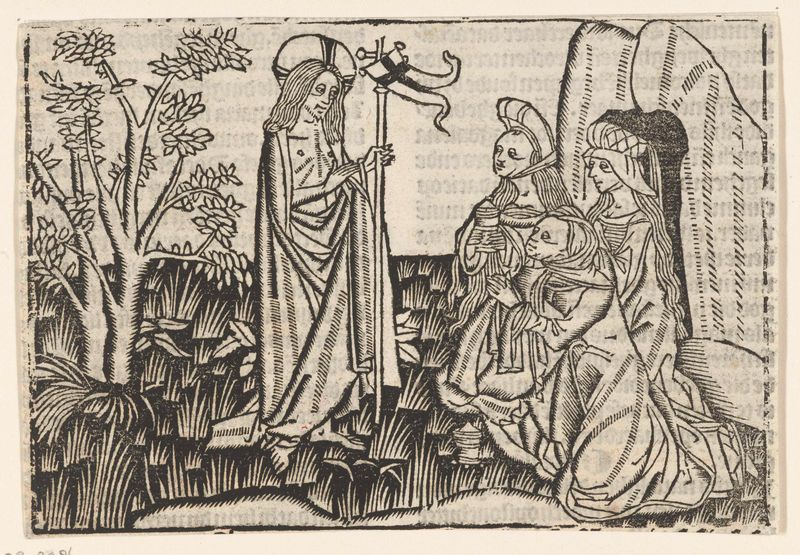
Christus verschijnt aan de drie Maria's
Master of Delft
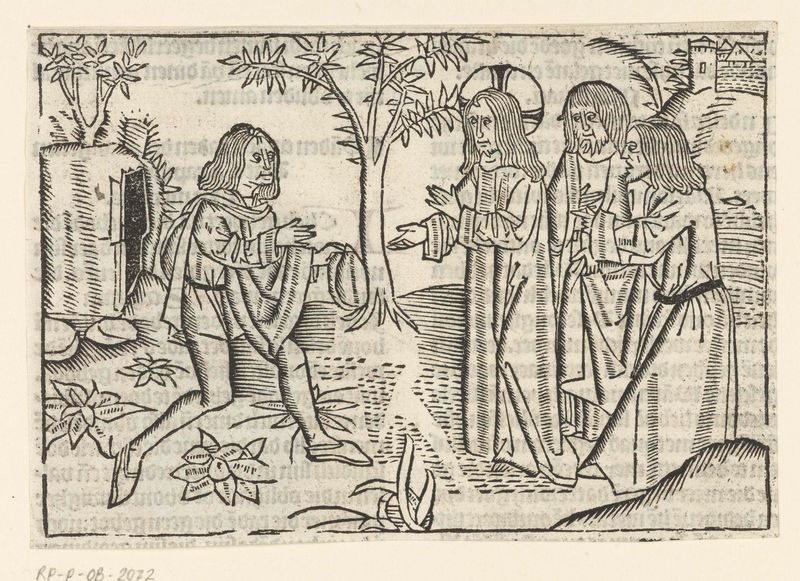
Christus en de rijke jongeling
Master of Delft
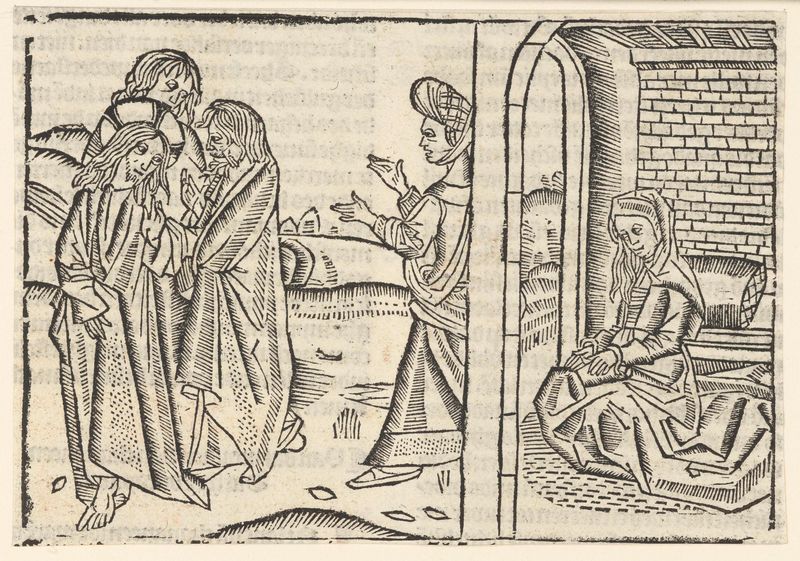
Christus en de Kanaänitische vrouw
Master of Delft
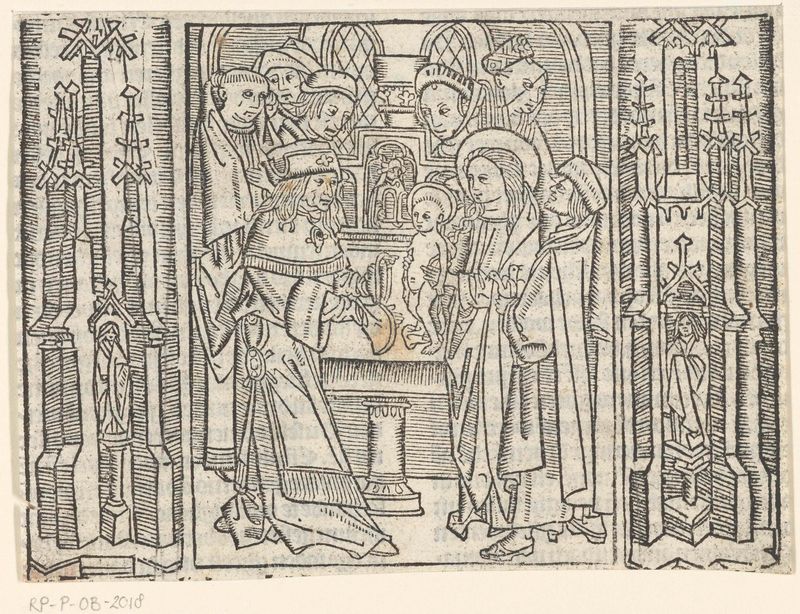
Presentatie van Christus in de tempel
Master of Delft
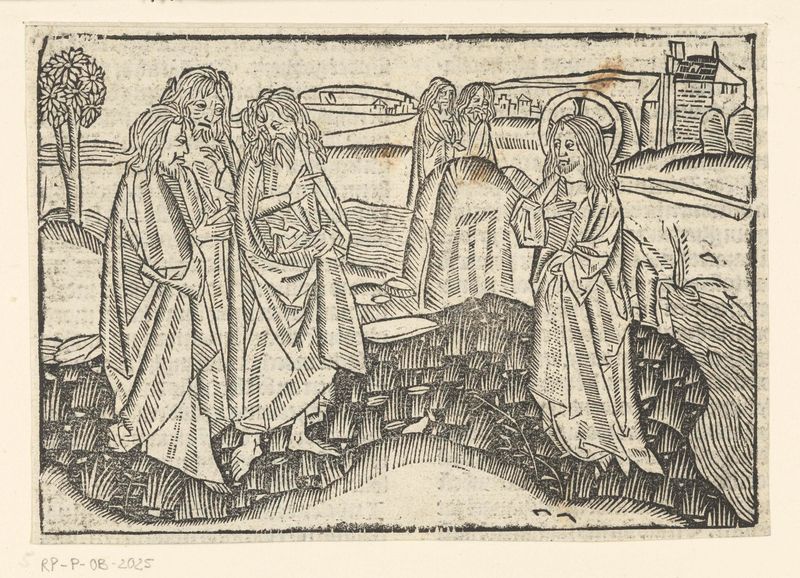
Christus kiest zijn eerste discipelen
Master of Delft
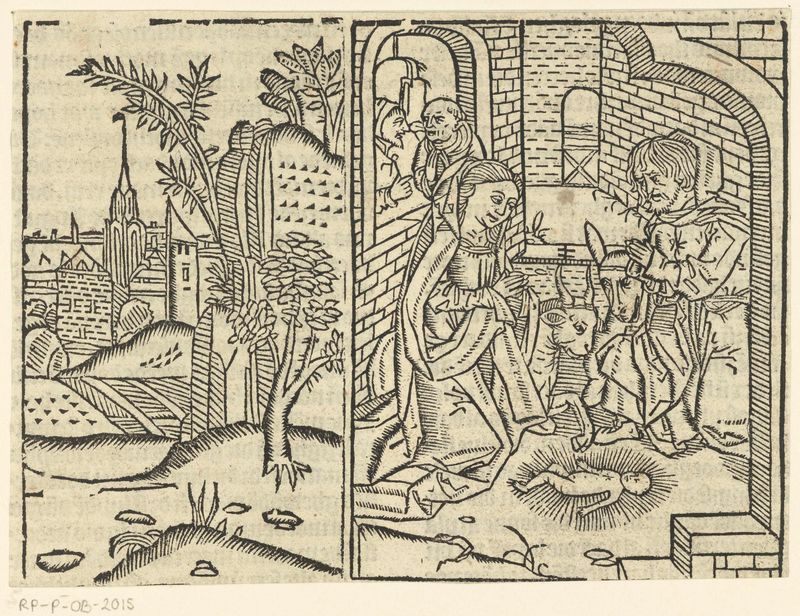
Geboorte van Christus
Master of Delft
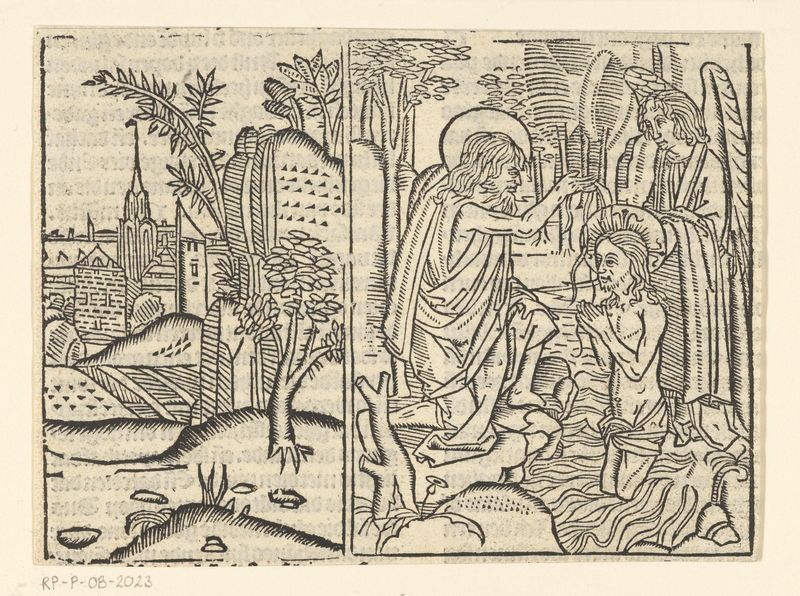
De doop van Christus in de Jordaan
Master of Delft
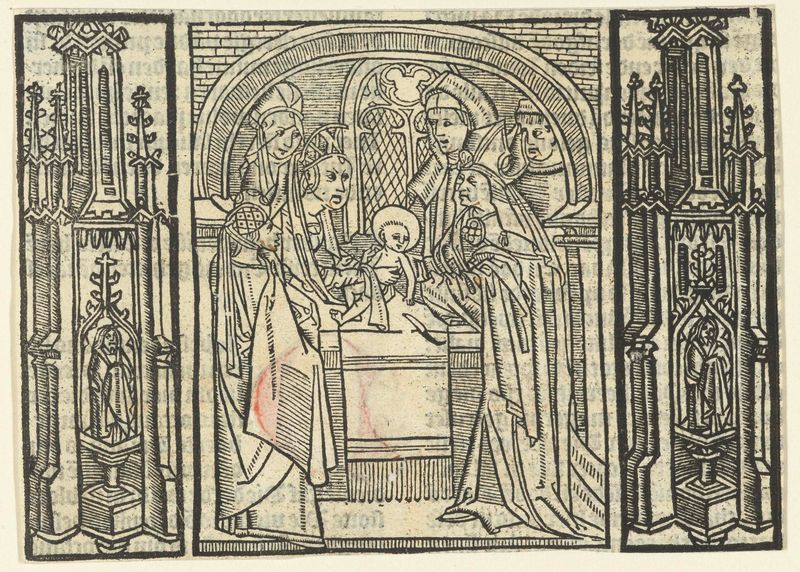
Besnijdenis van Christus
Master of Delft
Christus geneest de man met een verdorde hand
Master of Delft
De Farizeeërs willen Christus stenigen
Master of Delft
More Religious Art
Browse all →
The Return of the Prodigal Son
Rembrandt van Rijn

The Garden of Earthly Delights
El Bosco

Count Orgaz’ funeral
El Greco

The Hundred Guilder Print: the central piece with Christ preaching, the plate arched
Rembrandt van Rijn

The Descent from the Cross
Rogier van der Weyden

The return of the prodigal son
Rembrandt van Rijn