
De Joden proberen Christus te stenigen — History & Facts
What secret hides in the quiet of the canvas? Beneath the tumultuous surface, chaos unfurls, beckoning us to confront our own convictions and humanity. Look closely at the center of the composition, where a group of figures is caught in an explosive clash. Their bodies twist and contort, each gesture a frenzied expression of desperation and rage. The stark contrasts of light and shadow reveal the emotional tumult; the pale skin of the figure being attacked glows against the dark, swirling mass of aggressors.
The muted palette of browns and greys draws us in, highlighting the chaotic energy while maintaining a somber tone, as if the scene itself is both a visceral drama and a solemn indictment. Delve deeper into this striking portrayal, and you can discern the intricate interplay between victim and aggressor. The stone being hurled is not merely a weapon; it symbolizes the heavy burden of belief and the violence that often accompanies it. Notice the small details, like the anguish etched on the face of one of the onlookers, who seems to question the fervor of the crowd.
This tension between blind zeal and moral contemplation invites viewers to reflect on the nature of faith and persecution, echoing the historical struggles faced by marginalized communities. In 1635, Jacques Callot painted this work during a time when Europe was rife with religious turmoil, reflecting the historical context of the Thirty Years' War. Living in Nancy, France, he was immersed in a world of conflict and strife, which undoubtedly colored his artistic vision. This piece stands as a poignant commentary on humanity's darker impulses, capturing a moment that resonates far beyond its immediate narrative.
More Artworks by Jacques Callot
Browse all →
Titelprent voor de prentreeks 'De kleine apostelen' (Het martelaarschap van de apostelen)
Jacques Callot
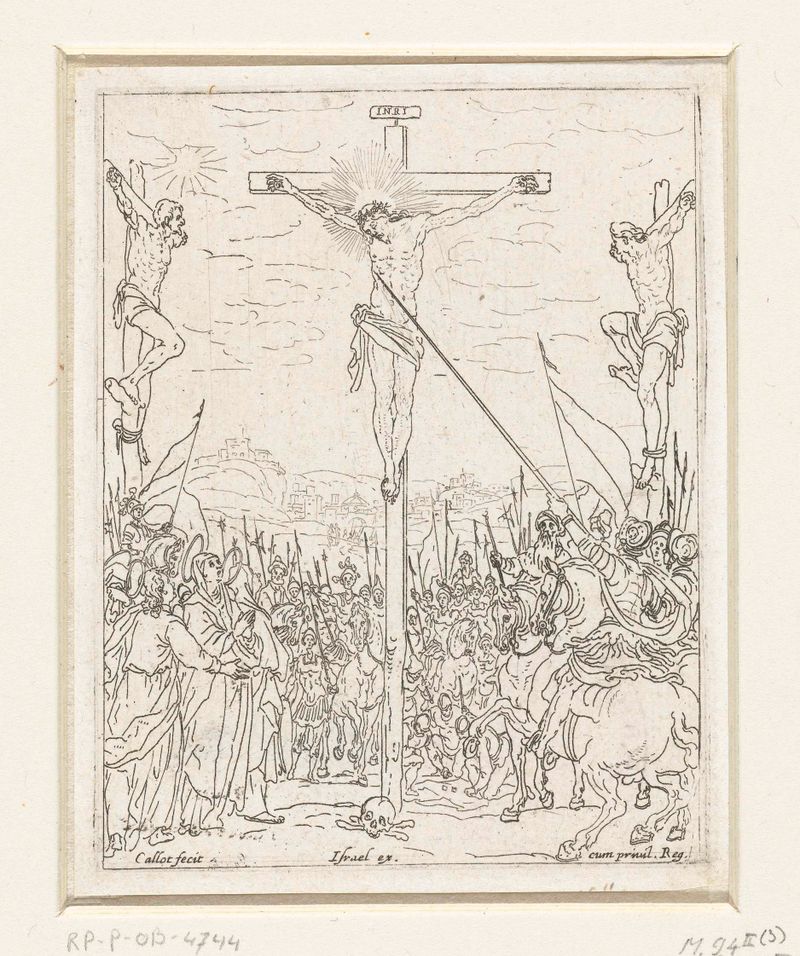
Kruisiging
Jacques Callot

De doortocht door de Rode Zee
Jacques Callot

De verloren zoon als zwijnenhoeder
Jacques Callot

Annunciatie
Jacques Callot
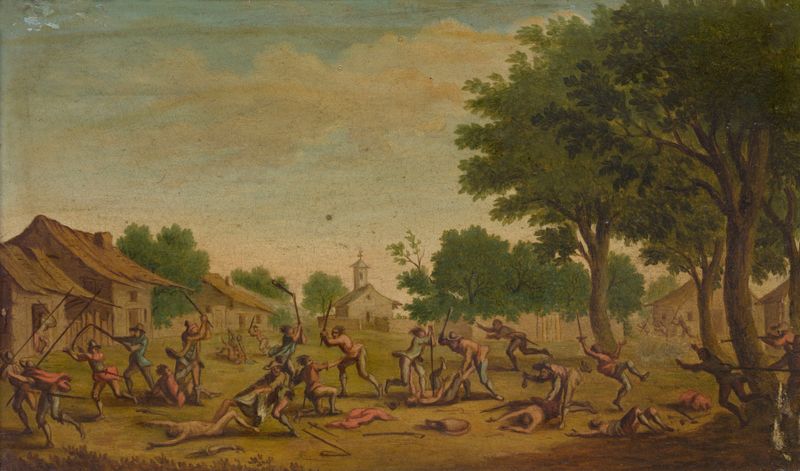
Village Fight
Jacques Callot

Titelprent voor prentreeks 'Het leven van Maria'
Jacques Callot
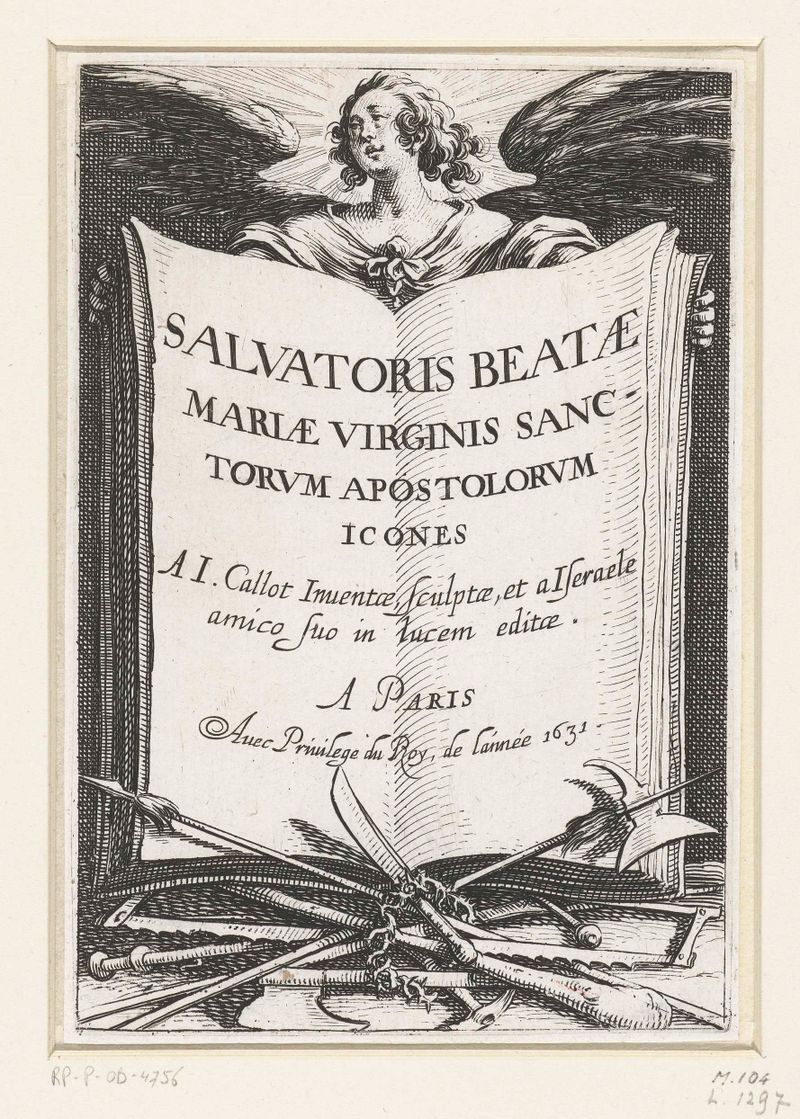
Titelprent voor de prentreeks 'De grote apostelen' (Christus, Maria en de apostelen)
Jacques Callot

Christus aan het volk getoond (Ecce homo)
Jacques Callot
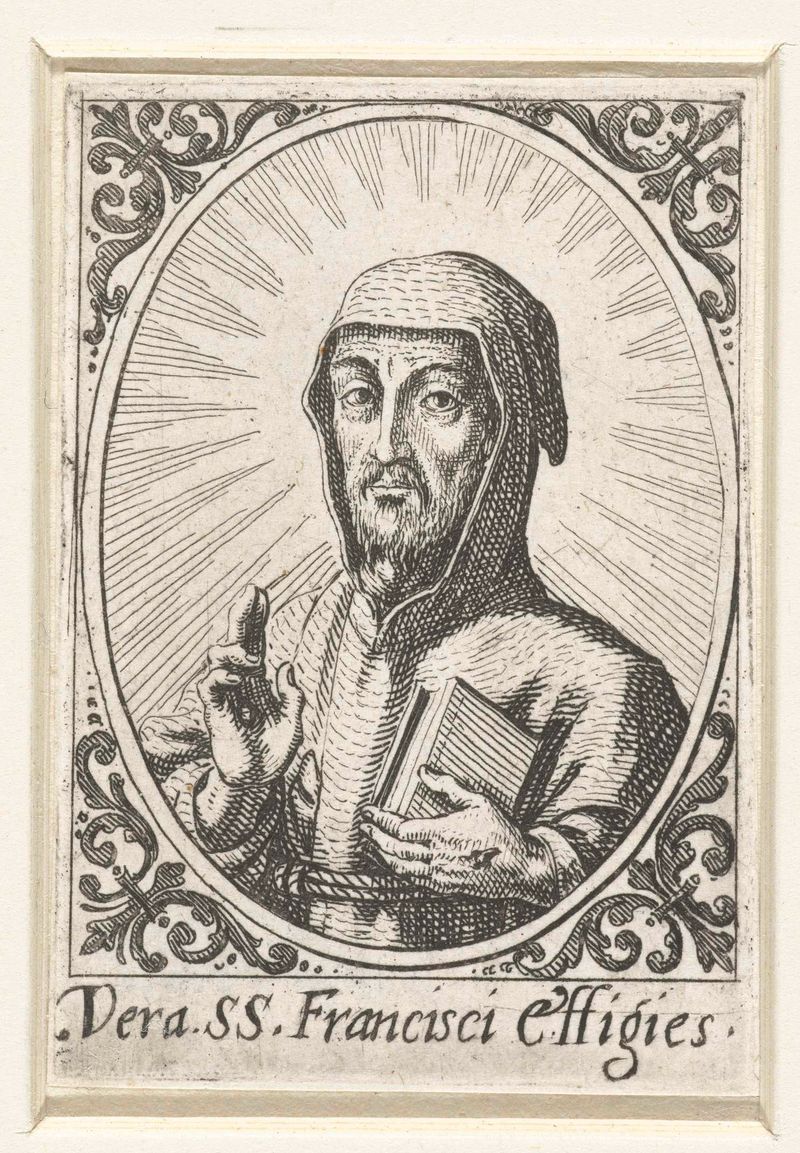
Portret van de Heilige Franciscus
Jacques Callot
More Religious Art
Browse all →
The Return of the Prodigal Son
Rembrandt van Rijn

The Garden of Earthly Delights
El Bosco

Count Orgaz’ funeral
El Greco

The Hundred Guilder Print: the central piece with Christ preaching, the plate arched
Rembrandt van Rijn

The Descent from the Cross
Rogier van der Weyden

The return of the prodigal son
Rembrandt van Rijn