
De lichtzinnige jeugd — History & Facts
Where does light end, and longing begin? In De lichtzinnige jeugd, brightness intertwines with the weight of fate, urging us to ponder the transient nature of youth and desire. Focus on the radiant, almost ethereal figures that dominate the canvas, drawing your gaze to their playful interactions. The light dances across their clothing and skin, illuminating not only their physical forms but also the exuberant spirit of youth. Notice how the gentle brushstrokes define their expressions—laughter mingled with a hint of melancholy—each detail inviting contemplation on the fleeting joys of life. Amidst the vibrant hues, contrasts reveal deeper meanings: the juxtaposition of carefree laughter against the somber shadows lurking nearby, hinting at the inevitable passage of time.
The figures' gestures speak volumes; while their bodies are in motion, their eyes suggest a yearning for something unattainable—an intangible connection to destiny itself. This silent tension encapsulates the bittersweet nature of growing up, where innocence is intertwined with the knowledge of loss. Cornelis Anthonisz created this work between 1542 and 1546 during a period of notable cultural evolution in the Northern Renaissance. At that time, he was establishing himself in Amsterdam as a prominent figure, exploring themes of human experience and emotion.
This painting marked a significant moment in his artistic journey, as he began to blend realism with allegorical elements, reflecting the complexities of life and the human condition within the vibrant landscape of 16th-century Europe.
More Artworks by Cornelis Anthonisz.
Browse all →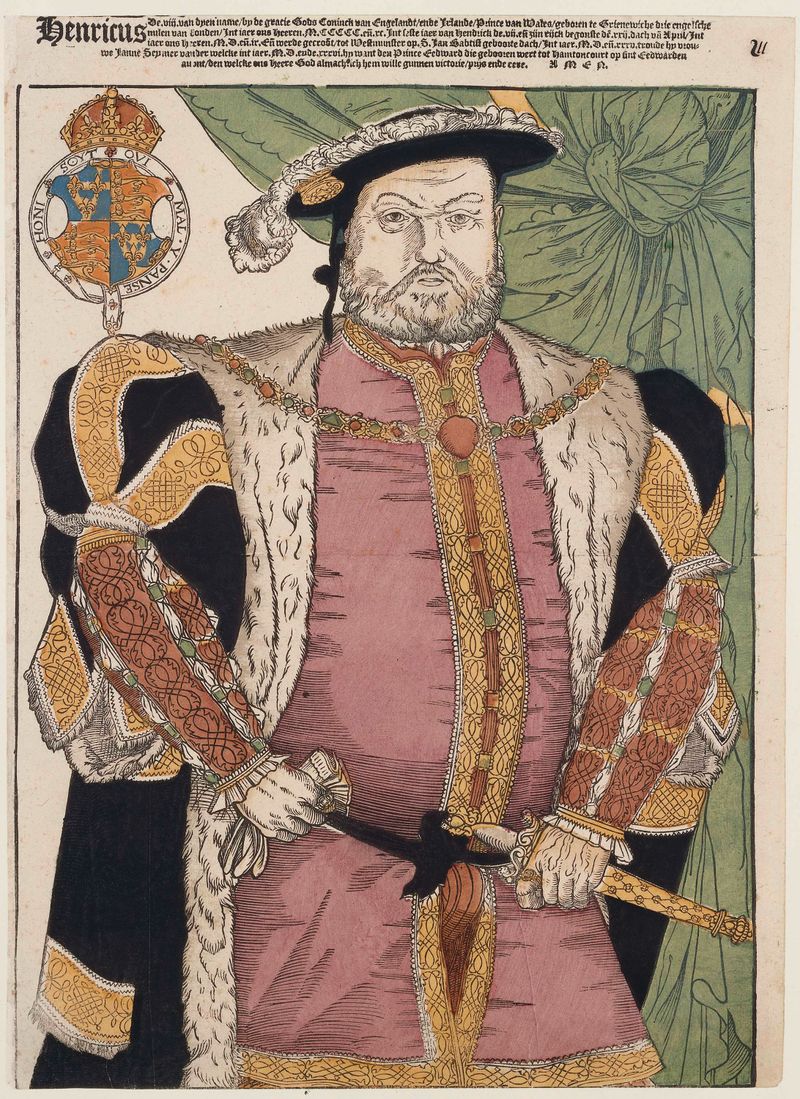
Portret van Hendrik VIII van Engeland
Cornelis Anthonisz.

Portret van Hendrik VIII van Engeland
Cornelis Anthonisz.

Portret van Maarten van Rossum te paard
Cornelis Anthonisz.
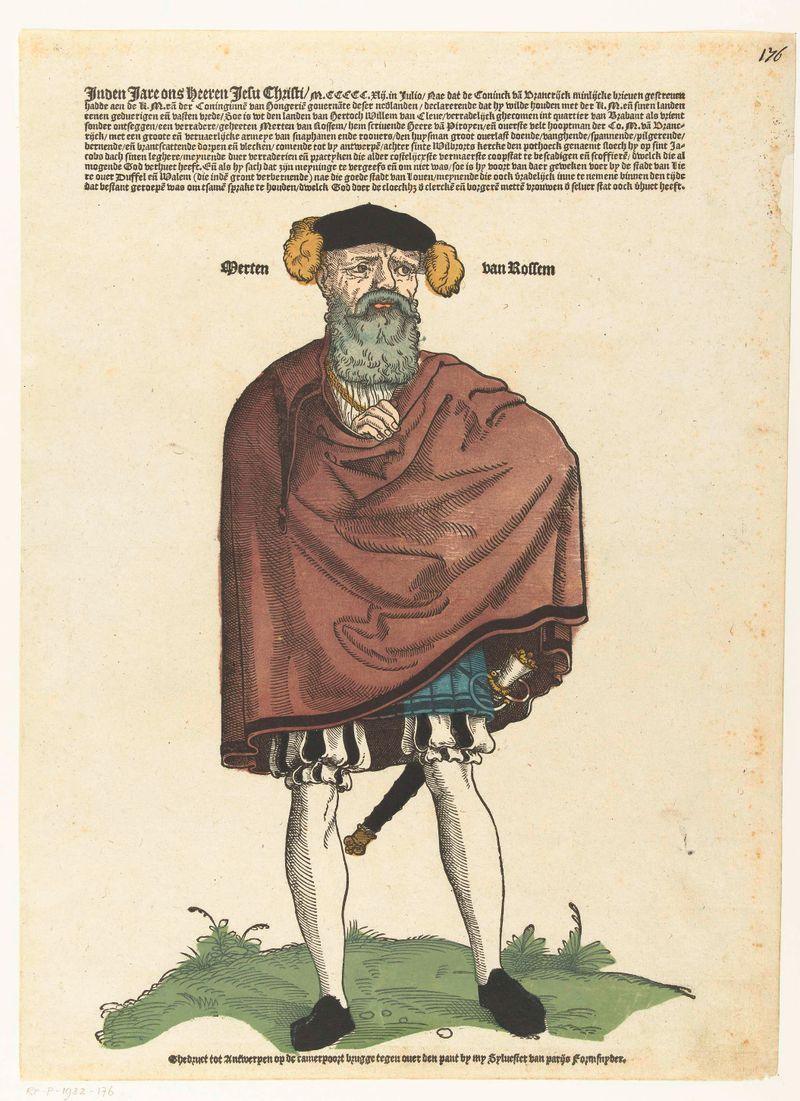
Portret van Maarten van Rossum
Cornelis Anthonisz.

De verloren zoon eet uit de varkenstrog
Cornelis Anthonisz.
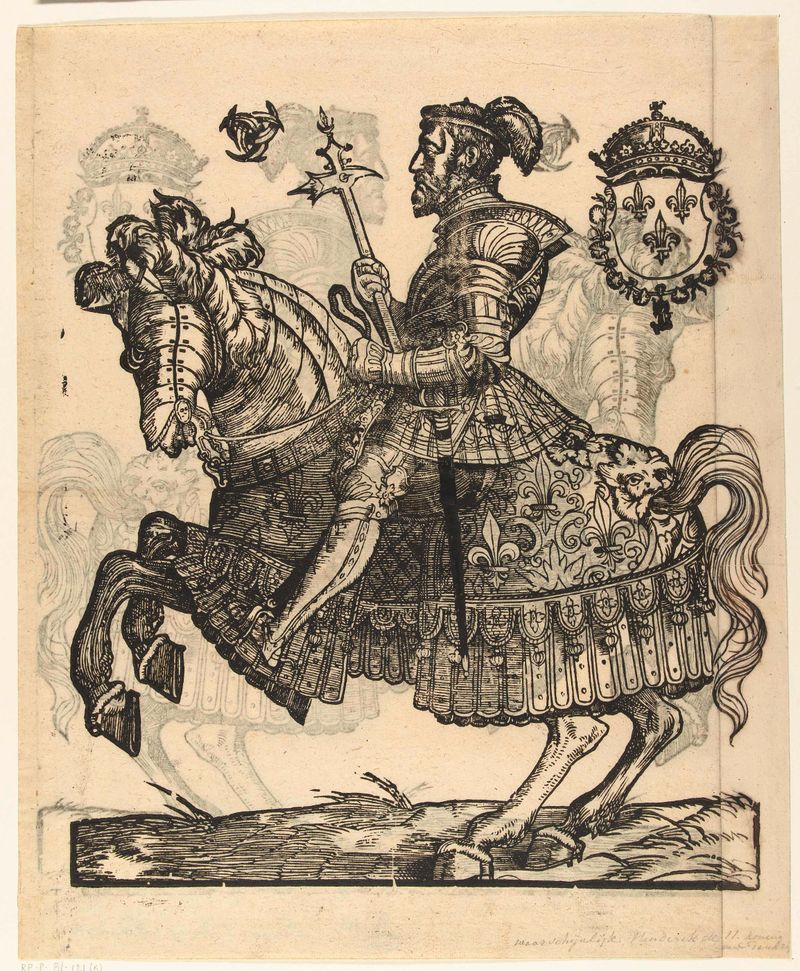
Portret van Hendrik II van Frankrijk te paard
Cornelis Anthonisz.

Portret van hertog Willem van Kleef, Gulik en Berg, graaf van Mark, heer van Ravenstein te paard
Cornelis Anthonisz.

Portret van Karel V te paard
Cornelis Anthonisz.

Portret van Maria van Hongarije te paard
Cornelis Anthonisz.
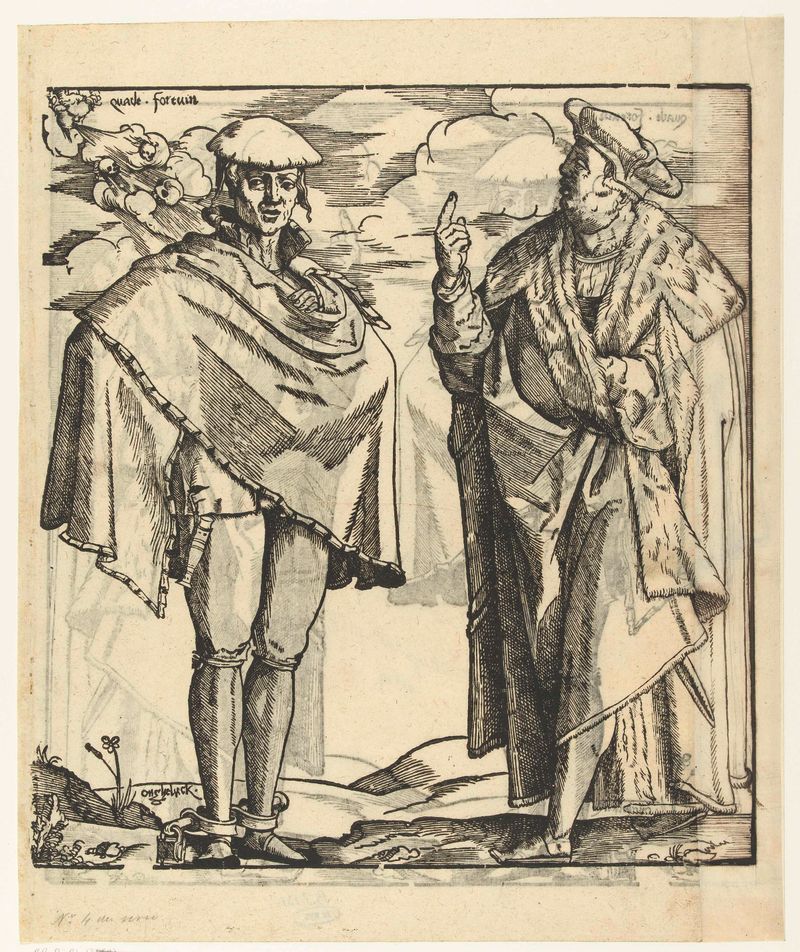
De lichtzinnige jeugd
Cornelis Anthonisz.





