
De marteldood van Petrus — History & Facts
In the stillness of Jacques Callot's work, madness lurks just beneath the surface, yearning to unfurl its chaotic tendrils. Here lies a moment frozen in time, yet charged with the potential for turmoil, urging the viewer to question the very fabric of reality. Look to the center of the composition, where the figure of Saint Peter dominates the space with an intensity that captivates the eye. Surrounding him, the tumult of the scene unfolds, with writhing figures and an ominous, shadowy backdrop.
The artist employs a stark contrast between light and dark, illuminating Peter’s anguished expression while cloaking others in obscurity, amplifying the emotional gravity of his impending fate. A delicate yet powerful palette reflects the tension — muted earth tones clash with sudden splashes of crimson, hinting at the violence embedded in this pivotal moment. Delve deeper into the intricate details, where madness intertwines with devotion. Notice the anguished faces of the bystanders, each etched with despair, their expressions mirroring the torment embodied by Peter.
The ropes binding him serve as a chilling metaphor for the constraints of faith, while the looming presence of the executioner hints at the inexorable nature of sacrifice. Callot's masterful line work and intricate texture bring forth a visceral sense of urgency, pulling the viewer into the heart of this dark narrative. Created between 1608 and 1611, this piece reflects a period in Callot's life marked by intense artistic exploration and personal upheaval. Residing in France, he witnessed the tumultuous political landscape of Europe, amidst a backdrop of religious conflict and social strife.
This era deeply influenced his artistry, imbuing his works with a sense of urgency and poignancy that resonates through time.
More Artworks by Jacques Callot
Browse all →
Titelprent voor de prentreeks 'De kleine apostelen' (Het martelaarschap van de apostelen)
Jacques Callot
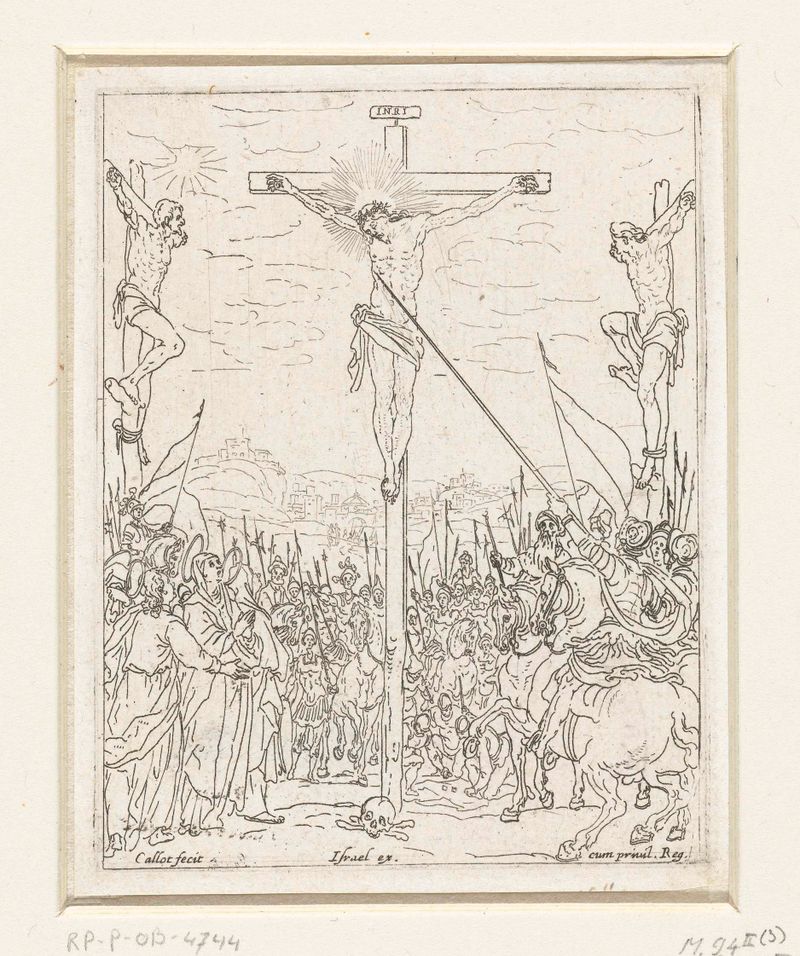
Kruisiging
Jacques Callot

De doortocht door de Rode Zee
Jacques Callot

De verloren zoon als zwijnenhoeder
Jacques Callot

Annunciatie
Jacques Callot
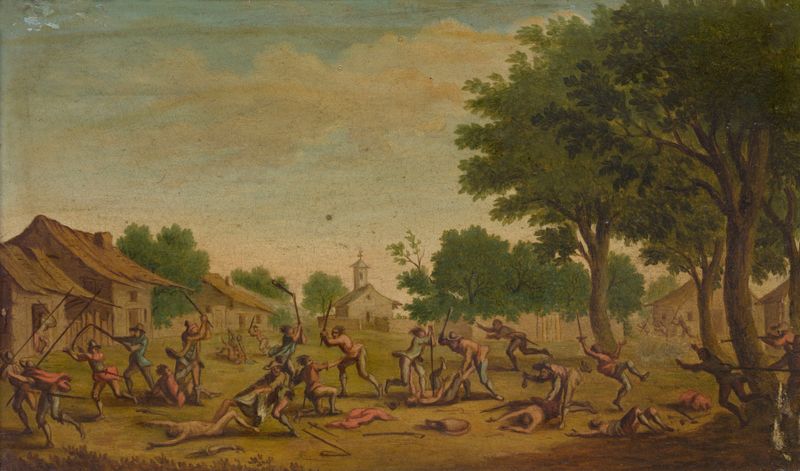
Village Fight
Jacques Callot

Titelprent voor prentreeks 'Het leven van Maria'
Jacques Callot
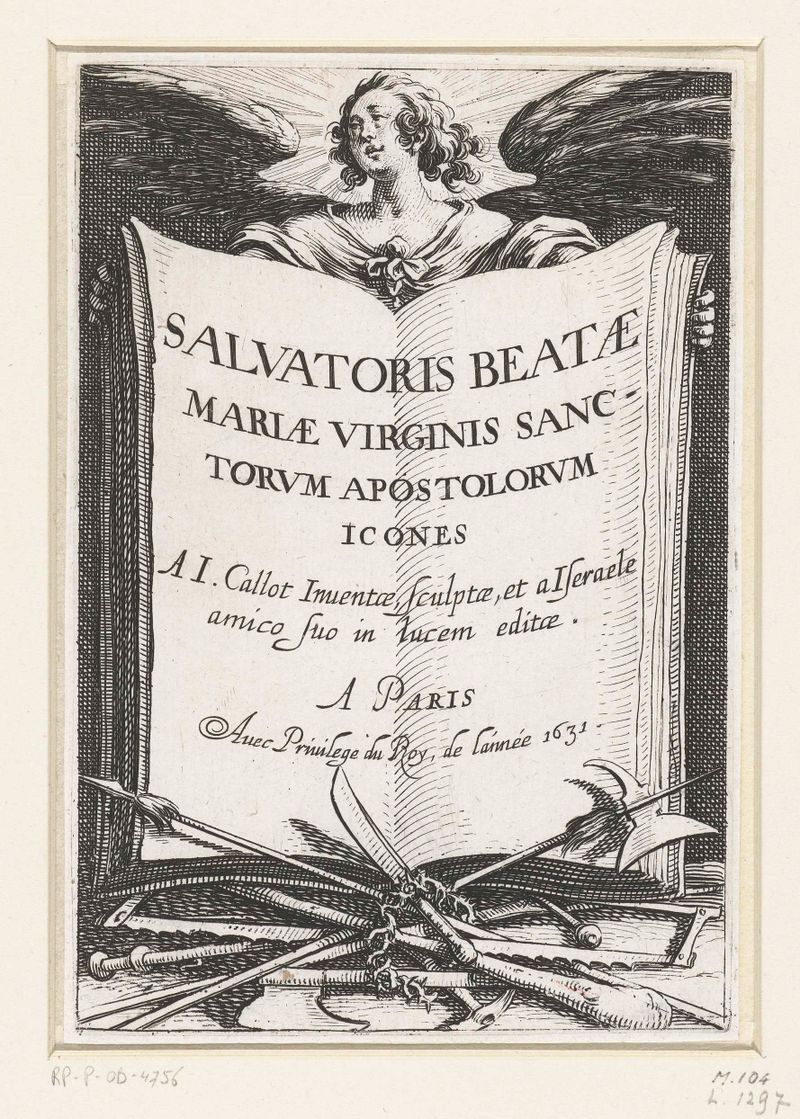
Titelprent voor de prentreeks 'De grote apostelen' (Christus, Maria en de apostelen)
Jacques Callot

Christus aan het volk getoond (Ecce homo)
Jacques Callot
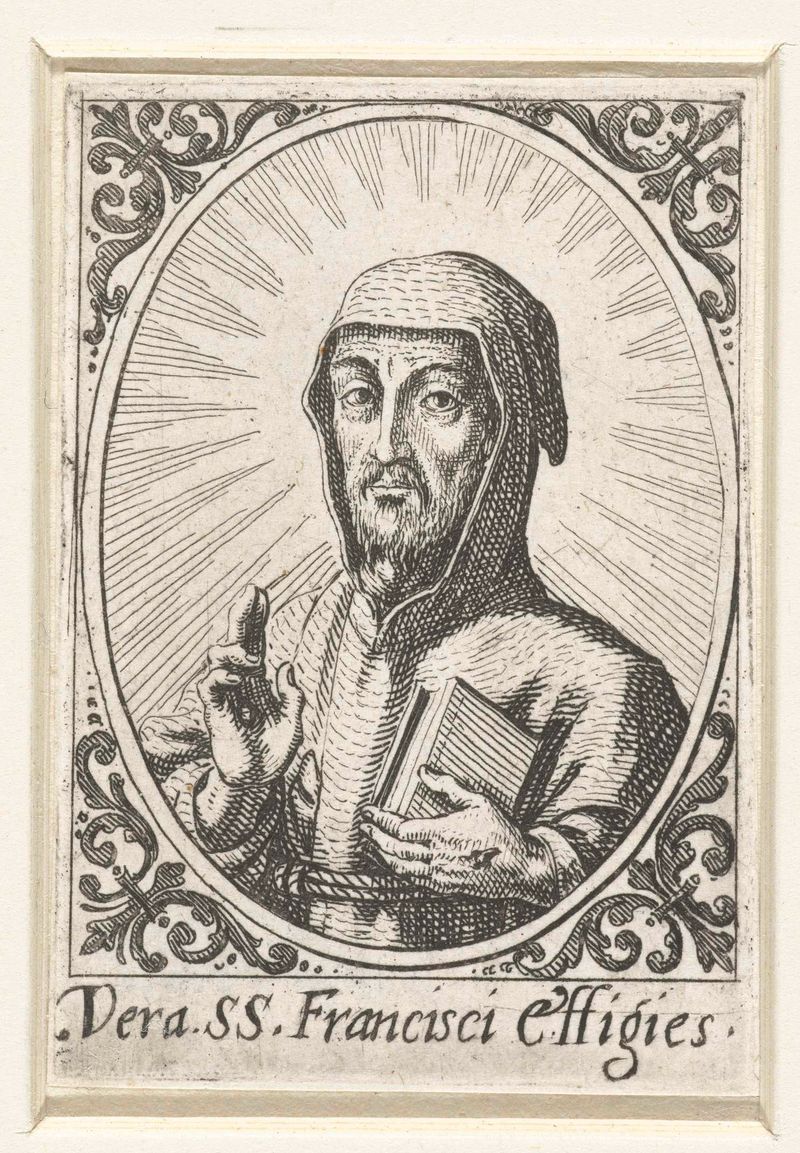
Portret van de Heilige Franciscus
Jacques Callot
More Religious Art
Browse all →
The Return of the Prodigal Son
Rembrandt van Rijn

The Garden of Earthly Delights
El Bosco

Count Orgaz’ funeral
El Greco

The Hundred Guilder Print: the central piece with Christ preaching, the plate arched
Rembrandt van Rijn

The Descent from the Cross
Rogier van der Weyden

The return of the prodigal son
Rembrandt van Rijn