
De non en de Dood — History & Facts
What if beauty was never meant to be finished? In the delicate etching De non en de Dood, Wenceslaus Hollar invites us into a contemplation of mortality, where the fleeting nature of life is captured in intricate detail. Look to the left, where a somber figure stands in quiet reflection beside a stark tomb. The light plays softly across the surface of the stone, emphasizing its cold permanence in contrast to the ephemeral whispers of the surrounding foliage. The composition is meticulously balanced, with the figure’s posture suggesting both resignation and reverence, drawing the eye toward the solemnity of the scene and the intertwining of life and death. Beneath the surface, this artwork explores the tension between the transient beauty of nature and the inexorable reality of loss.
The fragile leaves and blossoms surrounding the tomb introduce an air of poignant fragility, suggesting that while life flourishes, it is inevitably accompanied by decay. Additionally, the juxtaposition of the living and the dead evokes a deeper emotional resonance, prompting the viewer to consider their own existence in the face of mortality. Created around 1680, during a time when Hollar was immersed in the Netherlands' flourishing art scene, De non en de Dood reflects the artist's mastery of etching and his preoccupation with themes of mortality and the human condition. Living in an era marked by the tension between Baroque grandeur and emerging Enlightenment ideals, Hollar's work encapsulates a moment in art history that resonates with the universal experience of loss and beauty intertwined.
More Artworks by Wenceslaus Hollar
Browse all →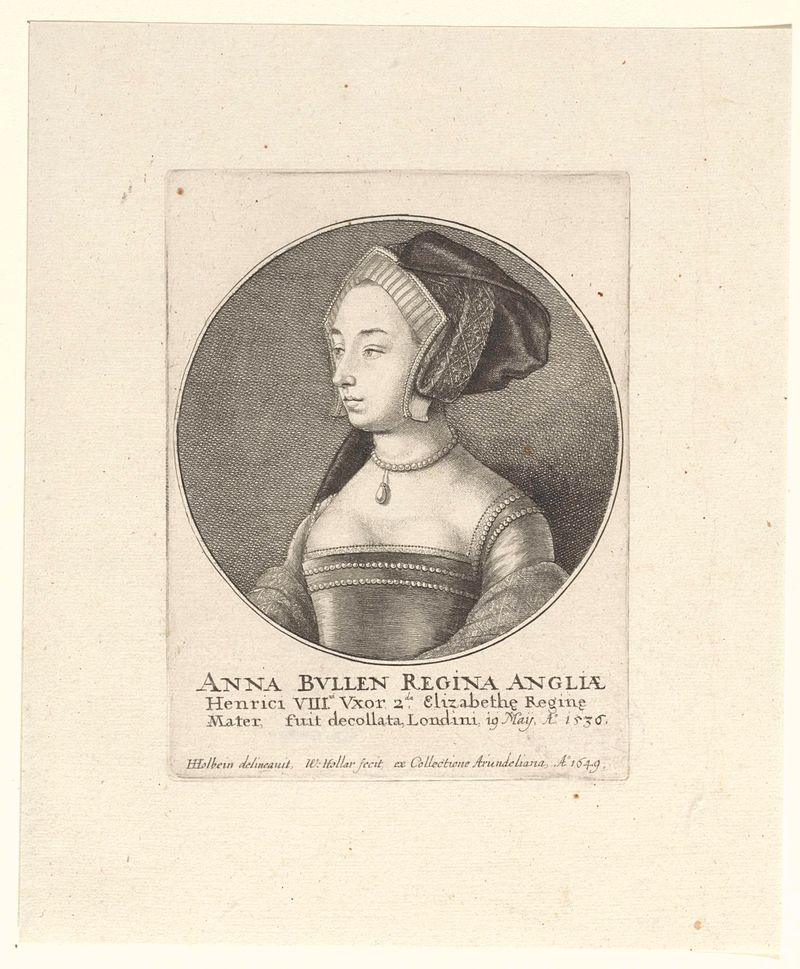
Portret van Anna Boleyn, koningin van Engeland
Wenceslaus Hollar
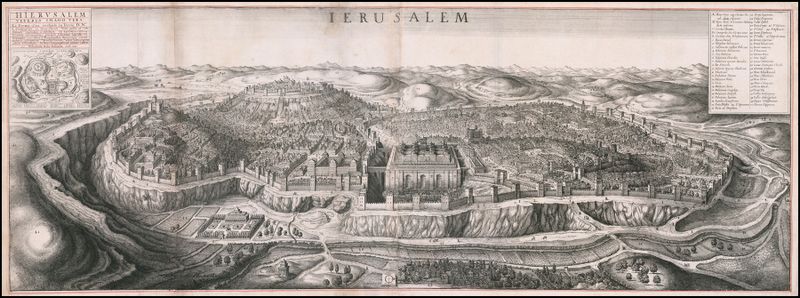
Bird’s eye view of Jerusalem
Wenceslaus Hollar
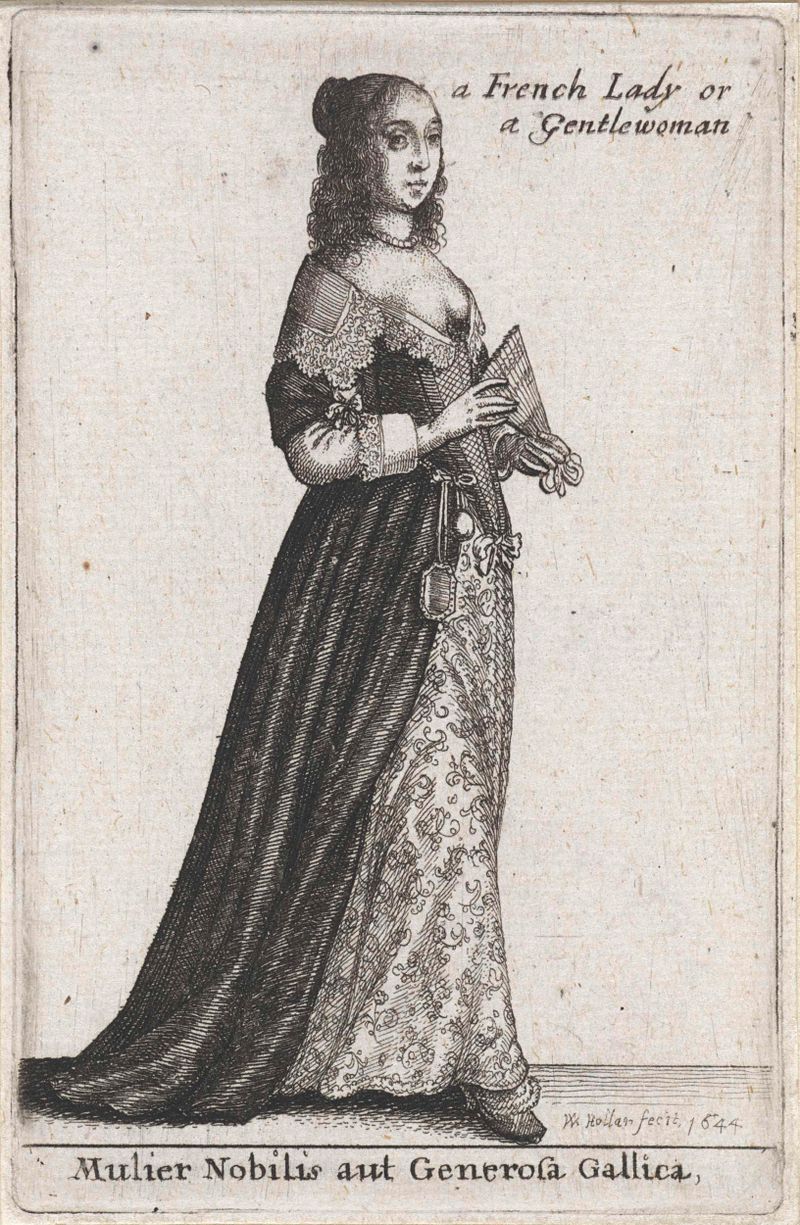
Mulier Nobilis aut Generosa Gallica / a French Lady or Gentlewoman
Wenceslaus Hollar
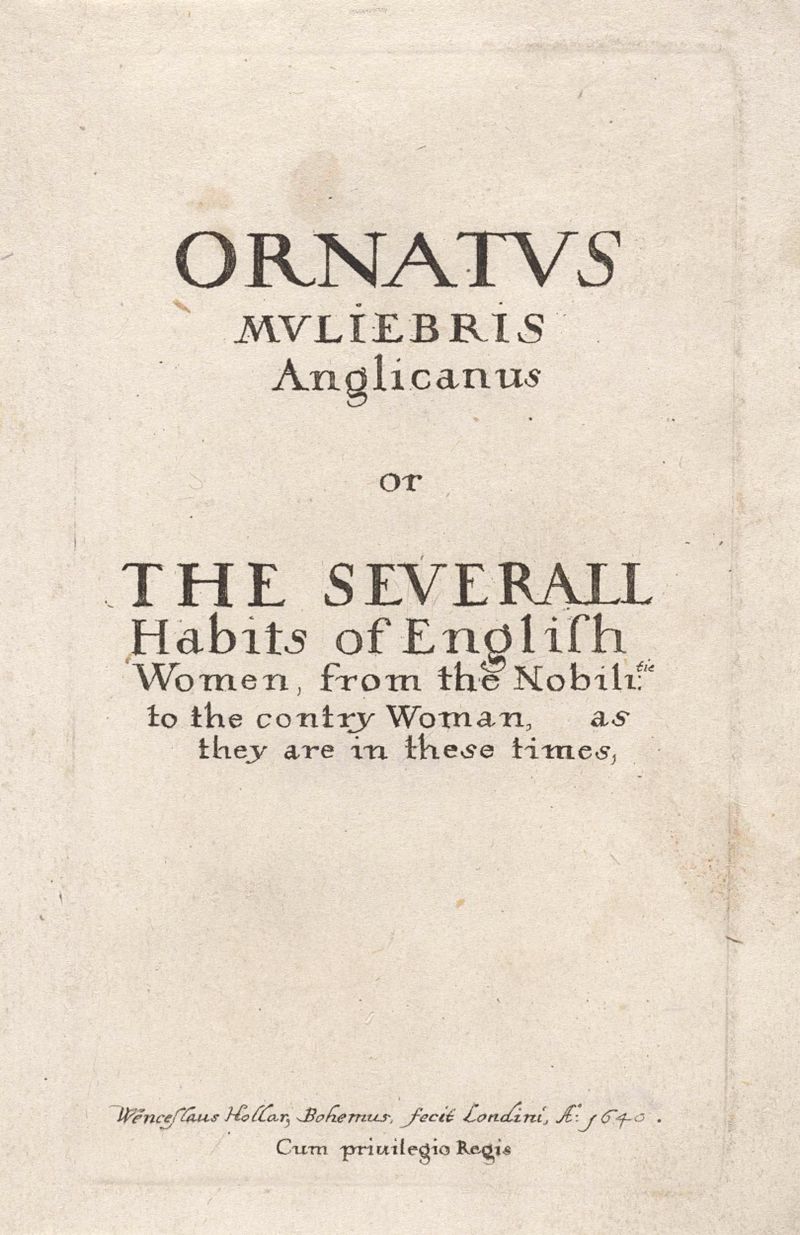
Titelprent voor: Ornatus Muliebris Anglicanus
Wenceslaus Hollar
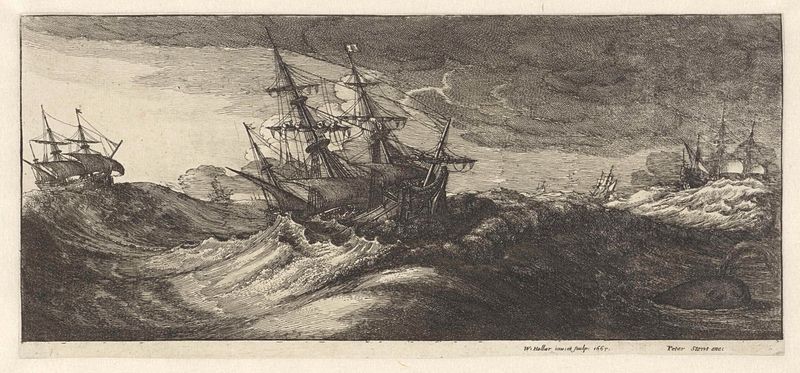
Oorlogsschepen en een walvis in een zeestorm
Wenceslaus Hollar
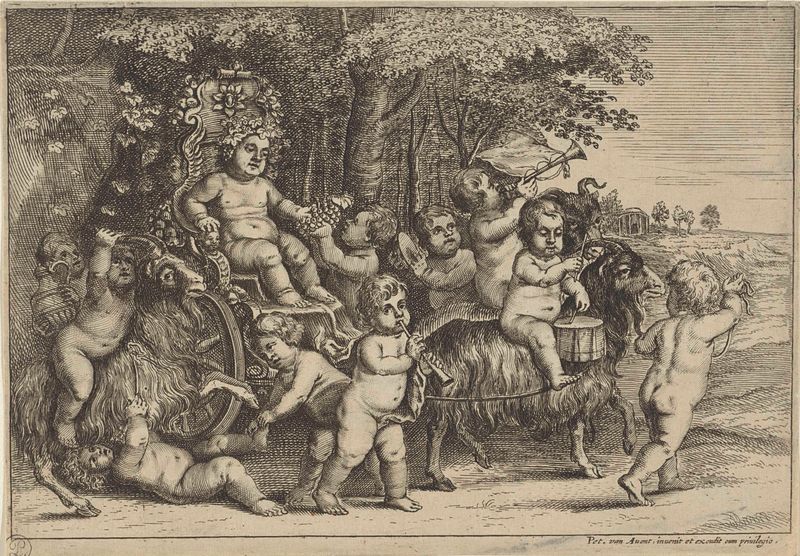
Optocht van bacchant en jongetjes op geiten
Wenceslaus Hollar
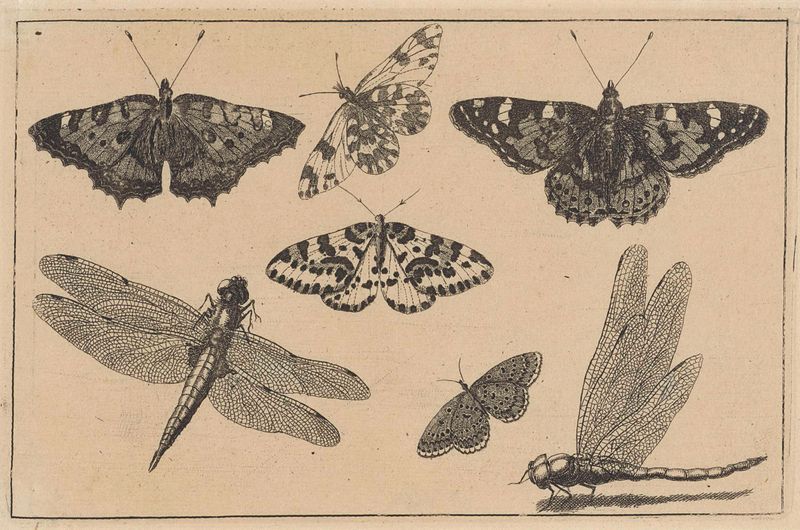
Twee libellen en vijf vlinders
Wenceslaus Hollar
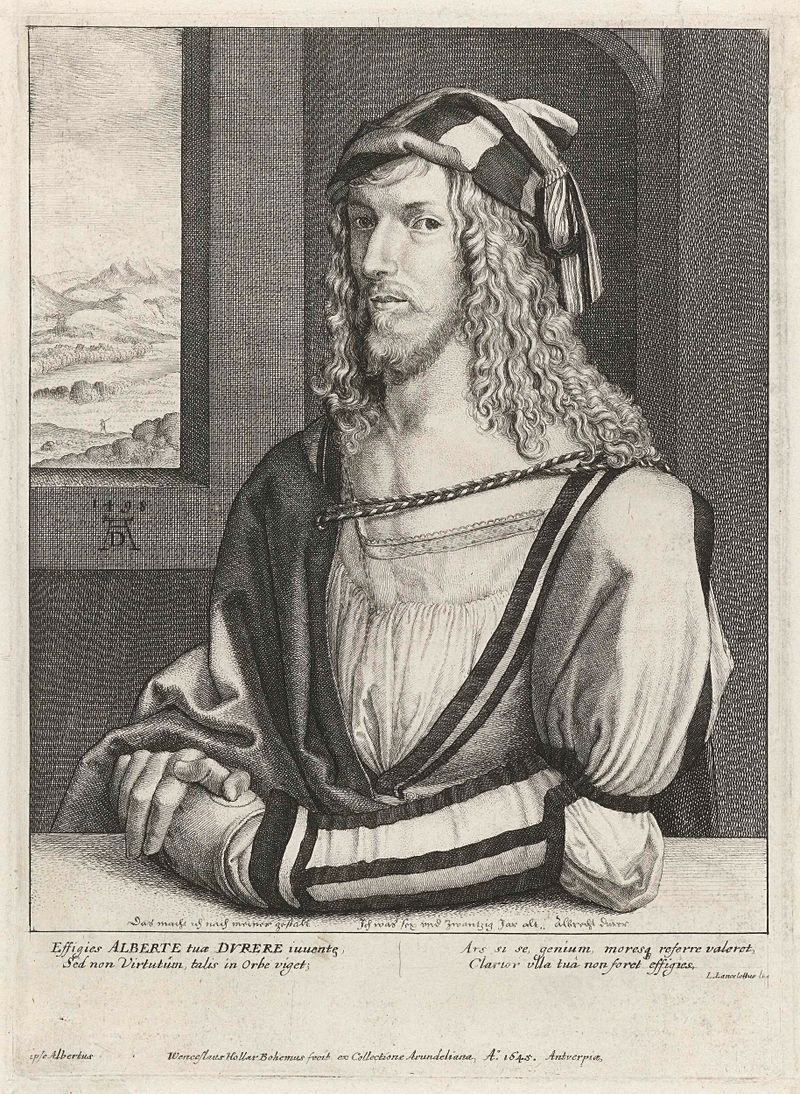
Portret van Albrecht Dürer
Wenceslaus Hollar
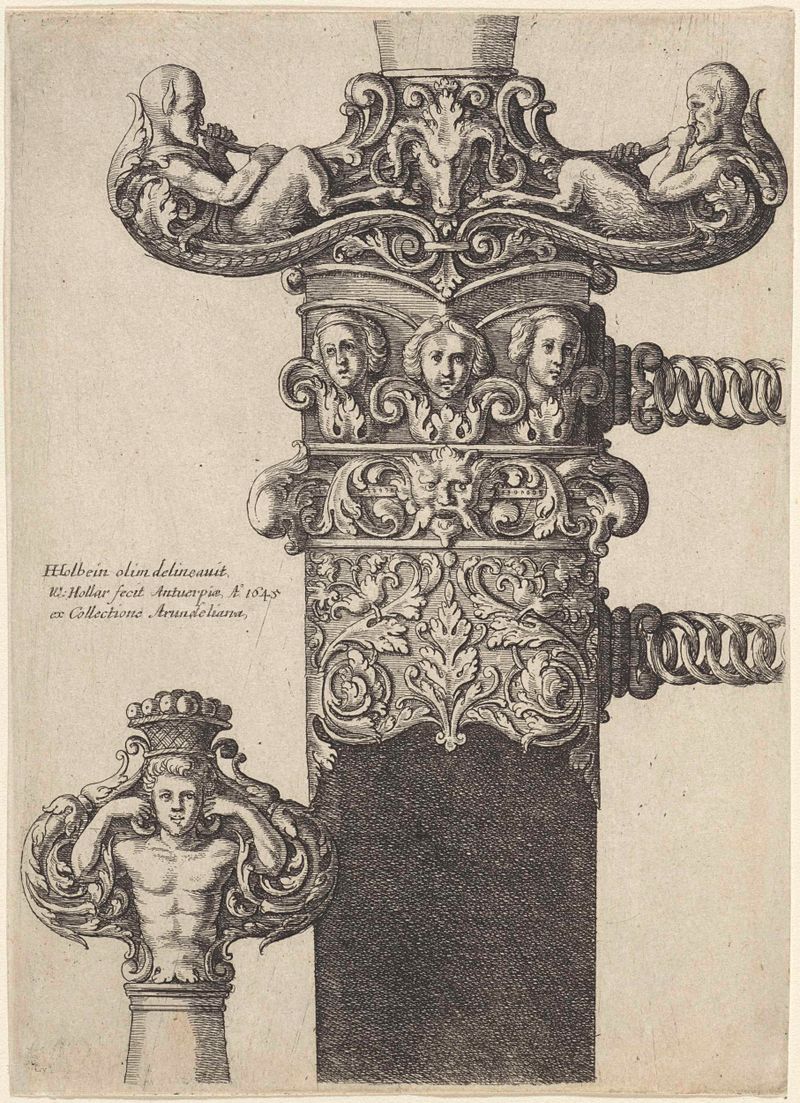
Ornamenteel ontwerp voor een dolk
Wenceslaus Hollar
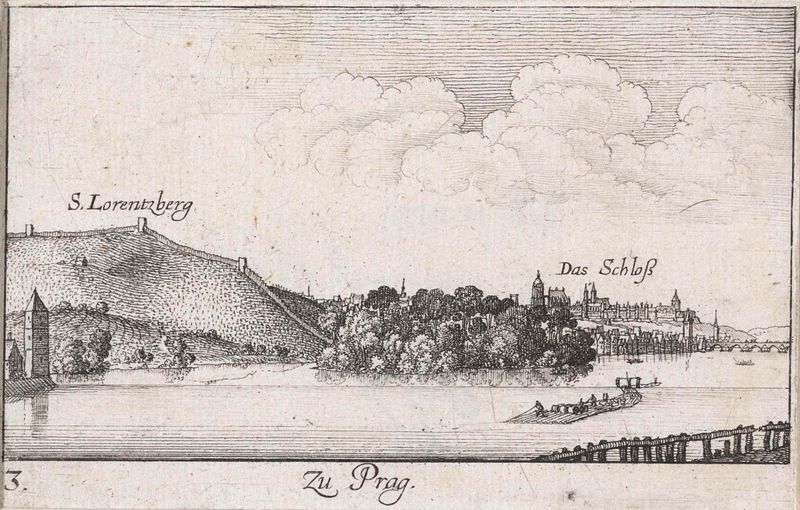
Gezicht op Praag vanaf de Moldau
Wenceslaus Hollar





