
De oude man en de Dood — History & Facts
Is this a mirror — or a memory? In De oude man en de Dood, the boundary between life and mortality becomes a poignant riddle, inviting us to confront our deepest truths. Begin by looking to the left at the frail figure of the elderly man, his posture bent yet dignified. Hollar’s delicate etching captures the intricate lines of age on the man’s face, each wrinkle a testament to a life fully lived. Notice the interplay of shadow and light across the composition; there’s an ethereal quality that contrasts the somber figure against the looming presence of death, represented as a shadowy specter beside him.
The muted tones add gravity, allowing the viewer to feel the weight of the moment — a gentle reminder of our own mortality. The emotional tension in this artwork lies in the connection between the man and the figure of Death. The old man's gaze, filled with a mixture of resignation and acceptance, speaks volumes about the inevitability of fate. The juxtaposition of life and death creates a haunting dialogue, suggesting that ecstasy and despair often coexist in the human experience.
This subtle yet powerful contrast invites contemplation on the fleeting nature of existence and the wisdom that often accompanies aging. Wenceslaus Hollar created this work around 1680, during a time marked by significant artistic and philosophical shifts in Europe. As a renowned printmaker in the Baroque style, Hollar was deeply influenced by the themes of mortality and the human condition. His experiences as a refugee during the Thirty Years' War and his travels across the continent enriched his artistic perspective, making De oude man en de Dood a profound reflection on the relationship between life and the ever-present specter of death.
More Artworks by Wenceslaus Hollar
Browse all →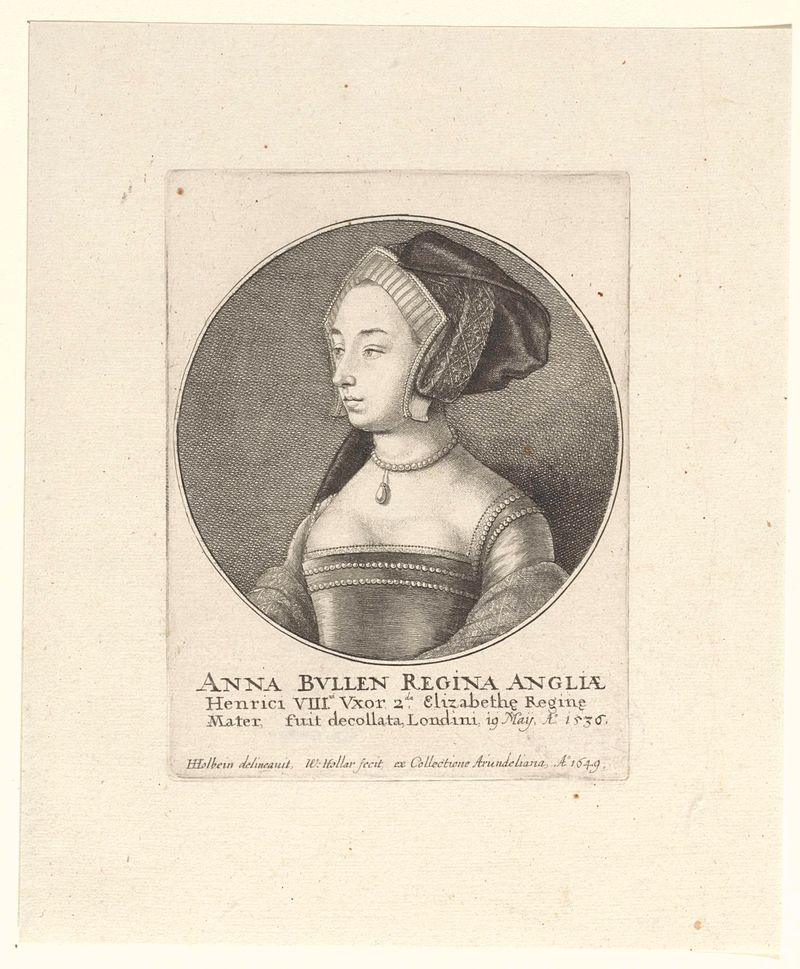
Portret van Anna Boleyn, koningin van Engeland
Wenceslaus Hollar
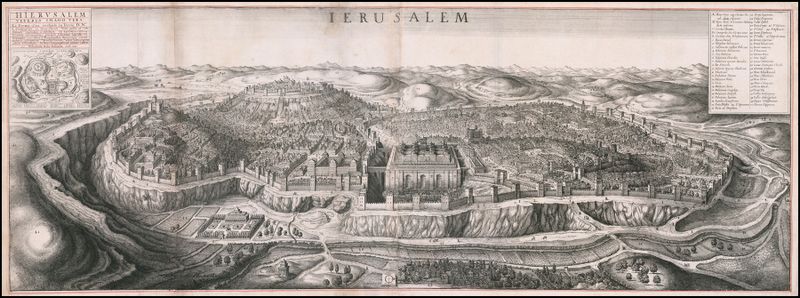
Bird’s eye view of Jerusalem
Wenceslaus Hollar
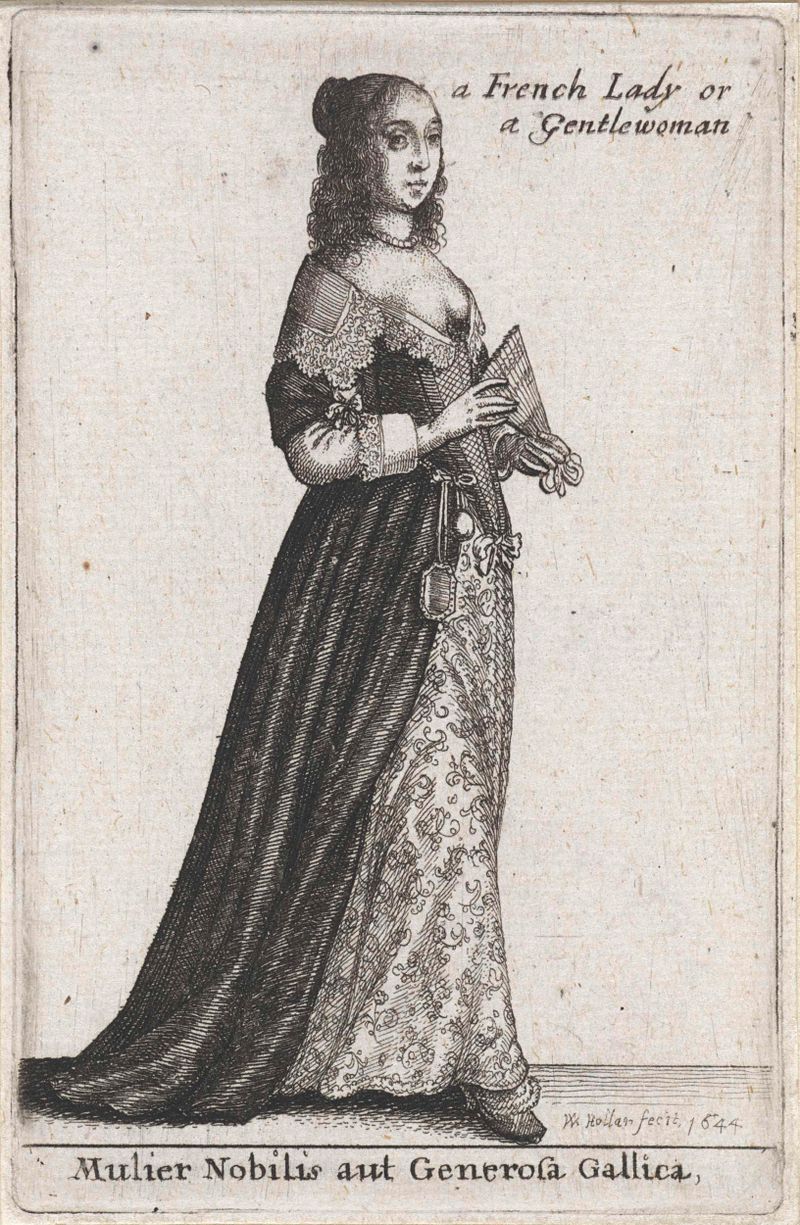
Mulier Nobilis aut Generosa Gallica / a French Lady or Gentlewoman
Wenceslaus Hollar
Titelprent voor: Ornatus Muliebris Anglicanus
Wenceslaus Hollar
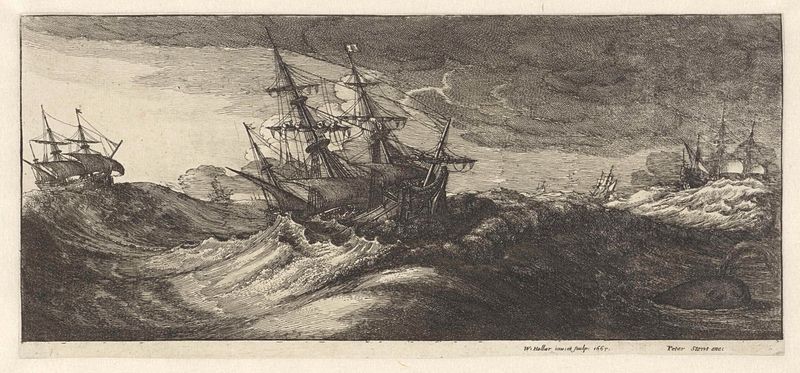
Oorlogsschepen en een walvis in een zeestorm
Wenceslaus Hollar
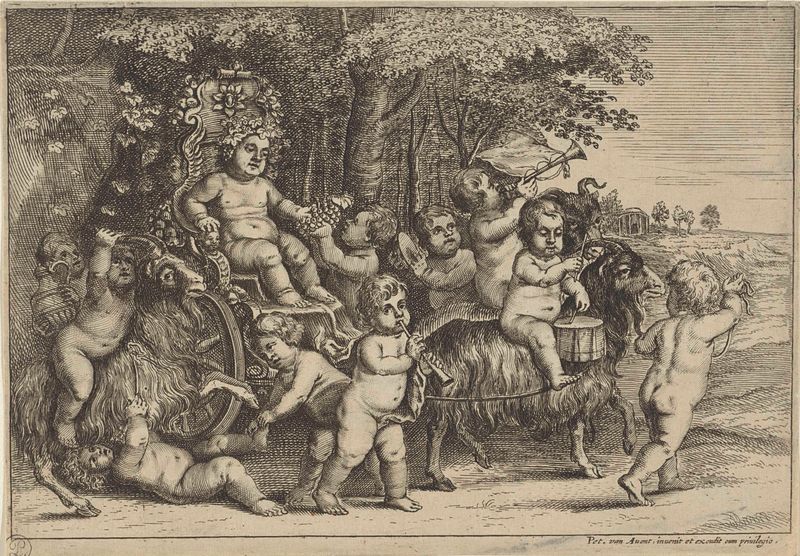
Optocht van bacchant en jongetjes op geiten
Wenceslaus Hollar
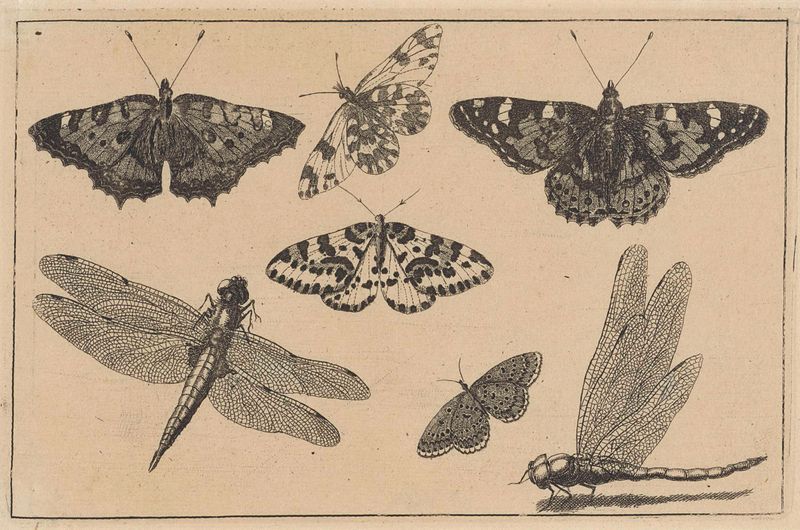
Twee libellen en vijf vlinders
Wenceslaus Hollar
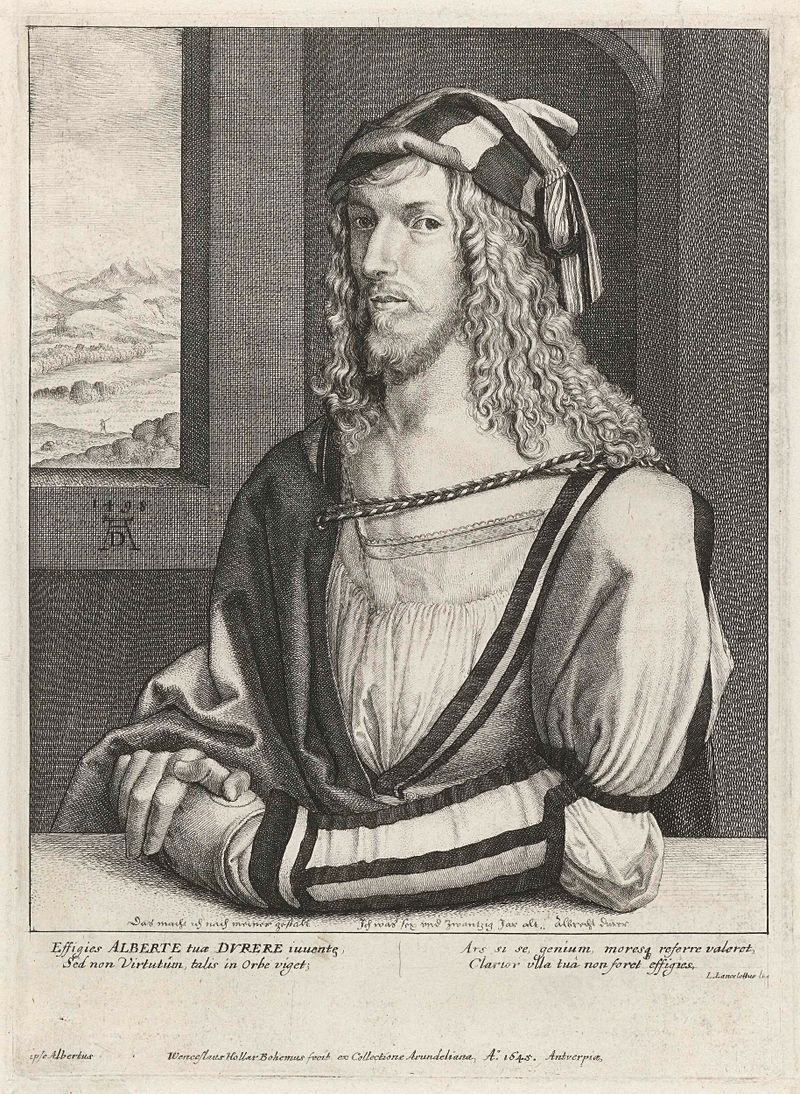
Portret van Albrecht Dürer
Wenceslaus Hollar
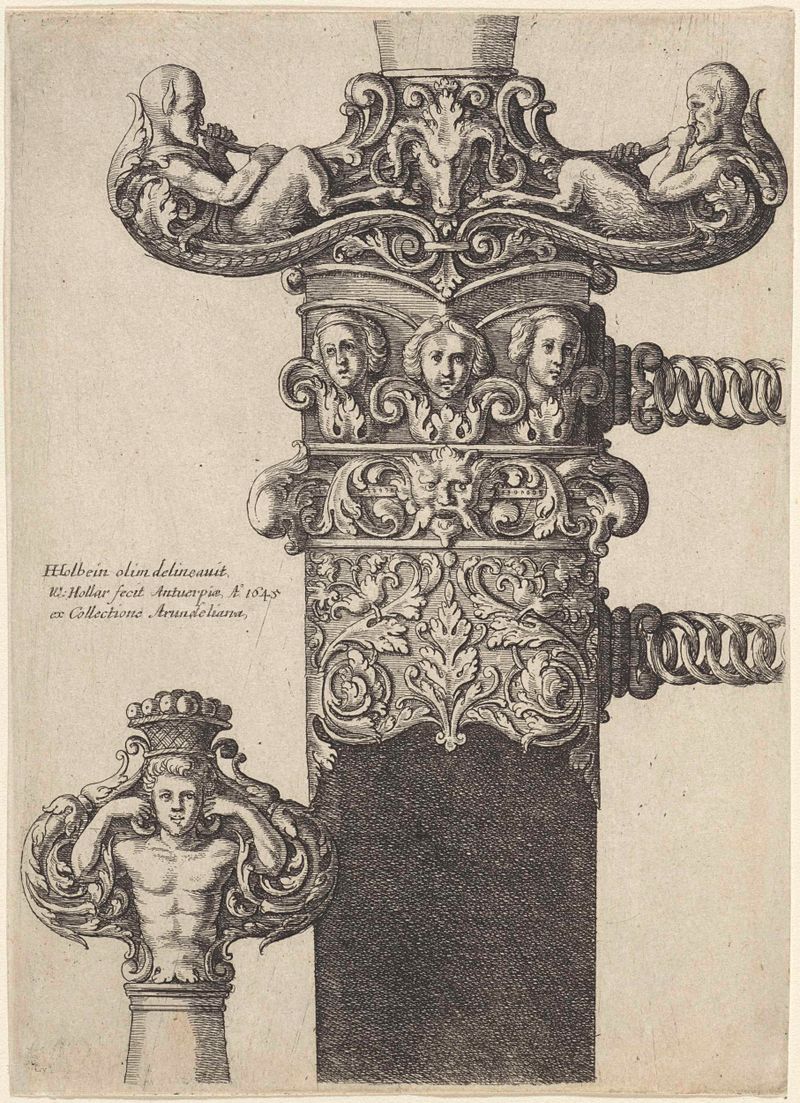
Ornamenteel ontwerp voor een dolk
Wenceslaus Hollar
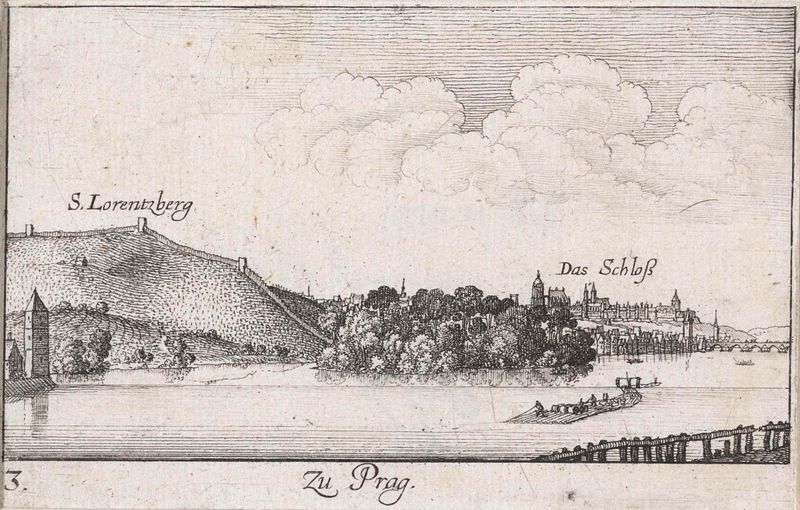
Gezicht op Praag vanaf de Moldau
Wenceslaus Hollar





