
De oude man en de Dood — History & Facts
What if beauty was never meant to be finished? In De oude man en de Dood, the tension between life and mortality unfolds, inviting contemplation on the essence of existence. The delicate yet stark lines evoke a moment suspended in time, touching upon the fragile truth that binds us all. Look to the center of the composition where the old man stands, his visage etched with the weight of years, expressing vulnerability and resignation. Notice how the play of light accentuates the contours of his face, contrasting with the shadowy figure of Death looming behind him.
The artist employs a muted palette, using dark tones to evoke a sense of foreboding, while precise engravings give the illusion of depth, creating a haunting atmosphere that pulls the viewer into the scene. Beneath the surface of this encounter lies a profound emotional tension: the old man’s frailty against the relentless inevitability symbolized by Death. The juxtaposition of their figures accentuates the universal struggle between life and its inevitable end. The details in their expressions and postures convey a silent dialogue—one of acceptance, fear, and the search for meaning in the face of the ultimate truth. Wenceslaus Hollar created this piece in 1651, during a turbulent period in Europe marked by the Thirty Years’ War and the resulting socio-political unrest.
Working primarily in Prague and later in London, Hollar, a master of engraving, used this artwork to explore themes of mortality and existential despair, reflecting his own experiences of loss and the transient nature of life amid the chaos surrounding him.
More Artworks by Wenceslaus Hollar
Browse all →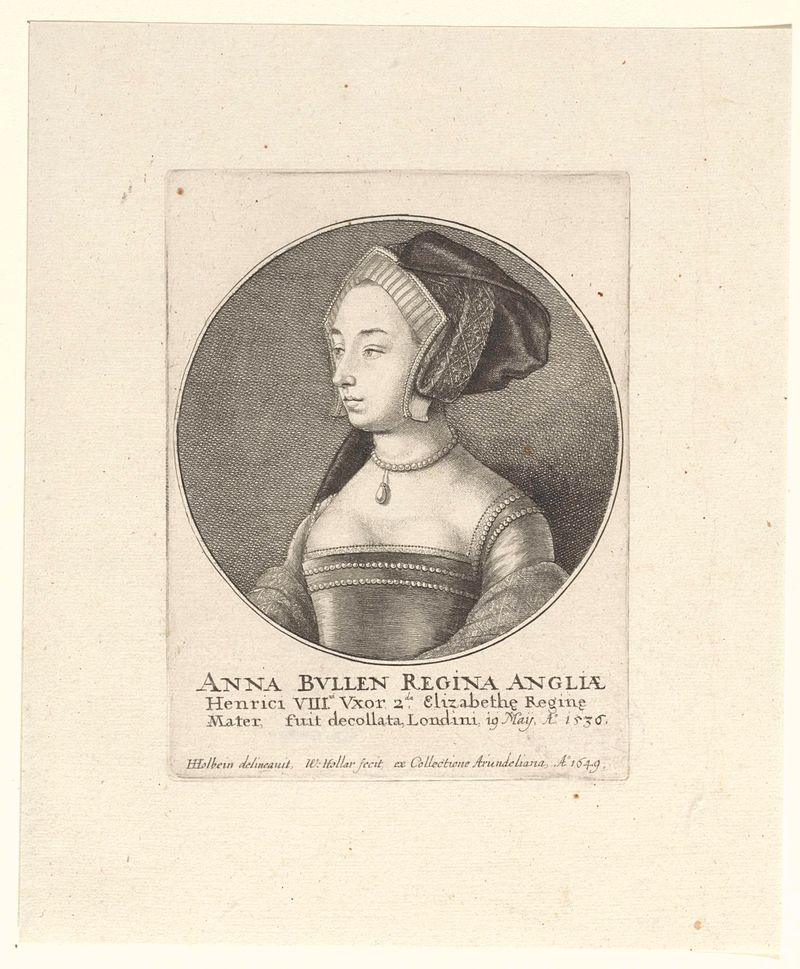
Portret van Anna Boleyn, koningin van Engeland
Wenceslaus Hollar
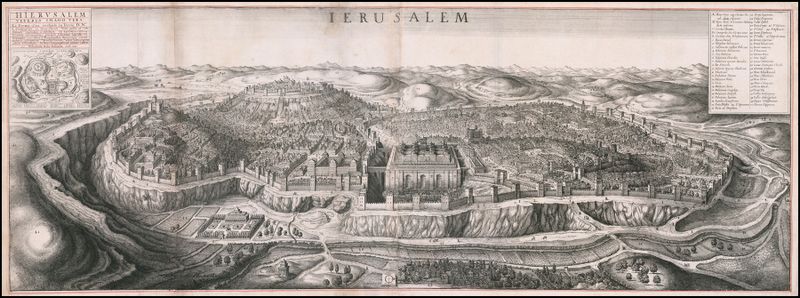
Bird’s eye view of Jerusalem
Wenceslaus Hollar
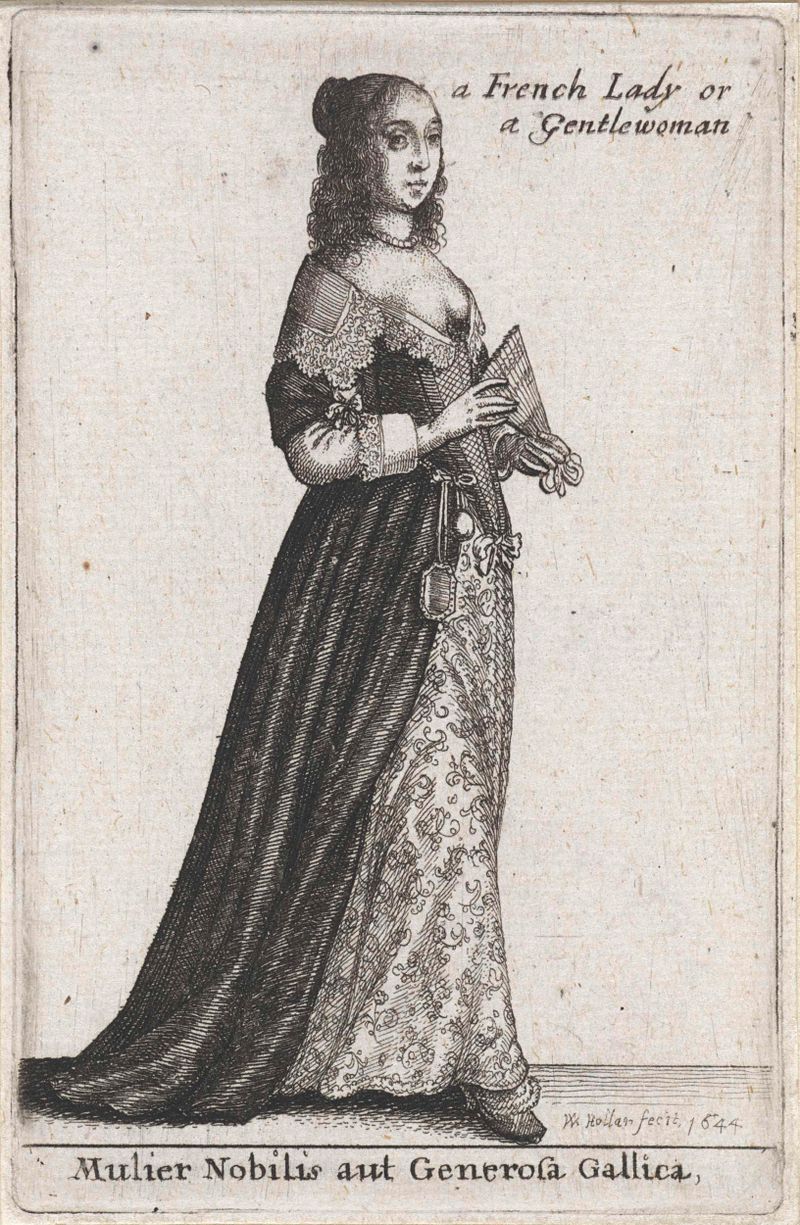
Mulier Nobilis aut Generosa Gallica / a French Lady or Gentlewoman
Wenceslaus Hollar
Titelprent voor: Ornatus Muliebris Anglicanus
Wenceslaus Hollar
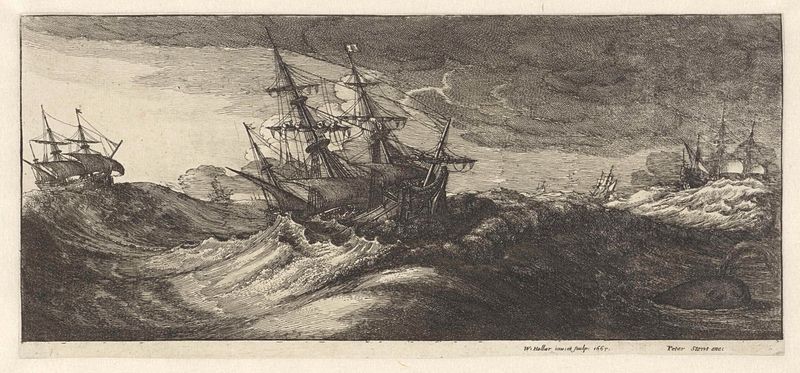
Oorlogsschepen en een walvis in een zeestorm
Wenceslaus Hollar
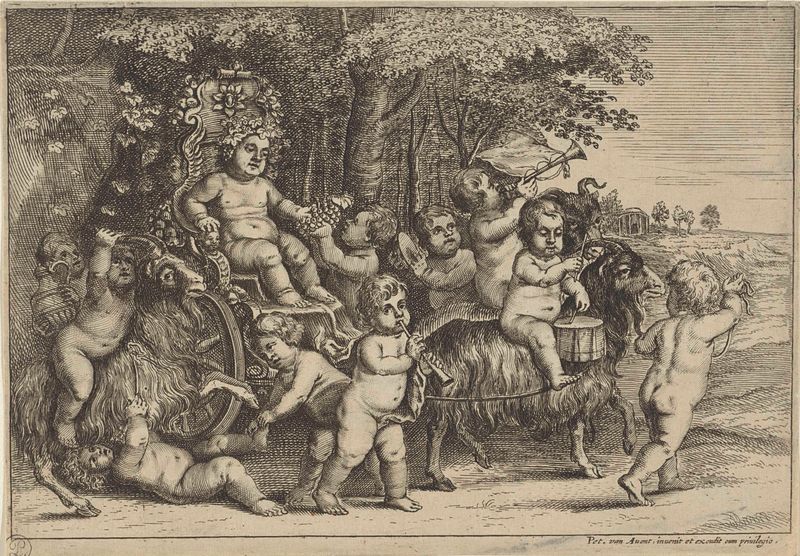
Optocht van bacchant en jongetjes op geiten
Wenceslaus Hollar
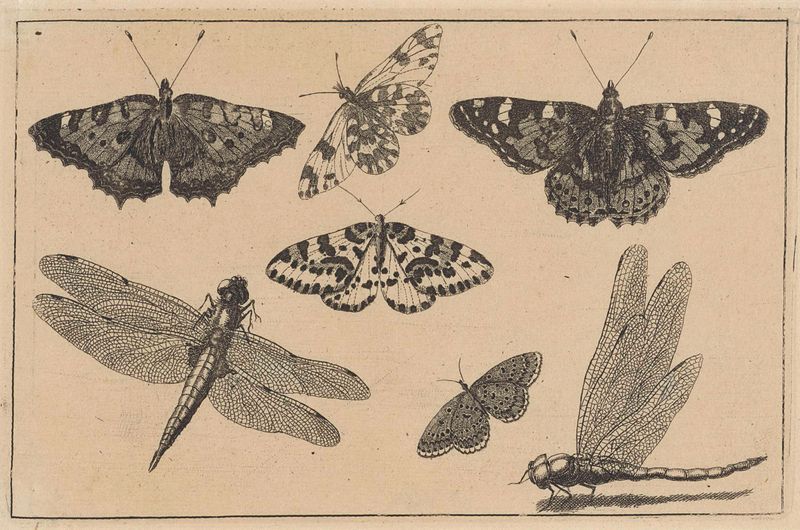
Twee libellen en vijf vlinders
Wenceslaus Hollar
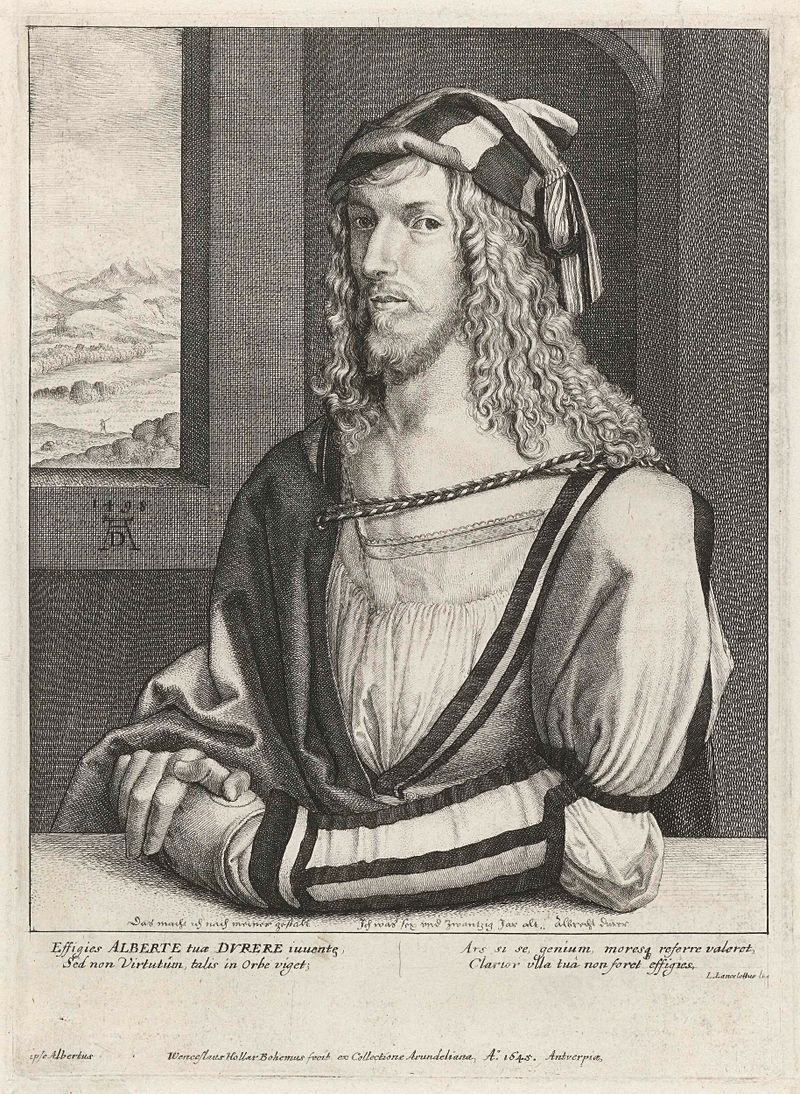
Portret van Albrecht Dürer
Wenceslaus Hollar
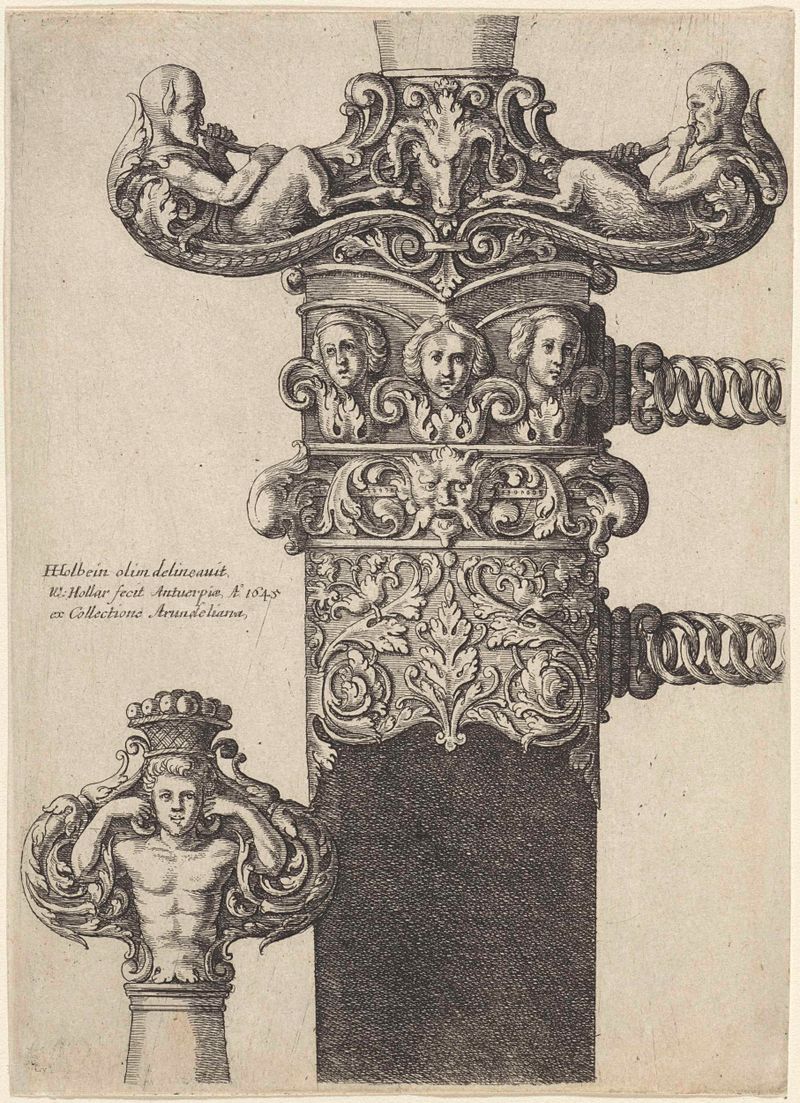
Ornamenteel ontwerp voor een dolk
Wenceslaus Hollar
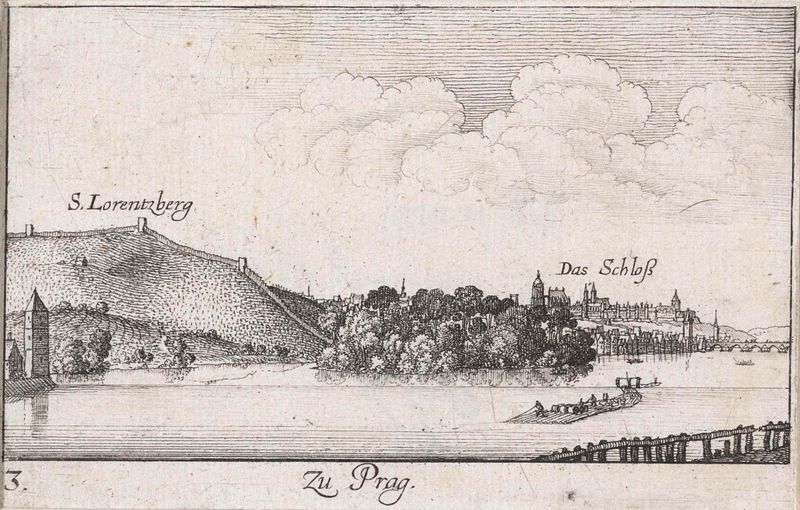
Gezicht op Praag vanaf de Moldau
Wenceslaus Hollar





