
De oude vrouw en de Dood — History & Facts
Where does light end, and longing begin? In the delicate interplay of shadow and form, De oude vrouw en de Dood transports the viewer into a world where life’s fragility confronts the inevitability of loss. Focus first on the haunting figure of the old woman, her gnarled hands clasped tightly in front of her. The soft, muted tones of her attire blend seamlessly with the subtle gradients of gray that envelop her. Notice how the light illuminates her face, casting gentle shadows that accentuate the deep lines etched by time, invoking both wisdom and weariness.
Behind her, the specter of Death stands poised, a stark contrast in dark, ominous hues, creating a palpable tension that pulses through the composition. The juxtaposition of the two figures speaks volumes about the human condition. The old woman, embodying the weight of her years, grapples with the reality of her mortality, while Death looms not as a mere end, but as a presence that evokes both fear and acceptance. Their proximity suggests a complex relationship, one filled with unspoken emotions and the inevitability of fate.
The delicate balance between light and shadow not only enhances the figures but also mirrors the nuances of life itself, where every moment is tinged with the awareness of loss. Wenceslaus Hollar painted this poignant piece around 1680, during a time marked by personal upheaval and significant shifts in the European artistic landscape. Living in London after fleeing the Thirty Years' War, Hollar experienced both the vibrancy and turmoil of a city undergoing transformation. This period in his life, rife with change and uncertainty, undoubtedly informed his exploration of themes surrounding mortality and the human experience, culminating in this haunting reflection on the interplay between life and death.
More Artworks by Wenceslaus Hollar
Browse all →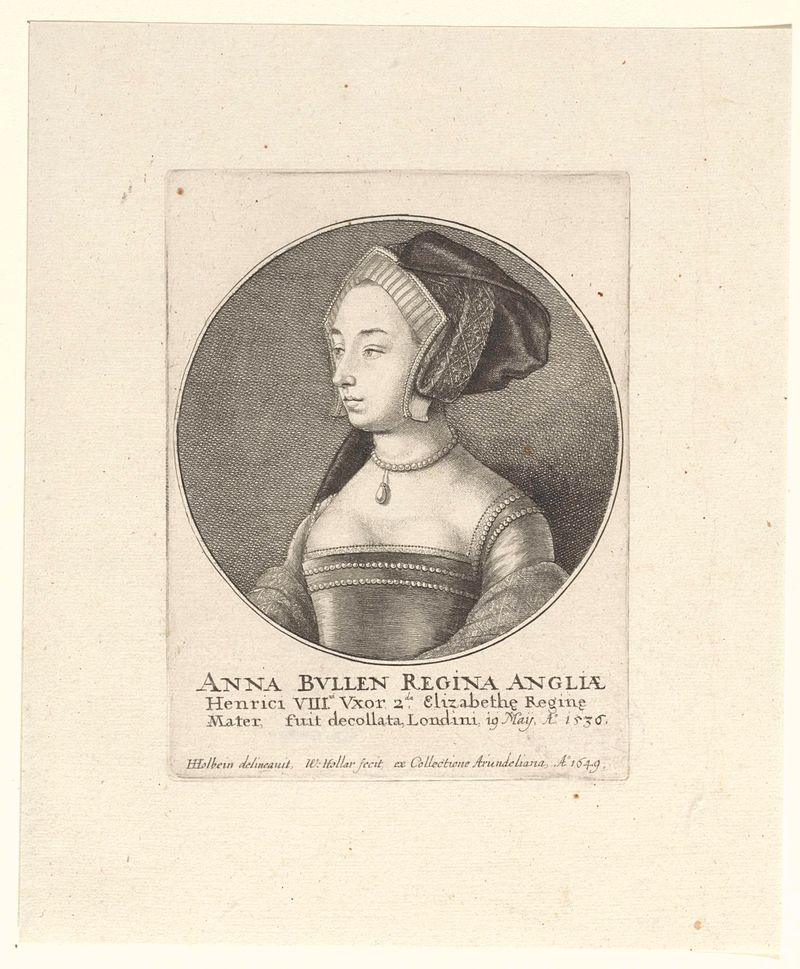
Portret van Anna Boleyn, koningin van Engeland
Wenceslaus Hollar
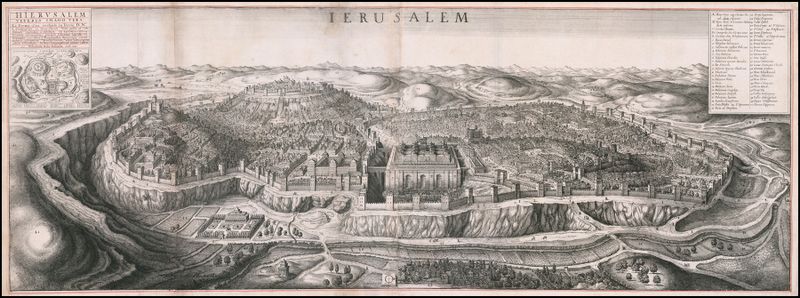
Bird’s eye view of Jerusalem
Wenceslaus Hollar
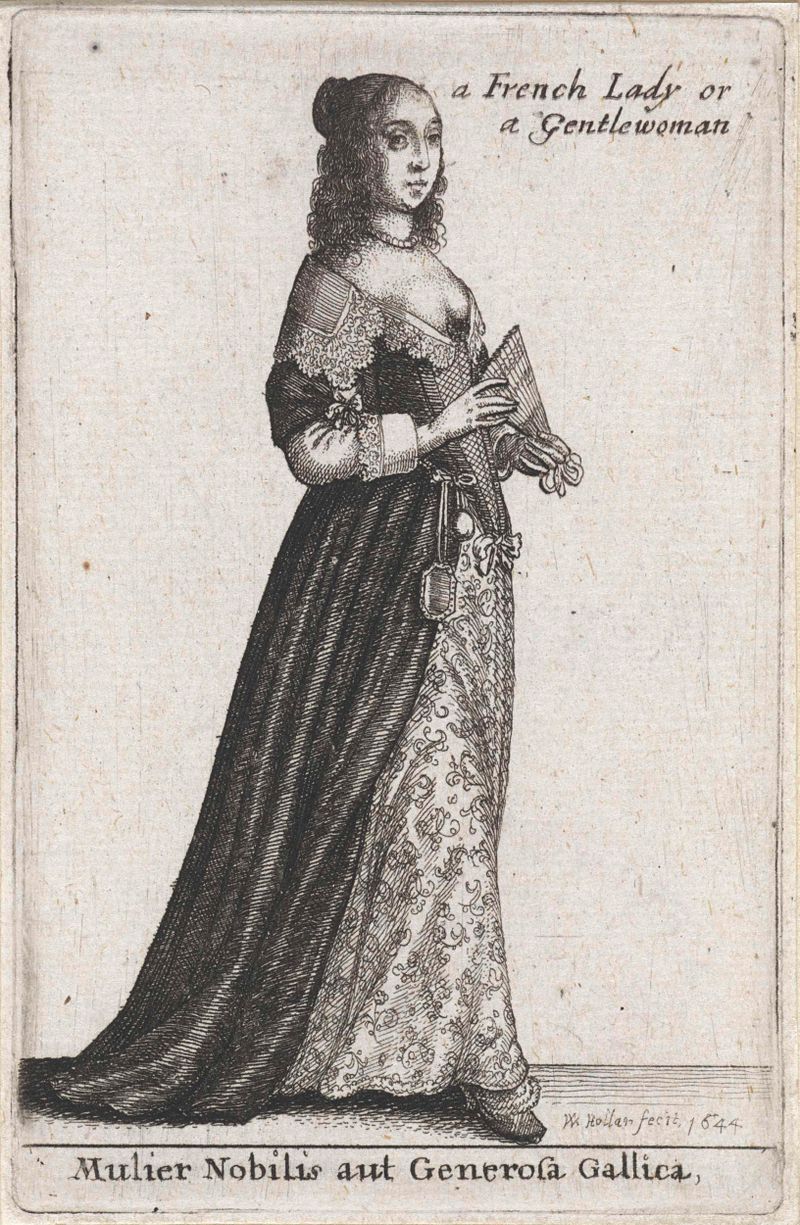
Mulier Nobilis aut Generosa Gallica / a French Lady or Gentlewoman
Wenceslaus Hollar
Titelprent voor: Ornatus Muliebris Anglicanus
Wenceslaus Hollar
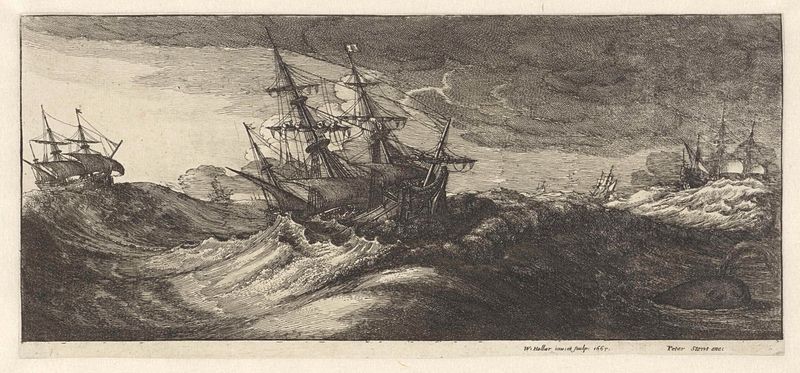
Oorlogsschepen en een walvis in een zeestorm
Wenceslaus Hollar
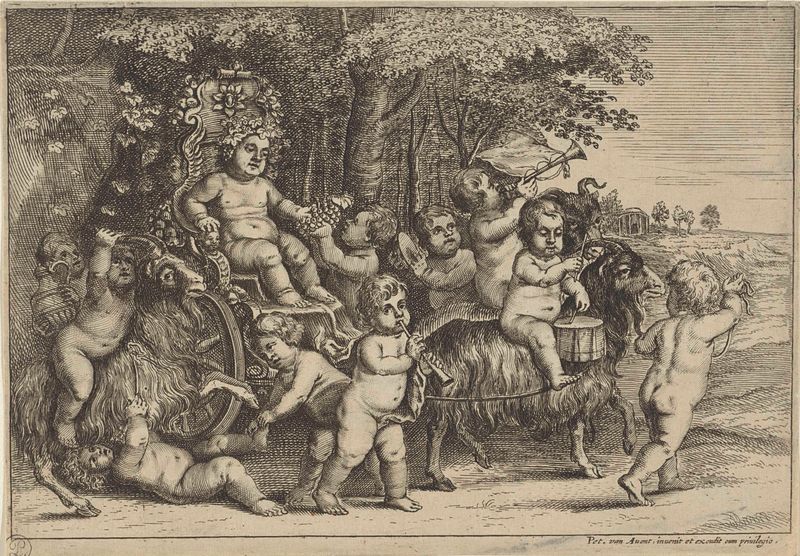
Optocht van bacchant en jongetjes op geiten
Wenceslaus Hollar
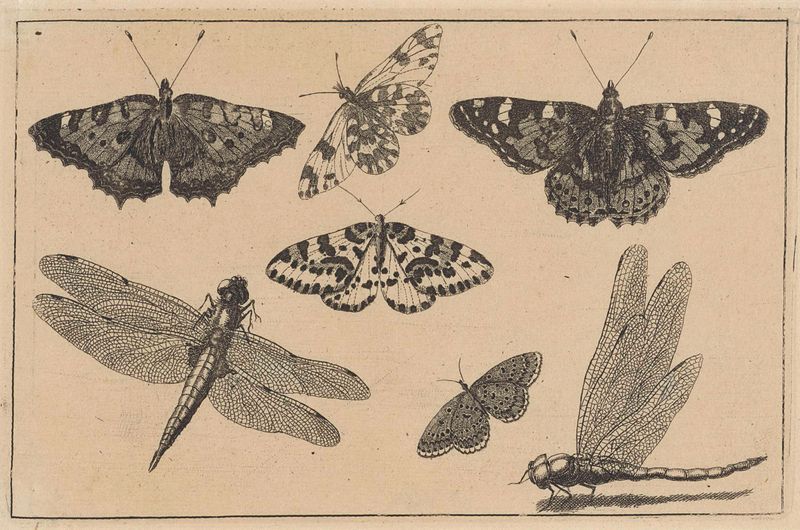
Twee libellen en vijf vlinders
Wenceslaus Hollar
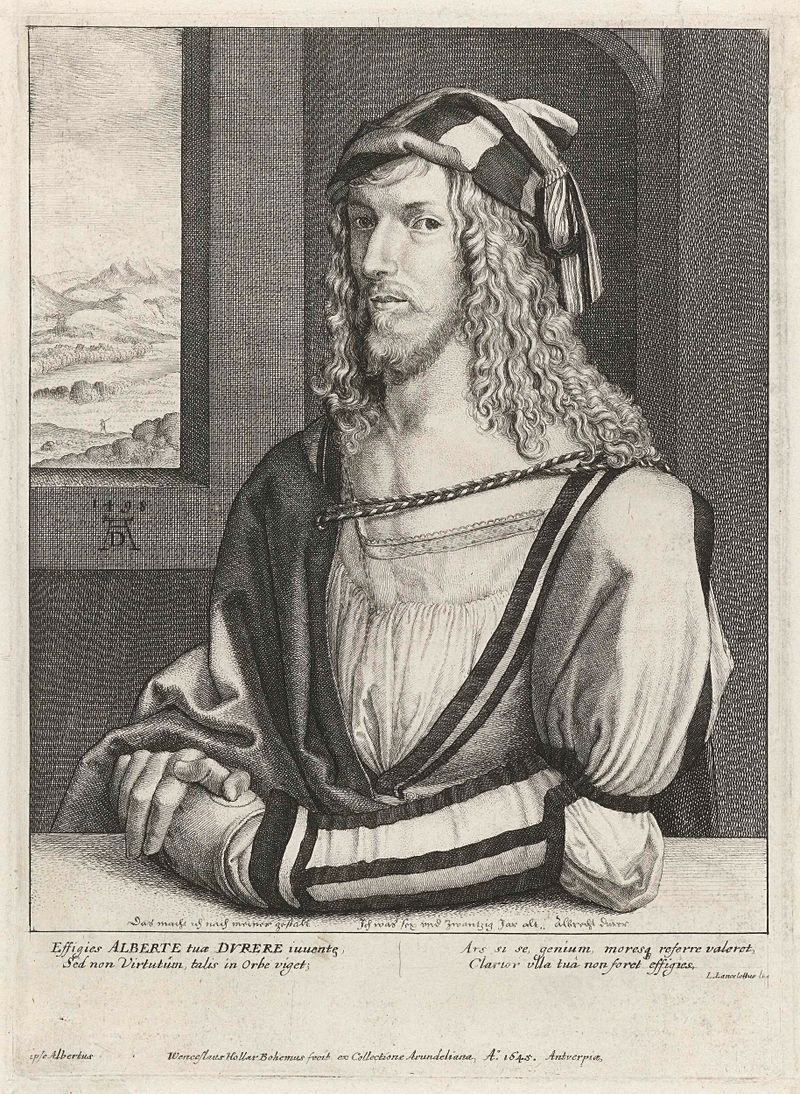
Portret van Albrecht Dürer
Wenceslaus Hollar
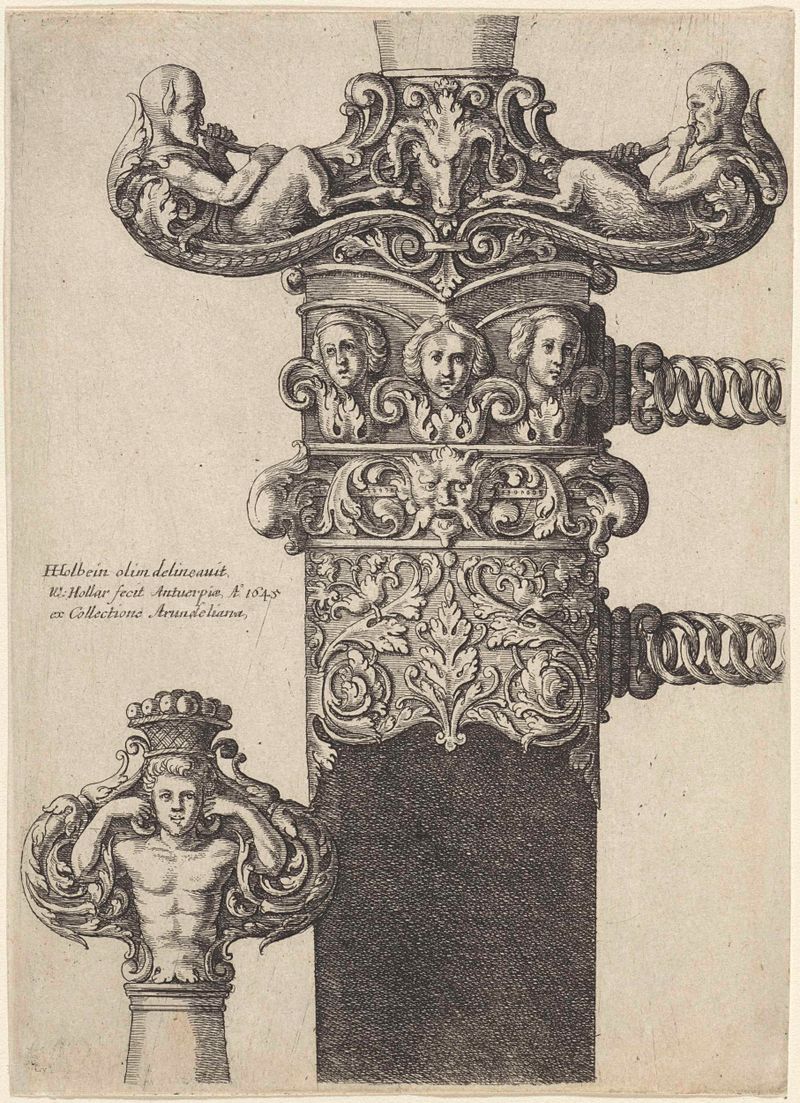
Ornamenteel ontwerp voor een dolk
Wenceslaus Hollar
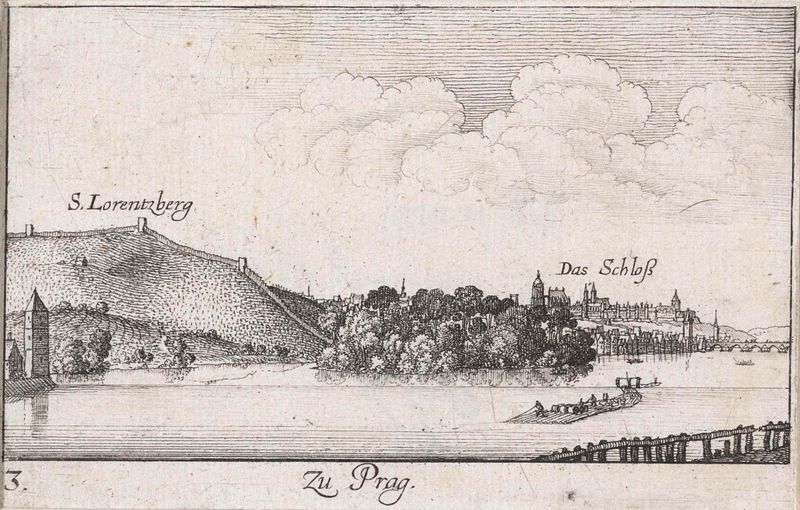
Gezicht op Praag vanaf de Moldau
Wenceslaus Hollar





