
De Prins Hendrik Kade te Amsterdam — History & Facts
As the world shifts beneath our feet, the brush becomes a testament to both change and continuity. Look to the lower left corner, where a tranquil canal reflects the soft hues of twilight. The water glimmers with hints of gold and deep azure, while the architecture along the banks stands stoically, a resilient witness to the passage of time. Notice how the light dances across the scene, casting elongated shadows that evoke a sense of longing, as if the buildings themselves yearn to whisper untold stories to the viewer. Delve deeper into the composition, and you may feel an undercurrent of revolution—both literal and metaphorical.
The juxtaposition of the serene water and the sturdy structures hints at the tension between tranquility and the inevitability of change. The brushstrokes, though delicate, carry a weight that suggests a longing for a past that is slipping away, entangled within the present. Each detail, from the rippling water to the distant horizon, echoes the fragility of moments caught in the flow of time. Wenckebach painted this piece in the early 20th century, a time when the art world was undergoing dramatic transformations.
Living in Amsterdam, he was influenced by the shifting societal landscape marked by modernity and the echoes of war. His work reflects a period of both introspection and dynamism, capturing the essence of a city that, like the painting itself, is caught between nostalgia and the potential of what lies ahead.
More Artworks by Willem Wenckebach
Browse all →
Bakkersgang te Amsterdam
Willem Wenckebach

Oude huizen aan het Markenplein te Amsterdam
Willem Wenckebach

Oude huizen aan het Waterlooplein te Amsterdam
Willem Wenckebach
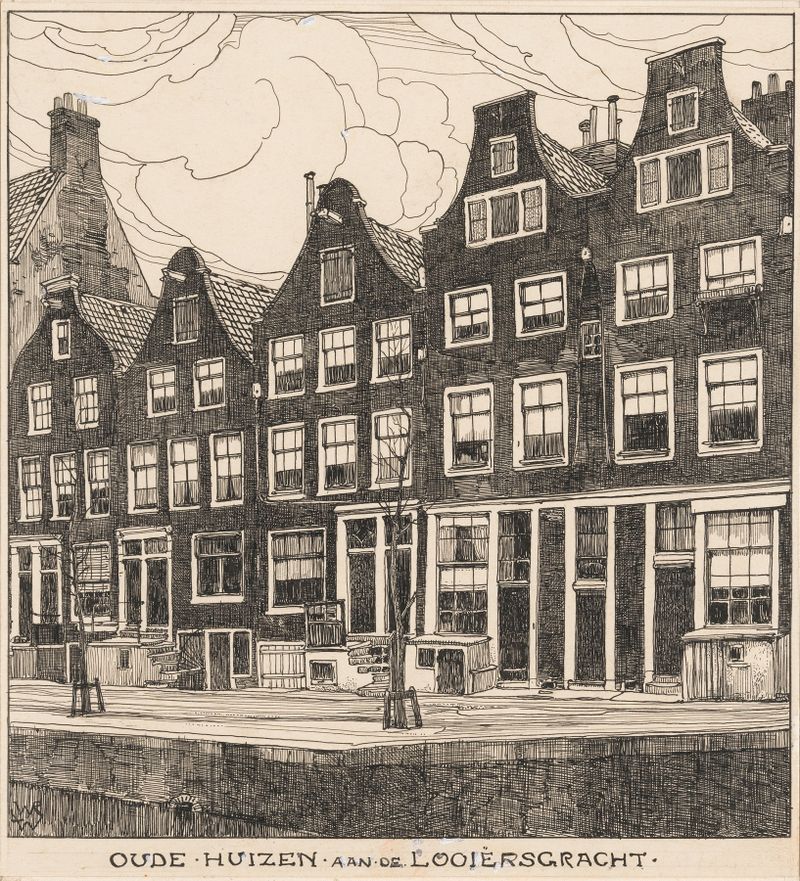
Oude huizen aan de Looiersgracht te Amsterdam
Willem Wenckebach
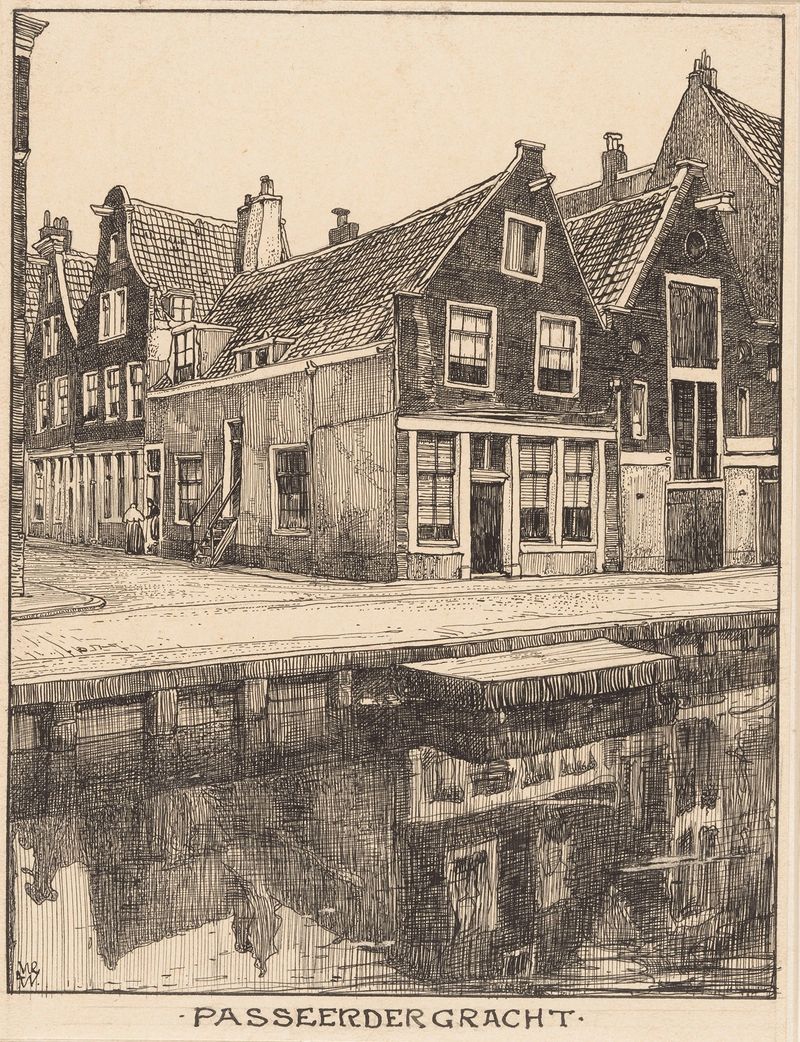
Passeerder Gracht te Amsterdam
Willem Wenckebach
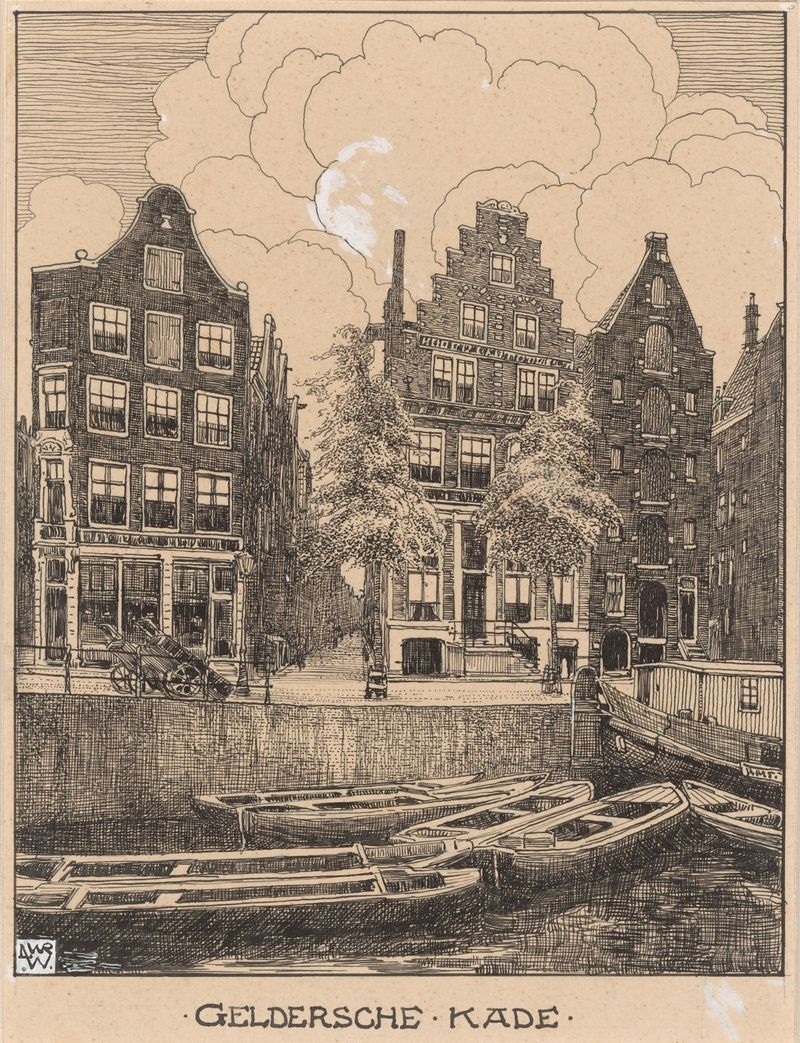
De Gelderse Kade te Amsterdam
Willem Wenckebach
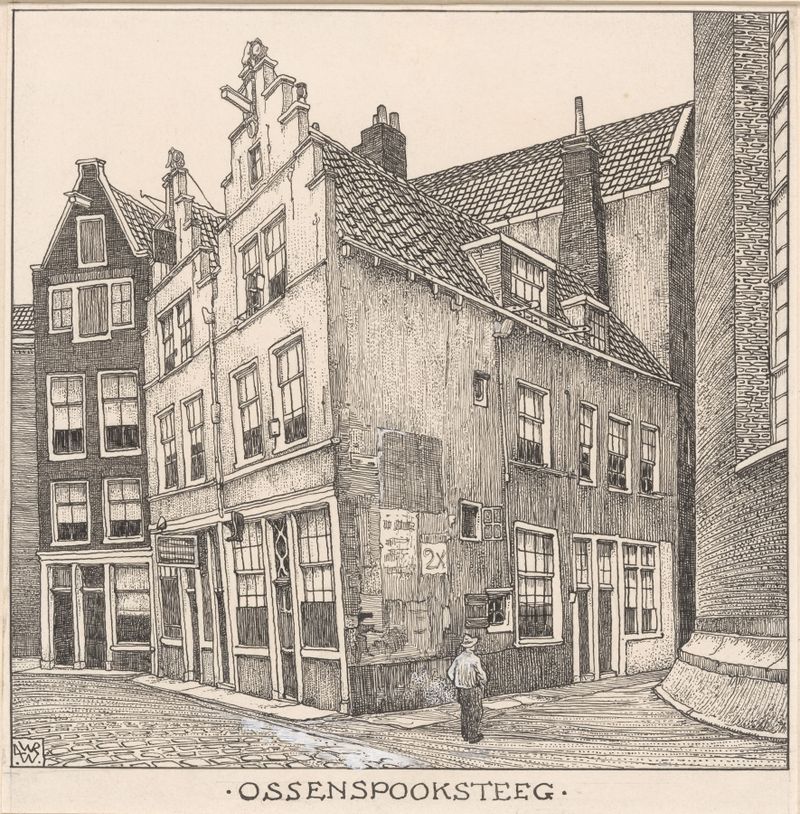
De Ossenspooksteeg te Amsterdam
Willem Wenckebach

Het Beurspleintje te Amsterdam
Willem Wenckebach
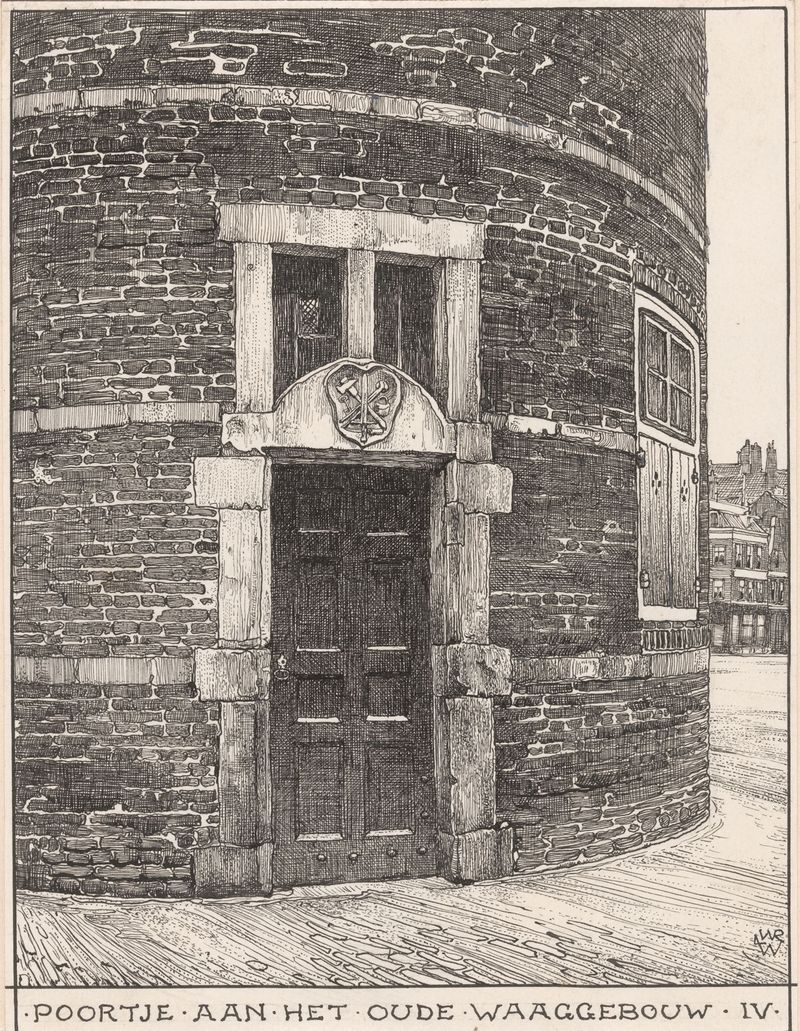
Poortje aan het oude Waaggebouw te Amsterdam
Willem Wenckebach

Torensluis te Amsterdam
Willem Wenckebach





