
De rijke man en de Dood — History & Facts
In a world thick with the innocence of unexamined lives, some encounters pierce through the mundane, revealing our deepest fears and desires. Look closely at the foreground, where the rich man leans against his opulent possessions, his expression a complex tapestry of pride, confusion, and an undeniable vulnerability. The sharp contrast between the intricate details of his luxurious attire and the ghostly figure of Death looming behind him creates a jarring tension. Notice how the muted palette envelops the darker figure, illuminating the fragility of human existence against the backdrop of wealth. The juxtaposition of opulence and mortality invites reflection on the paradox of life.
Each element—the rich man's finery, the spectral presence of Death, and the desolate void surrounding them—whispers tales of fleeting innocence and inevitable fate. This tension embodies a critique of materialism, suggesting that no amount of wealth can shield one from the inescapable truth of mortality. Wenceslaus Hollar crafted this poignant piece around 1680, during a time of social upheaval and shifting artistic paradigms in Europe. Living in the aftermath of the Thirty Years' War, Hollar grappled with themes of existence and the human condition.
His works served as both commentary and introspection, revealing the intricate interplay between life, death, and the societal values that shape our understanding of both.
More Artworks by Wenceslaus Hollar
Browse all →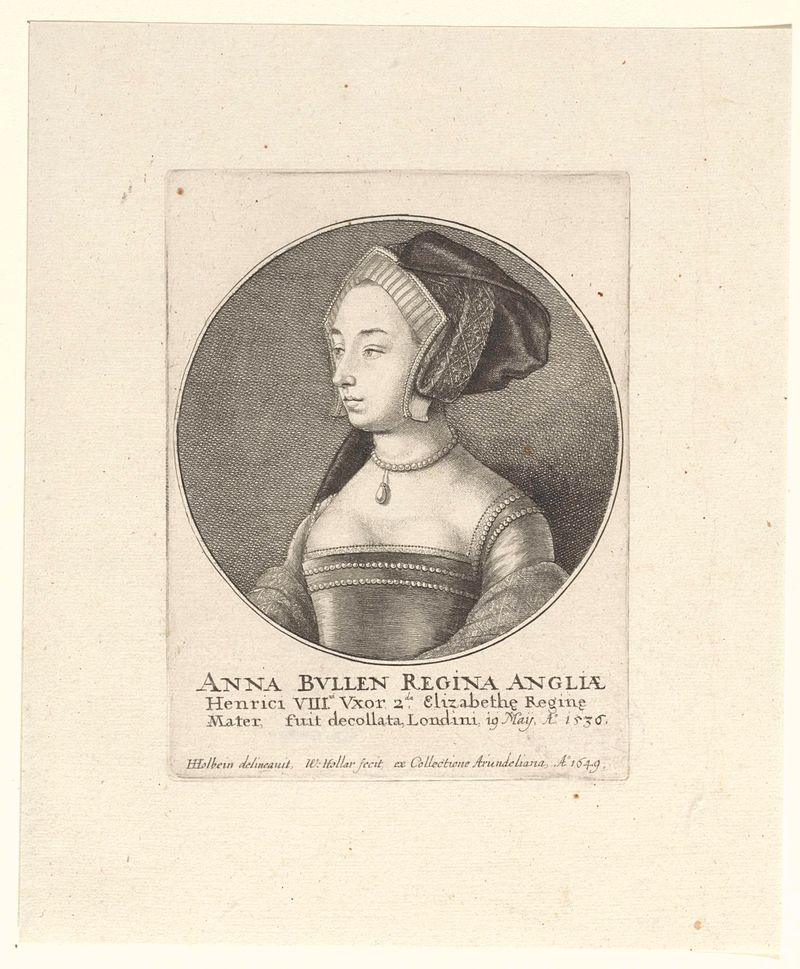
Portret van Anna Boleyn, koningin van Engeland
Wenceslaus Hollar
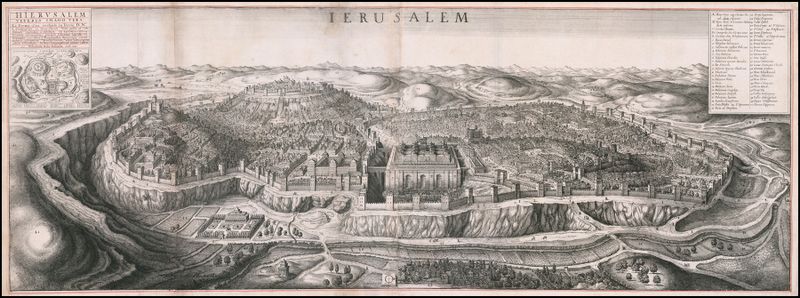
Bird’s eye view of Jerusalem
Wenceslaus Hollar
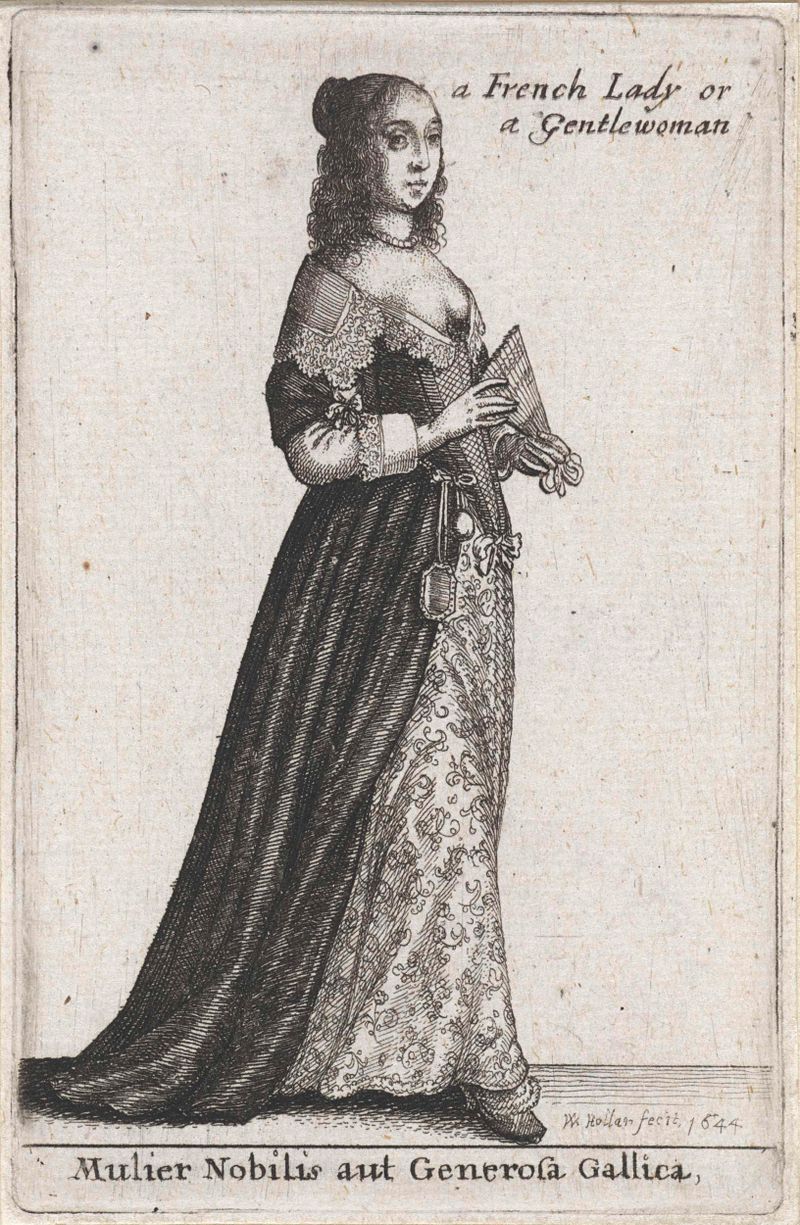
Mulier Nobilis aut Generosa Gallica / a French Lady or Gentlewoman
Wenceslaus Hollar
Titelprent voor: Ornatus Muliebris Anglicanus
Wenceslaus Hollar
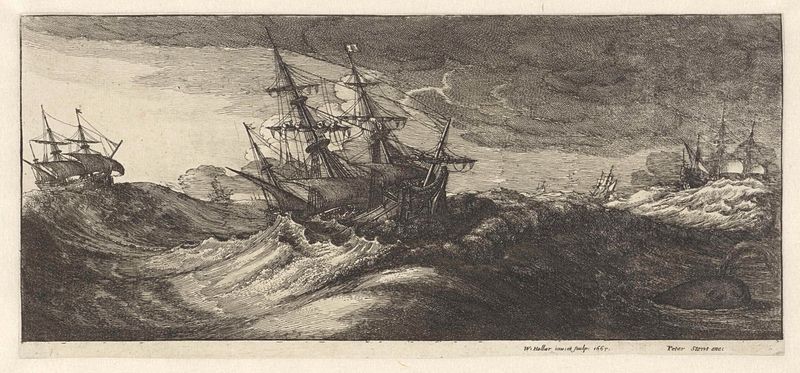
Oorlogsschepen en een walvis in een zeestorm
Wenceslaus Hollar
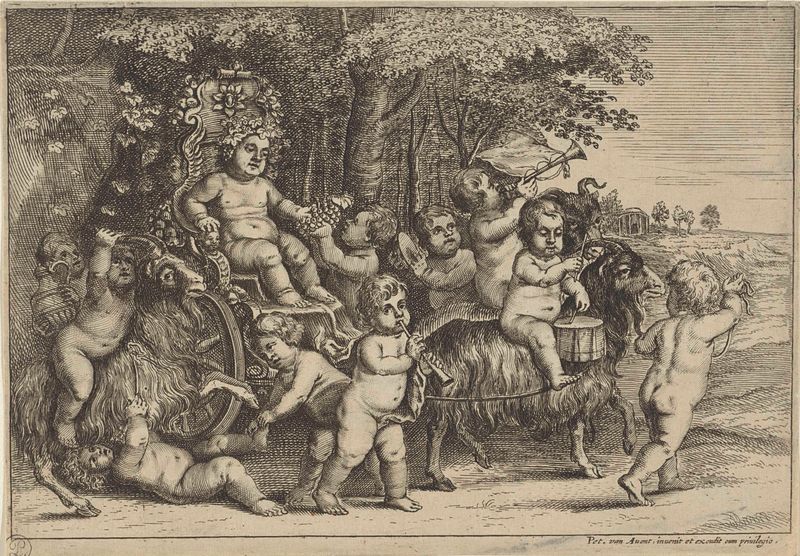
Optocht van bacchant en jongetjes op geiten
Wenceslaus Hollar
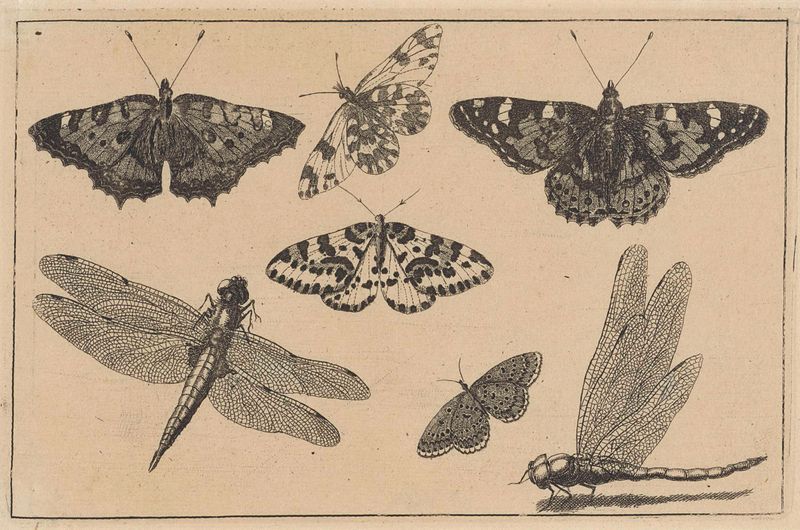
Twee libellen en vijf vlinders
Wenceslaus Hollar
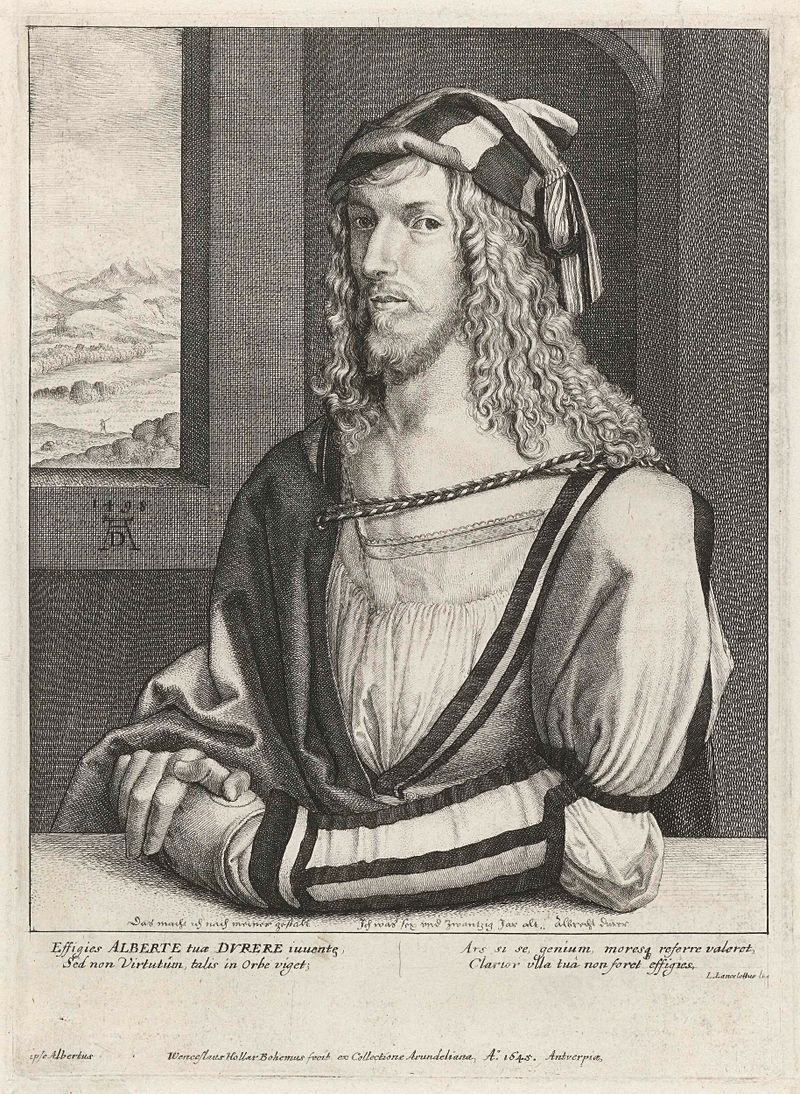
Portret van Albrecht Dürer
Wenceslaus Hollar
Ornamenteel ontwerp voor een dolk
Wenceslaus Hollar
Gezicht op Praag vanaf de Moldau
Wenceslaus Hollar





