
Gezicht op de dijk tussen Maren en Alem met kruiend ijs — History & Facts
In the quiet embrace of winter, transformation awaits beneath layers of ice, hinting at the promise of rebirth as nature stirs from its slumber. Focus on the horizon, where muted blues and soft grays meld with strokes of white, evoking the chill of the air and the stillness of the frozen landscape. Notice how the textured ice captures the fleeting light, reflecting shards of brightness that shimmer like fragile dreams. The dike, a steadfast line cutting through the scene, serves as both a literal and metaphorical barrier, suggesting protection and the duality of isolation amidst the serene beauty. Delve into the subtle contrasts that reveal deeper narratives within this frozen tableau.
The starkness of the ice plays against the earthy tones of the dike, illustrating the tension between life and dormancy. Small details—a solitary figure wrapped against the cold, the delicate patterns of cracking ice—speak of resilience and the cyclical nature of existence, inviting contemplation on what lies beneath this tranquil surface. In 1855, Dubourcq crafted this piece while situated in the Netherlands, where he was grappling with the influences of Romanticism and Naturalism. At this time, the art world was shifting, embracing more emotive and realistic portrayals of the natural landscape.
Dubourcq himself was navigating his artistic identity, eager to blend the vibrancy of life with the stark realities of winter, impacting how he interpreted the beauty and struggles of his surroundings.
More Artworks by Pierre Louis Dubourcq
Browse all →
Een wijngaard bij Olevano
Pierre Louis Dubourcq
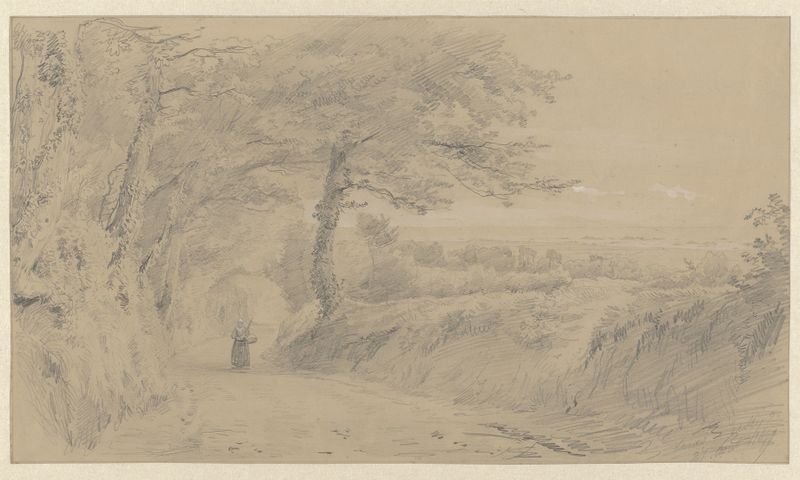
Landschap op Jersey
Pierre Louis Dubourcq

De tempel van Neptunus, Paestum
Pierre Louis Dubourcq
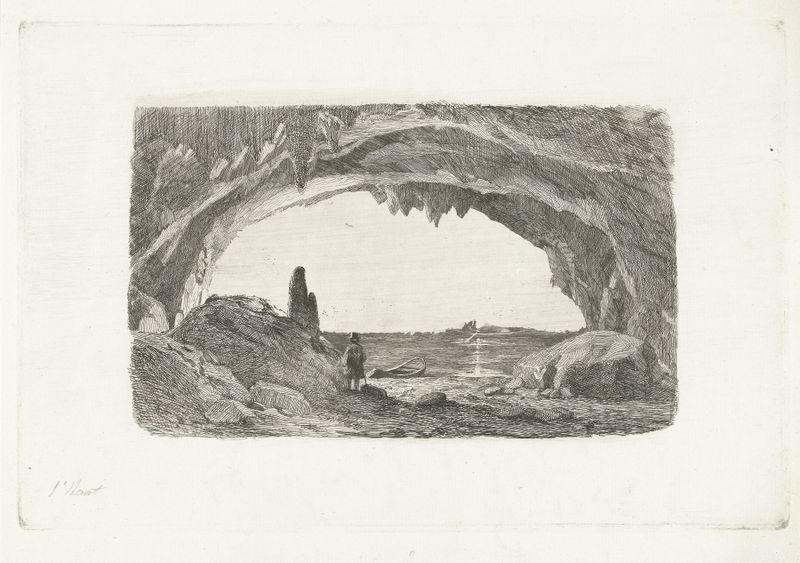
Man met roeiboot in de grotten van Han
Pierre Louis Dubourcq
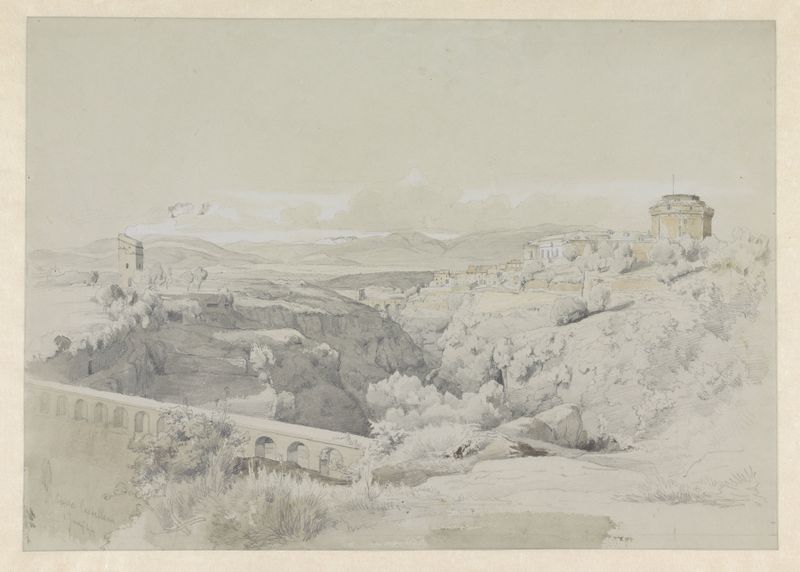
Gezicht op Civita Castellana
Pierre Louis Dubourcq

Paard en wagen op een weg
Pierre Louis Dubourcq
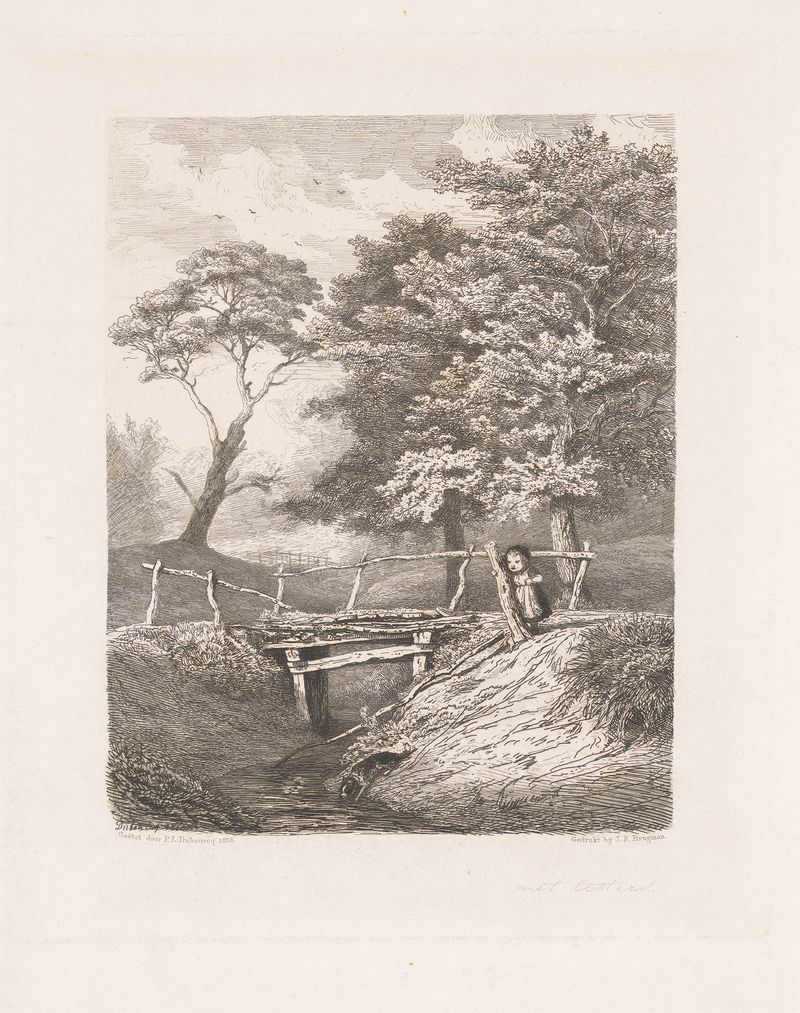
Meisje met hond bij houten brug
Pierre Louis Dubourcq

Kustlandschap te Granville
Pierre Louis Dubourcq

View of Castle Gerone on the island Ischia
Pierre Louis Dubourcq

De rivier de Nera bij Narni
Pierre Louis Dubourcq





