
De schaatsenrijders (De schaatsers) — History & Facts
Could beauty survive in a century of chaos? In De schaatsenrijders, the interplay of jubilant figures on ice embodies a celebration of life amidst the tumultuous backdrop of late 19th-century Europe. Look to the center of the painting, where joy radiates from the skaters, their vibrant costumes contrasting vividly against the icy blues and whites of the frozen landscape. Ensor’s brushwork is alive, capturing the fluid motion of limbs and the delicate glint of sunlight dancing off the ice. The meticulously rendered details of their expressions create a palpable energy, drawing the viewer into a world where ecstasy reigns supreme, a fleeting moment juxtaposed against the stillness of winter. Yet, beneath this exuberant surface lies a deeper tension.
The bright and lively figures are surrounded by a spectral crowd in muted tones, perhaps symbolizing the societal unrest and uncertainty of the era. The juxtaposition of vibrant joy against the ghostly spectators hints at a struggle between fleeting happiness and an encroaching darkness — a reflection of humanity's dance with despair. Each skater seems oblivious to the weight of the world, embodying both an exhilarating escape and a poignant reminder of the chaos that looms just beyond the frame. In 1889, while residing in Ostend, Ensor was grappling with the complexities of modern life and the shifting currents of the art world.
This period saw the rise of Impressionism and the burgeoning avant-garde, which influenced his style and thematic choices. Amidst personal turmoil and societal change, the artist sought to capture the ephemeral beauty of existence, imbuing De schaatsenrijders with both exuberance and an underlying sense of fragility.
More Artworks by James Ensor
Browse all →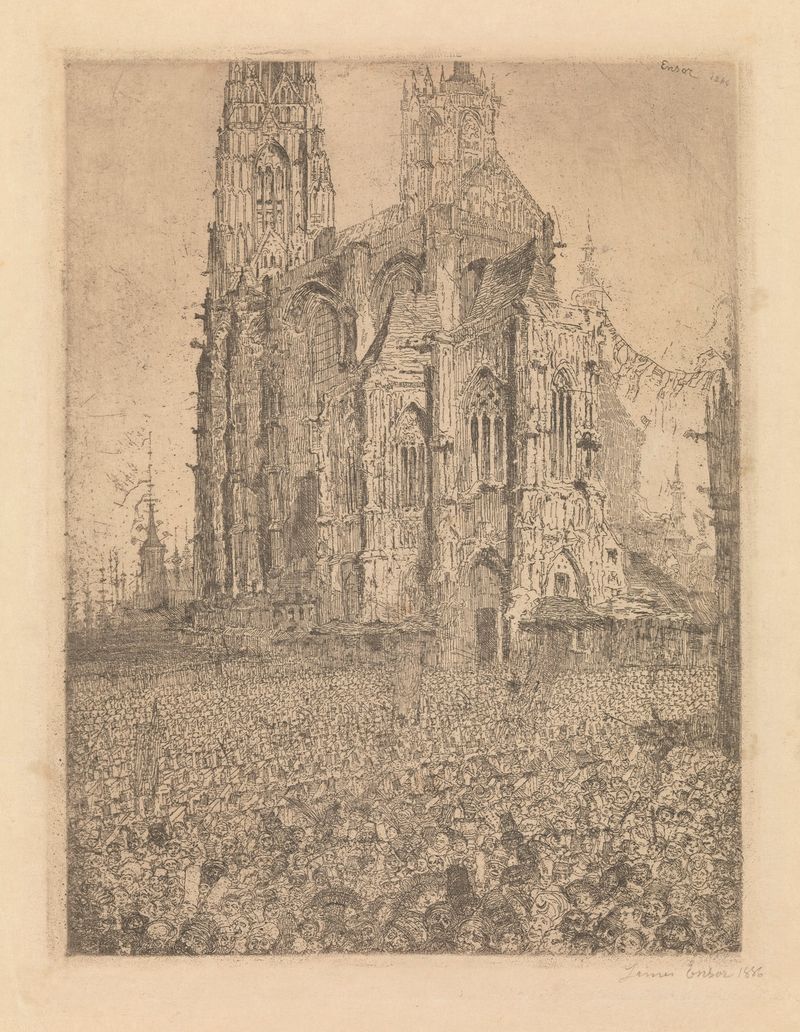
The Cathedral
James Ensor
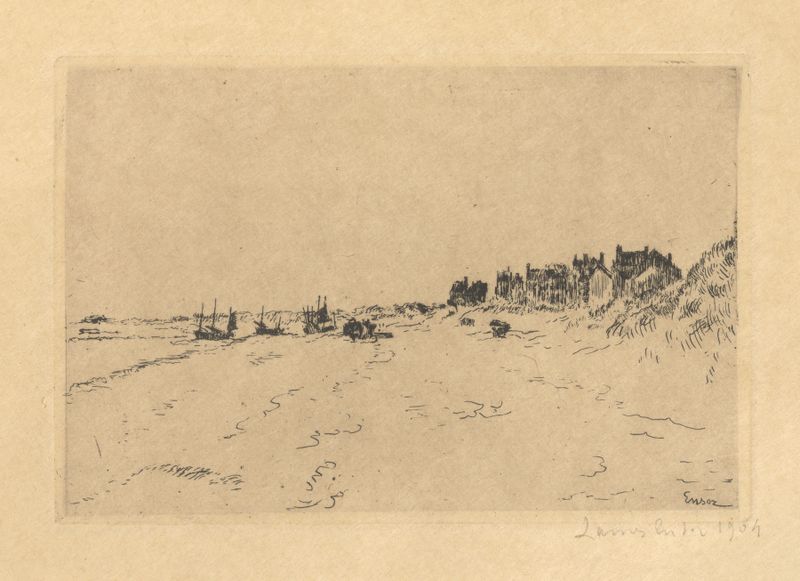
Het strand van De Panne
James Ensor
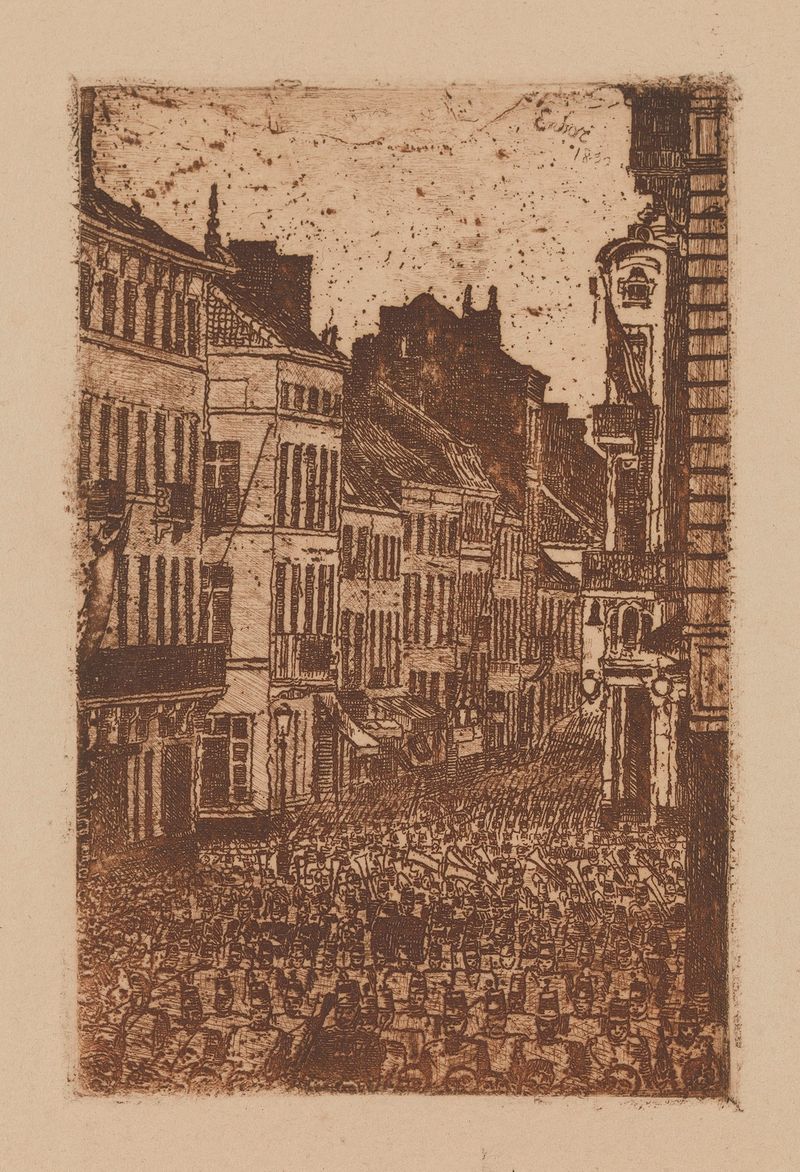
The Music in the rue de Flandre, Ostend
James Ensor
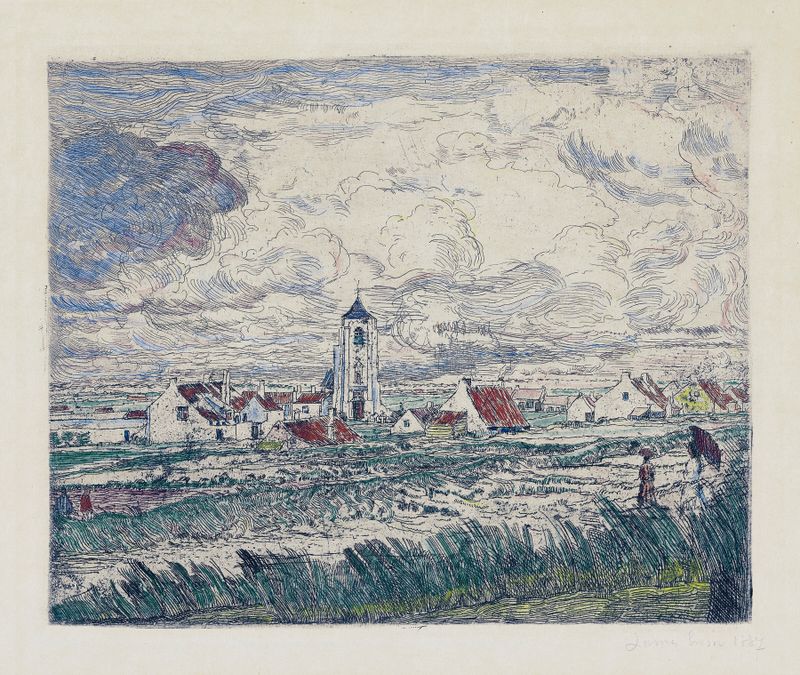
Grande vue de Mariakerke
James Ensor
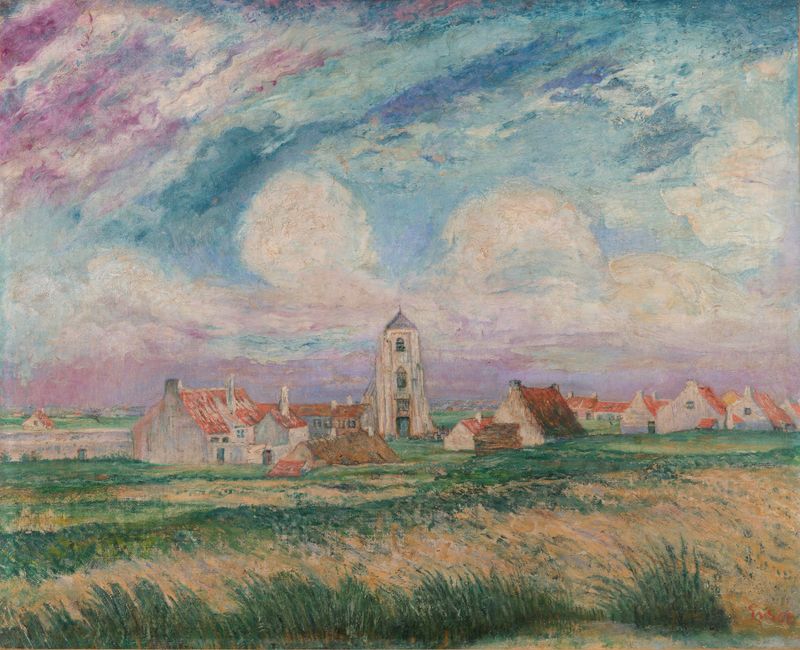
View of Mariakerke
James Ensor
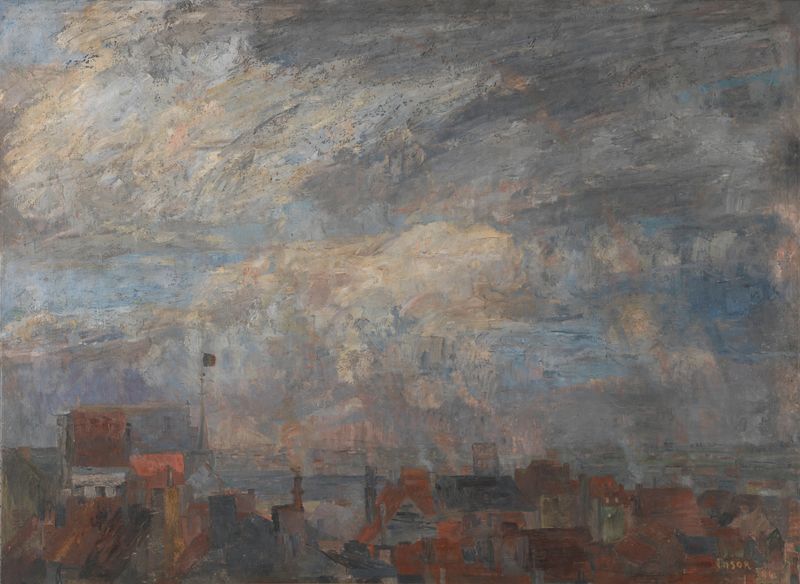
The Rooftops of Ostend
James Ensor
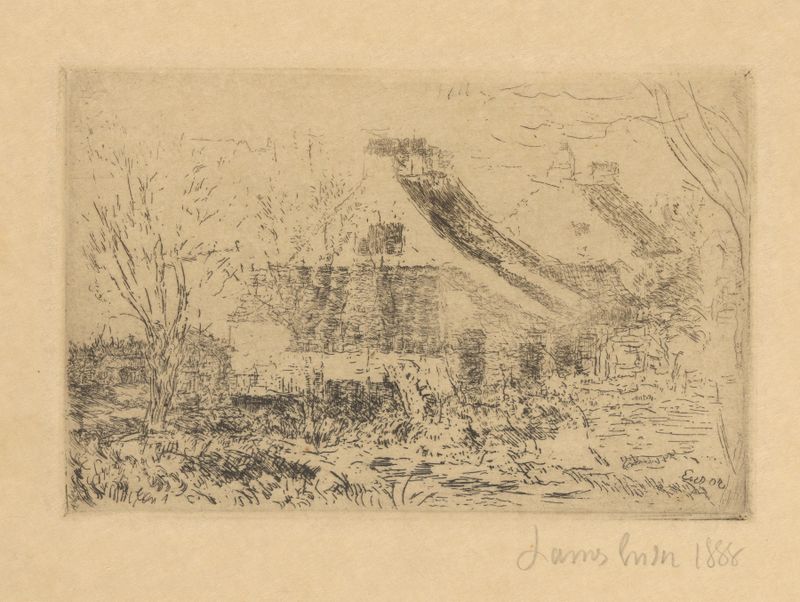
Huisjes in Mariakerke
James Ensor
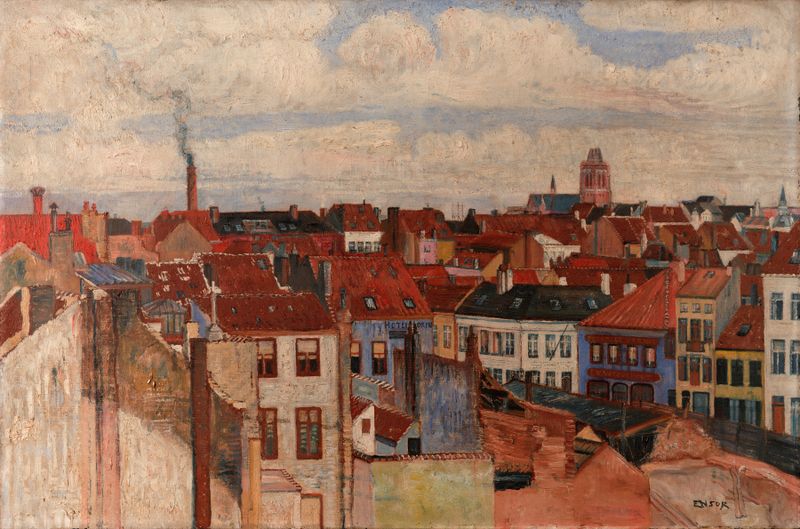
The rooftops of Ostend
James Ensor
The Music in the rue de Flandre, Ostend
James Ensor
Verovering van een vreemde stad
James Ensor





