
De tuin van het Palazzo Giulio, Rome — History & Facts
Can paint confess what words never could? In the lush confines of De tuin van het Palazzo Giulio, emotion hangs thick in the air, yet remains unsaid, cloaked in the verdant beauty of the garden. Focus on the archway in the foreground, where dappled sunlight filters through leaves, casting intricate shadows on the stone path. Notice the juxtaposition of vibrant greens against the muted earth tones of the architecture, creating a tension between the liveliness of nature and the stillness of human creation. The meticulous brushwork invites the viewer to linger, exploring the gentle curves of foliage that cradle the scene in a protective embrace. As you scan the canvas, consider the hidden anxieties that reside within its tranquil facade.
The tension between light and shadow hints at a deeper fear—perhaps the fear of losing the sublime beauty of nature to an encroaching urban world. The archway, a symbol of transition, suggests both an entry into paradise and a potential exit from safety, embodying the duality of human experience in the face of inevitable change. Pierre Louis Dubourcq painted this serene garden scene between 1825 and 1873, a time when the romanticism of nature clashed with the burgeoning industrial era. Living in France, Dubourcq was influenced by the shifting tides of artistic thought, striving to capture the sublime beauty of Italian landscapes while grappling with the anxieties of an evolving society.
His work reflects a longing not only for aesthetic beauty but also for a deeper connection to a world that felt increasingly fragile.
More Artworks by Pierre Louis Dubourcq
Browse all →
Een wijngaard bij Olevano
Pierre Louis Dubourcq
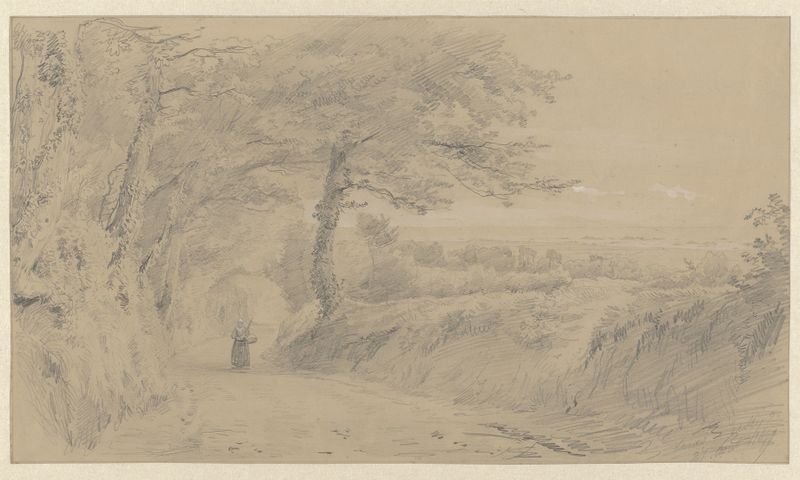
Landschap op Jersey
Pierre Louis Dubourcq

De tempel van Neptunus, Paestum
Pierre Louis Dubourcq
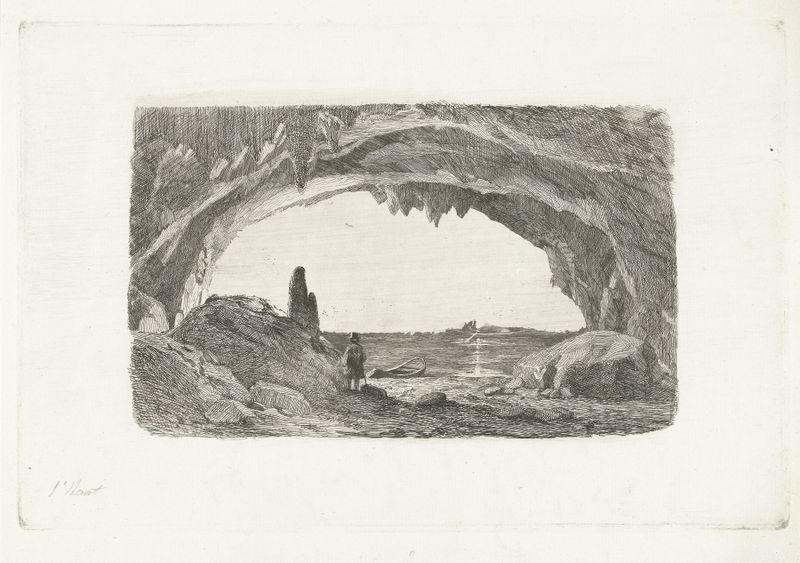
Man met roeiboot in de grotten van Han
Pierre Louis Dubourcq
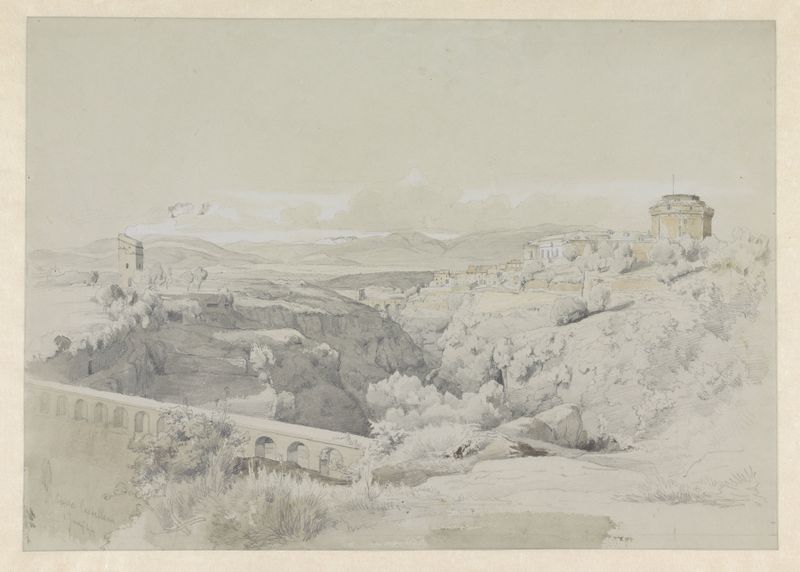
Gezicht op Civita Castellana
Pierre Louis Dubourcq

Paard en wagen op een weg
Pierre Louis Dubourcq
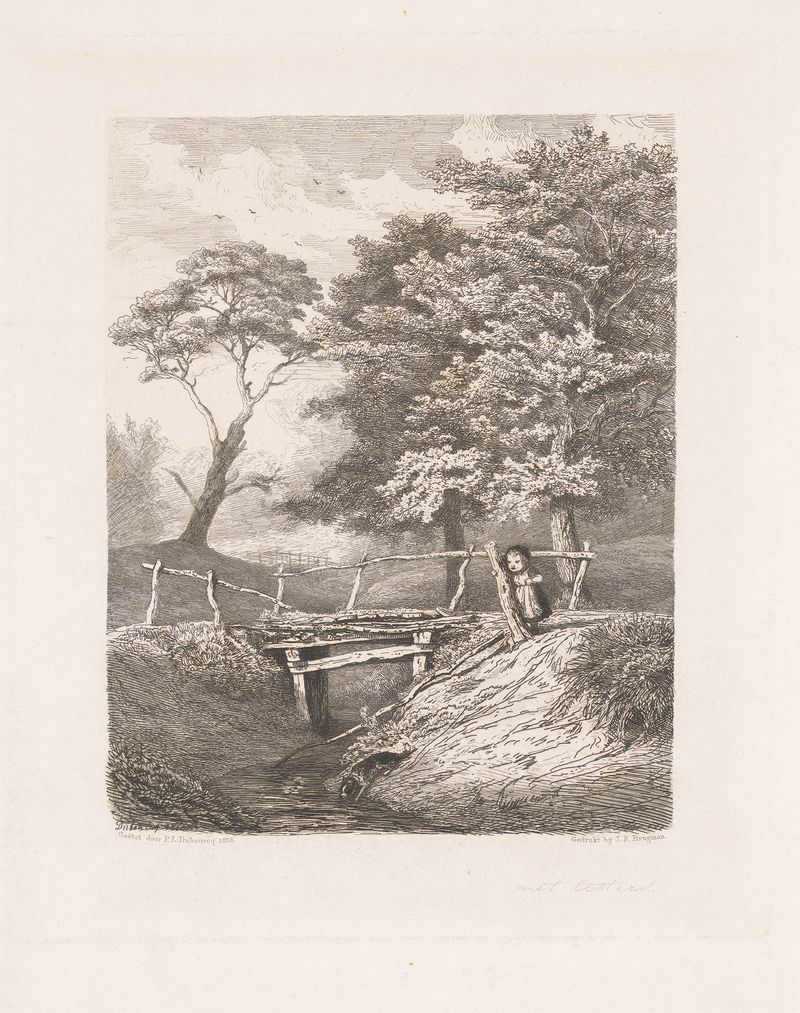
Meisje met hond bij houten brug
Pierre Louis Dubourcq

Kustlandschap te Granville
Pierre Louis Dubourcq

View of Castle Gerone on the island Ischia
Pierre Louis Dubourcq

De rivier de Nera bij Narni
Pierre Louis Dubourcq





