De vergankelijkheid — History & Facts
Could a single brushstroke hold eternity? The fleeting nature of existence stares back at us from the canvas, whispering of longing and the inevitability of time’s passage. Focus on the intricate arrangement of objects in the foreground, where a skull rests prominently, a stark white against the deep, rich colors that envelop it. Look closer, and you'll notice the wilted flowers and an hourglass nearby, symbolizing the transient beauty of life. The dramatic chiaroscuro casts shadows that dance around these elements, enhancing their temporal nature and inviting contemplation of mortality and the ephemeral. Within this still life lies a profound emotional tension, where beauty and decay coexist.
The stark contrast of vibrant blooms against the desolation of the skull suggests a struggle between life and death, an intertwining of hope and despair. Each element contributes to a narrative that speaks both to our yearning for permanence and the sorrow of its unattainability, evoking a deep sense of nostalgia. Cornelis Anthonisz painted De vergankelijkheid in 1537 during a period of great exploration in Dutch art, marked by an increasing interest in realism and symbolism. This time saw the rise of still life as a significant genre, reflecting societal values and philosophies about life, death, and the passage of time.
Anthonisz, active in Amsterdam, was part of this cultural shift, employing detailed observation and richly layered meanings that resonate powerfully even today.
More Artworks by Cornelis Anthonisz.
Browse all →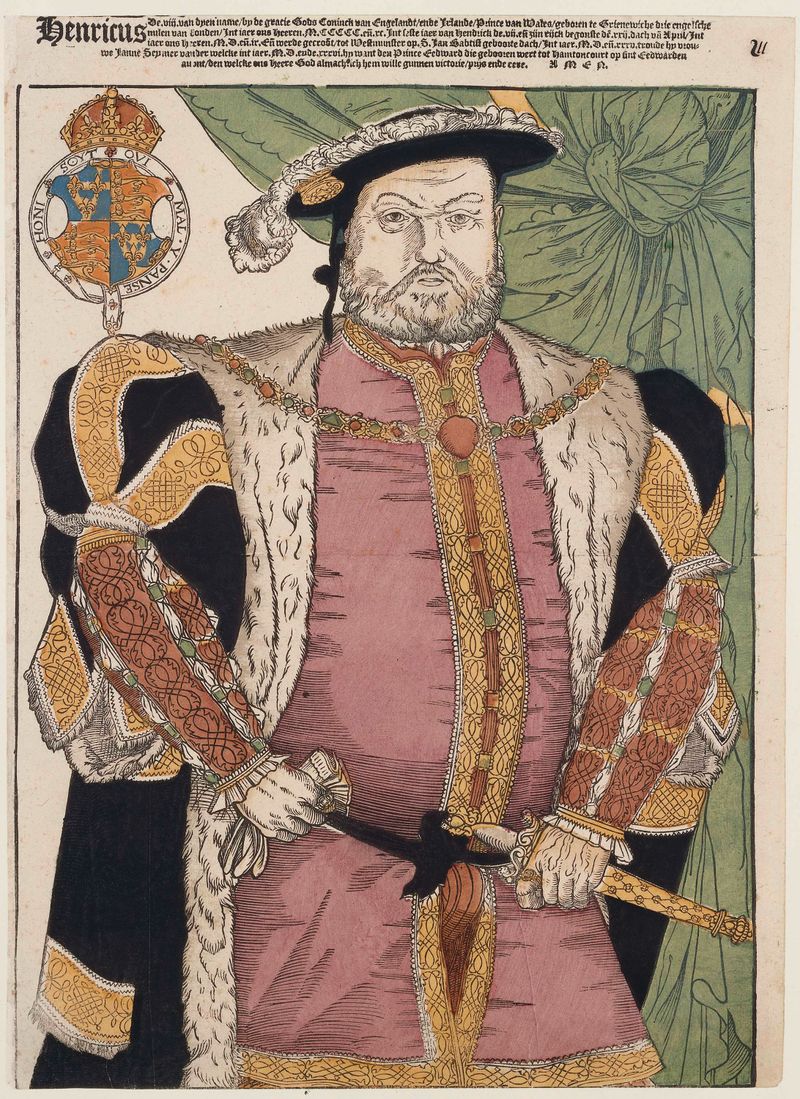
Portret van Hendrik VIII van Engeland
Cornelis Anthonisz.

Portret van Hendrik VIII van Engeland
Cornelis Anthonisz.

Portret van Maarten van Rossum te paard
Cornelis Anthonisz.
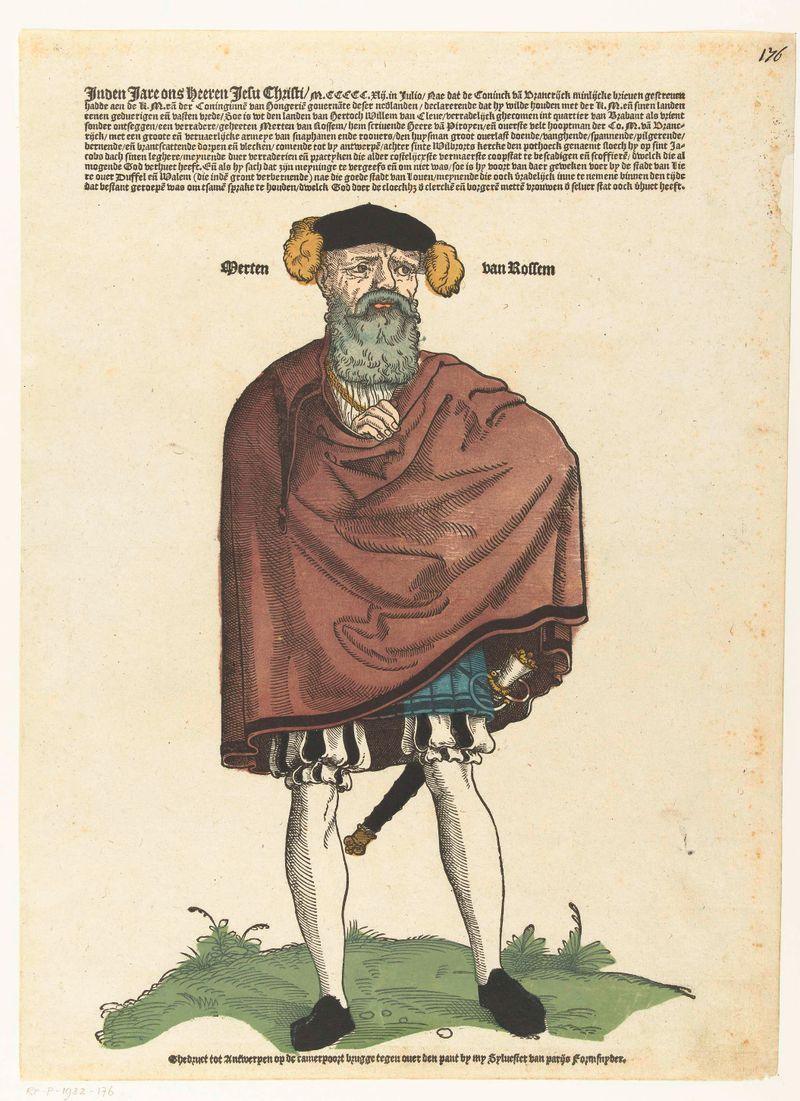
Portret van Maarten van Rossum
Cornelis Anthonisz.

De verloren zoon eet uit de varkenstrog
Cornelis Anthonisz.
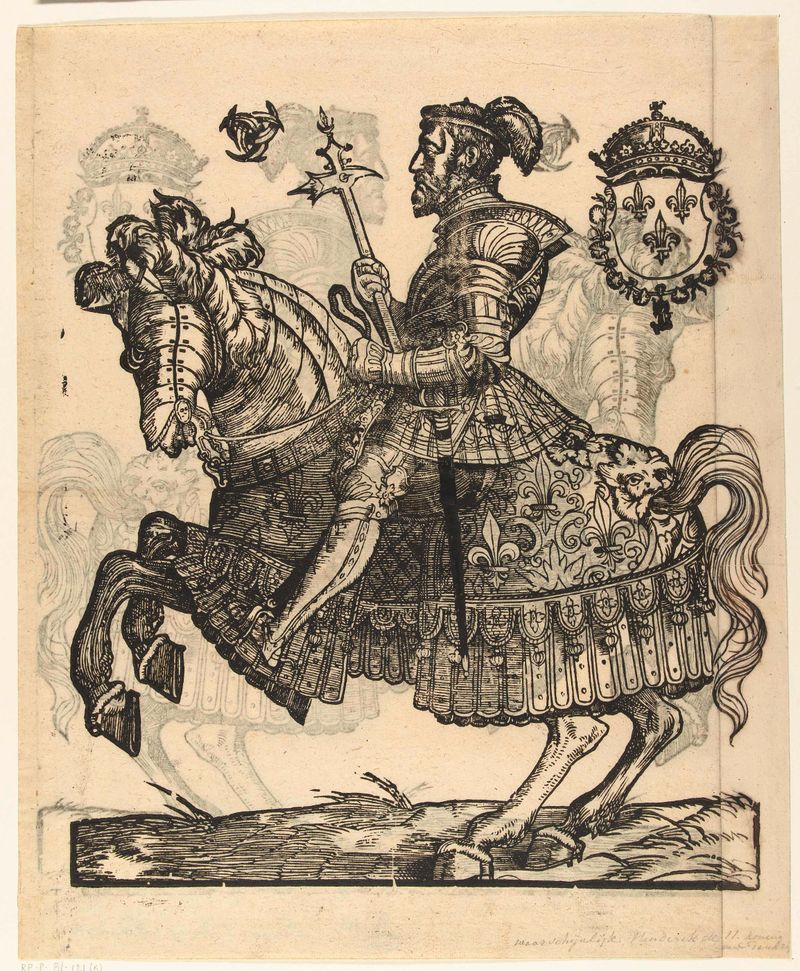
Portret van Hendrik II van Frankrijk te paard
Cornelis Anthonisz.

Portret van hertog Willem van Kleef, Gulik en Berg, graaf van Mark, heer van Ravenstein te paard
Cornelis Anthonisz.

Portret van Karel V te paard
Cornelis Anthonisz.

Portret van Maria van Hongarije te paard
Cornelis Anthonisz.
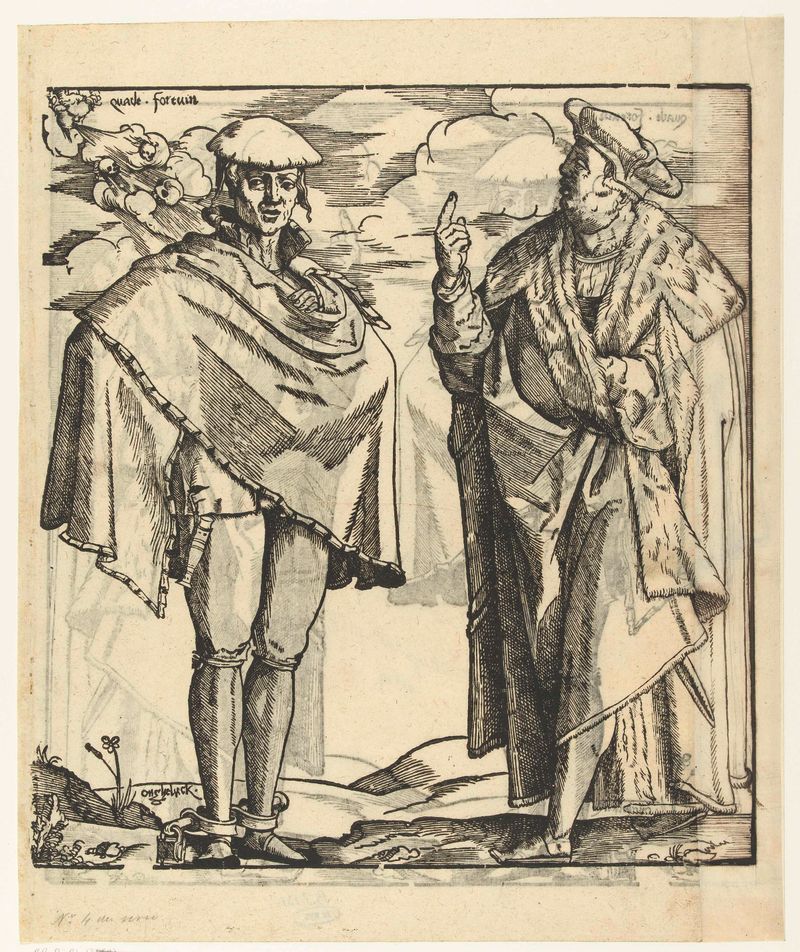
De lichtzinnige jeugd
Cornelis Anthonisz.