
De verloren zoon bidt om vergeving van zijn zonden — History & Facts
In the delicate embrace of innocence, a moment suspended in time reflects the yearning for forgiveness. The canvas breathes life into a story that resonates deeply within the human experience, urging us to confront our transgressions and seek redemption. Look to the left at the kneeling figure, rendered with exquisite detail. Jacques Callot’s masterful use of chiaroscuro illuminates the contours of his face, revealing both despair and sincerity.
The muted earth tones cradle the subject, while the surrounding darkness envelops him, emphasizing the solitary nature of his plea. The tension between light and shadow mirrors his internal struggle, inviting the viewer to feel his vulnerability. As you explore the intricate background, notice the contrasting figures who observe this moment with varying expressions—some in judgment, others in empathy, each reflecting different facets of society's response to sin. The juxtaposition of innocence and guilt plays out through these characters, highlighting the complexities of human morality.
Callot’s attention to detail serves not just to depict, but to provoke thought about the nature of forgiveness and the burden of remorse. In 1635, Callot, working in Nancy, was deeply influenced by the sociopolitical turmoil of his time. The Thirty Years' War cast a long shadow over Europe, creating an atmosphere thick with suffering and reflection. This painting emerged amidst a period where the exploration of human emotion in art was becoming increasingly important, marking a significant evolution in the portrayal of personal and collective struggles.
More Artworks by Jacques Callot
Browse all →
Titelprent voor de prentreeks 'De kleine apostelen' (Het martelaarschap van de apostelen)
Jacques Callot
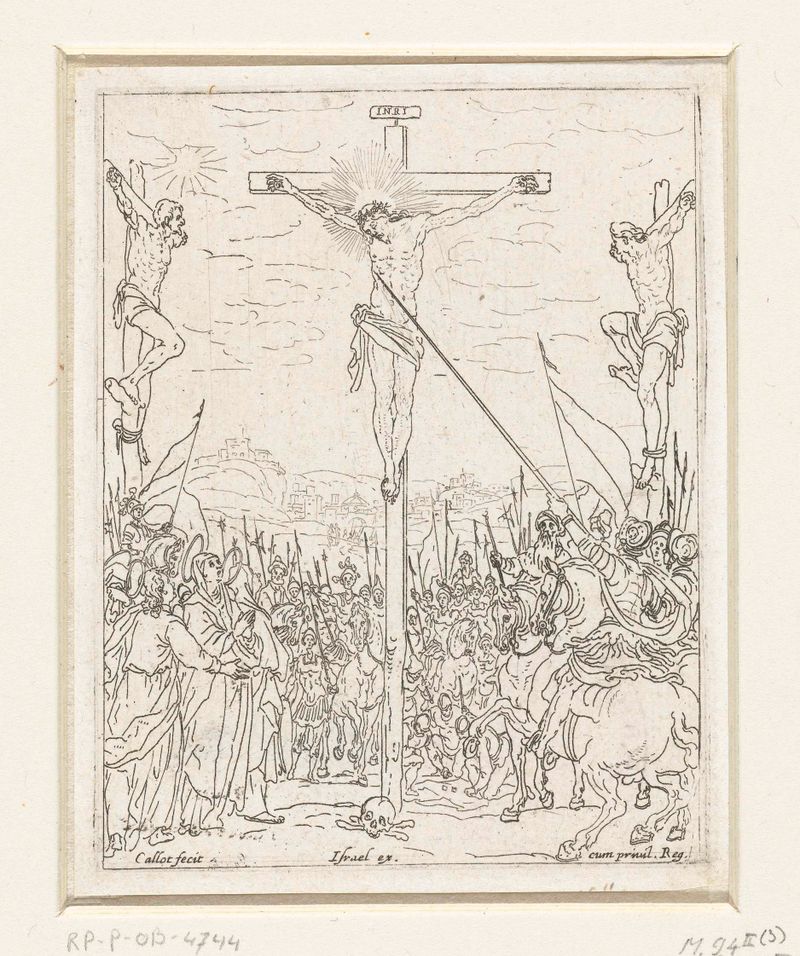
Kruisiging
Jacques Callot

De doortocht door de Rode Zee
Jacques Callot

De verloren zoon als zwijnenhoeder
Jacques Callot

Annunciatie
Jacques Callot
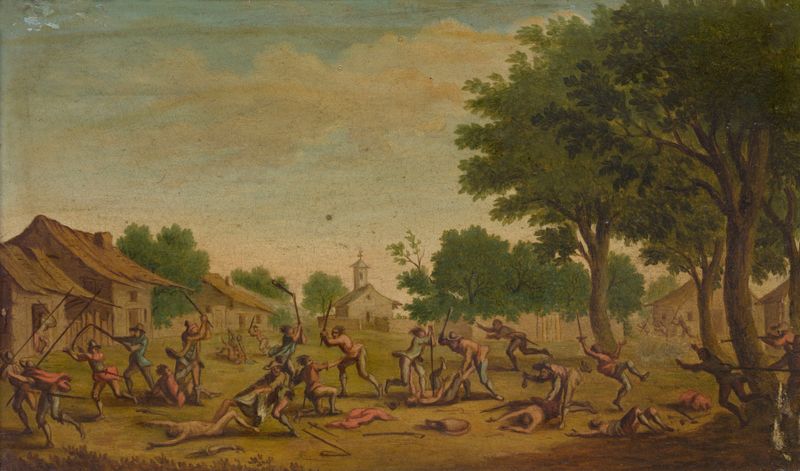
Village Fight
Jacques Callot

Titelprent voor prentreeks 'Het leven van Maria'
Jacques Callot
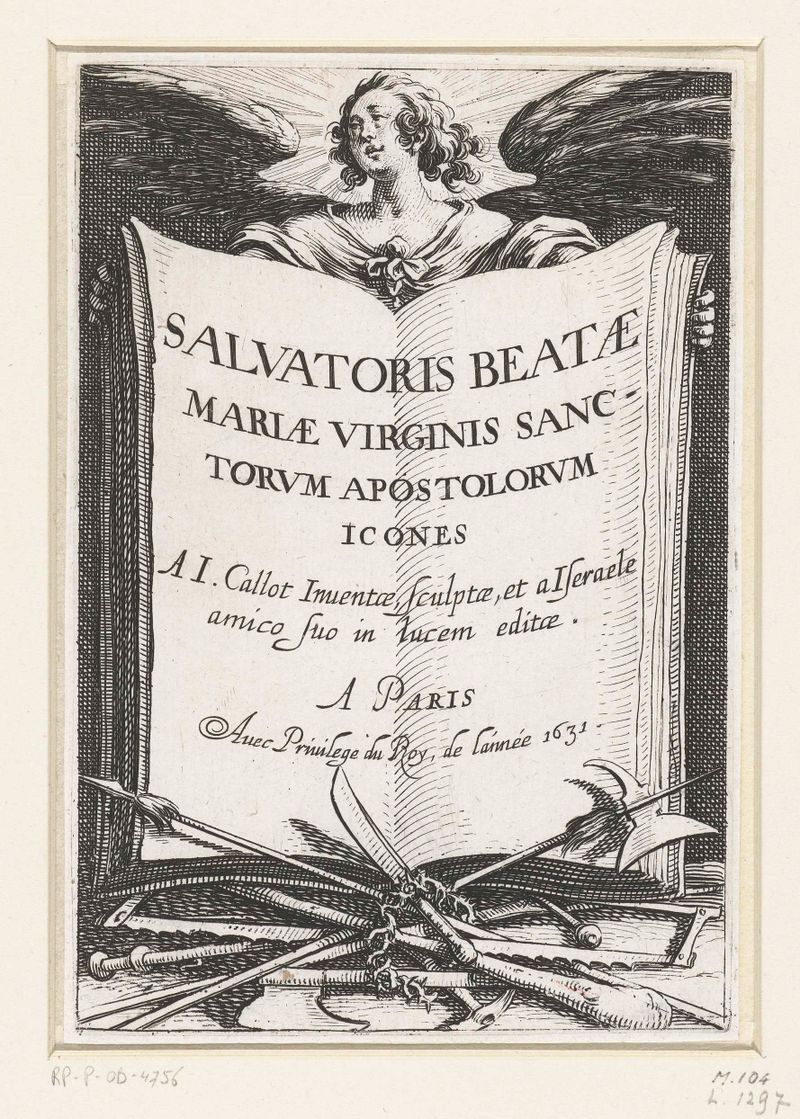
Titelprent voor de prentreeks 'De grote apostelen' (Christus, Maria en de apostelen)
Jacques Callot

Christus aan het volk getoond (Ecce homo)
Jacques Callot
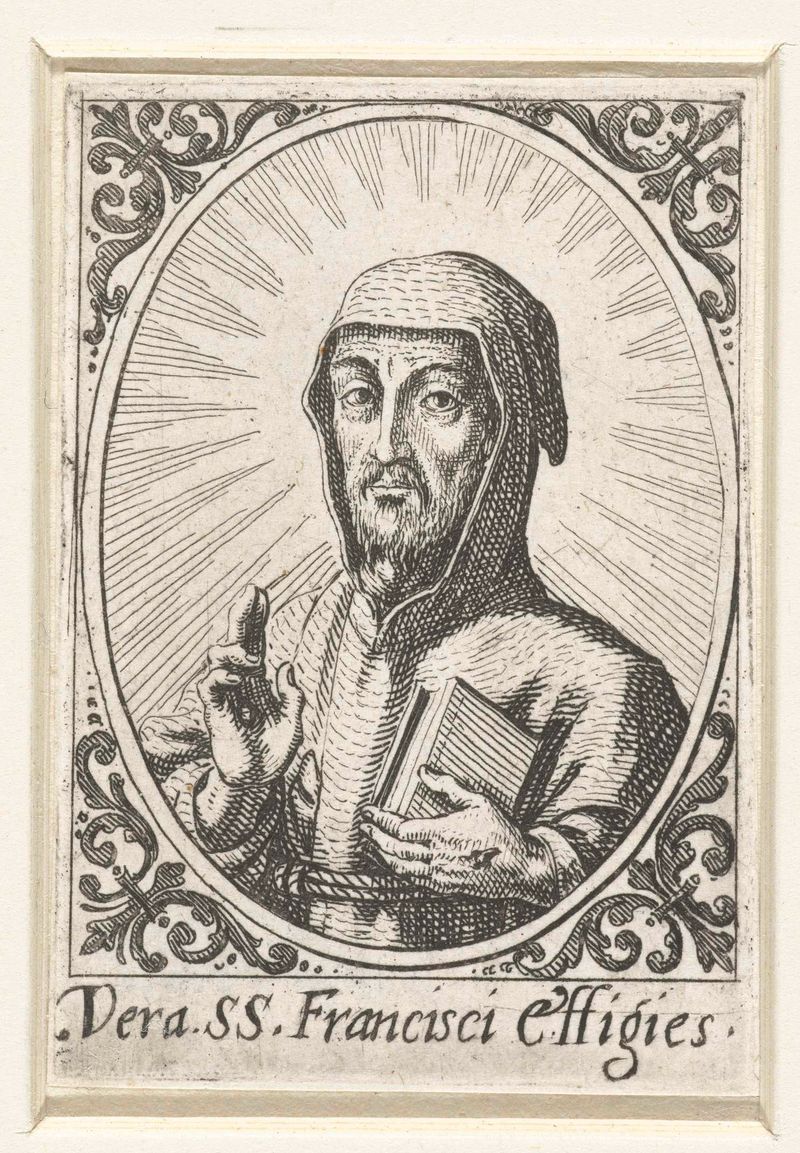
Portret van de Heilige Franciscus
Jacques Callot
More Religious Art
Browse all →
The Return of the Prodigal Son
Rembrandt van Rijn

The Garden of Earthly Delights
El Bosco

Count Orgaz’ funeral
El Greco

The Hundred Guilder Print: the central piece with Christ preaching, the plate arched
Rembrandt van Rijn

The Descent from the Cross
Rogier van der Weyden

The return of the prodigal son
Rembrandt van Rijn