
De viering van de mis — History & Facts
What if silence could speak through light? In the hands of a master, such stillness transforms into an eloquent testament to mortality and faith. Look to the center of the composition where the priest stands, his figure draped in rich, flowing vestments. The soft glow around him draws your gaze as it contrasts with the shadows enveloping the congregation. Notice how the delicate interplay of light and dark creates a sacred atmosphere, imbuing the moment with reverence.
The finely detailed faces of the worshippers reflect a mix of rapture and solemnity, suggesting an intimate connection to the divine. Callot's meticulous technique invites you to explore every contour, every expression, as if each individual breathes their own prayer. Delve deeper into the artwork’s emotional fabric. The contrast between the priest's illuminated presence and the obscured, anxious faces of the attendees speaks volumes about the tension between faith and doubt.
Each figure is a vessel of unspoken fears and hopes, rendered in soft, muted colors that evoke a poignant sense of fragility. This moment of worship, while set in a sacred space, becomes a mirror reflecting the inevitable passage of time, reminding us of the thin veil that separates life from what may lie beyond. Jacques Callot created this extraordinary piece between 1608 and 1611, during a period when he was honing his skills in Nancy, France. The art world was witnessing a shift toward more intimate, emotional expressions, and Callot was at the forefront of this evolution.
He was influenced by the tumult of the Thirty Years' War, which left an indelible mark on European society, shaping the themes of mortality and reverence that permeate his work.
More Artworks by Jacques Callot
Browse all →
Titelprent voor de prentreeks 'De kleine apostelen' (Het martelaarschap van de apostelen)
Jacques Callot
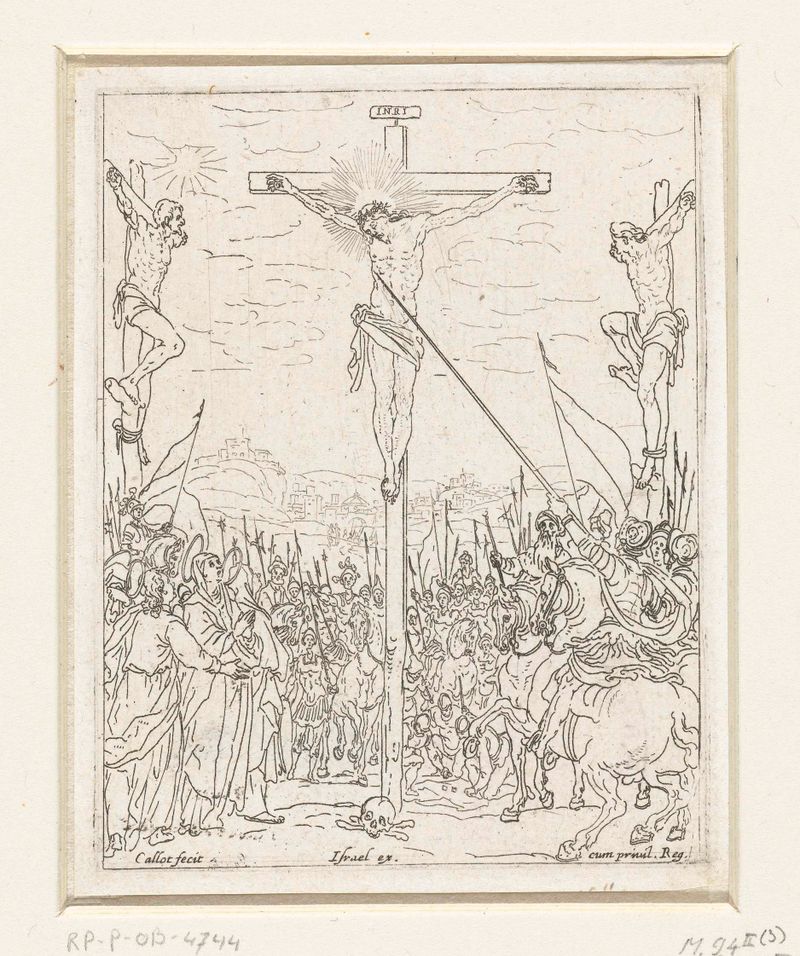
Kruisiging
Jacques Callot

De doortocht door de Rode Zee
Jacques Callot

De verloren zoon als zwijnenhoeder
Jacques Callot

Annunciatie
Jacques Callot
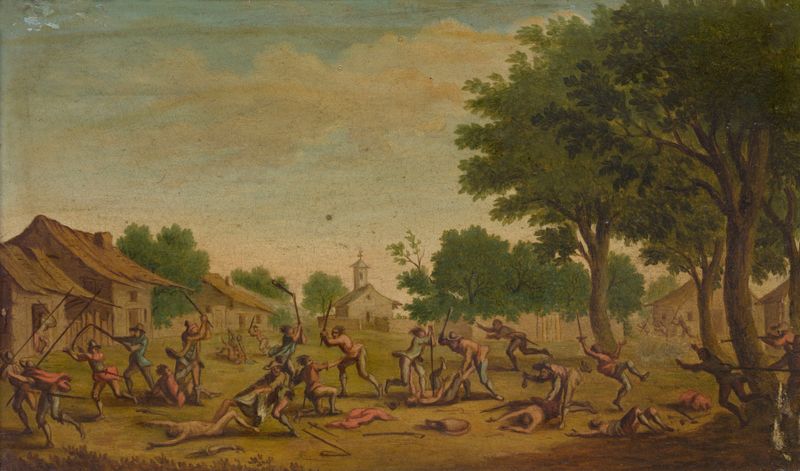
Village Fight
Jacques Callot

Titelprent voor prentreeks 'Het leven van Maria'
Jacques Callot
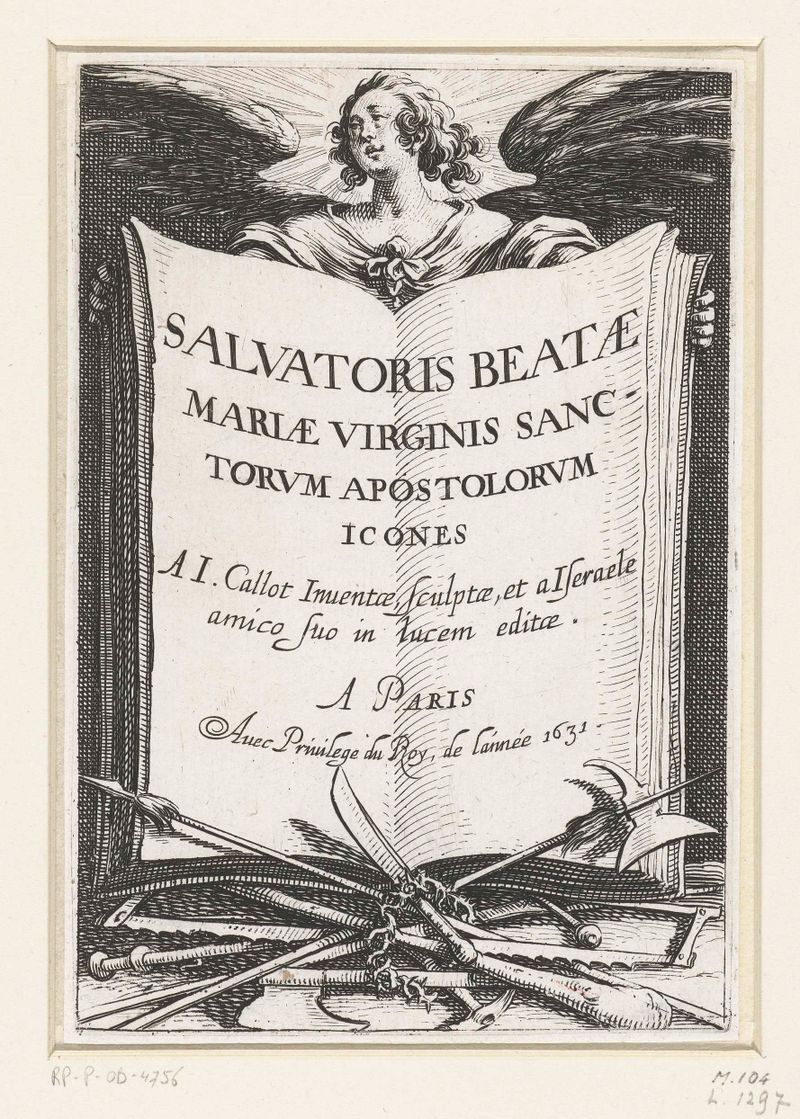
Titelprent voor de prentreeks 'De grote apostelen' (Christus, Maria en de apostelen)
Jacques Callot

Christus aan het volk getoond (Ecce homo)
Jacques Callot
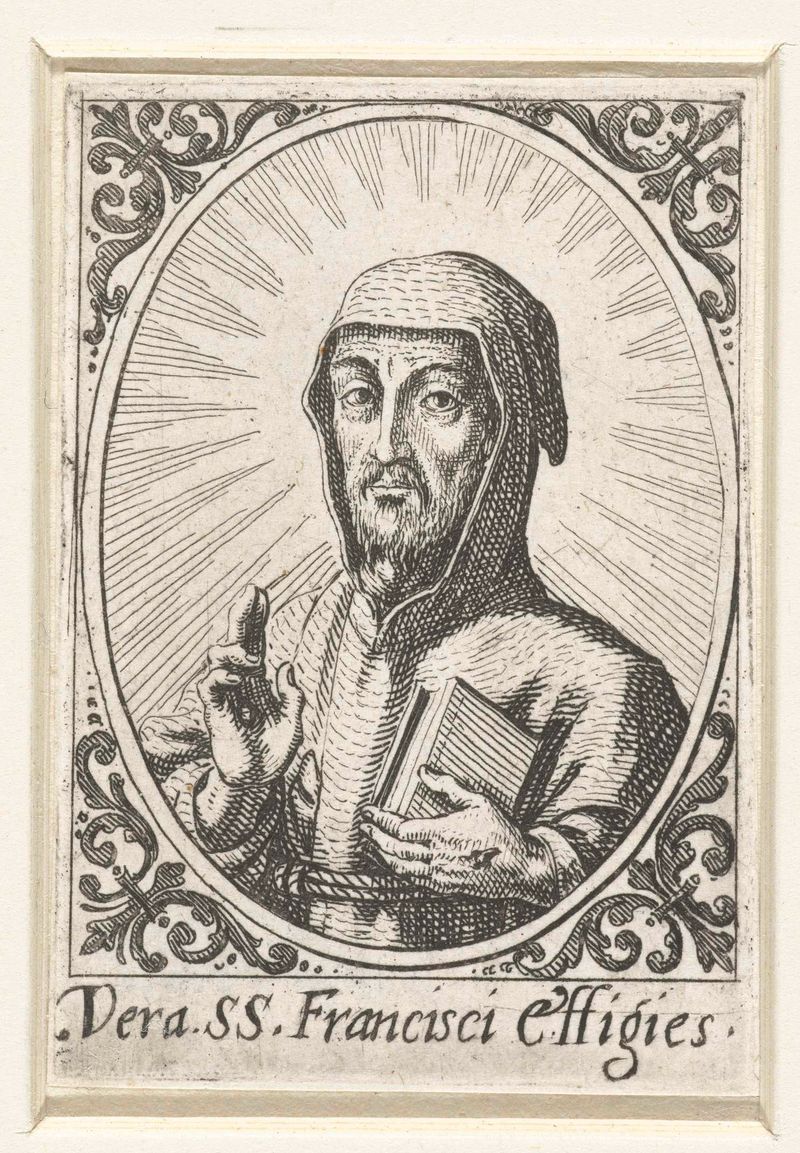
Portret van de Heilige Franciscus
Jacques Callot
More Religious Art
Browse all →
The Return of the Prodigal Son
Rembrandt van Rijn

The Garden of Earthly Delights
El Bosco

Count Orgaz’ funeral
El Greco

The Hundred Guilder Print: the central piece with Christ preaching, the plate arched
Rembrandt van Rijn

The Descent from the Cross
Rogier van der Weyden

The return of the prodigal son
Rembrandt van Rijn