
Death as a Reaper — History & Facts
In Death as a Reaper, Maximilien Luce presents a striking scene filled with dark tones and vivid contrasts. The central figure, a skeletal reaper, looms large against a backdrop of muted earth tones. Surrounding this figure are abstract representations of nature, symbolizing the cycle of life and death.
The painting's colors evoke a somber yet powerful atmosphere, drawing the viewer into its allegorical meaning. The painting is executed in oil on canvas, showcasing Luce's characteristic brushwork that blends realism with a hint of abstraction. The use of light and shadow creates depth, emphasizing the reaper's skeletal form. The composition is balanced, with the figure positioned centrally, guiding the viewer's gaze.
The dimensions are approximately 80 x 100 cm, making it a substantial piece that commands attention. Maximilien Luce was a prominent figure in the Post-Impressionist movement, known for his vibrant colors and expressive forms. This work, created around 1900, reflects his interest in themes of mortality and nature. An interesting fact about this painting is its connection to the Symbolist movement, as it uses allegory to convey deeper philosophical ideas.
Luce's exploration of death as a reaper resonates with the anxieties of the time, making it a significant work in his oeuvre.
More Artworks by Maximilien Luce

Le Quai Montebello Et La Colline Sainte-Geneviève
Maximilien Luce
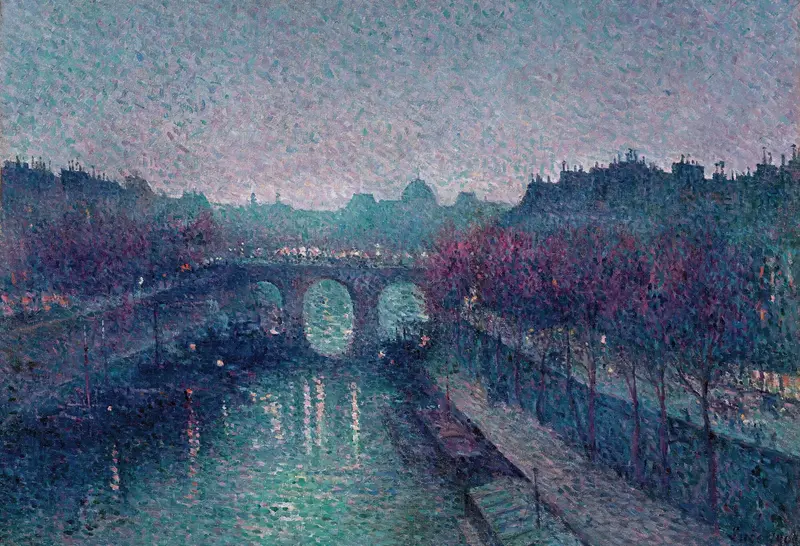
Le Pont-Neuf, La Seine, Petit Bras
Maximilien Luce
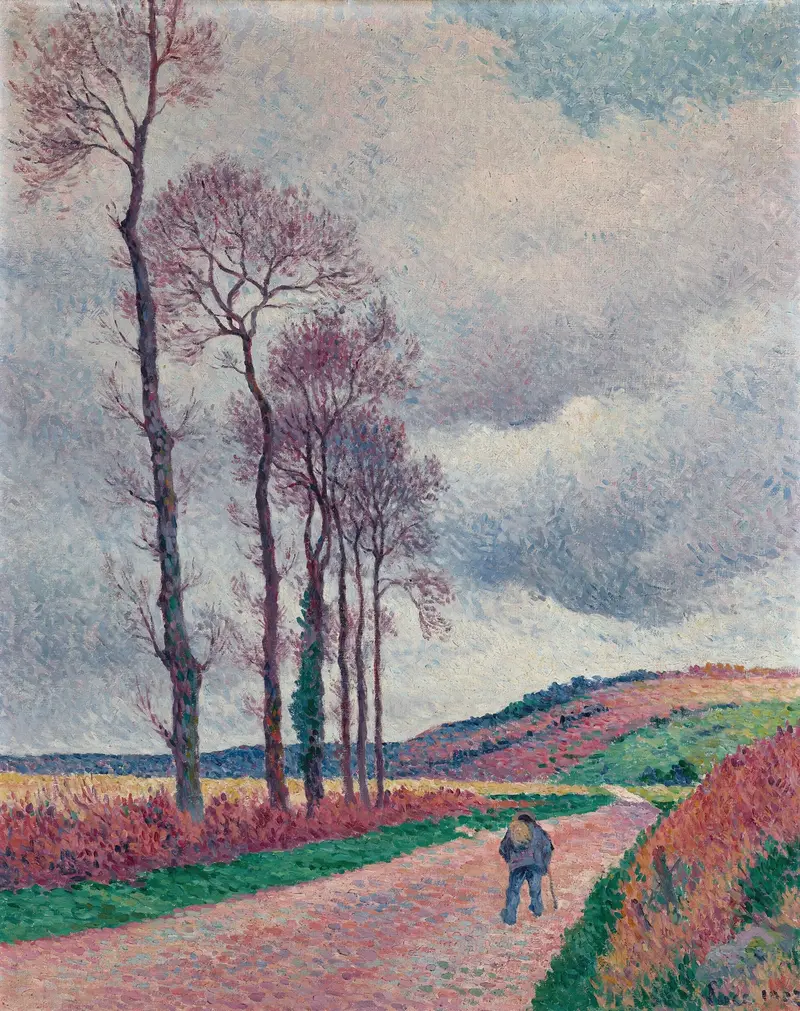
La route aux environs de Méréville
Maximilien Luce
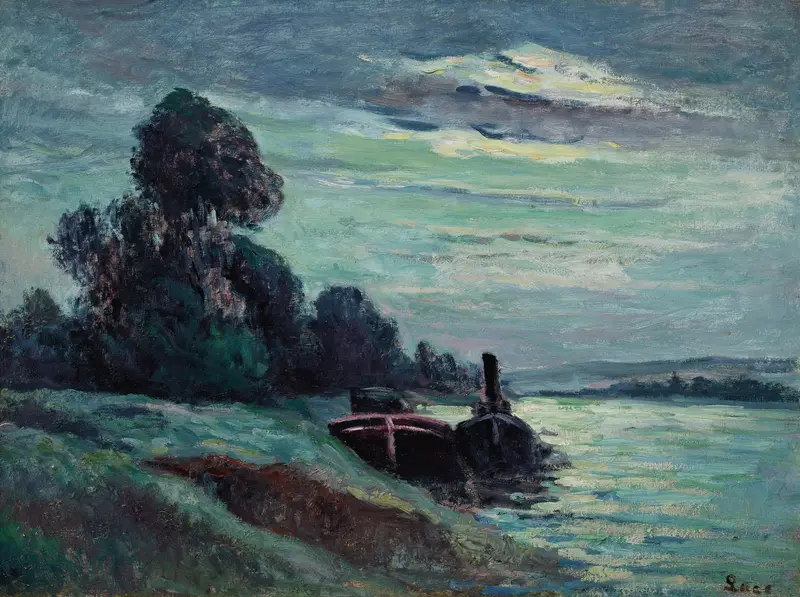
Péniches sur la Seine
Maximilien Luce
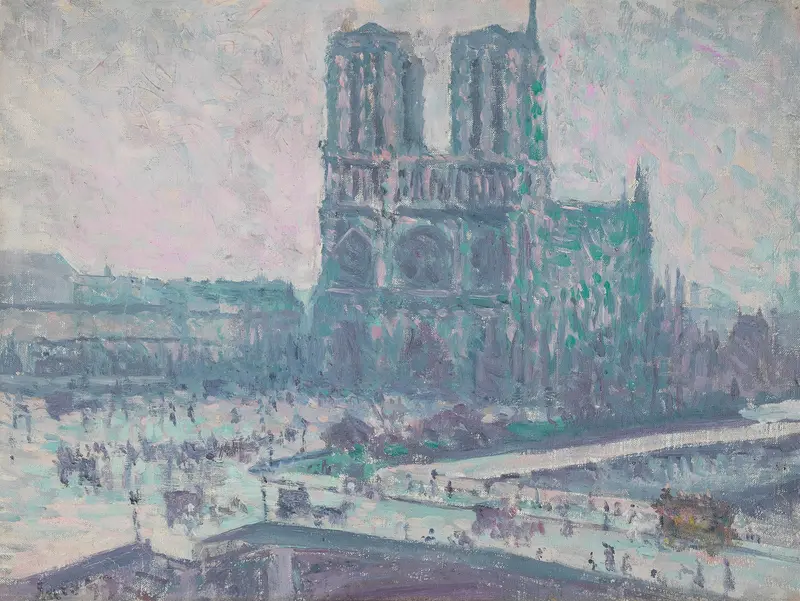
Notre Dame de Paris
Maximilien Luce
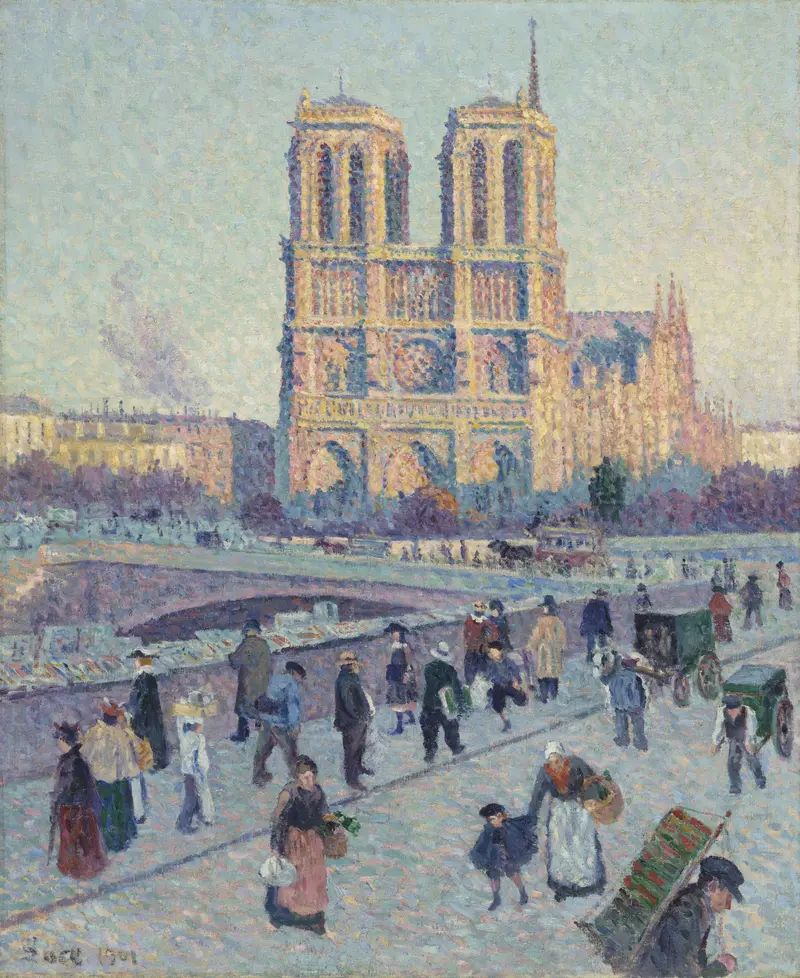
The Quai Saint-Michel and Notre-Dame
Maximilien Luce

Paysage
Maximilien Luce
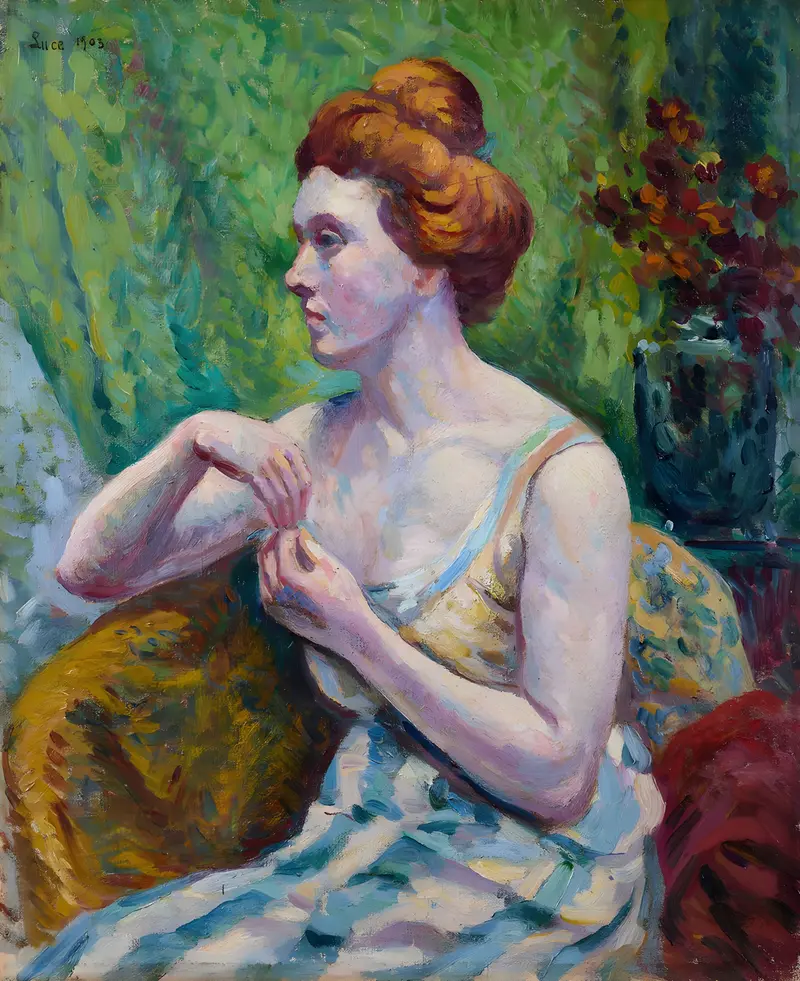
Portrait de femme
Maximilien Luce
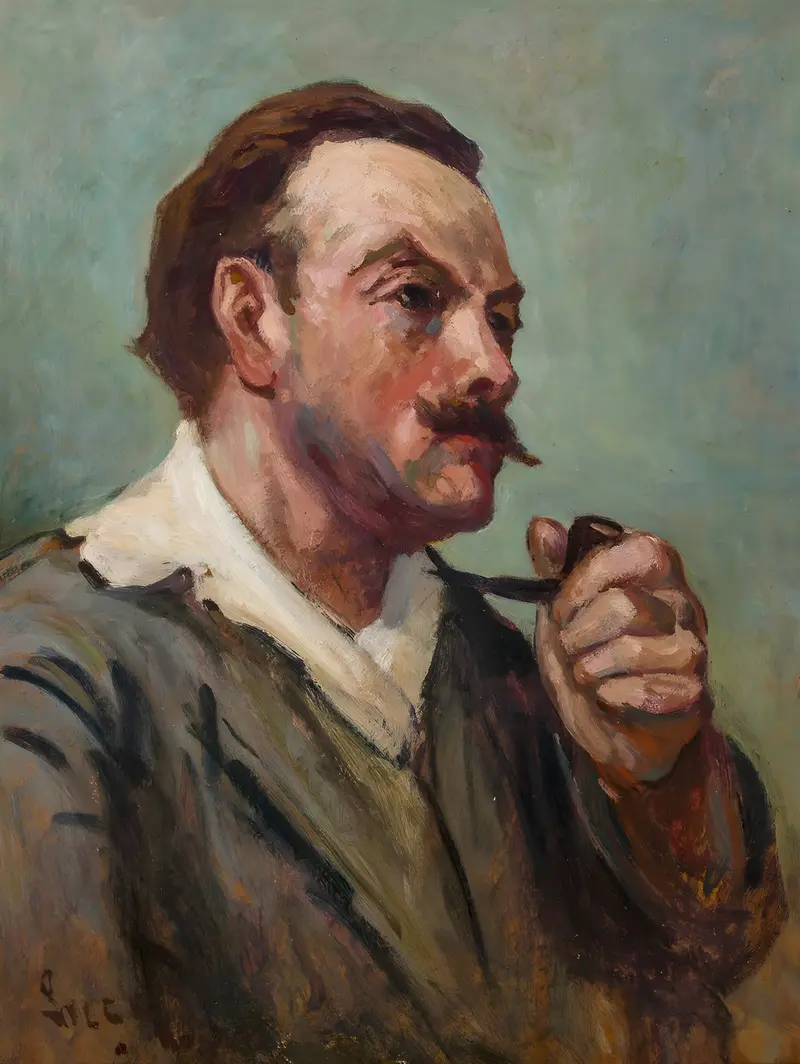
Portrait du Roger à la pipe
Maximilien Luce
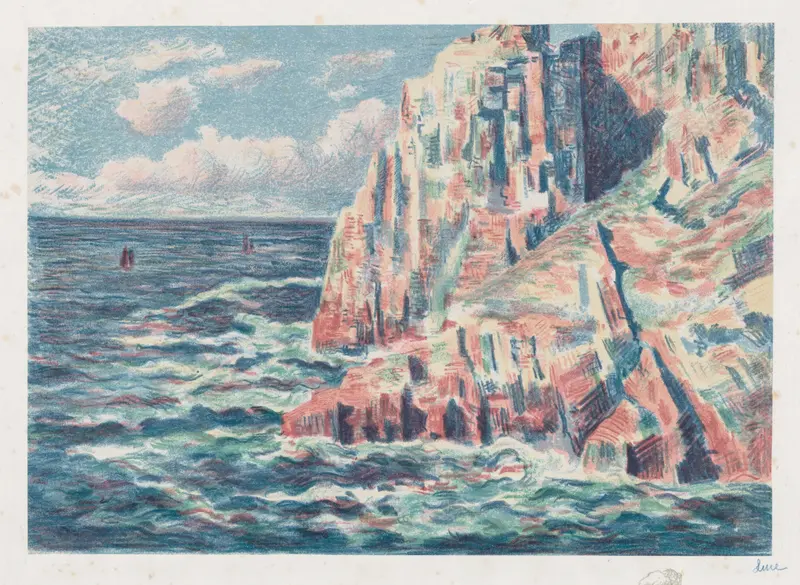
The Sea at Camaret, The Red Rocks
Maximilien Luce





