
Decapoda (Crabs and Lobsters) — History & Facts
What first seizes the eye in Decapoda (Crabs and Lobsters) by Ernst Haeckel is the sense of otherworldly architecture: each crustacean seems less an animal than a living cathedral, bristling with spines, plates, and improbable symmetry. Against a pitch-black ground, the forms emerge in a ghostly silver, their carapaces and claws rendered with a precision that borders on reverence. The artist’s arrangement is anything but random—each creature is isolated, yet the composition draws the gaze in looping circuits, from the armored grandeur of the central crab to the feathery antennae of the lobster below.
The light is clinical, almost surgical, stripping away any illusion of habitat and focusing attention on the sheer strangeness of their design. This image belongs to a world where art and science were not rivals but partners. Created in 1904 for Kunstformen der Natur, Haeckel’s work stands at the crossroads of biology and Art Nouveau, a time when naturalists sought to catalogue the diversity of life with both rigor and awe. Such illustrations were commissioned for education and inspiration, intended for scientists, students, and the curious public alike.
The names inscribed in the source—Parthenope horrida, Podophthalmus vigil, and others—anchor these creatures in the Linnaean order, but the image itself refuses to reduce them to mere specimens. In the early twentieth century, when the boundaries of the natural world were still being mapped, Haeckel’s plates invited viewers to marvel at the hidden geometries of life. Look again and see not just animals, but the imagination of nature itself.
More Artworks by Ernst Haeckel
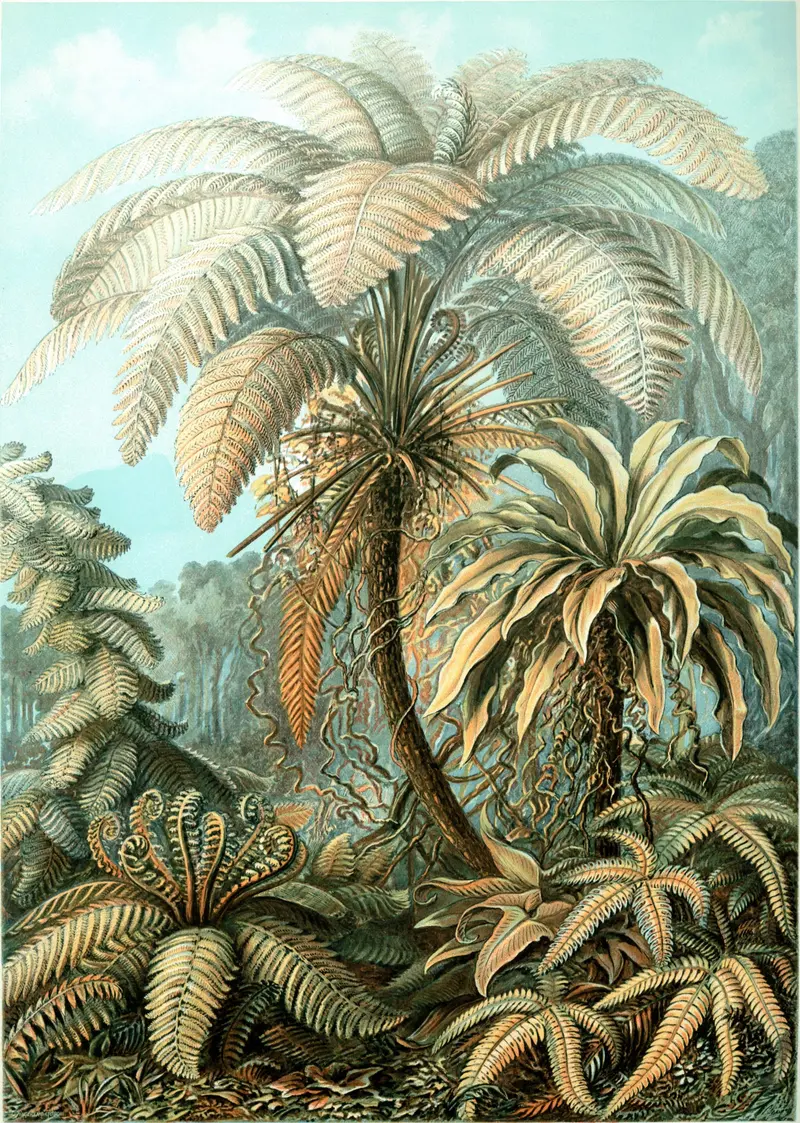
Filicinae (Ferns)
Ernst Haeckel
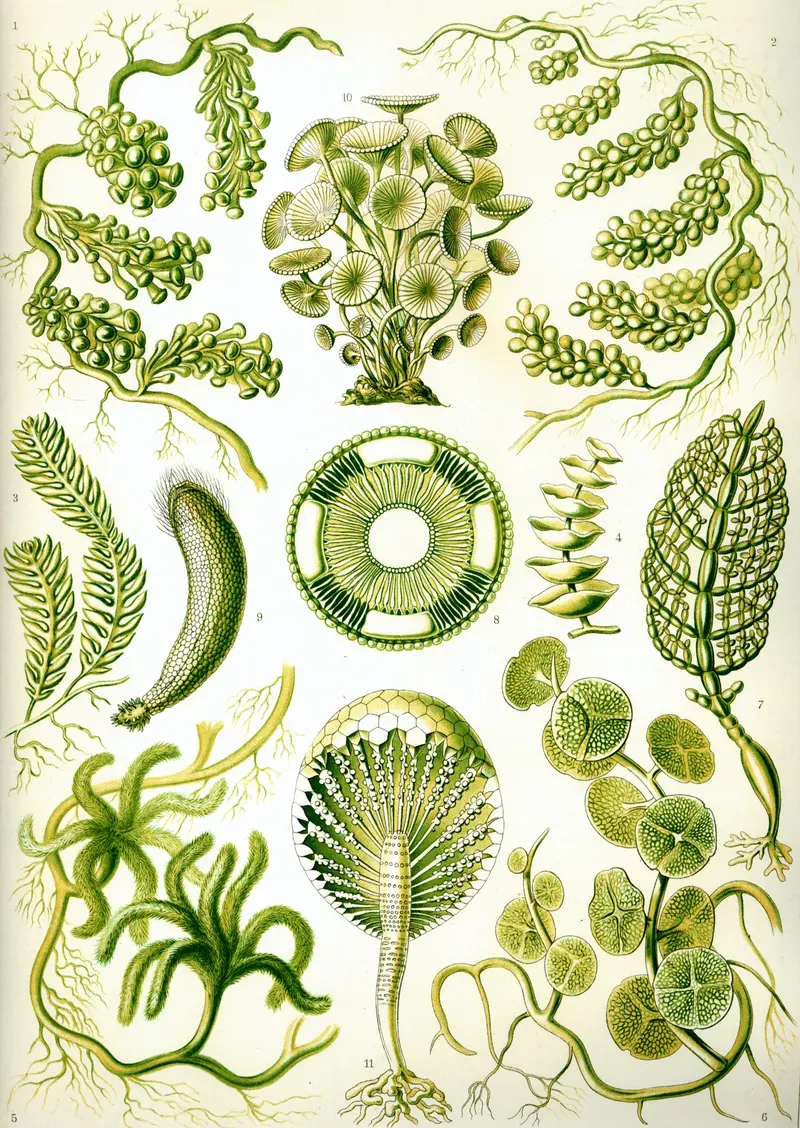
Siphoneae (Green Algae)
Ernst Haeckel

Cirripedia (Barnacles)
Ernst Haeckel

Actiniae (Sea Anemones)
Ernst Haeckel
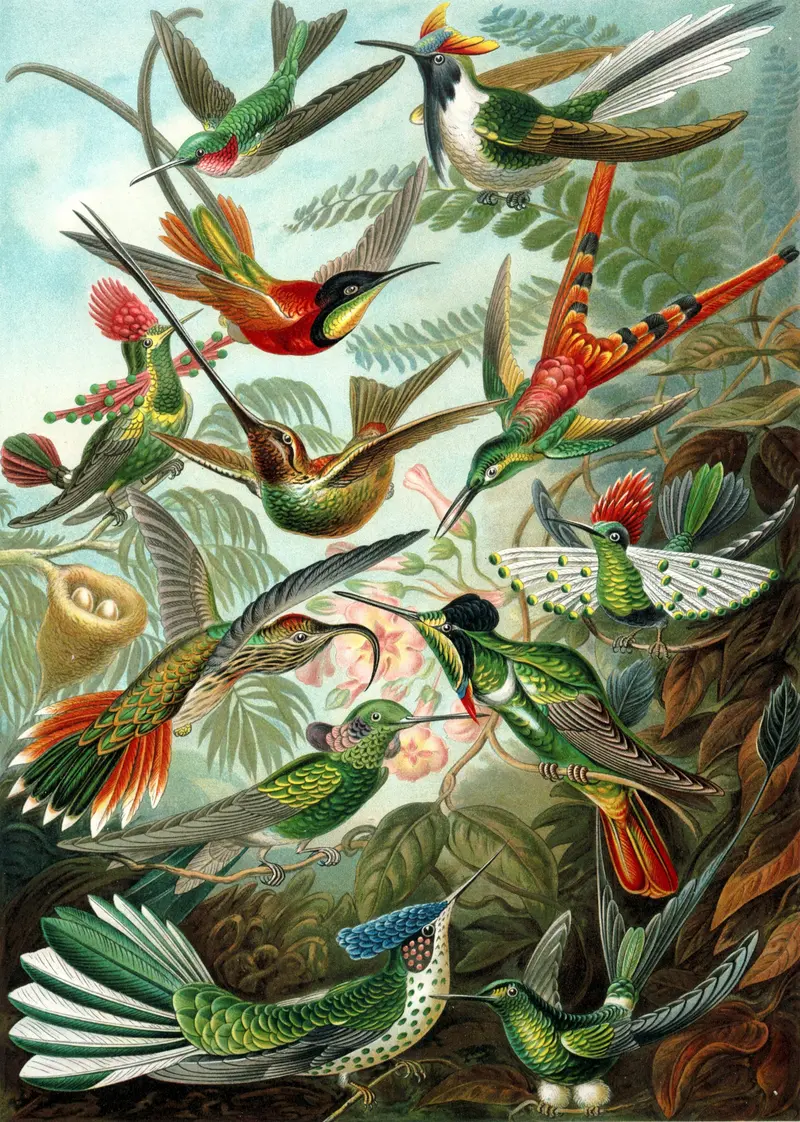
Trochilidae (Hummingbirds)
Ernst Haeckel
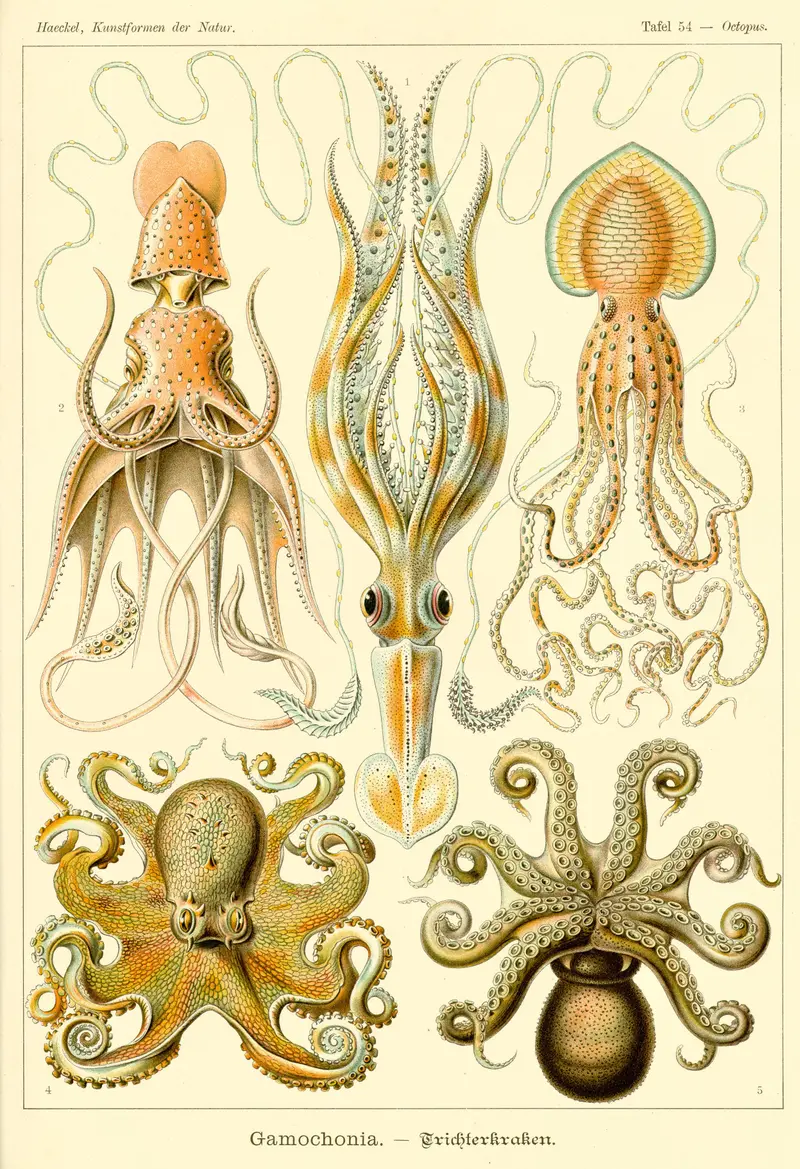
Gamochonia (Cephalopods)
Ernst Haeckel
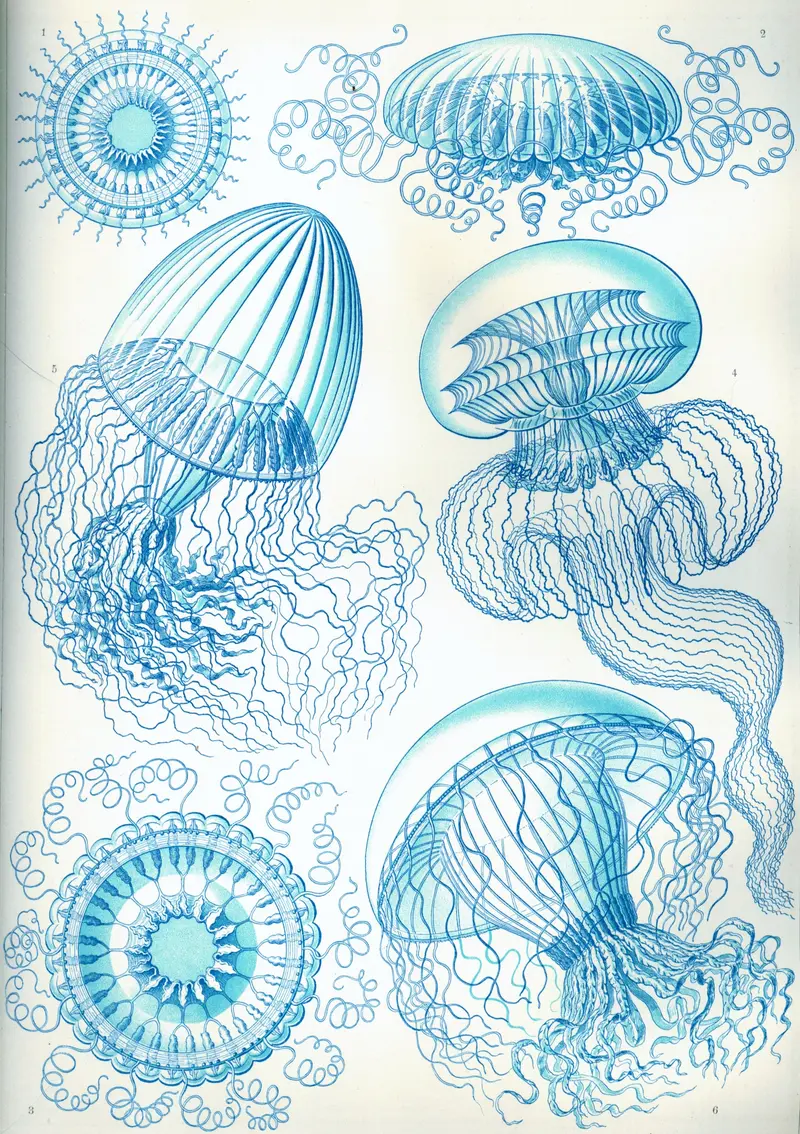
Leptomedusae (Jellyfish)
Ernst Haeckel
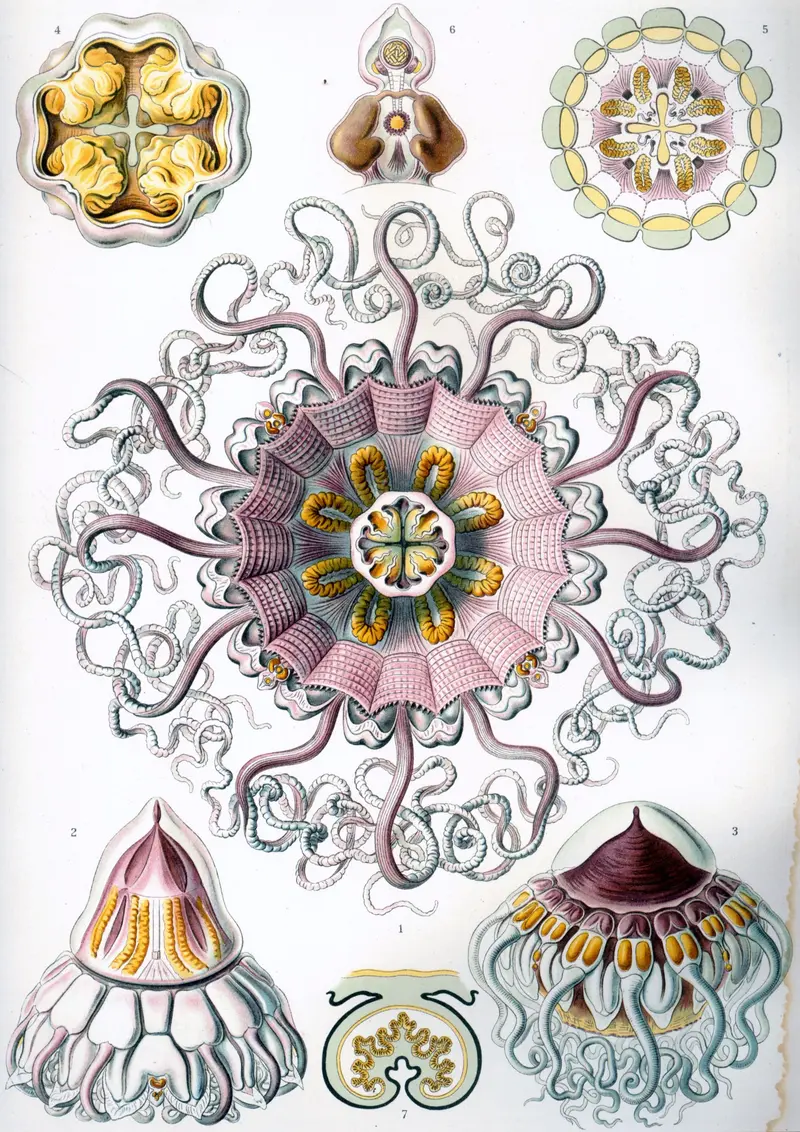
Peromedusae (Jellyfish)
Ernst Haeckel
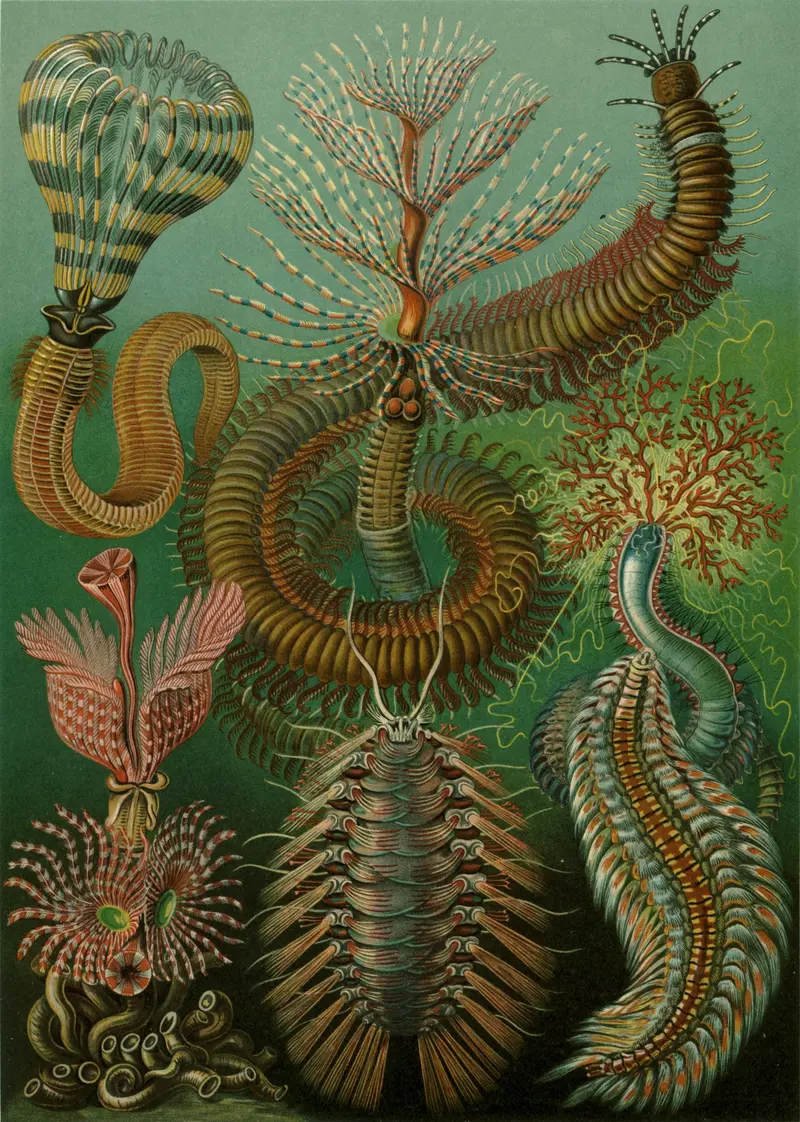
Chaetopoda (Bristle Worms)
Ernst Haeckel
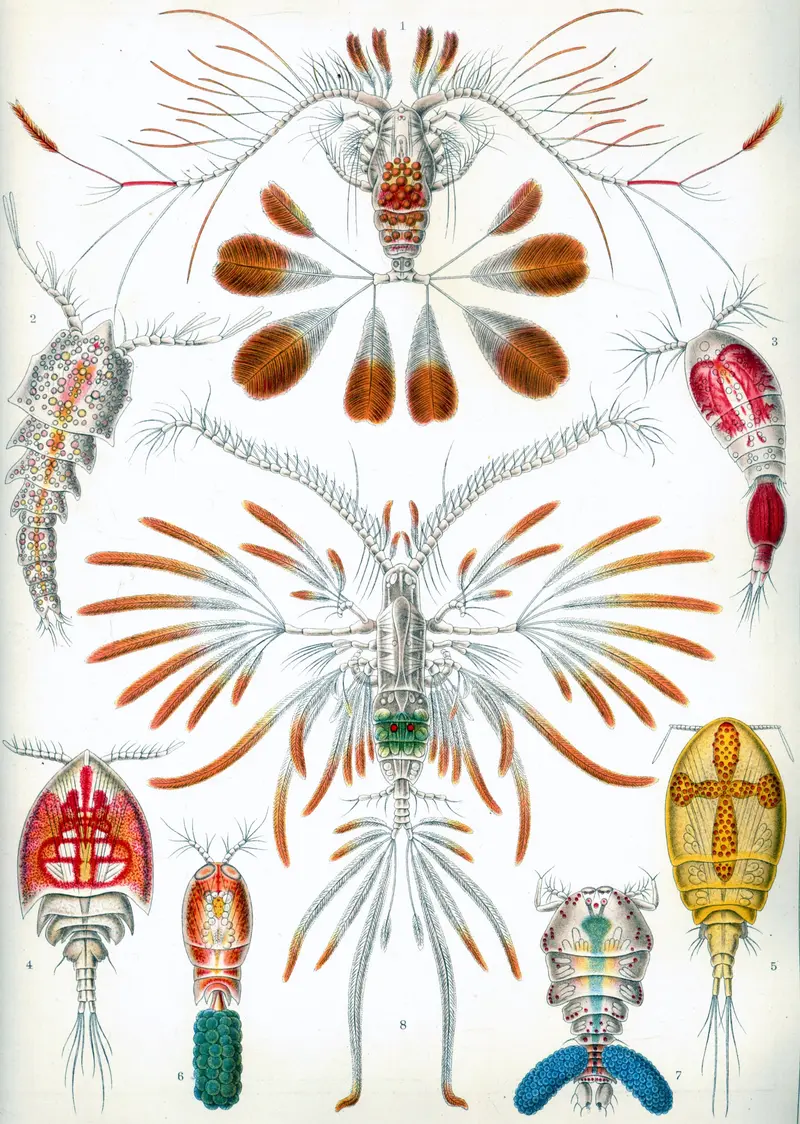
Copepoda (Copepods)
Ernst Haeckel





