
Chaetopoda (Bristle Worms) — History & Facts
What first seizes the eye in Chaetopoda (Bristle Worms) is the sense of organized chaos: a carnival of forms, each creature unfurling its feathery limbs and armored segments with theatrical precision. The composition draws the viewer in a spiral, from the luminous, crown-like appendages at the top left, through the muscular coils and bristling spines, to the intricate fans and tendrils below. Every detail is rendered with a clarity that borders on the fantastic—striped plumes radiate outward like fireworks, while the segmented bodies twist and interlock, each segment articulated with jewel-like care.
The palette—rich greens, ochres, and flashes of coral red—evokes a world both alien and inviting, where light seems to filter through water, illuminating the delicate architecture of life. Created in 1904 for Kunstformen der Natur, this plate by Ernst Haeckel belongs to a moment when science and art were partners in discovery. Such illustrations were commissioned not merely to instruct, but to astonish: they made visible the hidden wonders of the natural world for an audience hungry for knowledge at the dawn of the twentieth century. Haeckel’s work straddles the boundary between scientific record and aesthetic invention, part of a broader movement that saw natural history as a source of beauty as well as truth.
While the precise journey of this image is lost to history, its purpose endures: to invite us into the strange, ordered world beneath the sea, and to remind us that nature’s inventions often surpass our own. Look again, and notice how every filament and segment seems to pulse with intention, as if the creatures themselves are performing for your gaze.
More Artworks by Ernst Haeckel
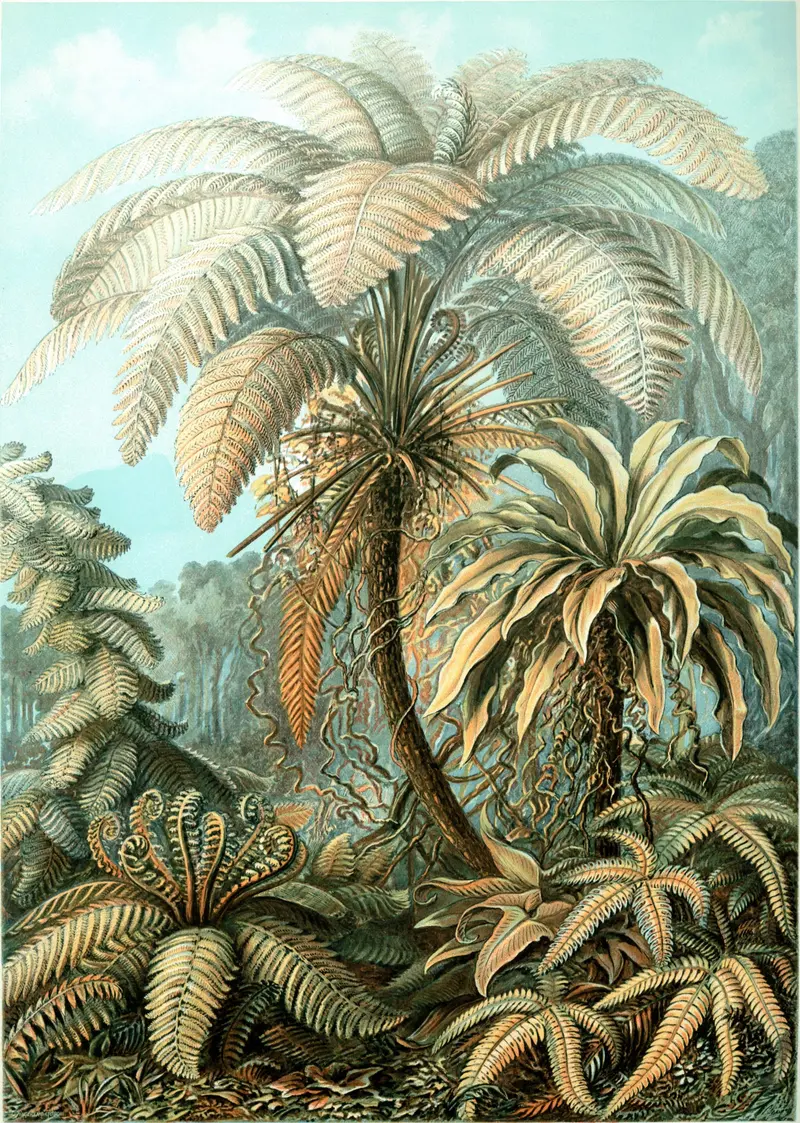
Filicinae (Ferns)
Ernst Haeckel
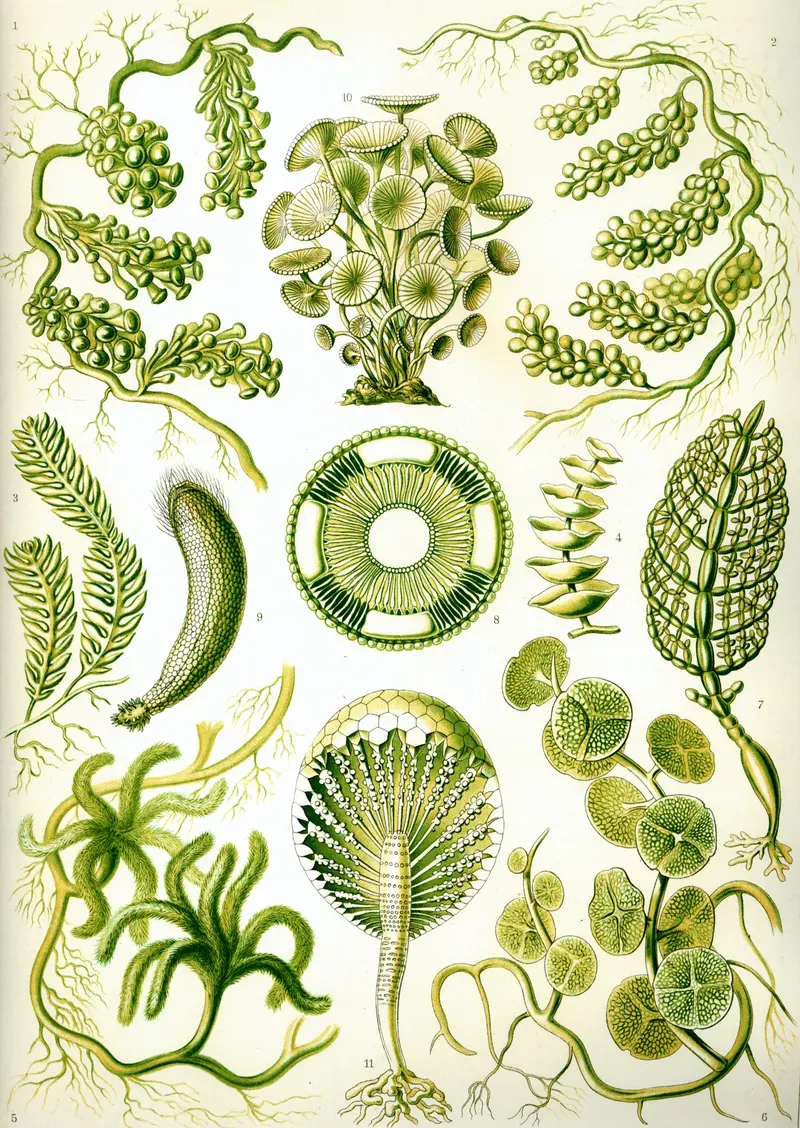
Siphoneae (Green Algae)
Ernst Haeckel

Cirripedia (Barnacles)
Ernst Haeckel

Actiniae (Sea Anemones)
Ernst Haeckel
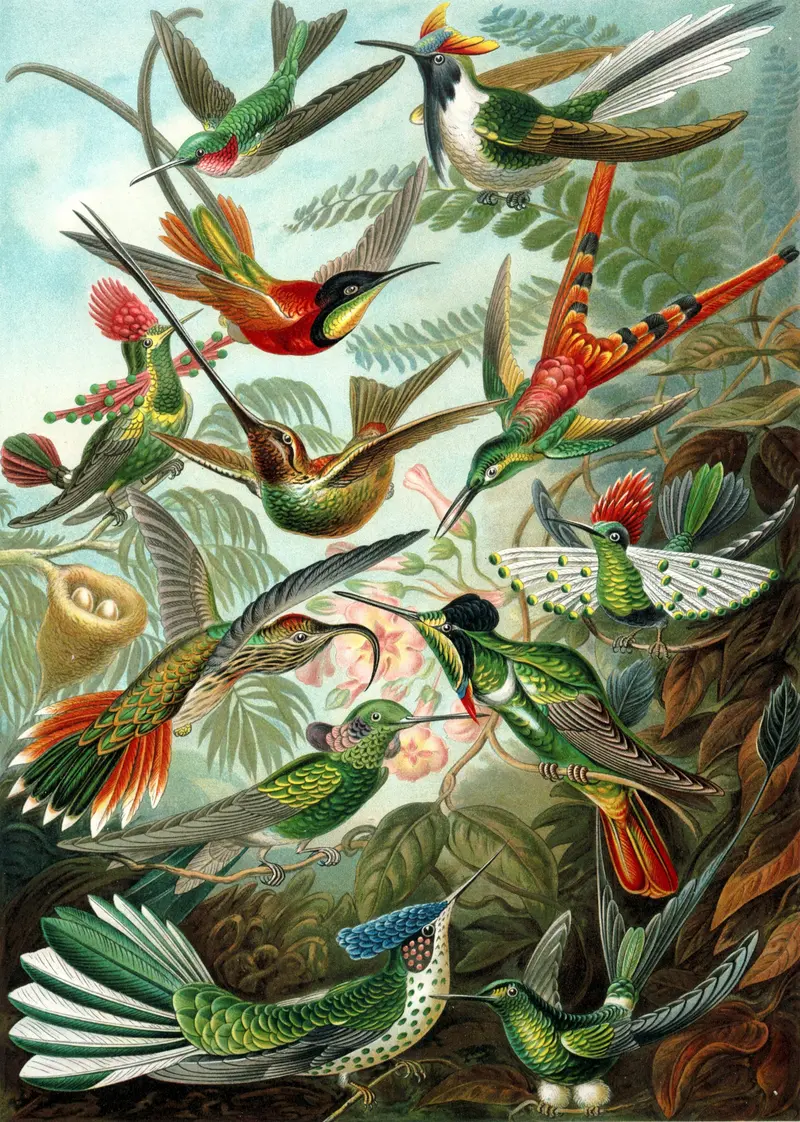
Trochilidae (Hummingbirds)
Ernst Haeckel
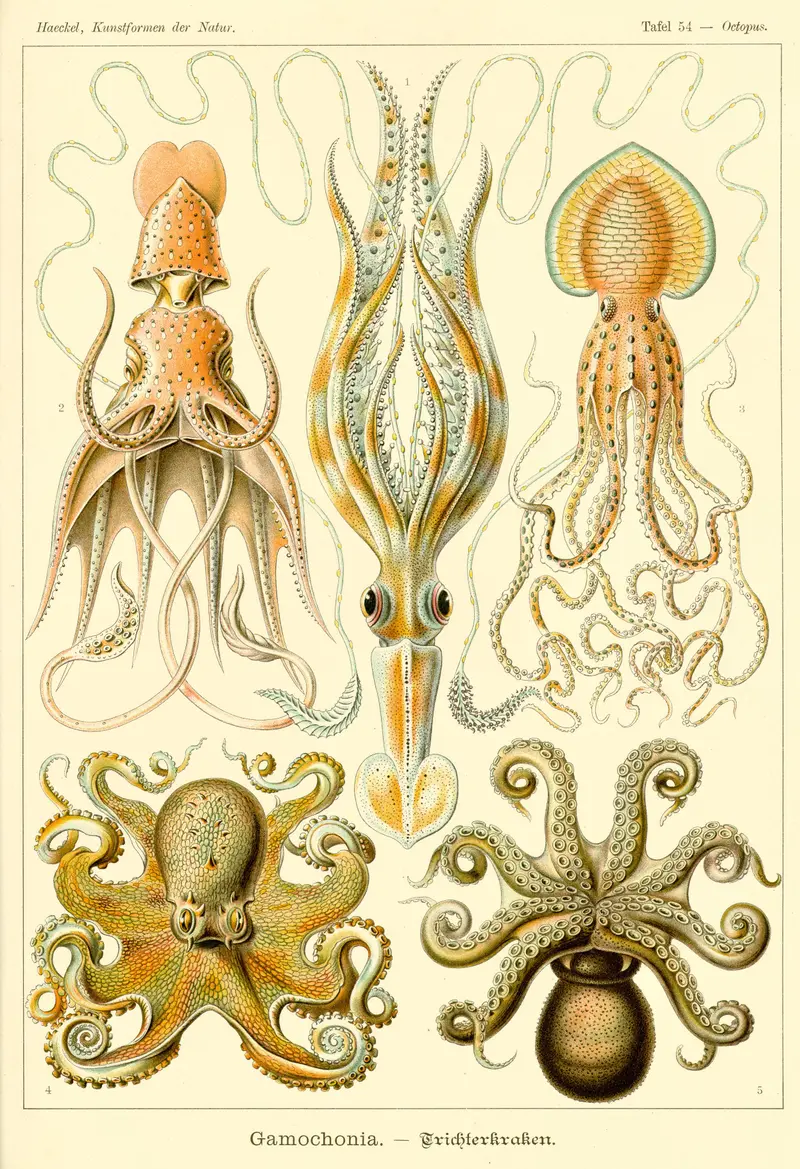
Gamochonia (Cephalopods)
Ernst Haeckel
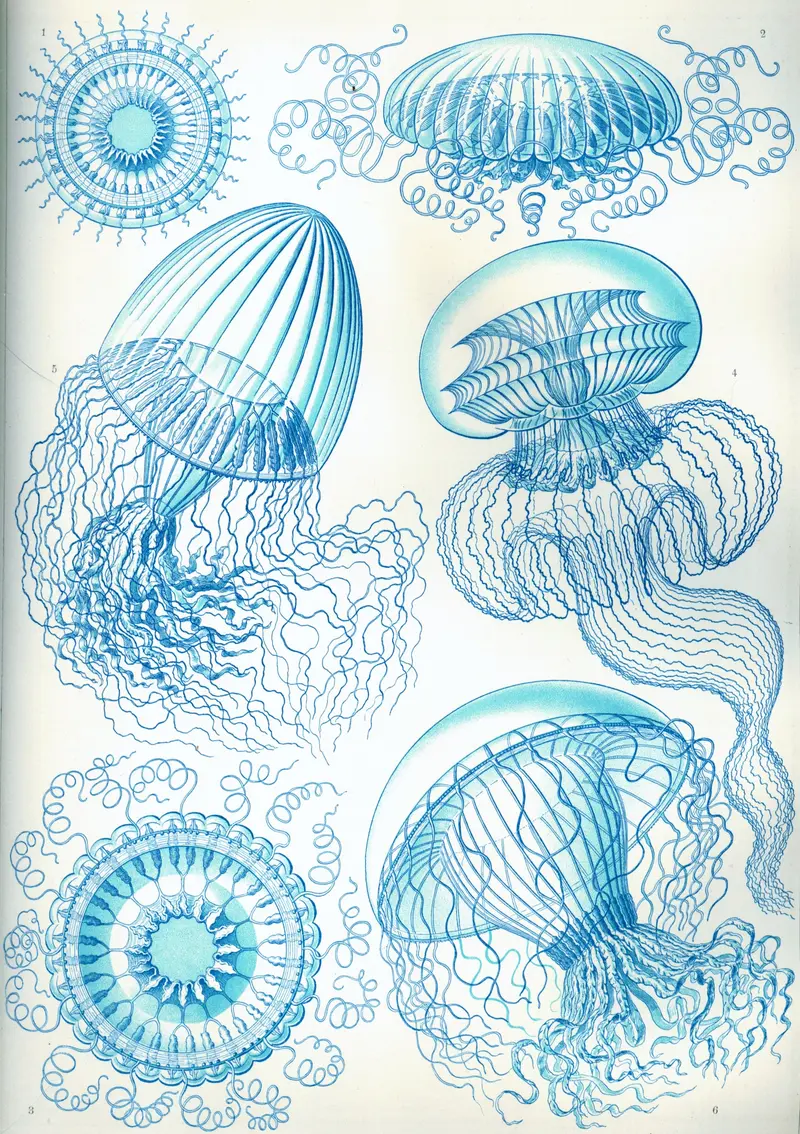
Leptomedusae (Jellyfish)
Ernst Haeckel
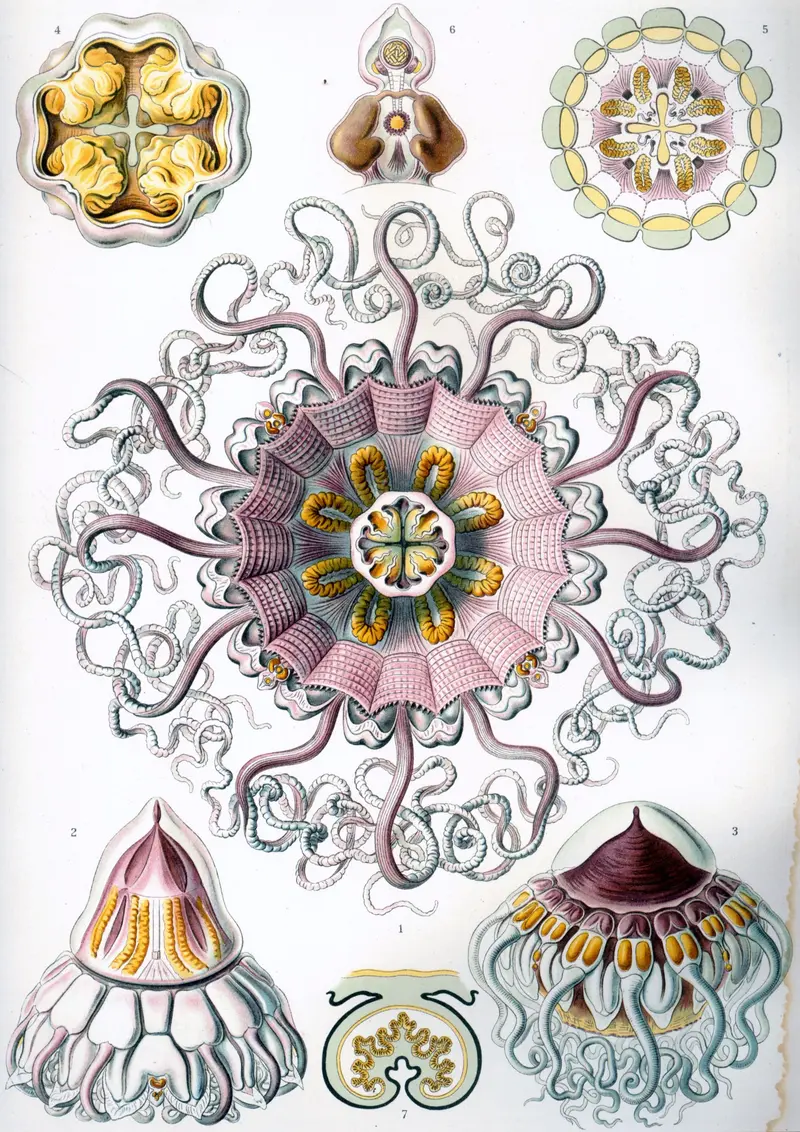
Peromedusae (Jellyfish)
Ernst Haeckel
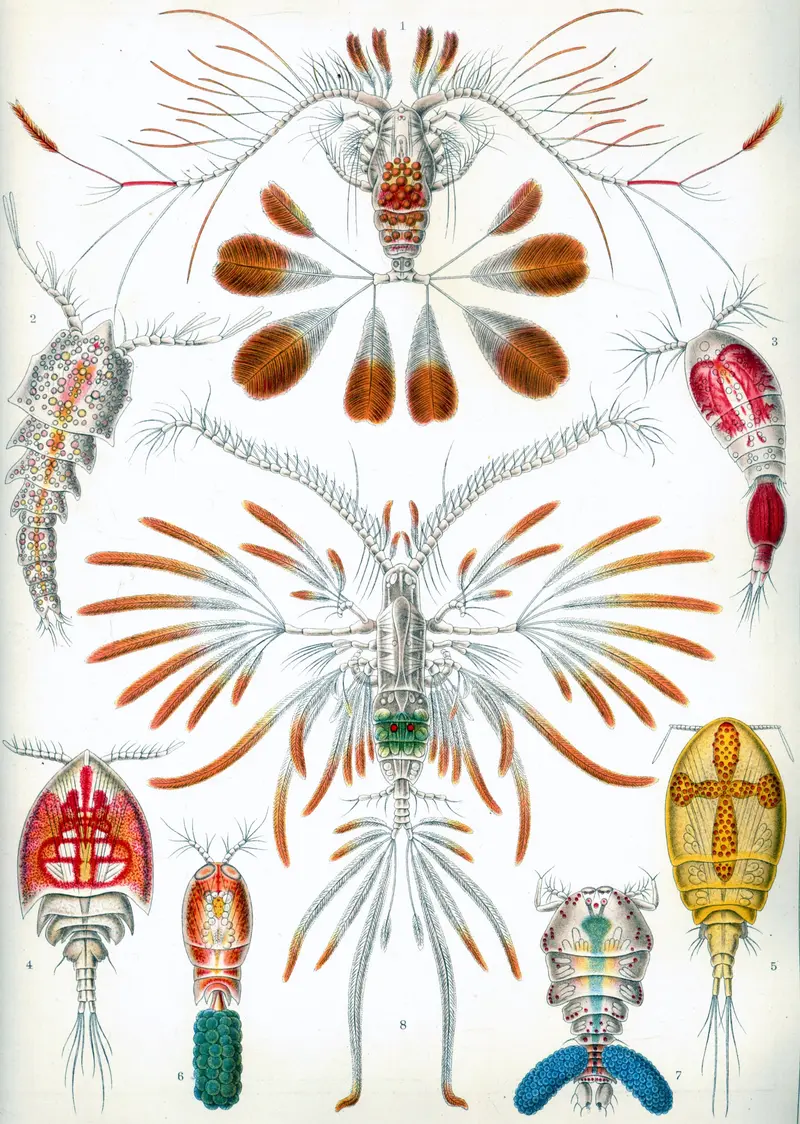
Copepoda (Copepods)
Ernst Haeckel
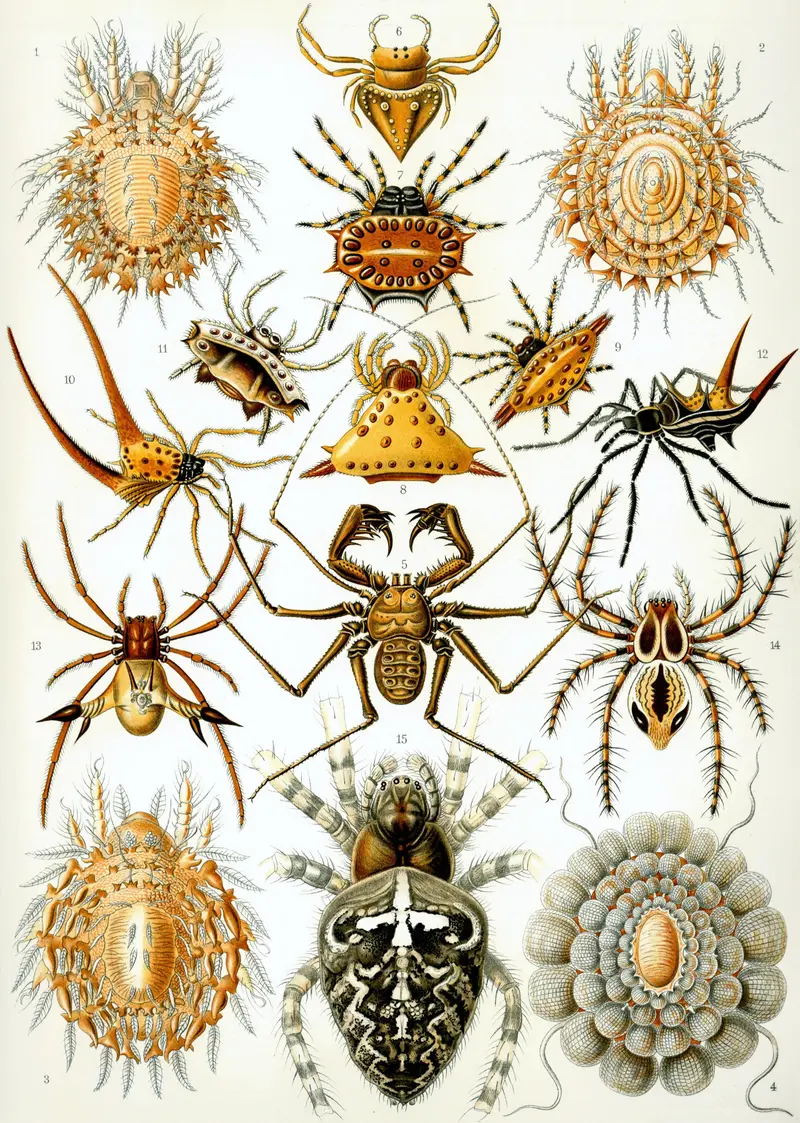
Arachnida (Spiders)
Ernst Haeckel





