
Gamochonia (Cephalopods) — History & Facts
What first seizes the eye in Gamochonia (Cephalopods) is the sense of choreography—these creatures, rendered with almost architectural precision, unfurl their limbs in a silent, underwater ballet. Each cephalopod is posed as if caught mid-drift, their tentacles looping and spiraling in patterns that seem both mathematical and alive. The central figure, with its elongated body and hypnotic eyes, draws the viewer in, while the surrounding octopuses and squids radiate outward, their suckered arms curling like the tendrils of an elaborate botanical specimen.
The palette is delicate, with washes of ochre, green, and blue that highlight the textures of skin and the glint of eyes, inviting the viewer to linger over each detail—the speckled mantles, the purposeful symmetry, the almost whimsical variety of forms. Created in 1904 for the celebrated volume Kunstformen der Natur, this plate stands at the intersection of science and art, a testament to an era when natural history illustration was both a tool of discovery and a form of visual delight. Ernst Haeckel’s images were not simply records for biologists, but objects of wonder for a public newly fascinated by the hidden worlds revealed by modern science. At the turn of the twentieth century, such works were commissioned for encyclopedias, classrooms, and salons, reflecting a culture hungry for knowledge and beauty in equal measure.
History has kept few traces of the individual journeys of these prints, but their impact endures: each time the viewer returns, the cephalopods’ silent dance seems to begin anew.
More Artworks by Ernst Haeckel
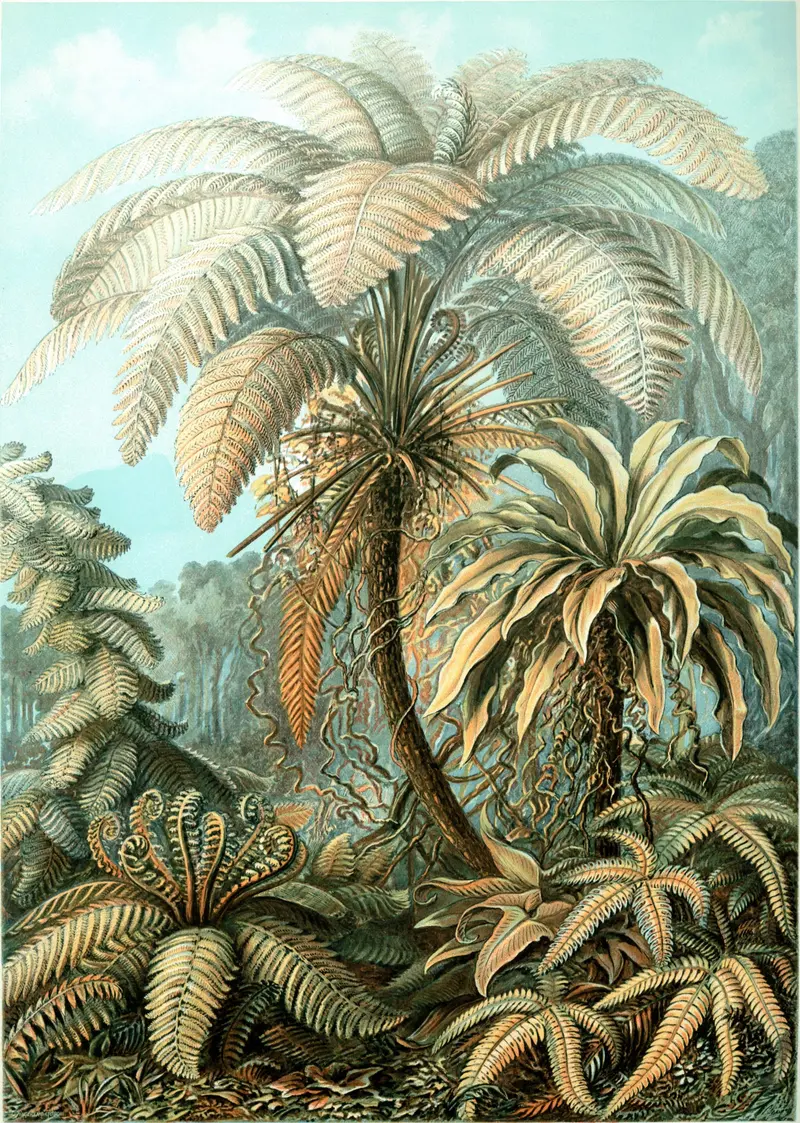
Filicinae (Ferns)
Ernst Haeckel
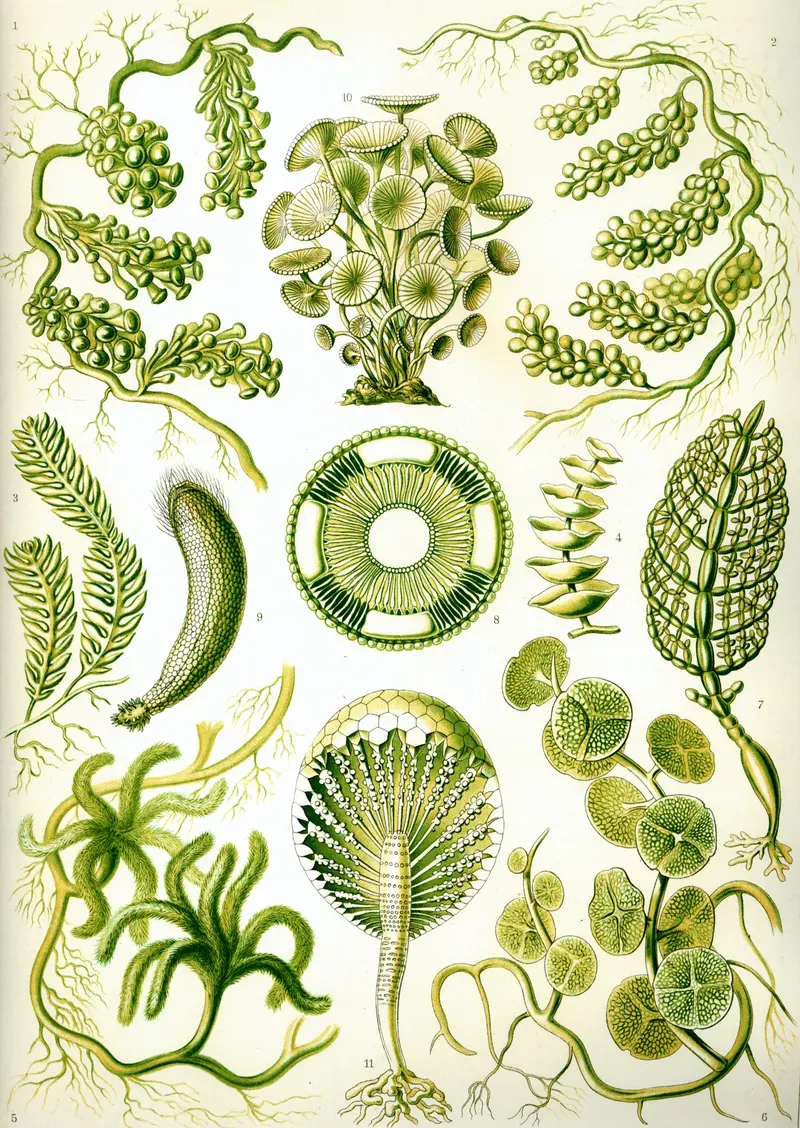
Siphoneae (Green Algae)
Ernst Haeckel

Cirripedia (Barnacles)
Ernst Haeckel

Actiniae (Sea Anemones)
Ernst Haeckel
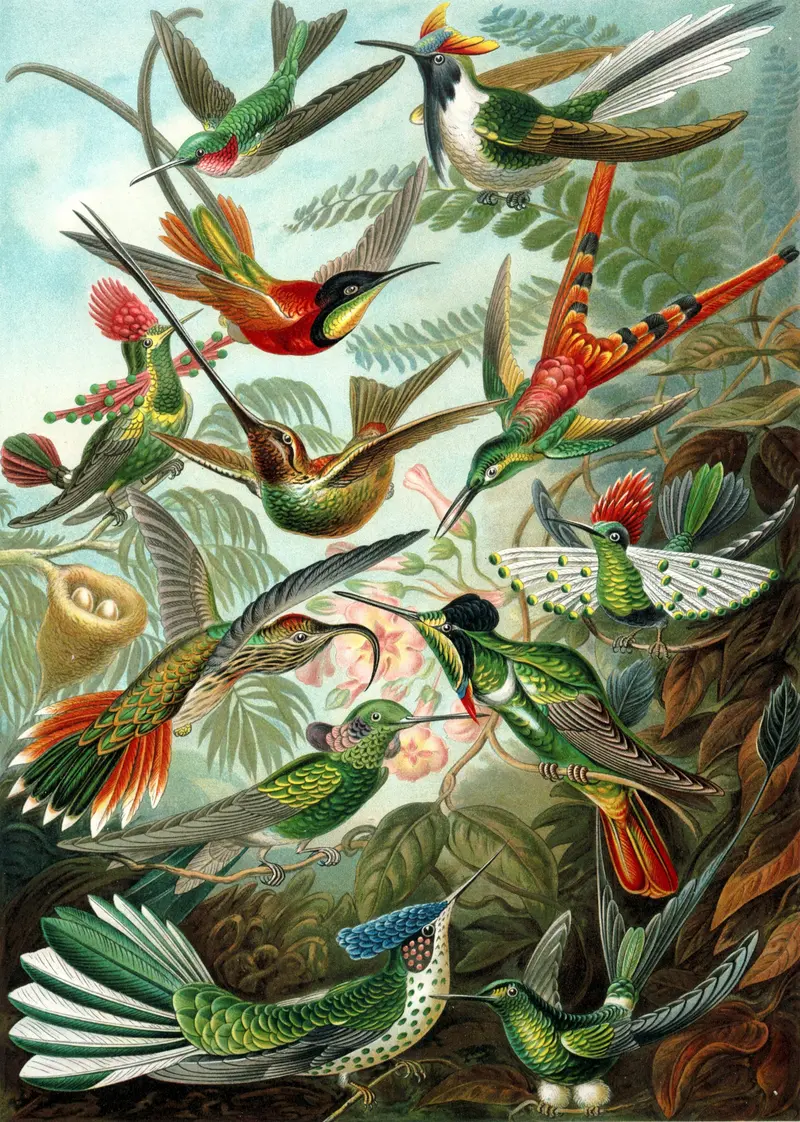
Trochilidae (Hummingbirds)
Ernst Haeckel
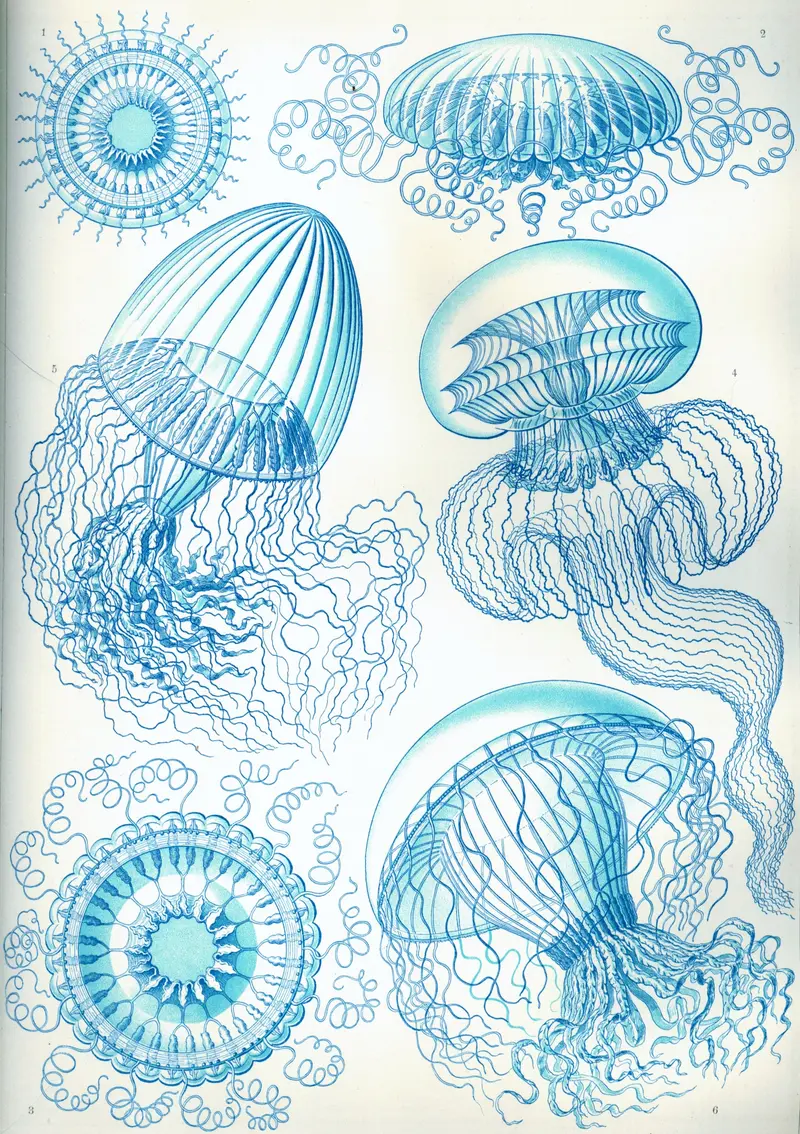
Leptomedusae (Jellyfish)
Ernst Haeckel
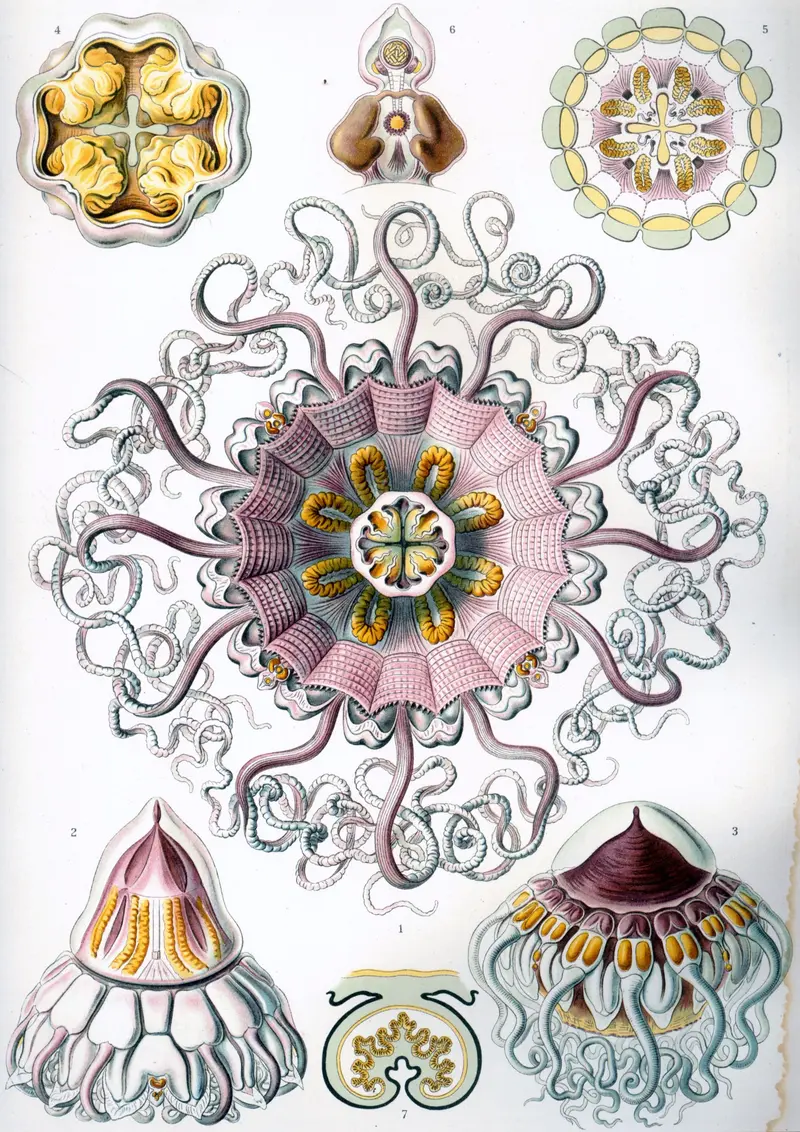
Peromedusae (Jellyfish)
Ernst Haeckel
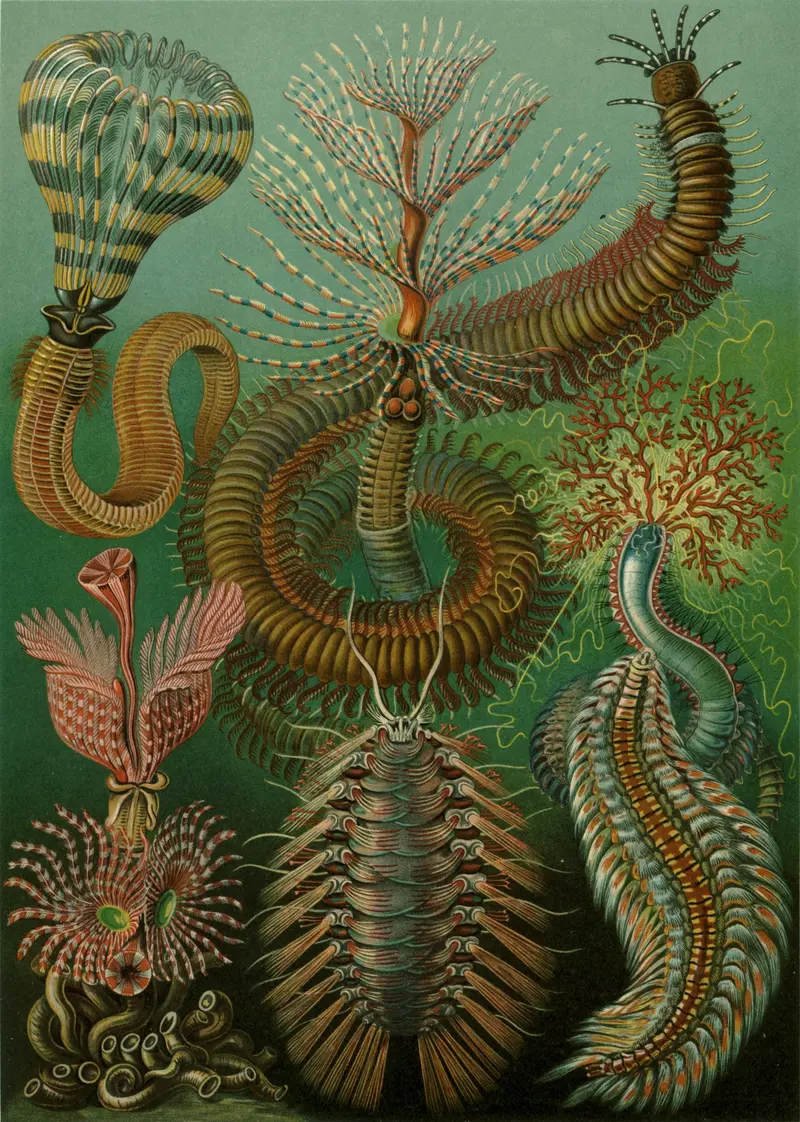
Chaetopoda (Bristle Worms)
Ernst Haeckel
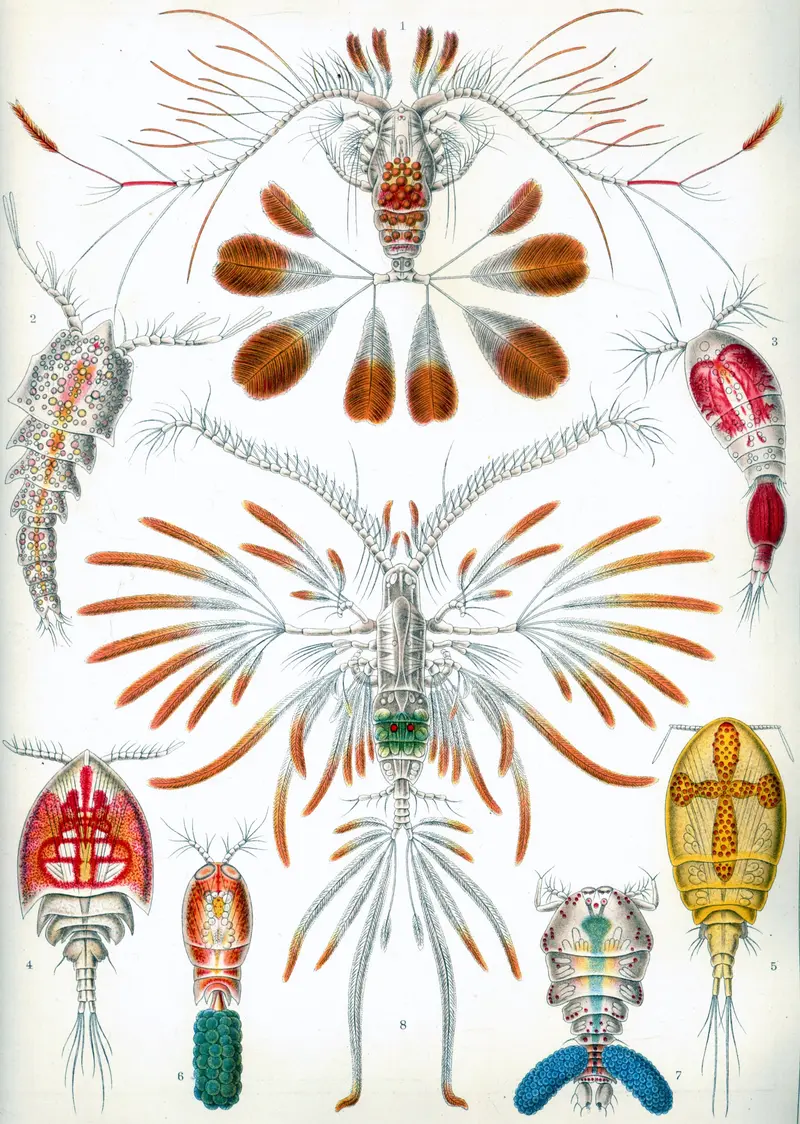
Copepoda (Copepods)
Ernst Haeckel
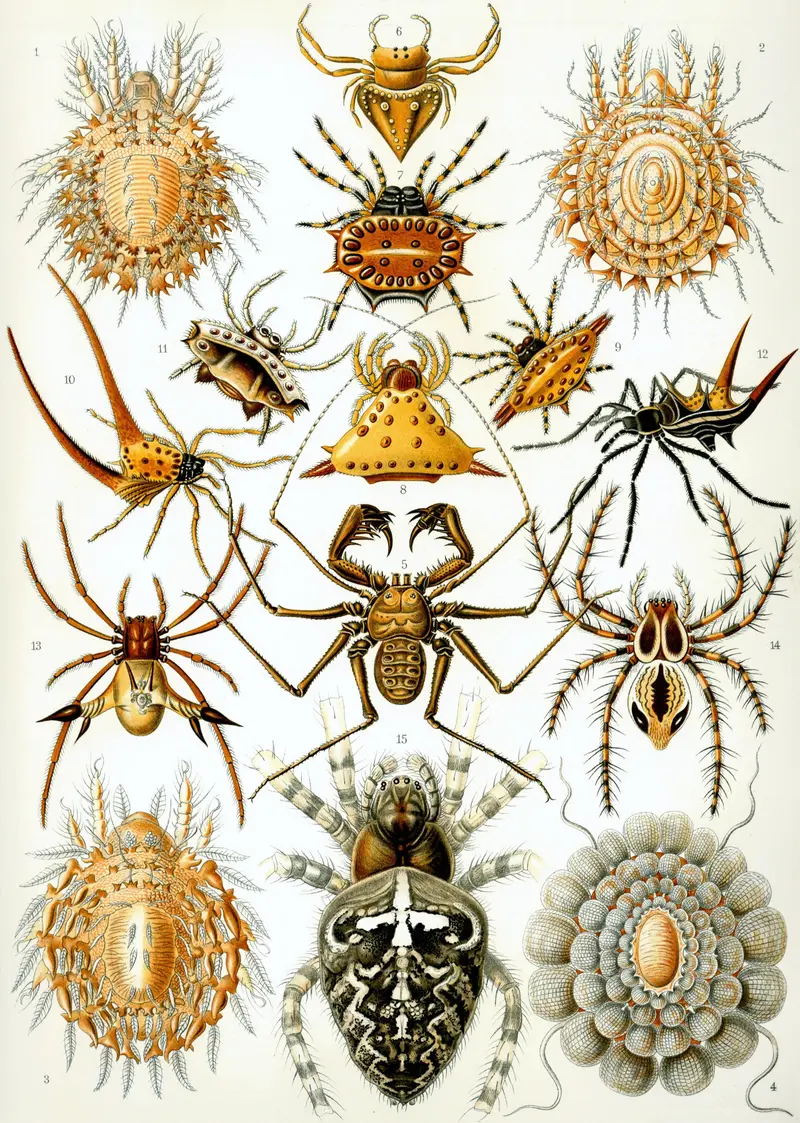
Arachnida (Spiders)
Ernst Haeckel





