
Decaying forest — History & Facts
A single pine stands defiantly against the fading light, its roots gripping ancient stone as if refusing to surrender. Around it, the forest has collapsed into ruin: toppled trunks, splintered branches, and mossy boulders crowd the foreground, their forms caught in the last gold of sunset. The eye is drawn first to the central tree, a survivor marked by age and weather, then pulled across the tangle of debris—a silent record of time’s slow undoing.
Water trickles through the rocks, barely visible, its movement a quiet counterpoint to the stillness of decay. The palette is earthy and cool, with the sky’s yellow glow lending a strange calm to the devastation below. Painted in 1852, Decaying forest belongs to the moment when Northern European artists, like August Cappelen, turned their gaze to the wild, untamed landscapes of their own countries. Such works were not mere records of scenery, but meditations on nature’s cycles and the passage of time, often commissioned by collectors eager to possess a piece of their national heritage or to contemplate the power of nature.
The painting’s presence today in a digital museum hints at its journey from private hands to public collection, though history has kept few traces of its path. What endures is the sense of pause—the moment between ruin and renewal—that Cappelen captured, inviting us to linger in the quiet drama of stone, wood, and fading light.
Sources: Wikidata Q55421160 · Image source (Wikimedia Commons)
More Artworks by August Cappelen

Landscape Study with a Precipice
August Cappelen
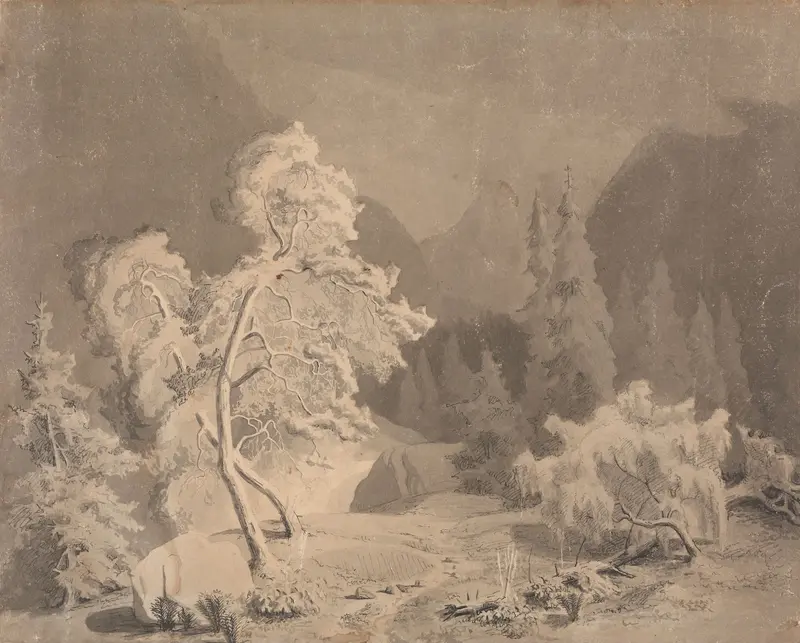
Forest Landscape
August Cappelen
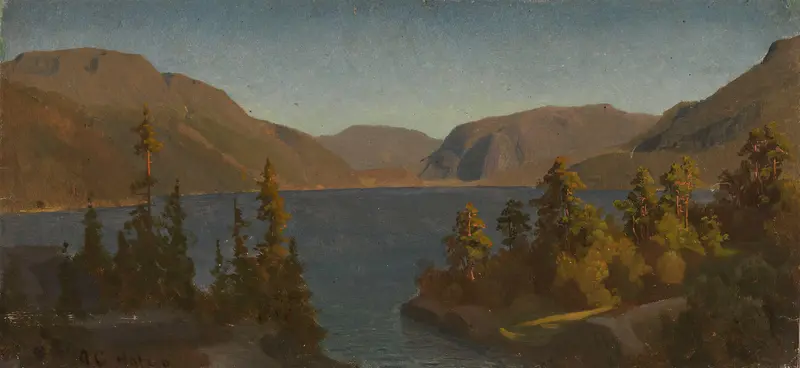
Lake in Telemark
August Cappelen
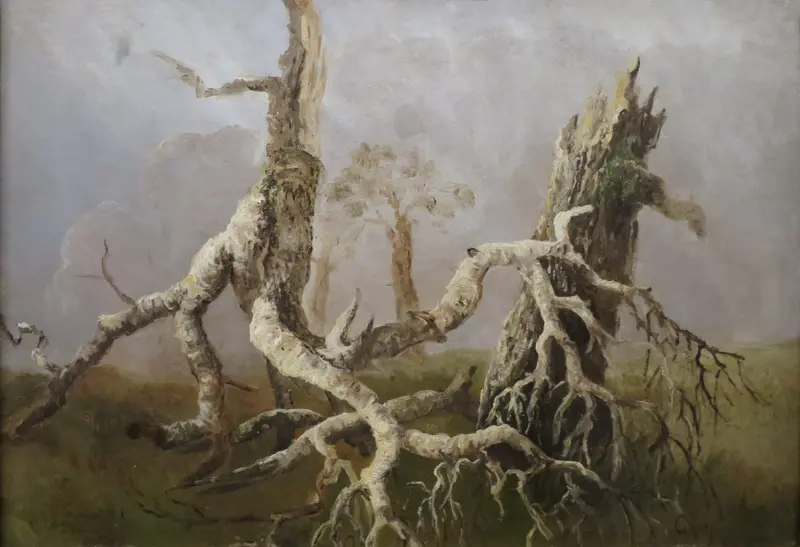
Dying Trees
August Cappelen
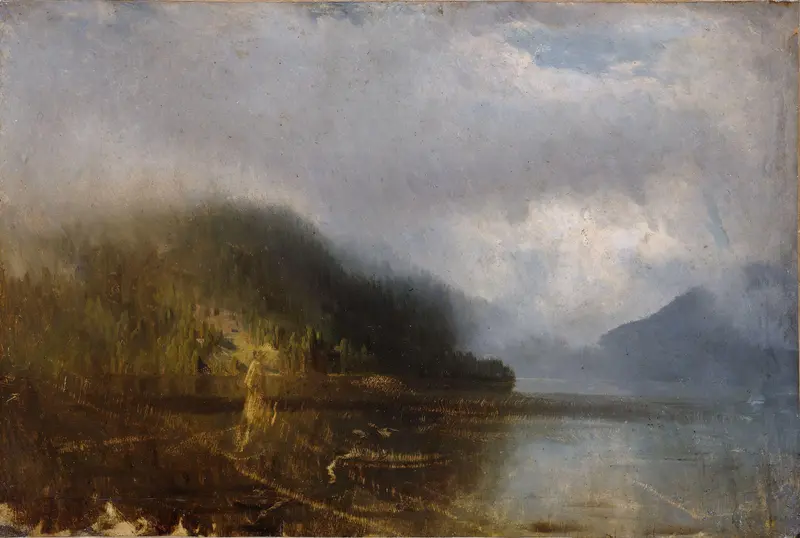
Lake in Fog
August Cappelen
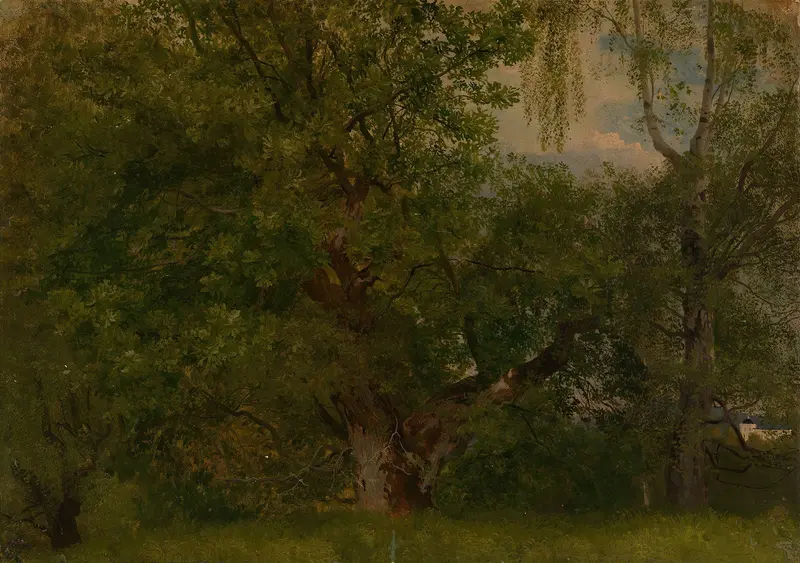
Wood near Ulefoss
August Cappelen
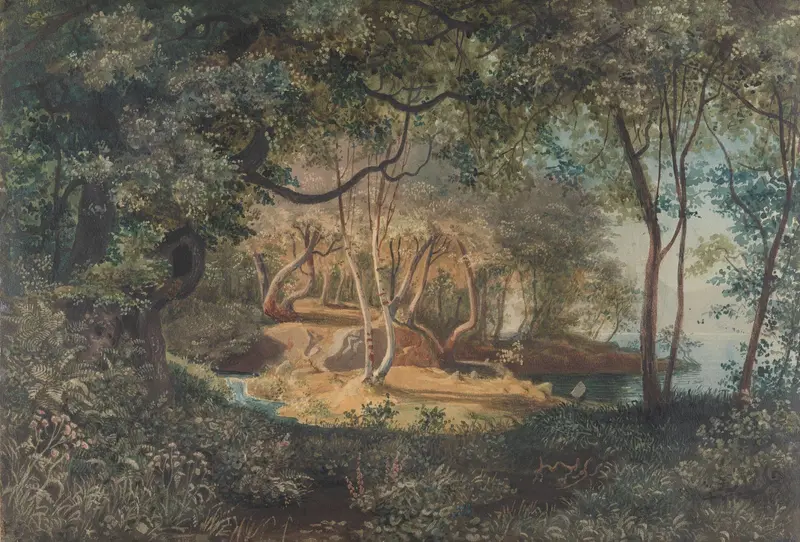
Woodland by the Fjord
August Cappelen
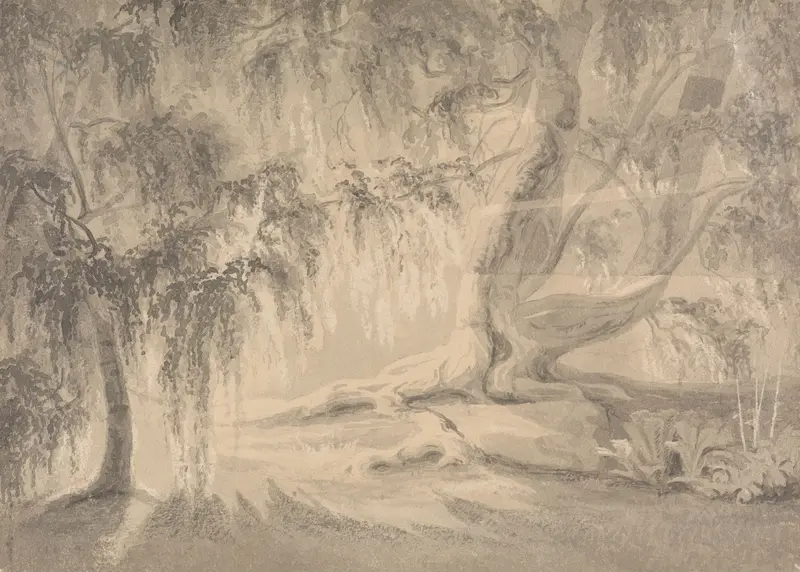
Forest Landscape with Sun Rays
August Cappelen
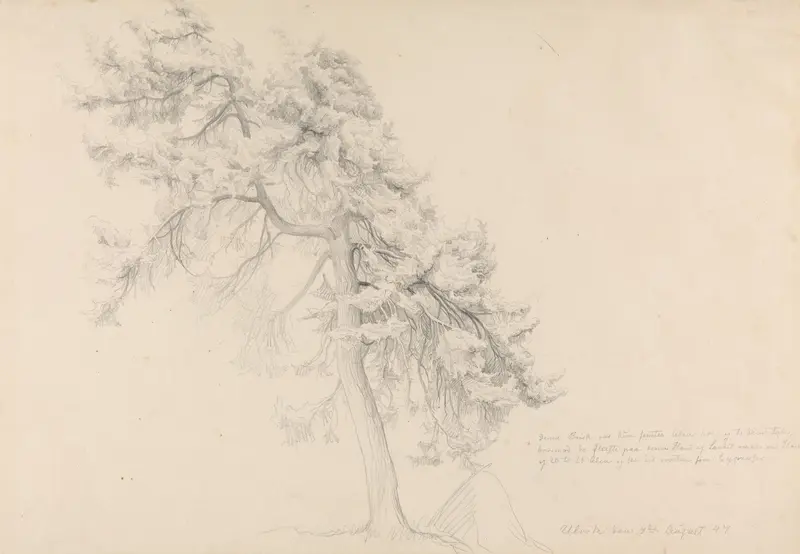
Juniper, Ulvik
August Cappelen
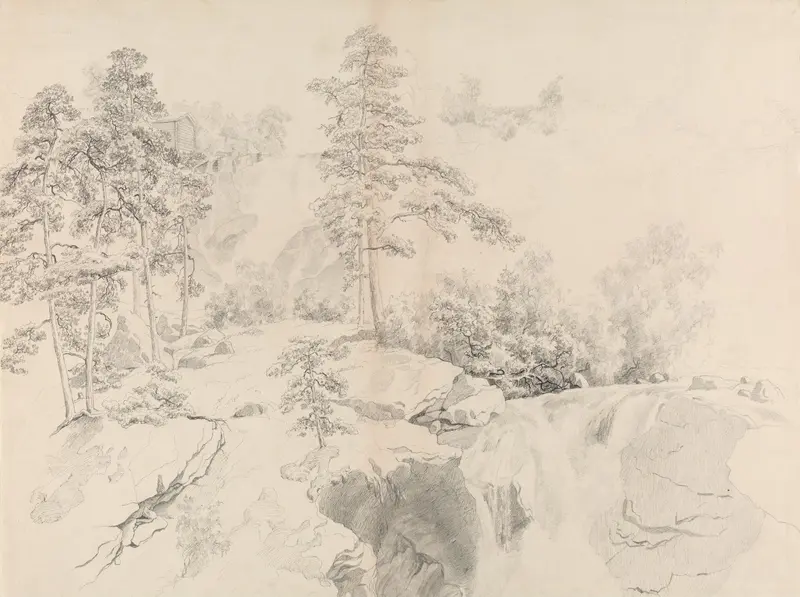
Landscape with Mill House and Waterfall
August Cappelen
More Landscape Art

The Starry Night
Vincent van Gogh

View of Delft
Johannes Vermeer

Water Lilies
Claude Monet

The Grand Canal, Venice, looking north-west from the Ca' Corner to the Ca' Contarini degli Scrigni, with the campanile of Santa Maria della Carità
Canaletto

Windsor Castle
Canaletto

The Grand Canal looking North-East from the Palazzo Dolfin-Manin to the Rialto Bridge
Canaletto