
Landscape with Mill House and Waterfall — History & Facts
A hush settles over the scene, as if the world itself is pausing to listen to the rush of water tumbling over stone. In Landscape with Mill House and Waterfall, August Cappelen draws the eye first to the delicate interplay of line and shadow, where the sweep of the waterfall slices through the quiet forest. The mill house, half-hidden among the trees, is a whisper of human presence—its roof just visible, its walls receding into the thicket.
Each tree stands with a distinct personality, their trunks bending and twisting, guiding the viewer’s gaze from the rocky foreground to the distant, misty heights. The composition is a careful balancing act: the drama of the rocks and water is softened by the gentle, almost tentative rendering of foliage, inviting the viewer to linger in the details. Created sometime between 1827 and 1852, this work belongs to a period when Scandinavian artists like Cappelen turned their attention to the wild, unspoiled landscapes of their homeland. Such drawings were often made as studies for larger oil paintings or as independent works for collectors who prized the immediacy and intimacy of pencil on paper.
The National Museum of Art, Architecture and Design now holds this piece, a testament to the era’s fascination with nature’s grandeur and the subtle traces of rural life. History has kept few traces of this particular drawing’s journey, but its quiet force endures—inviting us to step closer, to imagine the sound of water, and to lose ourselves in the intricate language of line.
More Artworks by August Cappelen

Landscape Study with a Precipice
August Cappelen

Decaying forest
August Cappelen
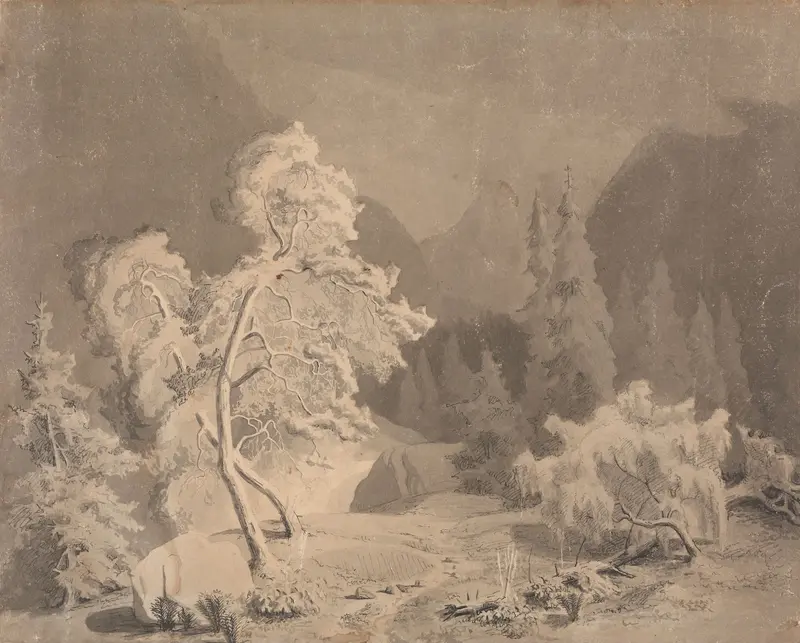
Forest Landscape
August Cappelen

Lake in Telemark
August Cappelen
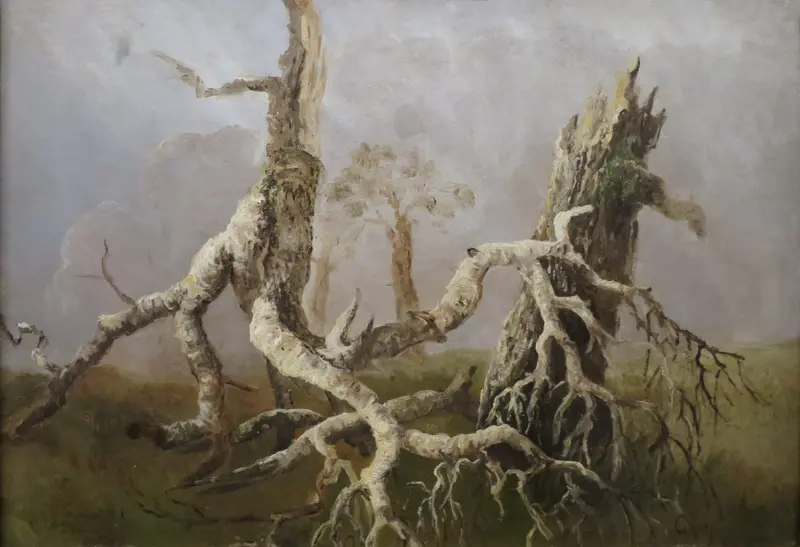
Dying Trees
August Cappelen
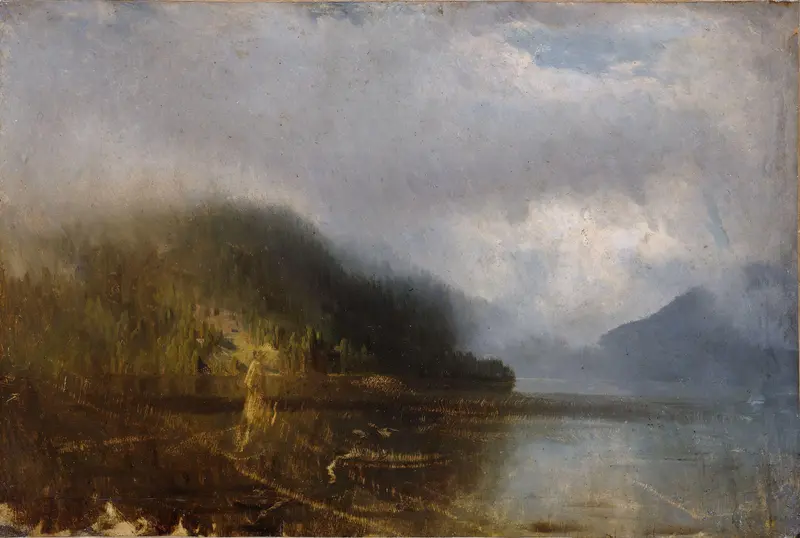
Lake in Fog
August Cappelen
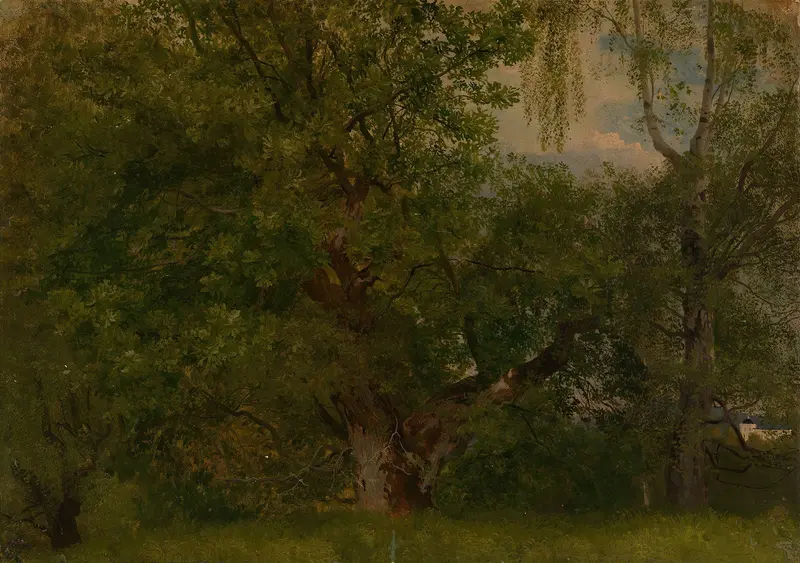
Wood near Ulefoss
August Cappelen
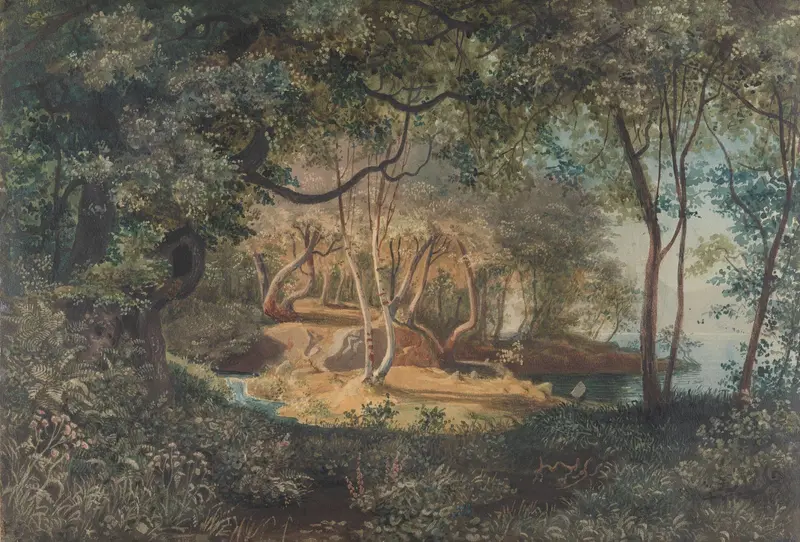
Woodland by the Fjord
August Cappelen
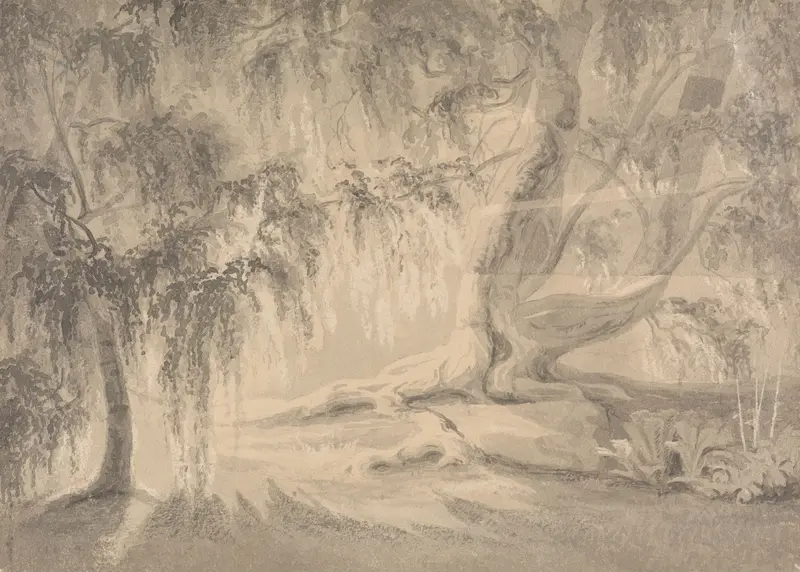
Forest Landscape with Sun Rays
August Cappelen
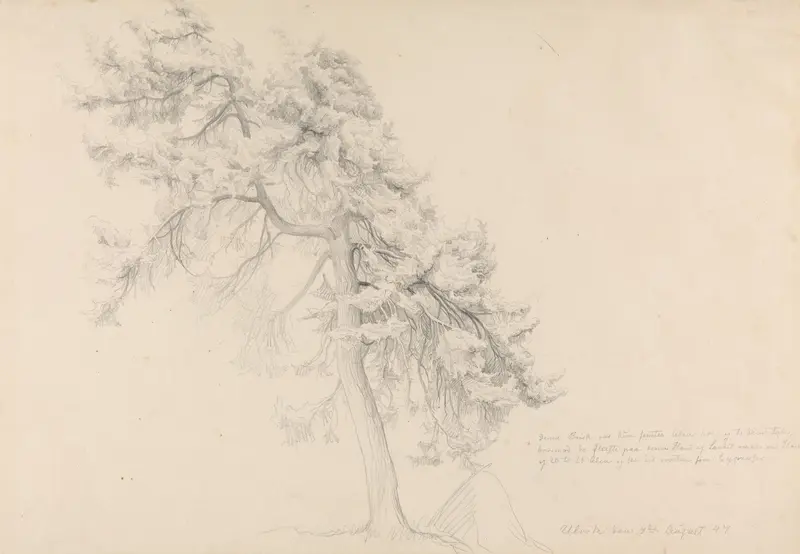
Juniper, Ulvik
August Cappelen
More Landscape Art

The Starry Night
Vincent van Gogh

View of Delft
Johannes Vermeer

Water Lilies
Claude Monet

The Grand Canal, Venice, looking north-west from the Ca' Corner to the Ca' Contarini degli Scrigni, with the campanile of Santa Maria della Carità
Canaletto

Windsor Castle
Canaletto

The Grand Canal looking North-East from the Palazzo Dolfin-Manin to the Rialto Bridge
Canaletto