
Juniper, Ulvik — History & Facts
What first catches the eye in Juniper, Ulvik is the sheer individuality of the tree itself—leaning, weathered, and rendered with a patience that seems to slow time. The artist, August Cappelen, has chosen a single juniper as his subject, but this is no generic specimen. Every branch and tuft of needle is mapped with delicate graphite, the trunk bending as if bowing to unseen winds.
The tree’s posture, slightly askew and reaching, suggests a long life shaped by the elements, its resilience quietly heroic. Cappelen’s lines are both precise and searching, giving the juniper a presence that feels at once fragile and enduring. This drawing belongs to a moment in the mid-19th century when artists across Scandinavia turned their gaze to the native landscape, seeking not the grand vistas of Romanticism but the intimate truths of local nature. Created on 9 August 1847 and now held by the National Museum of Art, Architecture and Design, this work is a testament to the era’s fascination with solitary motifs and close observation.
Such studies were often made en plein air, intended for later use in larger compositions or as meditations on nature’s forms. History has kept few traces of Juniper, Ulvik beyond its date and place, but its quiet focus invites the viewer to linger—following each pencil stroke, one can almost feel the roughness of the bark and the hush of the Norwegian summer.
More Artworks by August Cappelen

Landscape Study with a Precipice
August Cappelen

Decaying forest
August Cappelen
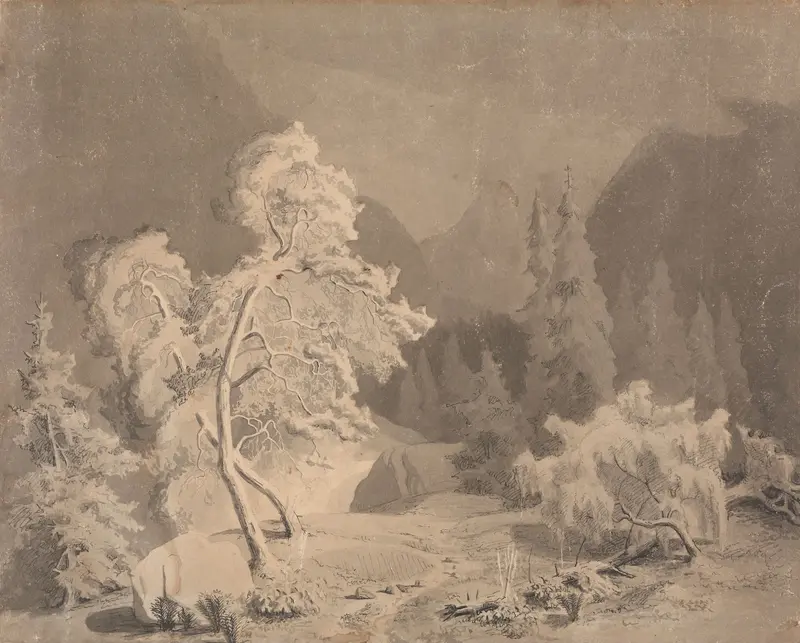
Forest Landscape
August Cappelen
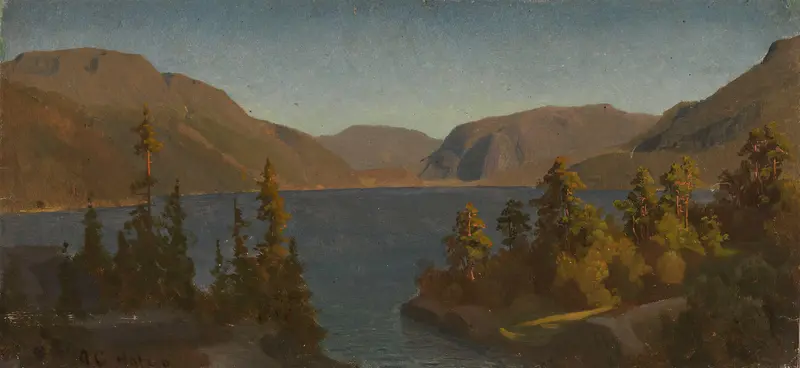
Lake in Telemark
August Cappelen
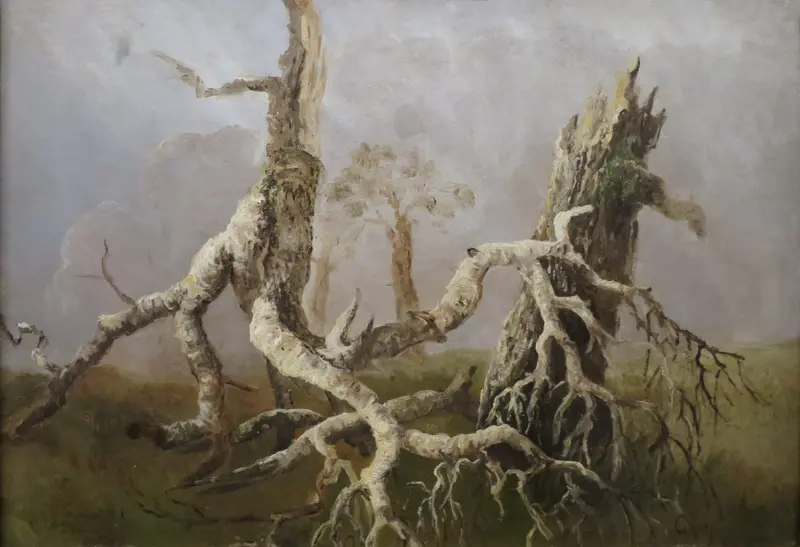
Dying Trees
August Cappelen
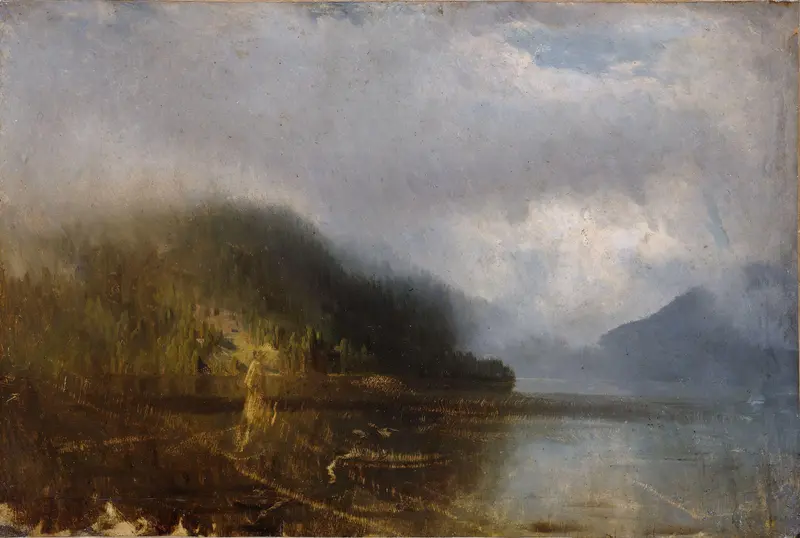
Lake in Fog
August Cappelen
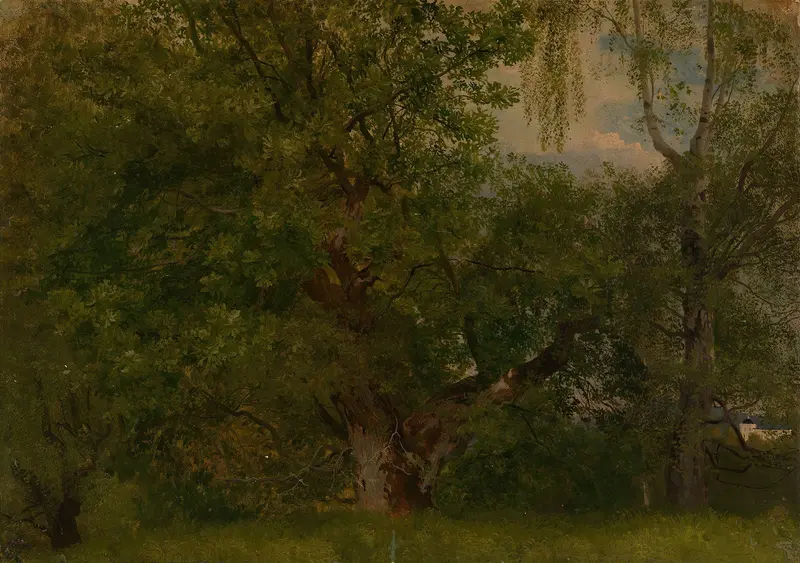
Wood near Ulefoss
August Cappelen
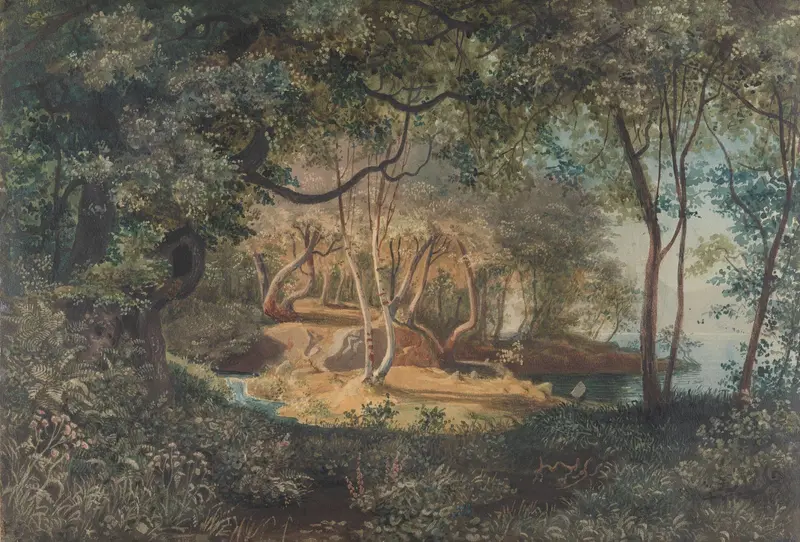
Woodland by the Fjord
August Cappelen
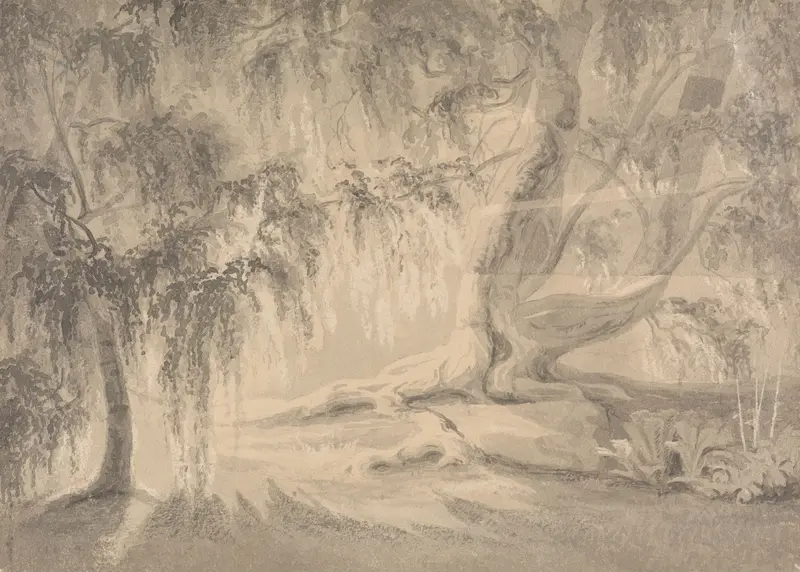
Forest Landscape with Sun Rays
August Cappelen
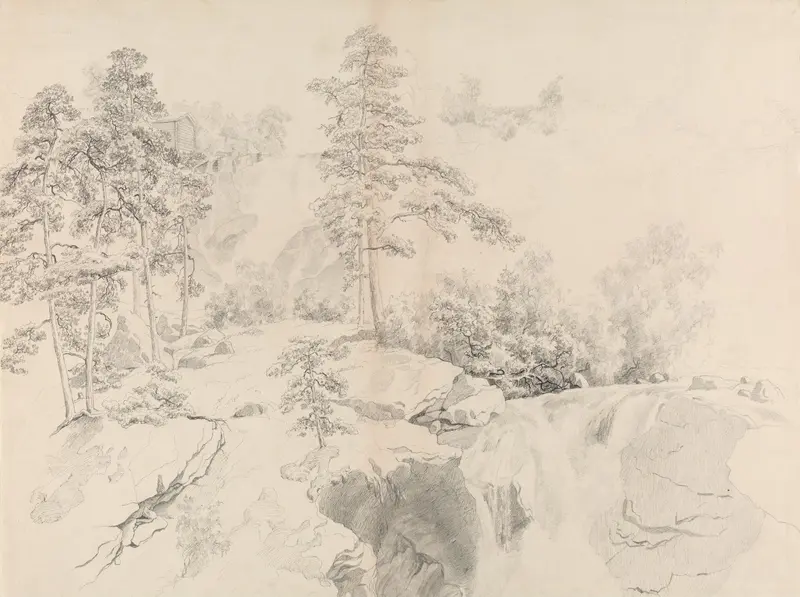
Landscape with Mill House and Waterfall
August Cappelen
More Landscape Art

The Starry Night
Vincent van Gogh

View of Delft
Johannes Vermeer

Water Lilies
Claude Monet

The Grand Canal, Venice, looking north-west from the Ca' Corner to the Ca' Contarini degli Scrigni, with the campanile of Santa Maria della Carità
Canaletto

Windsor Castle
Canaletto

The Grand Canal looking North-East from the Palazzo Dolfin-Manin to the Rialto Bridge
Canaletto