Dedina s kravami — History & Facts
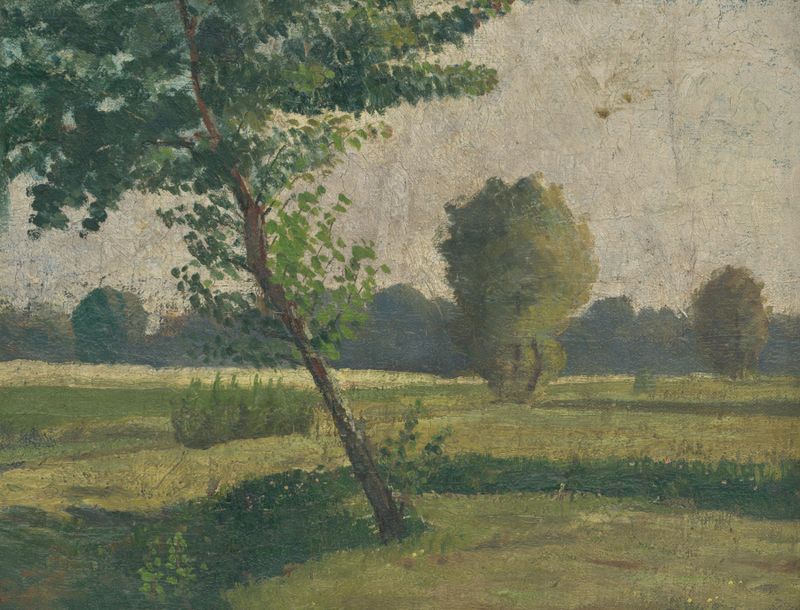
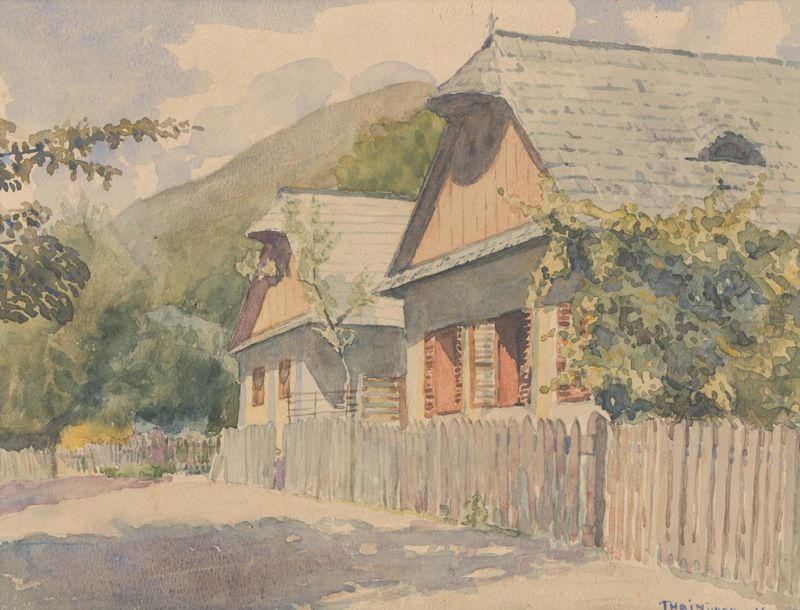
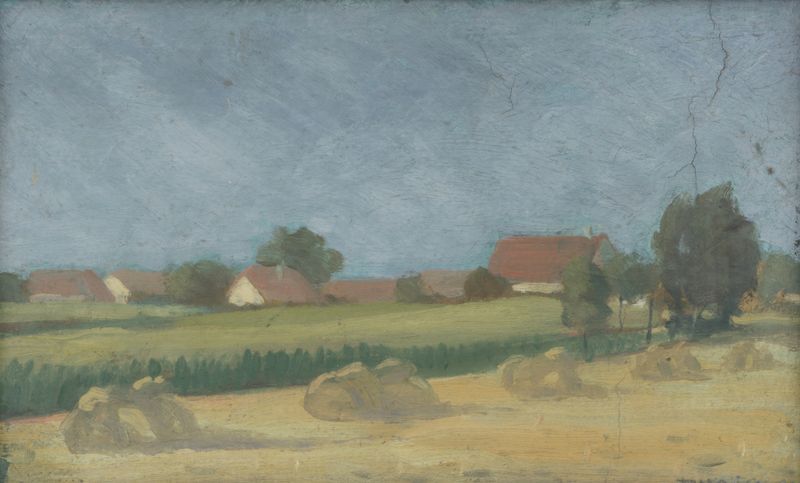
In Dedina s kravami, the essence of nostalgia intertwines with the simplicity of rural life, inviting reflection on times long passed. Look to the center of the canvas where the gentle contours of a village emerge, cradled in the embrace of rolling hills. The muted earth tones blend harmoniously, each brushstroke echoing the stillness of a quiet day. Notice how the light dances upon the cows, illuminating their forms and casting soft shadows that stretch across the ground, hinting at a serene but purposeful existence.
The composition draws you inward, guiding your gaze through the rhythmic patterns of the farmland. In this scene, a profound contrast lies between the tranquility of nature and the labor of human hands. The cows symbolize nourishment and continuity, while the distant rooftops suggest a community tethered by shared life and toil. Hidden beneath this pastoral stillness is a yearning for a lost simplicity, an emotional tension that resonates with anyone who has felt the pang of nostalgia for a home now distant or a lifestyle overshadowed by modernity. In 1908, Ján Thain created this work during a period of growing industrialization, when the rapid changes in society were beginning to overshadow traditional rural life.
Living in Slovakia, Thain immersed himself in the local landscapes and rural communities, capturing their essence at a time when many artists were exploring the tensions between the old and the new. This painting is both a tribute and a lament, reflecting the delicate balance of progress and preservation in a world on the brink of transformation.