
Kaplnka milosrdných sestier v Dunaabonyi — History & Facts
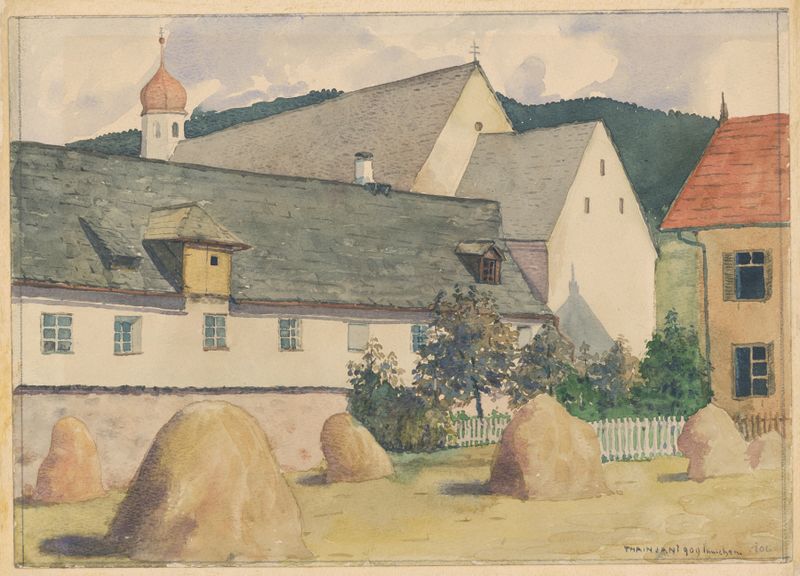
In a realm where dreams intertwine with reality, one cannot overlook the ethereal stillness captured in this piece. Focus on the delicate interplay of light and shadow that bathes the chapel in a soft, glowing hue. Look closely at the intricate details of the architecture, where the arches rise gracefully, inviting the viewer into a sacred space. The muted palette of earthy tones conveys a sense of tranquility, while subtle highlights draw the eye to the steeple, reaching toward the heavens.
This composition creates a harmonious balance, embodying both reverence and serenity. Beneath the tranquil surface lies a deeper narrative. The juxtaposition of the solidity of the stone against the ephemeral quality of light evokes a tension between the material and the spiritual. The chapel stands as a testament to faith, yet the dreamlike quality hints at impermanence—a fleeting moment captured in time.
One might wonder about the whispered prayers that echo within those walls, each a silent plea for solace, reflecting the universal search for meaning in the mundane. Created in 1902, this work emerged amidst a period of artistic exploration in Central Europe. Ján Thain, active in Hungary, was influenced by the rising movements of modernism and a renewed interest in spiritual themes in art. This piece aligns with the broader transformation of the period, as artists sought to depict the intangible aspects of existence, creating a bridge between the visible world and the dreams that dwell within.
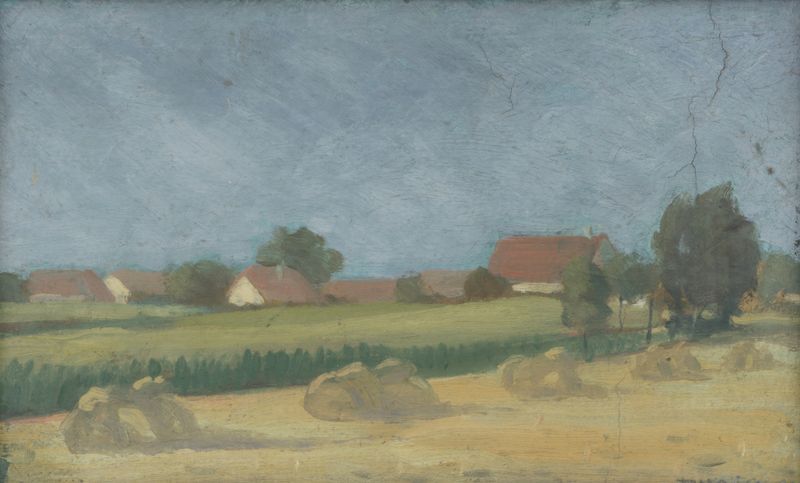
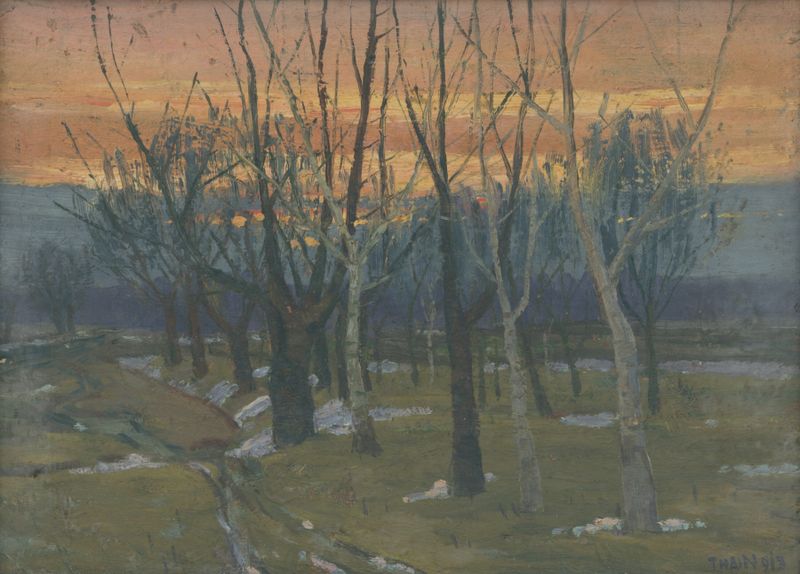
More Artworks by Ján Thain
Browse all →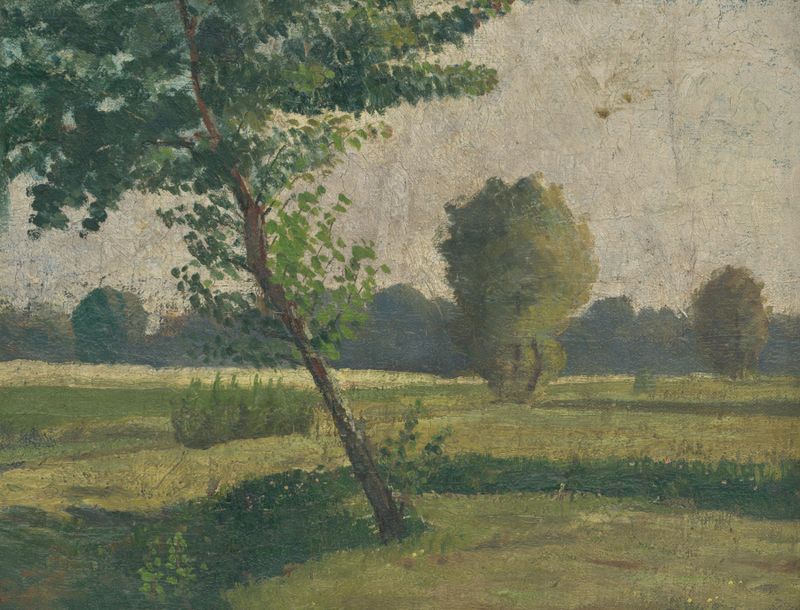
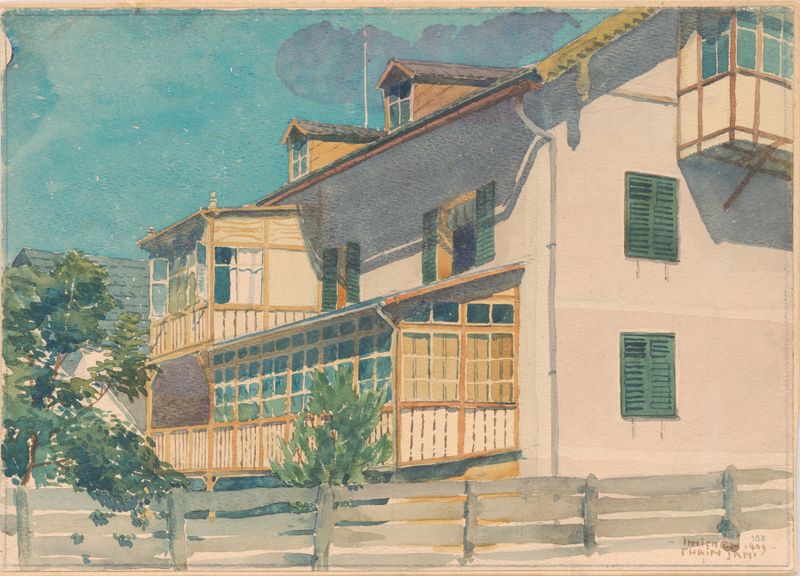
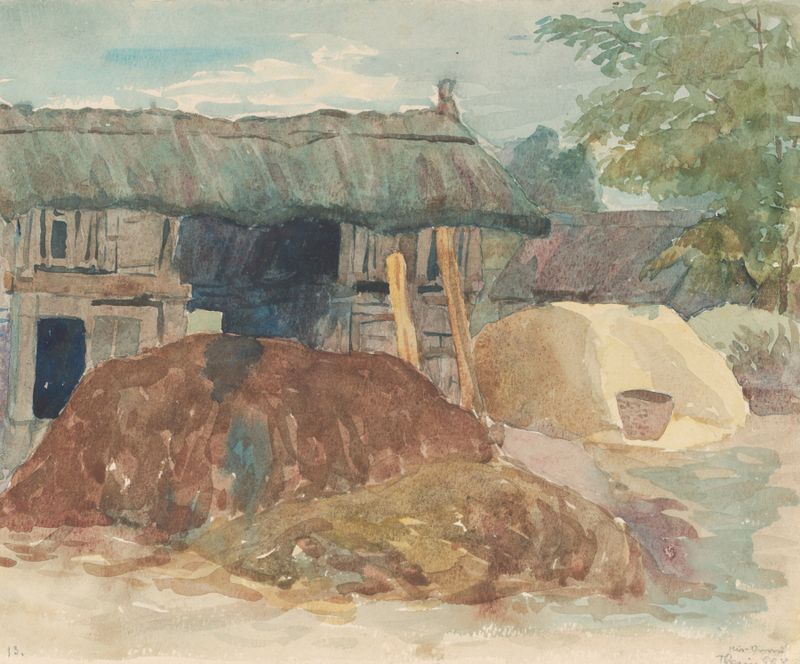
More Architecture Art
Browse all →
The statue of Liberty
Frédéric Auguste Bartholdi

View of Houses in Delft, Known as ‘The Little Street’
Johannes Vermeer

View of Houses in Delft, Known as ‘The Little Street’
Johannes Vermeer

The Cathedral in Rouen. The portal, Grey Weather
Claude Monet

The yellow house
Vincent van Gogh

The Church in Auvers-sur-Oise, View from the Chevet
Vincent van Gogh