Kláštor v Inninchene — History & Facts
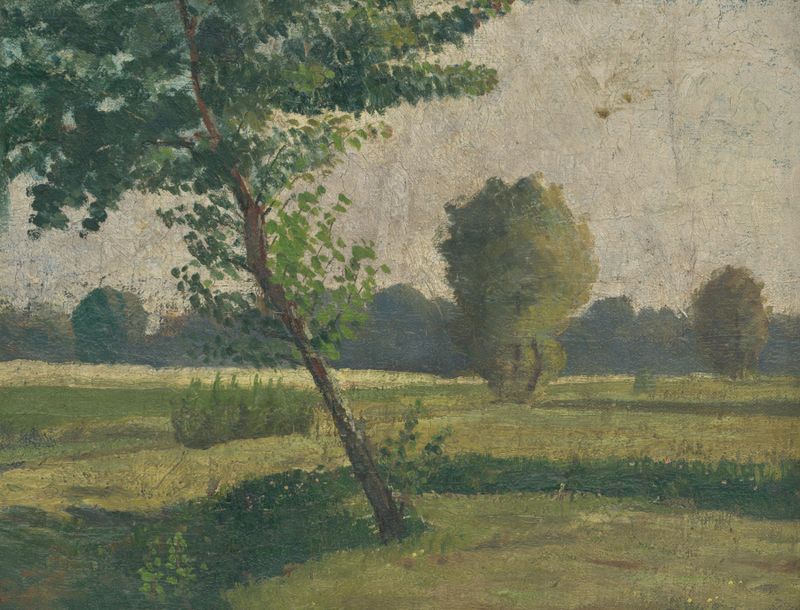
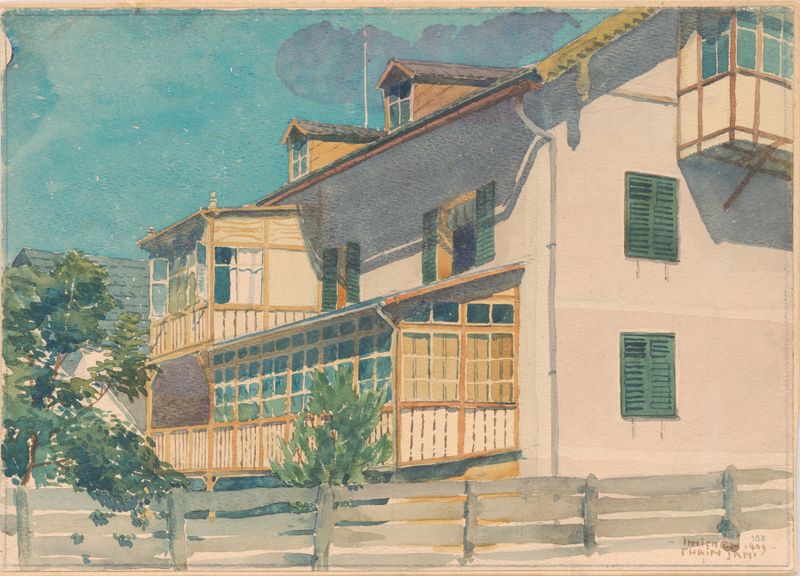
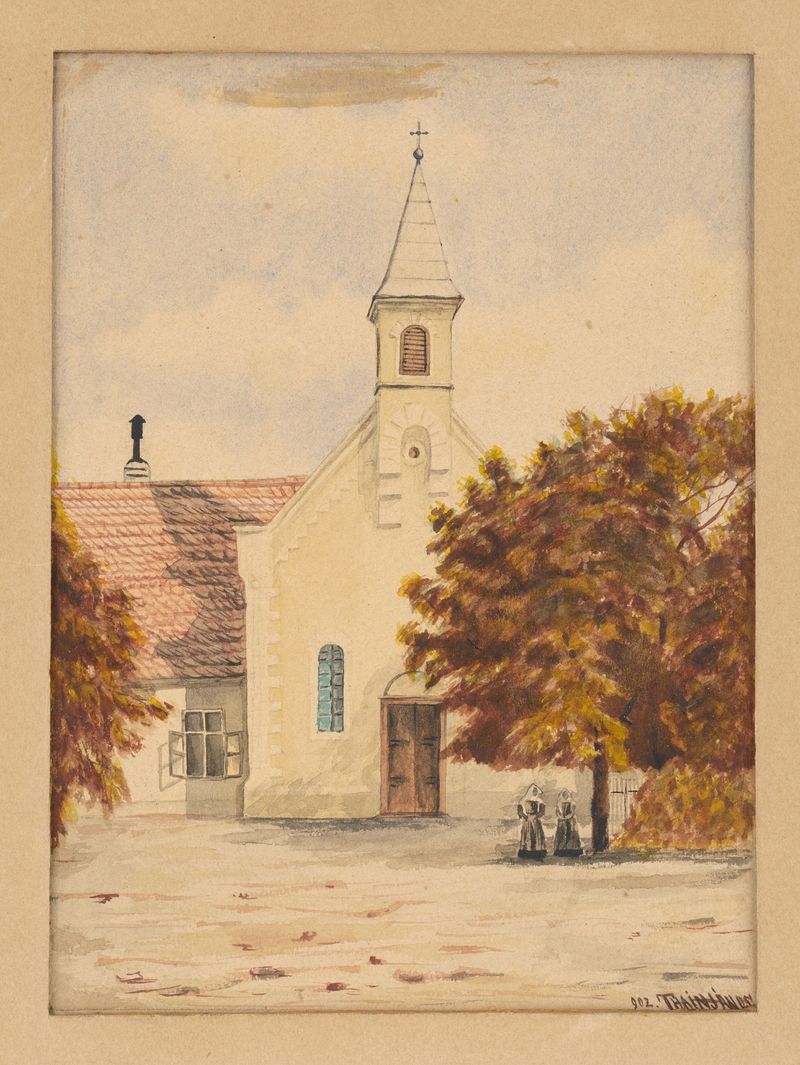
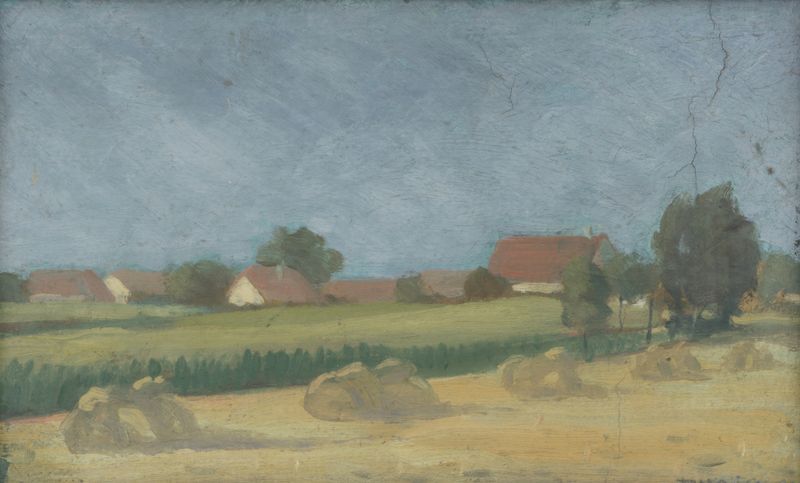
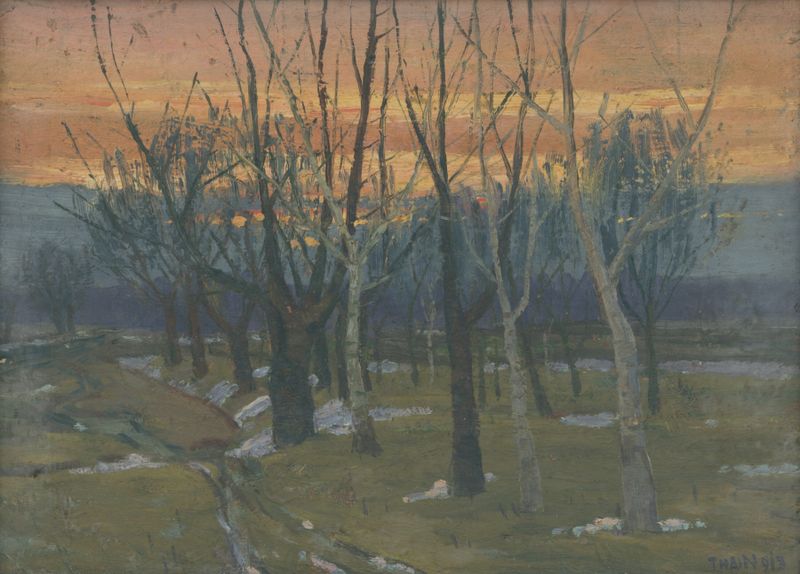
We often forget that within the stillness of painted shadows, profound stories and secrets can reside, whispering through the layers of pigment and brushstroke. Look to the lower left, where deep hues blend seamlessly into lighter tones, creating an inviting path that leads the viewer’s gaze toward the monastic structure. The play of light and shadow creates a dance of contrast, evoking both warmth and contemplation. Notice how the trees frame the scene, their silhouettes casting elongated shadows that reach out like fingers, suggesting both protection and mystery.
The palette, dominated by earthy browns and lush greens, harmonizes the building with its natural surroundings, showcasing the delicate balance between man-made and organic elements. Delve deeper into the juxtaposition of light and shadow, which not only defines the architectural elements but also embodies a sense of stillness and introspection. The monastery, bathed in soft light, contrasts starkly with the dark, looming shadows of the trees, symbolizing the tension between enlightenment and obscurity. Here lies a quiet invitation to reflect upon the spiritual journey, where shadows serve not merely as absence of light but as indicators of the profound human experience. In 1909, Ján Thain painted this work during his time in Inninchene, a moment marked by a burgeoning interest in capturing the interplay of light and landscape.
As the art world was shifting towards modernism, Thain embraced a romantic vision, aligning himself with the natural beauty of his surroundings while searching for deeper spiritual meanings in his subject matter. This painting stands as a testament to his dedication to intertwining nature with the human experience.