Vila v Tirolsku — History & Facts
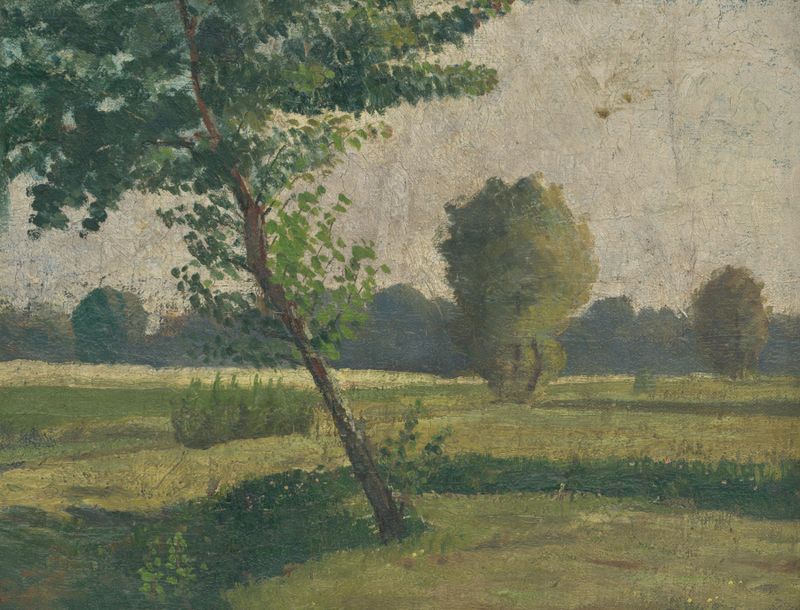
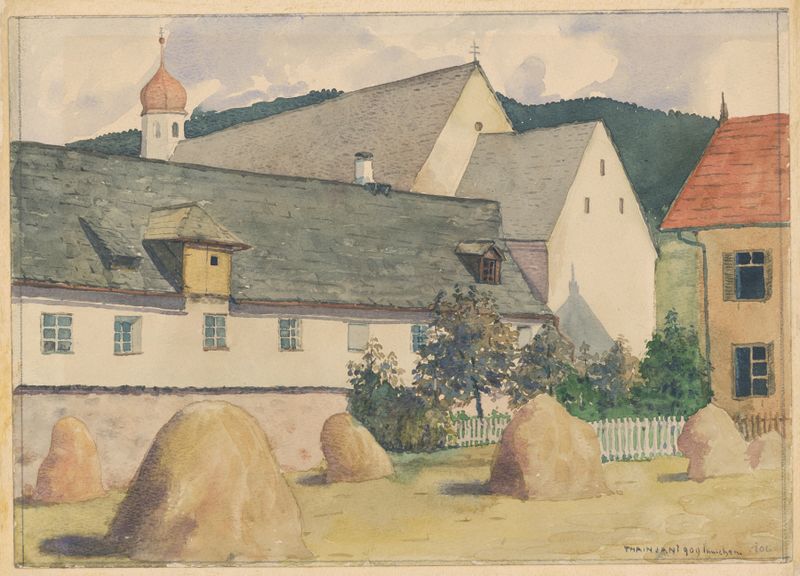
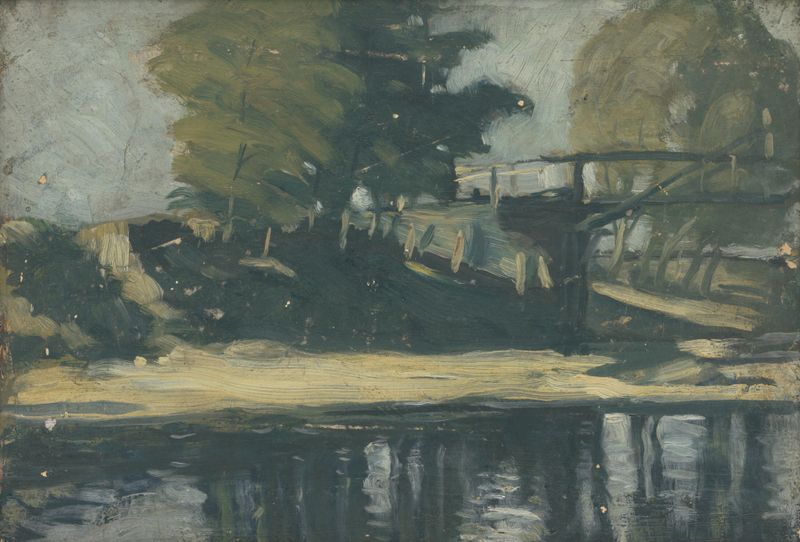
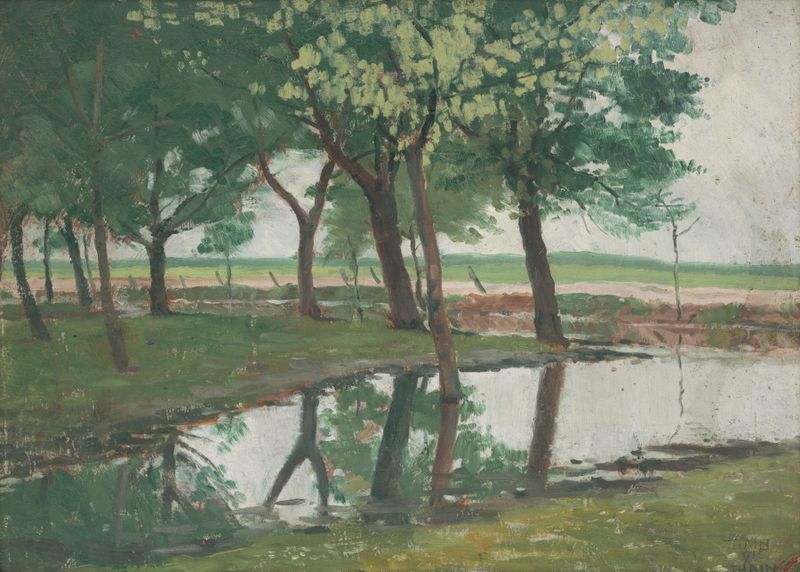
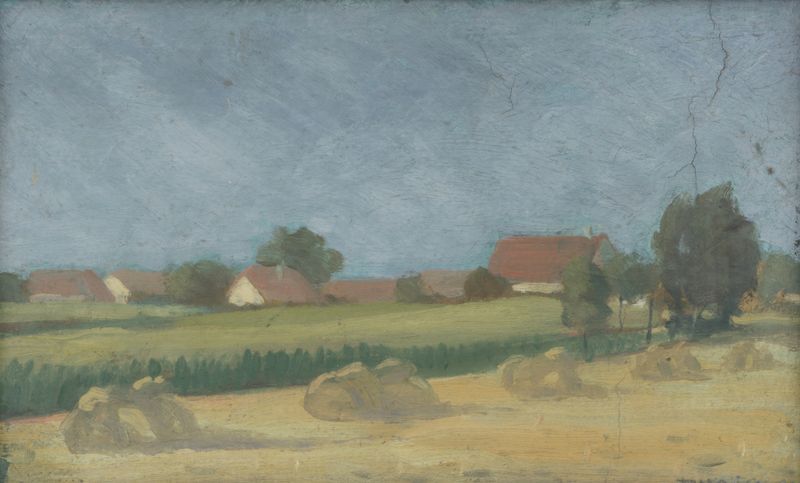
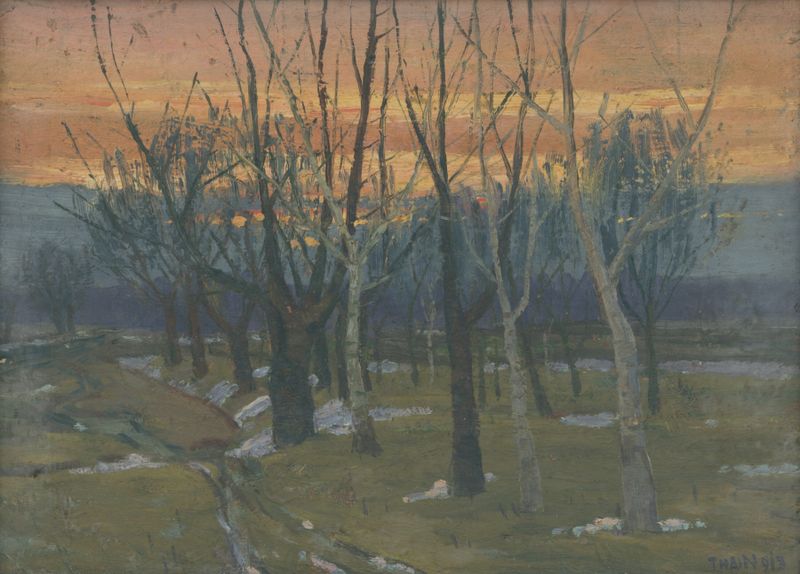
What if silence could speak through light? The delicate play of illumination and shadow in Vila v Tirolsku invites us to listen to the whispers of a long-forgotten memory. Look to the foreground where gentle waves of verdant green brush against the tranquil surface of the lake. The soft hues of blue and green blend seamlessly, creating a serene atmosphere that draws the eye toward the distant peaks. The artist’s careful layering of color and texture conveys a sense of depth, enhancing the stillness of the scene.
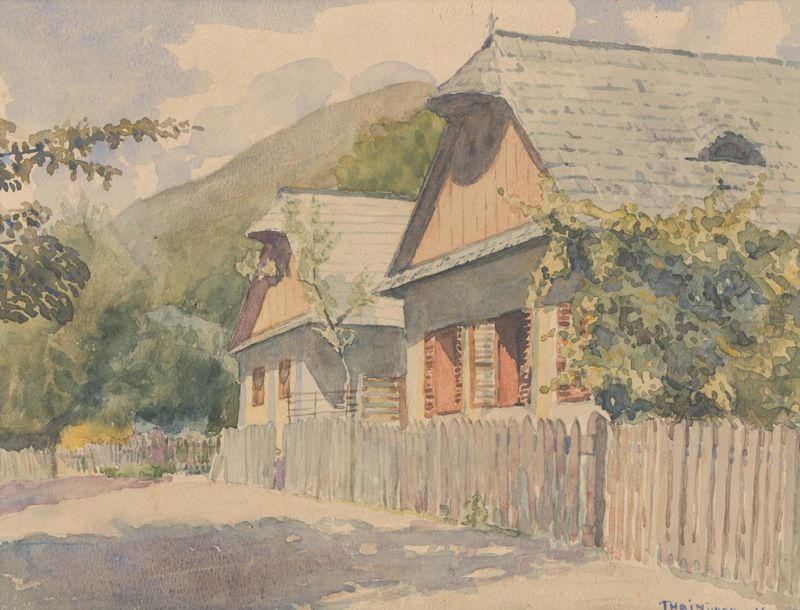
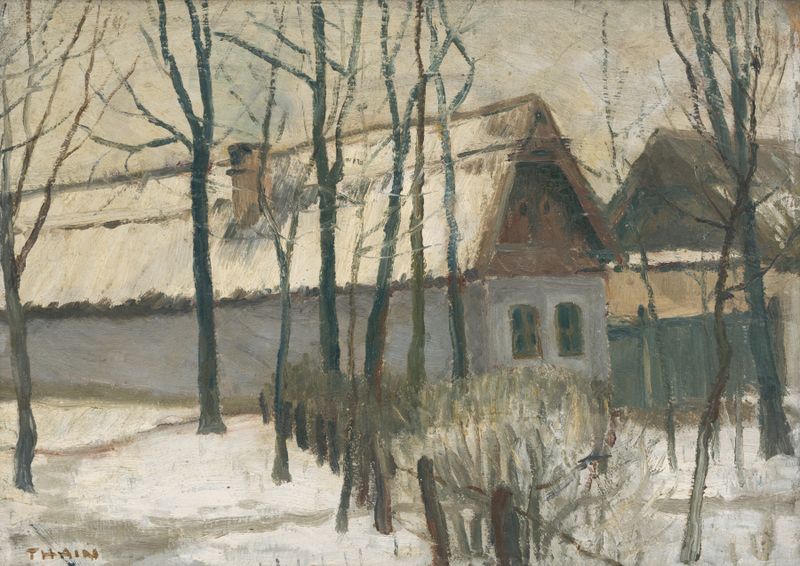
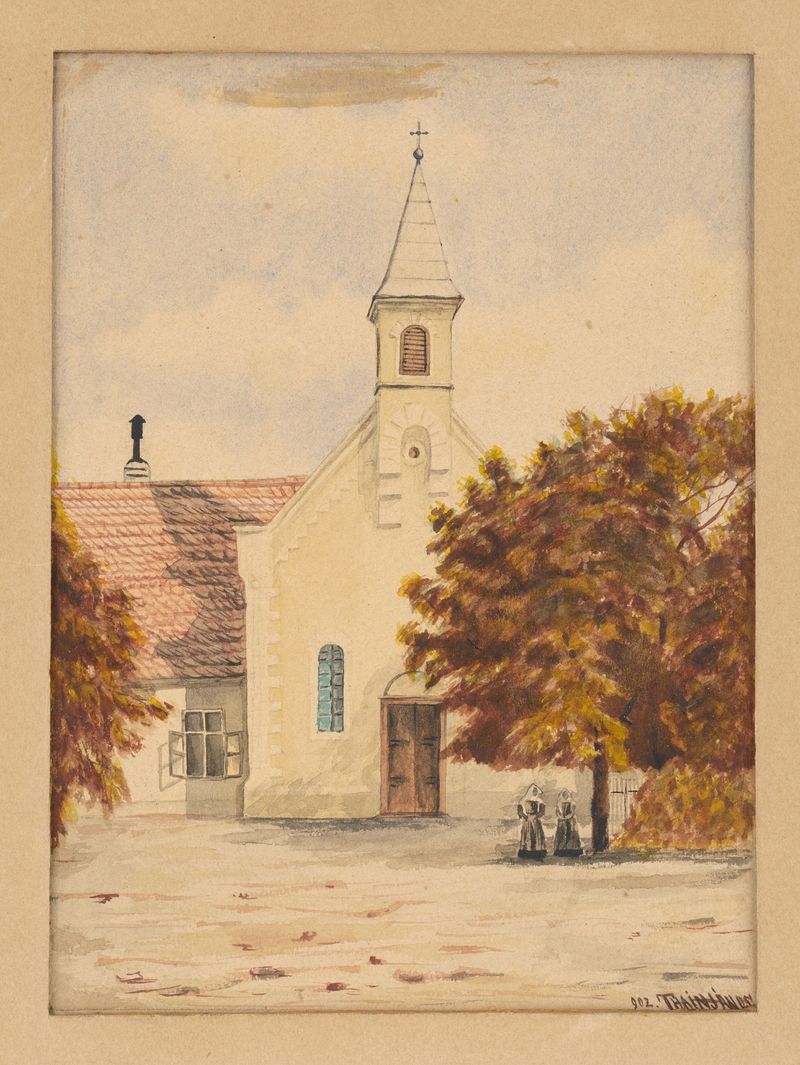
Notice how the soft light caresses the cottage nestled among the trees, inviting us to ponder the lives that may have unfolded within its walls. Hidden within this peaceful landscape is a juxtaposition of isolation and connection. The solitude of the cottage evokes a sense of longing, as if it stands as a sentry to memories of laughter and love, now a mere echo in the silence. The stark contrast between the natural beauty surrounding it and the human absence suggests a deeper story about the passage of time and the fragility of existence.
Each brushstroke serves as a reminder of the life that once filled this space, now replaced by a haunting quietude. Ján Thain painted Vila v Tirolsku in 1909 while living in Vienna, where he was immersed in the burgeoning art scene. This period was characterized by a shift towards more personal and introspective themes in the wake of the tumultuous changes in Europe. The work reflects his desire to capture the tranquility of the alpine landscape, resonating with the growing interest in nature’s restorative power amidst a rapidly modernizing world.