Krajina — History & Facts
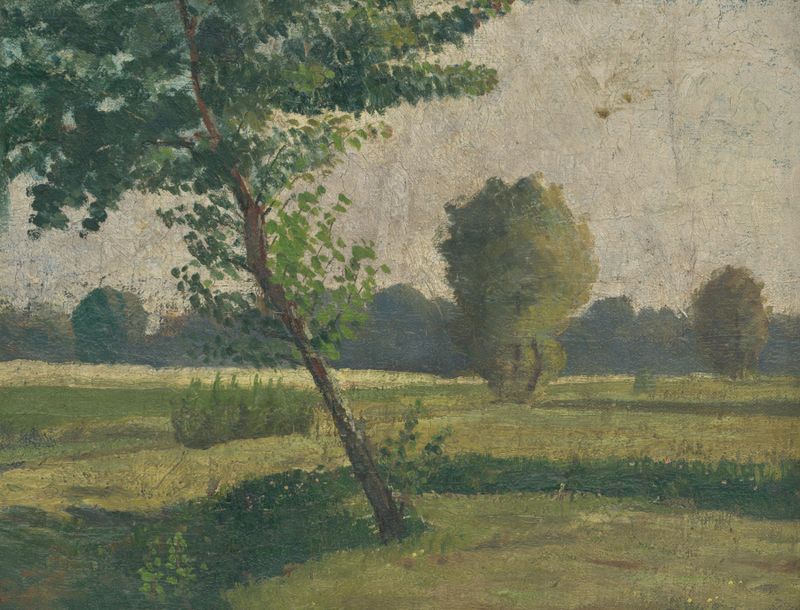
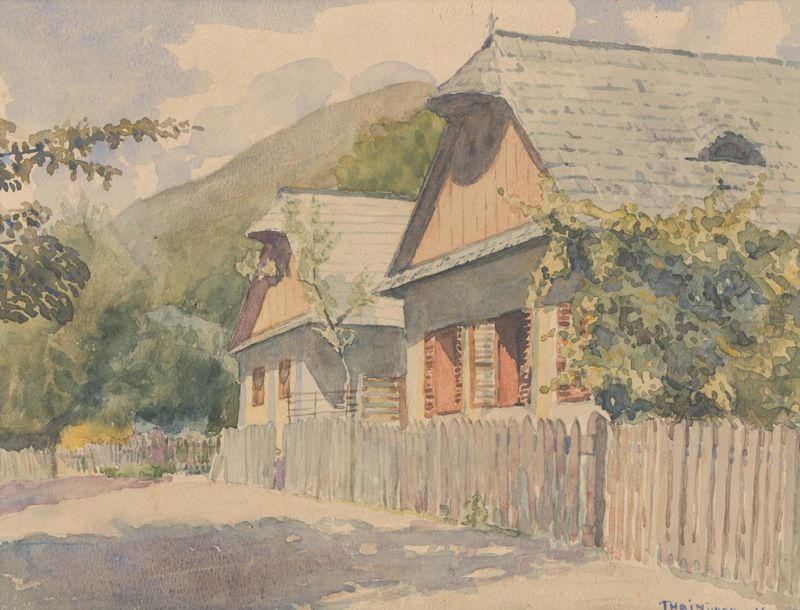
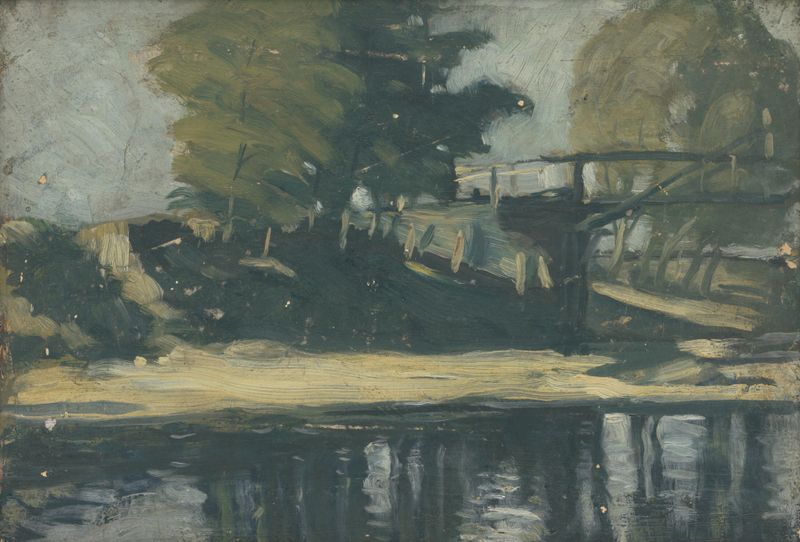
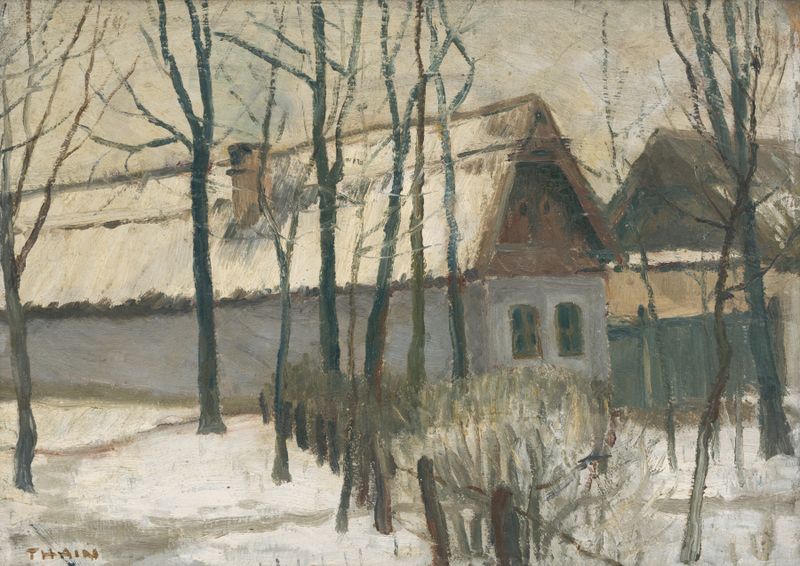
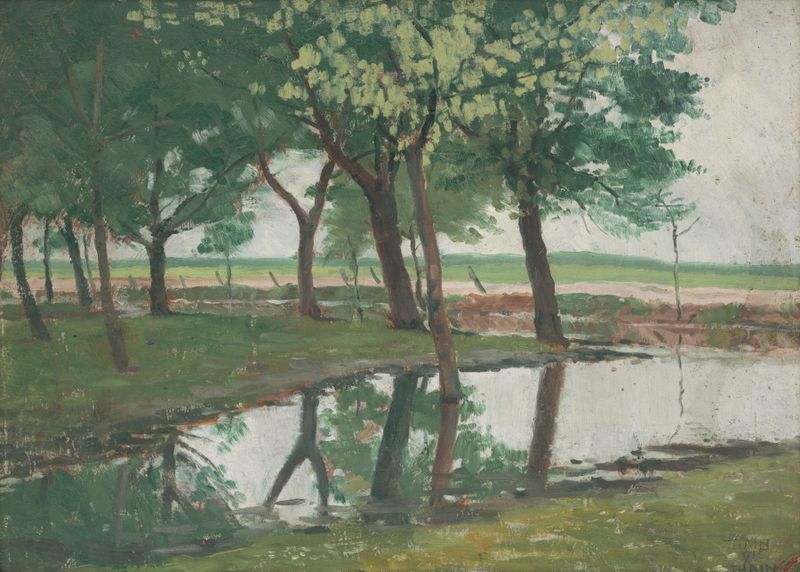
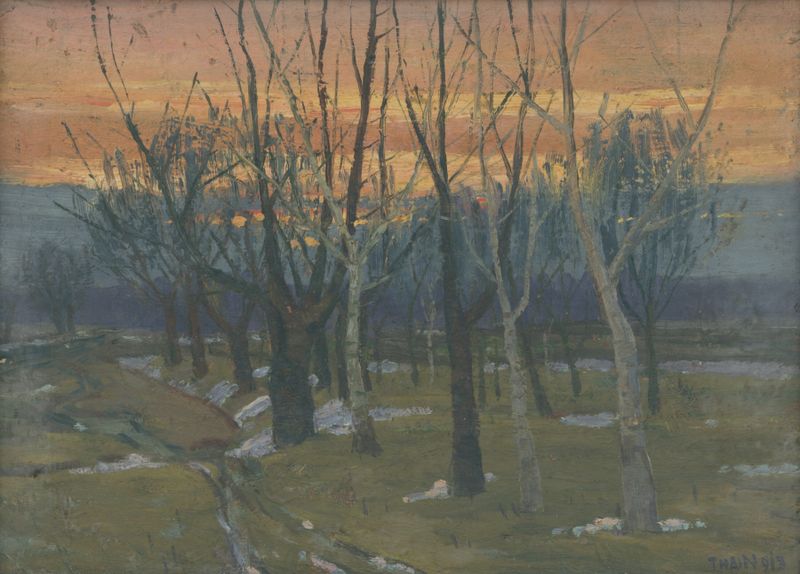
When did color learn to lie? This thought lingers in the air, hung like an unanswered question in a world of vivid contrasts and emotional depths. Look to the center of the canvas, where a rich palette of greens and earthy browns beckons the eye. The layered brushwork creates a sense of movement, suggesting the gentle sway of grass beneath a whispering wind. Notice how the light dances across the surface, illuminating patches of color that evoke both warmth and unease, hinting at the duality of nature — its beauty and its hidden perils.
The composition is both abstract and representational, forcing the observer to navigate between what is seen and what is felt. Deeper meanings emerge as you trace the contours of the landscape. The deliberate interplay between dark and light suggests the tension between despair and hope, reflecting the complexities of existence. Subtle shifts in color intensity parallel emotional conflicts, while the horizon is almost ethereal, separating reality from possibility.
This transformation is not just visual; it resonates with an internal struggle that echoes through the natural world. Ján Thain painted Krajina in 1920, a time marked by the aftermath of World War I and the shifting landscape of European art. Living in a period where traditional forms were being questioned, he sought to capture the essence of life itself through abstraction. This work reflects both his personal journey and the broader transition within the art world, as artists grappled with the scars of conflict while exploring new modes of expression.