
Deer at the edge of a wood. — History & Facts
What first catches the eye in Deer at the edge of a wood is the hush of a sunlit clearing, where a small herd of deer rests just at the threshold between light and shadow. The artist, Adolf Mackeprang, chooses a moment of stillness: five deer, their bodies dappled with sunlight, seem alert but at ease, each gaze leading the viewer deeper into the scene. The soft, golden grass and the cool, enveloping shade of the trees behind them create a gentle contrast, drawing attention to the animals’ delicate forms.
The careful rendering of their coats, from the pale cream of the hind to the fawn’s russet spots, invites close looking—each detail a quiet assertion of life and watchfulness. The composition’s low vantage point places us almost at eye level with the deer, as if we too have stumbled upon this private pause. Paintings of wildlife flourished in the second half of the nineteenth century, when artists across Europe turned to the natural world with new intensity and precision. Works like this, dated by its source to sometime between 1851 and 1911, reflect both the era’s scientific curiosity and a romantic longing for unspoiled nature.
Such images were often sought by private collectors or country estates, eager to bring the tranquility of the forest indoors. Though little is recorded about this specific painting beyond its presence in the bruun-rasmussen.dk collection, Mackeprang’s careful observation and luminous palette speak to a broader fascination with the boundary between wildness and domesticity—a fascination that continues to draw viewers into the dappled shade.
More Artworks by Adolf Mackeprang

Vixen with puppy at the edge of the forest
Adolf Mackeprang
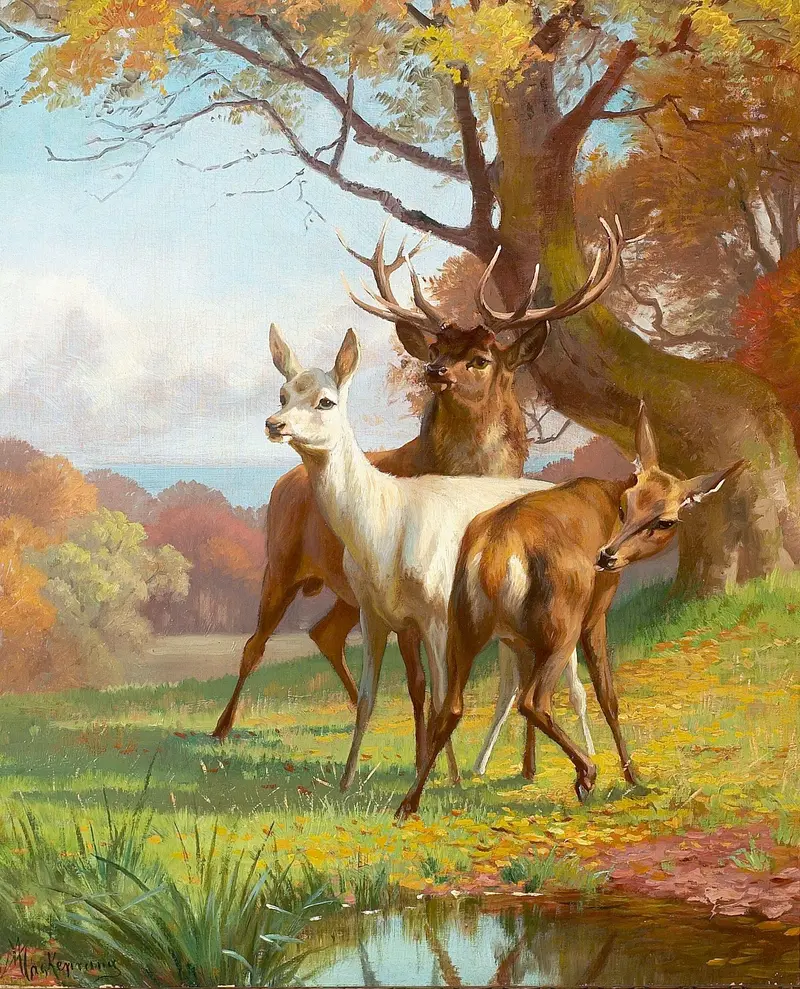
Forest scene with red deer.
Adolf Mackeprang
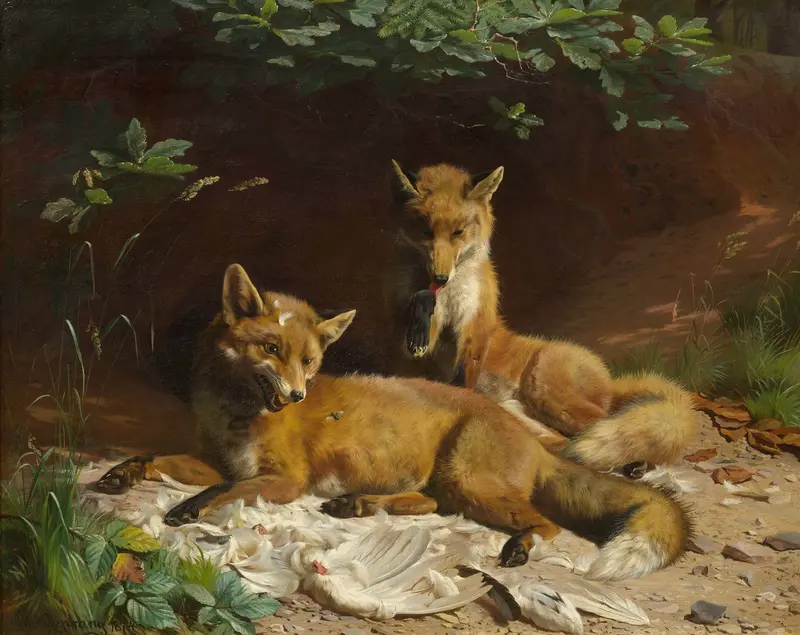
Two foxes
Adolf Mackeprang
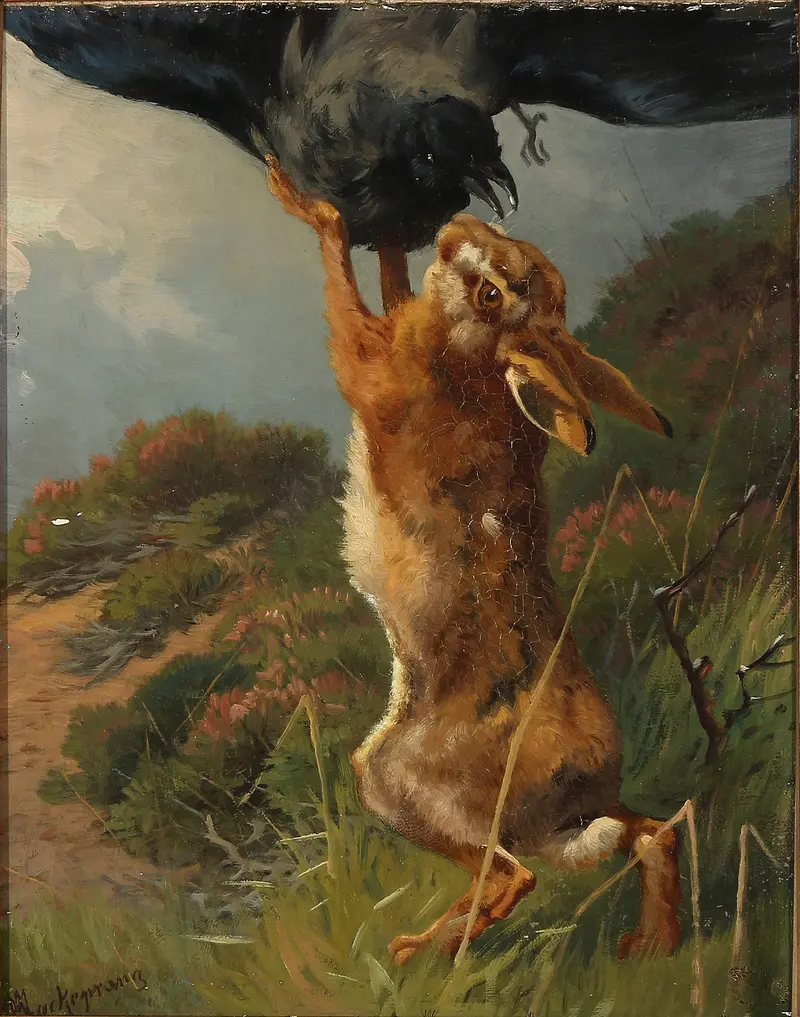
Young hare attacked by a crow
Adolf Mackeprang
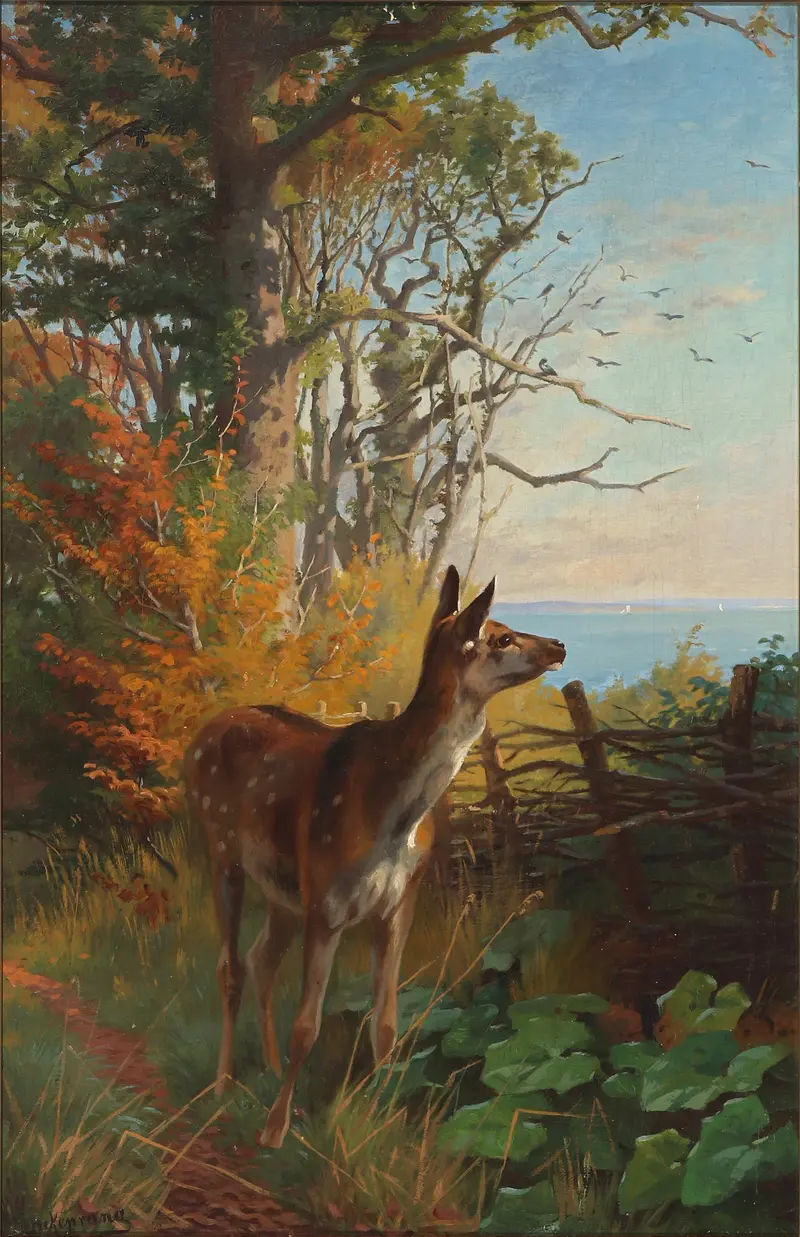
A deer in the forest
Adolf Mackeprang
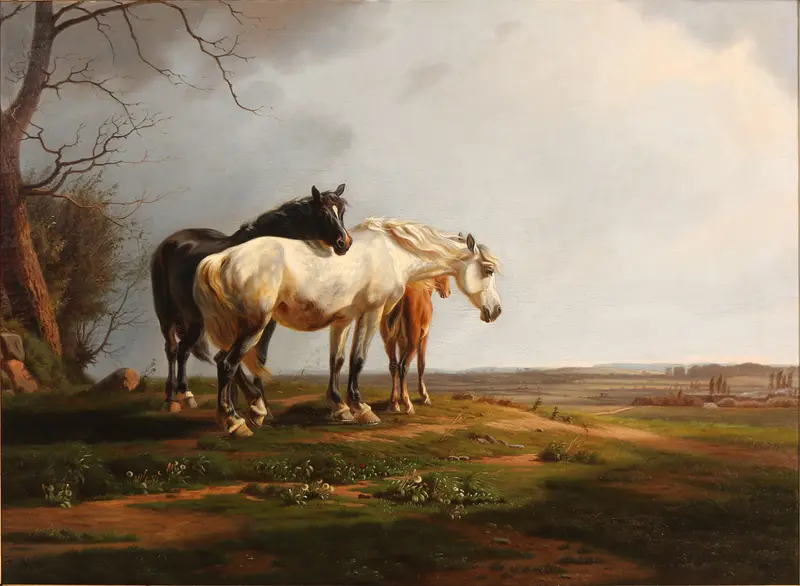
A flock of horses in a field in the sun
Adolf Mackeprang
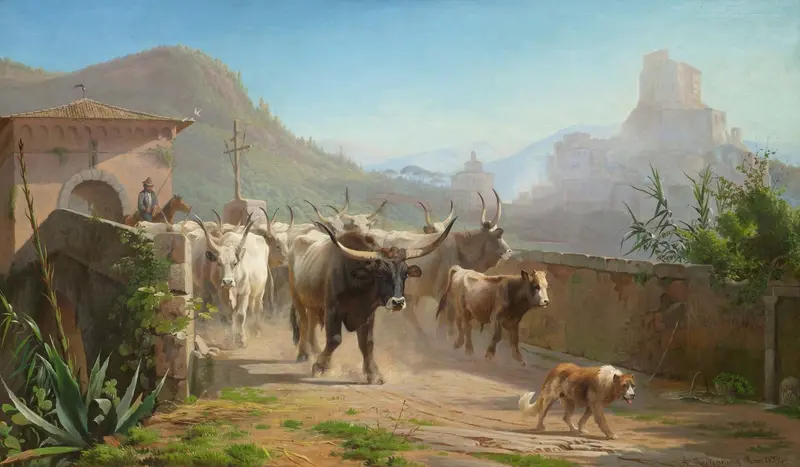
Cattle drive in Italy
Adolf Mackeprang
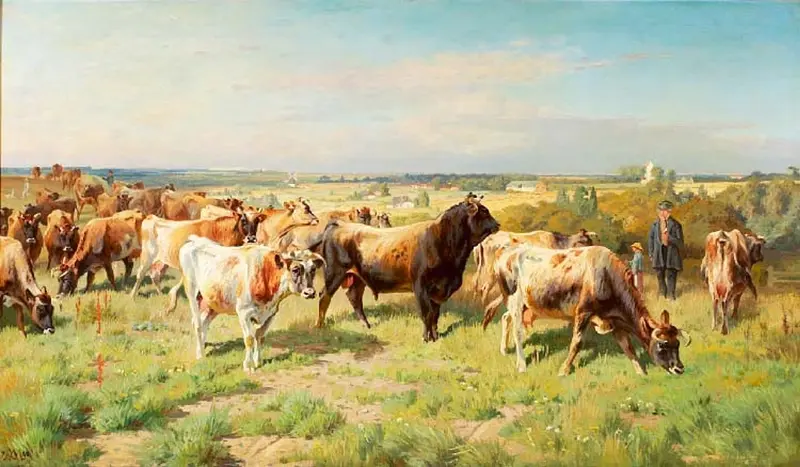
Cattle in the fields.
Adolf Mackeprang

Dogs chasing through a forest.
Adolf Mackeprang
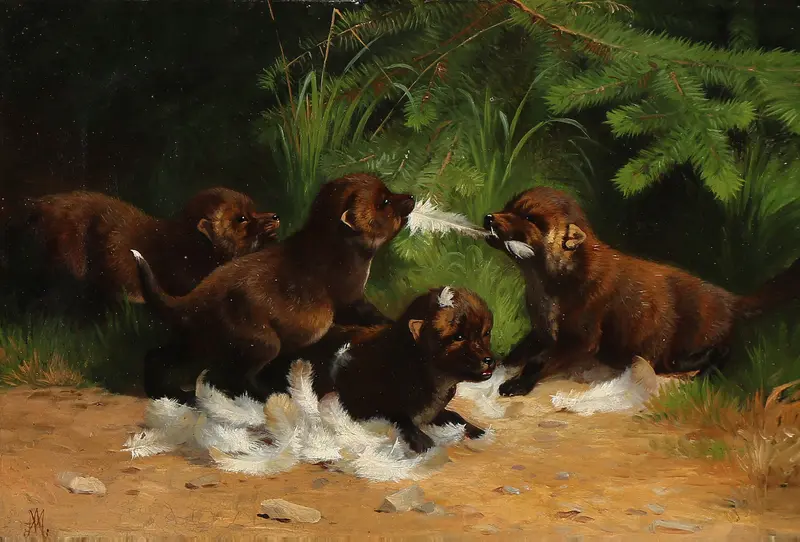
Forest scene with fox pubs fighting over the remains of a bird.
Adolf Mackeprang





