
Defeat at Legnica, from the series “History of Civilization in Poland” — History & Facts
When the Mongol armies swept into Europe in 1241, their victory at Legnica sent shockwaves across the continent, and it is this moment—when the Polish and European defenders were crushed—that Jan Matejko seized upon for his 1888 work Defeat at Legnica, from the series “History of Civilization in Poland”. The battle, fought on April 9, 1241, marked the death of Duke Henry II the Pious and the collapse of Polish resistance, a turning point that was remembered for centuries as a symbol of both catastrophe and heroism. Matejko, ever the chronicler of Poland's fate, chose this episode for his ambitious series, aiming to capture not just the facts, but the emotional and cultural impact of the defeat. In the painting, Matejko freezes the chaos at its most desperate: fallen knights and scattered banners litter the foreground, while Mongol horsemen surge forward, their curved sabres glinting.
At the center, the lifeless body of Henry II lies surrounded by his loyal retainers, their faces a mixture of grief and disbelief. The artist’s attention to armor and heraldry is meticulous—each crest and chainmail link is a nod to historical accuracy, yet the composition’s tumult and the play of shadow across the battlefield speak to the confusion and terror of the moment. Unlike Eugène Delacroix’s The Massacre at Chios, which dwells on civilian suffering, Matejko’s focus is the collapse of leadership and the shattering of a nation’s hopes. The precise journey of this painting after its creation is not fully documented, but it was conceived as part of Matejko’s monumental series chronicling the pivotal episodes of Polish history—a series intended for public edification and national reflection.
Like much of Matejko’s work, Defeat at Legnica was likely exhibited in Kraków, where the artist lived and worked, and where his paintings became rallying points for Polish identity under foreign rule. Today, the painting remains a key piece in the narrative of Matejko’s career, standing alongside his other historical canvases as a testament to his vision of art as history’s witness. Its current location is not widely published, but its impact endures in the collective memory of Poland’s past.
More Artworks by Jan Matejko
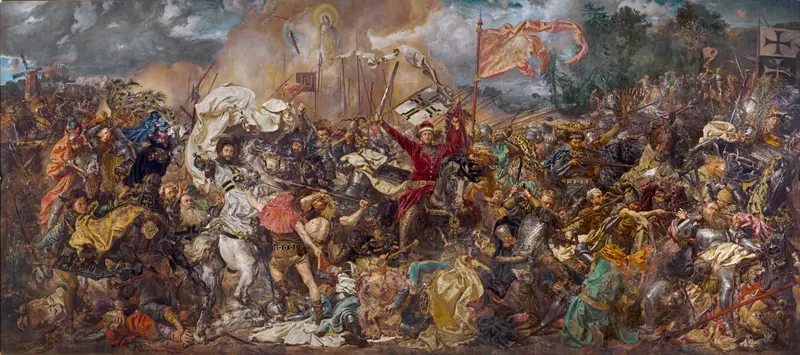
Battle of Grunwald
Jan Matejko

Stańczyk
Jan Matejko

Battle of Raclawice
Jan Matejko
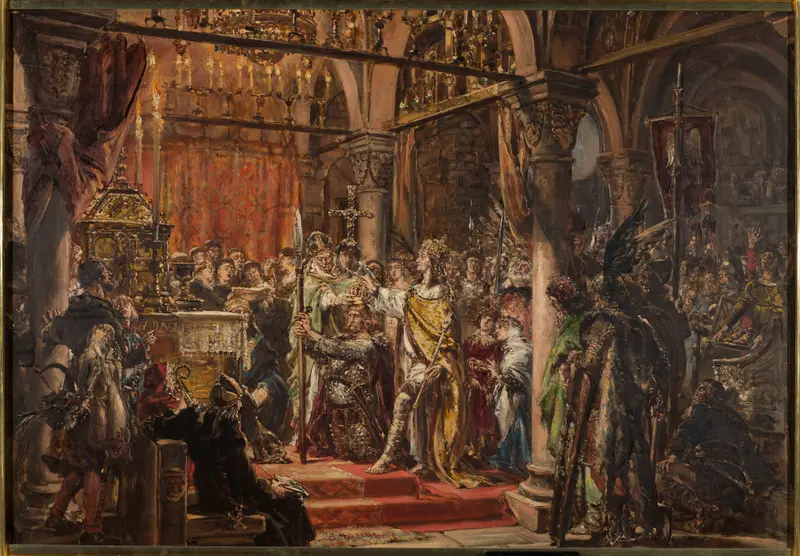
Coronation of the First King, 1001 AD, from the series “History of Civilization in Poland”
Jan Matejko
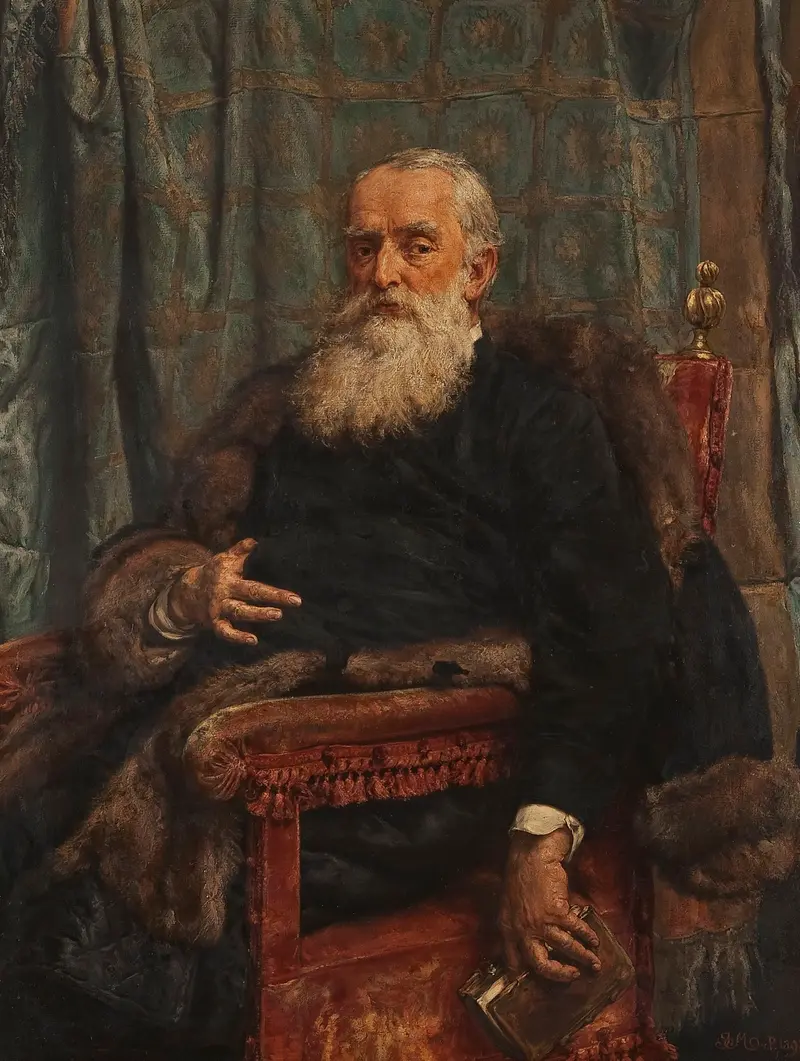
Portrait of Henryk Krajewski
Jan Matejko
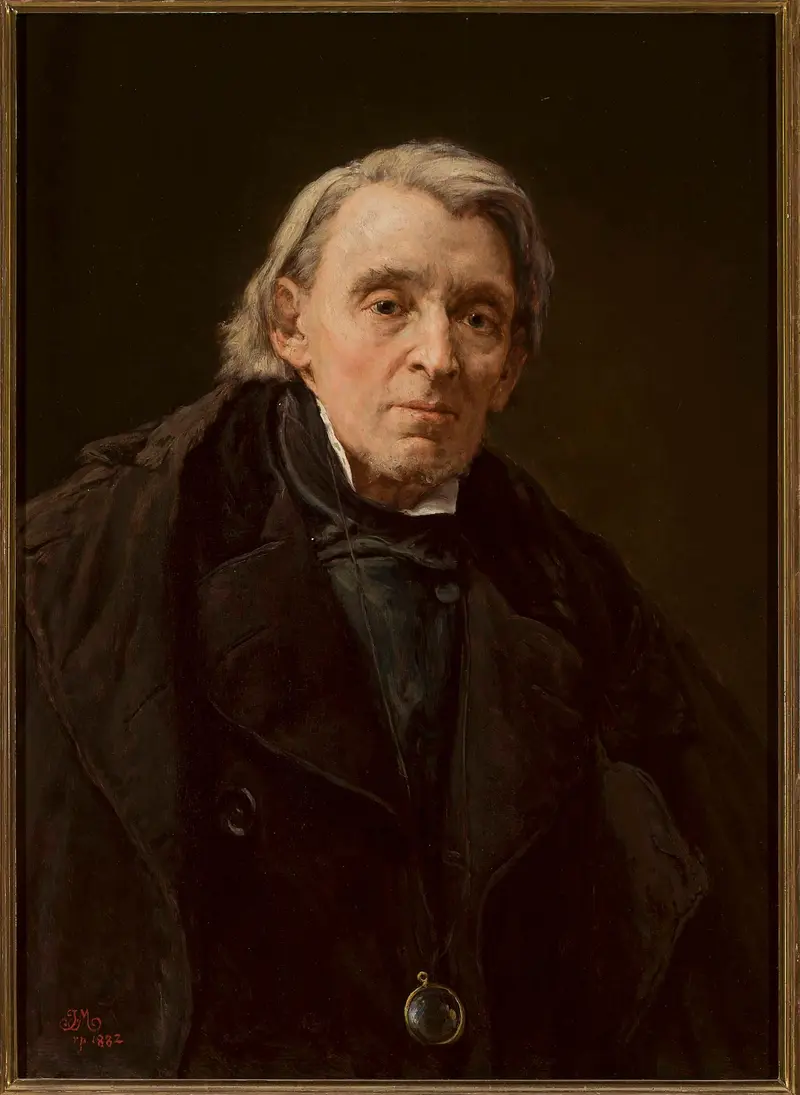
Portrait of Karol Podlewski
Jan Matejko
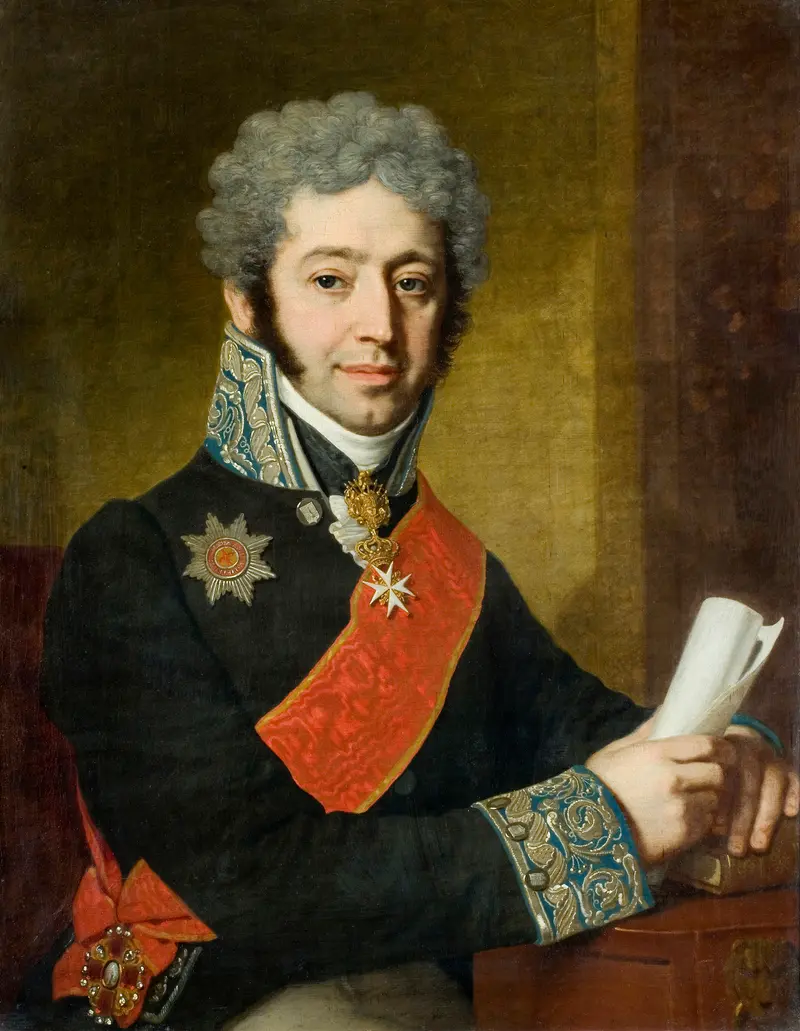
Portrait of Potocki and Poninski
Jan Matejko
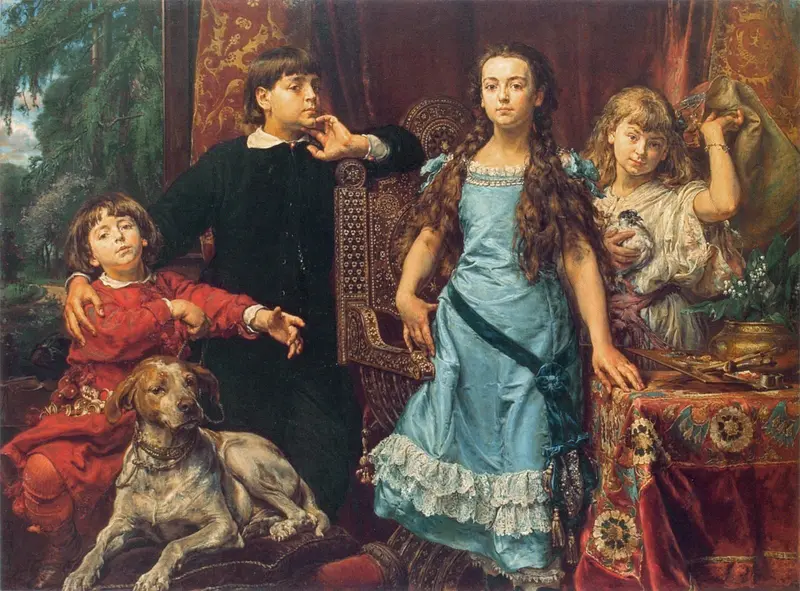
Portrait of the artist's four children
Jan Matejko
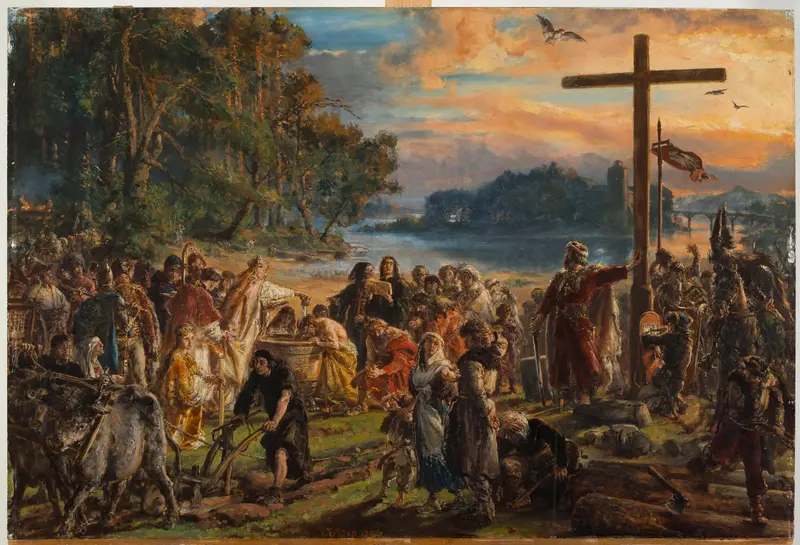
Introduction of Christianity in Poland
Jan Matejko
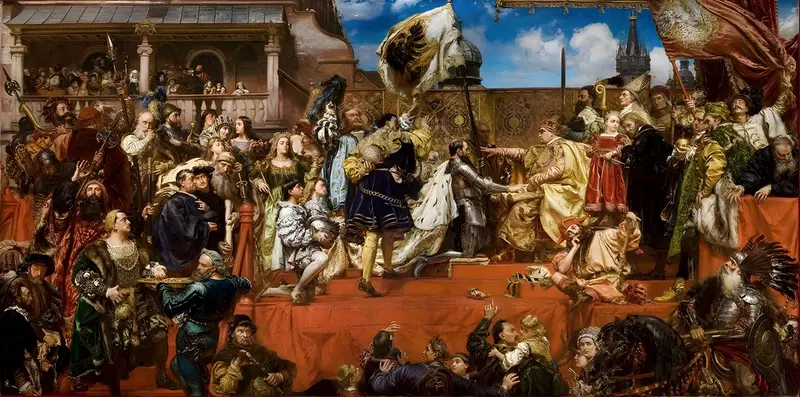
Prussian Homage
Jan Matejko





