
Departure of the Orient,Circular Quay — History & Facts
Can beauty exist without sorrow? In the delicate ephemeral moments captured by the brush, one might find life's fleeting nature intertwined with the vibrancy of a sunset. Look to the center, where the vivid hues of orange and pink burst across the canvas, illuminating the departing ship that holds within it both promise and farewell. Notice how the figures on the dock, painted with gentle brushstrokes, evoke a sense of longing, their postures suggestive of both anticipation and melancholy. The interplay of light and shadow accentuates the rugged texture of the water, while the soft outlines of distant land serve as a reminder of the unknown future that awaits the travelers. The juxtaposition of vibrant colors against the muted tones of the figures speaks to the tension between hope and despair, embodying the duality of human experience.
Each stroke of the brush invites contemplation on mortality, as the ship slips away into the horizon, representing not just a physical journey but also the inevitable passage of time. The scene captures a moment of transition, where life continues to flow, regardless of the departures it entails. In 1888, Conder painted this piece during a period of burgeoning Impressionism in Australia, where the art scene was evolving rapidly. He was influenced by the likes of his contemporaries while grappling with personal struggles, including his ongoing battle with illness.
This work reflects both his engagement with the vibrant coastal landscapes of Circular Quay and the emotional undercurrents that marked his life and the world around him.
More Artworks by Charles Conder
Browse all →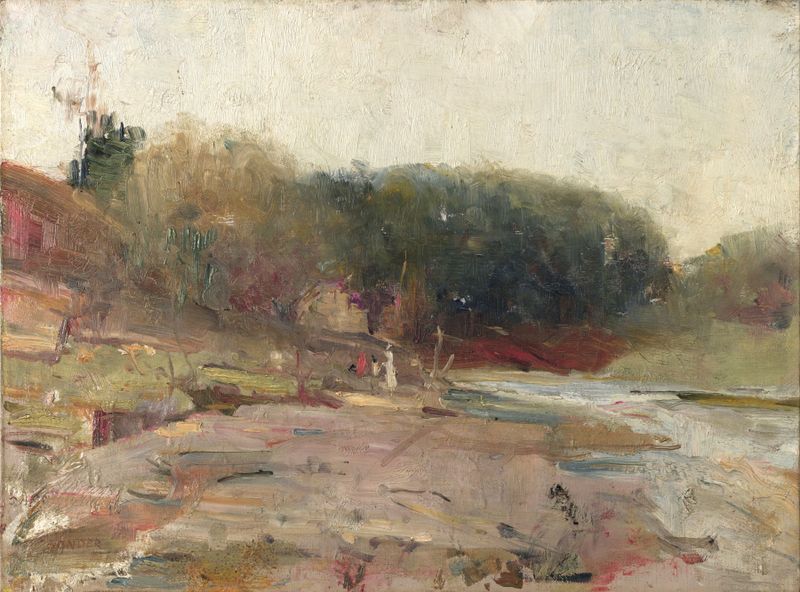
On the River Yarra, near Heidelberg, Victoria
Charles Conder
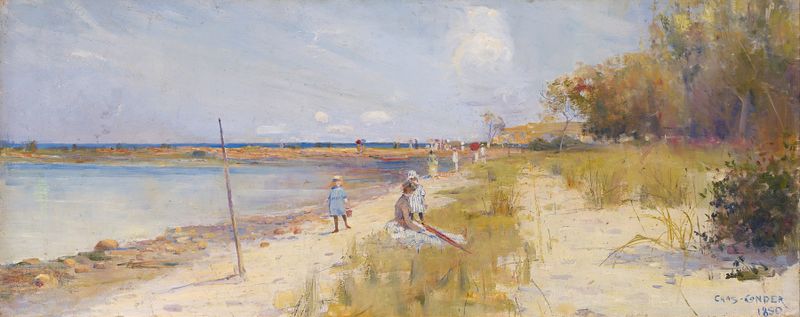
Rickett’s Point
Charles Conder

Sunset, Sydney Harbour
Charles Conder

Australian landscape
Charles Conder

Riddell’s Creek
Charles Conder
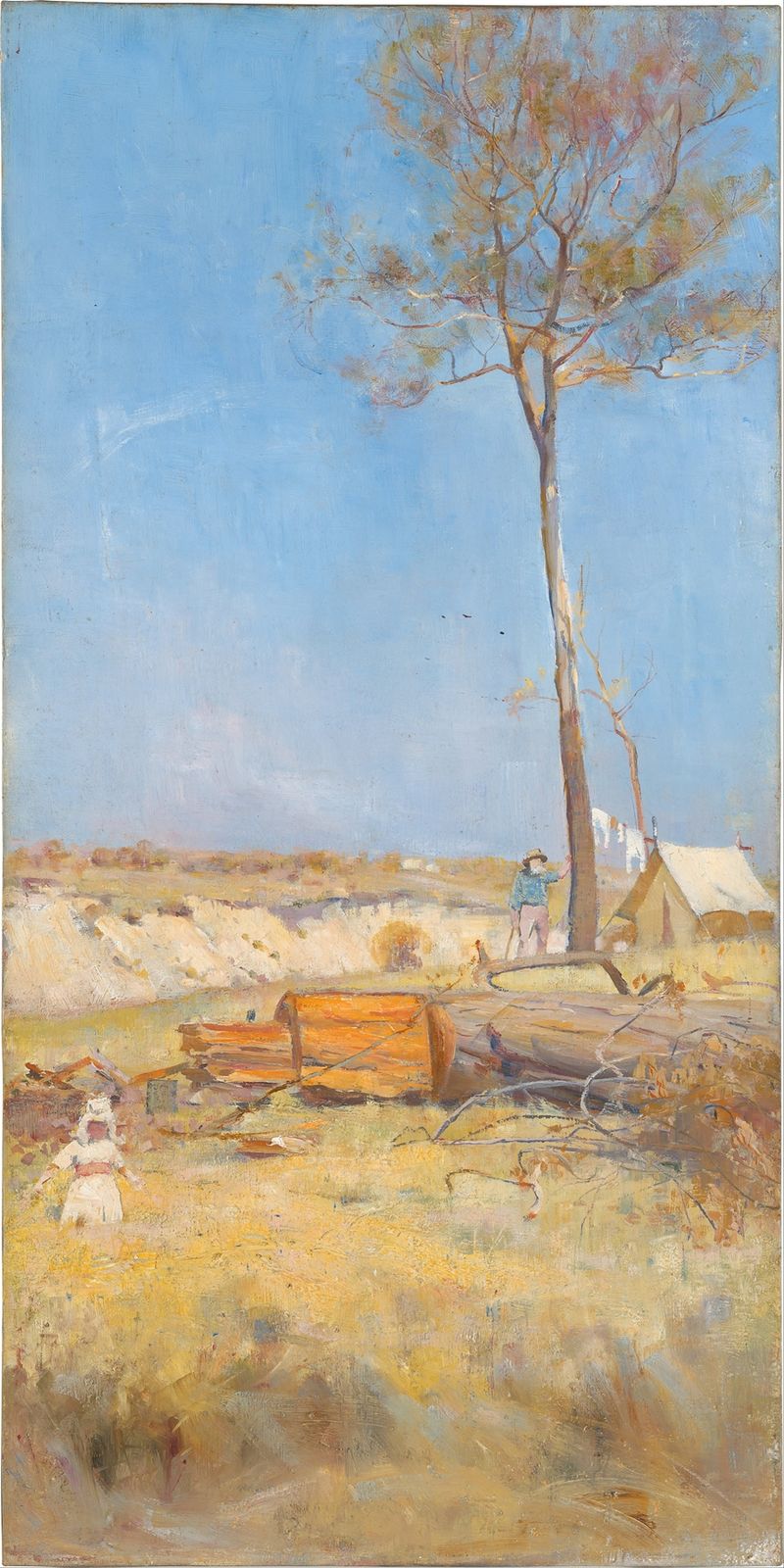
Under a southern sun
Charles Conder
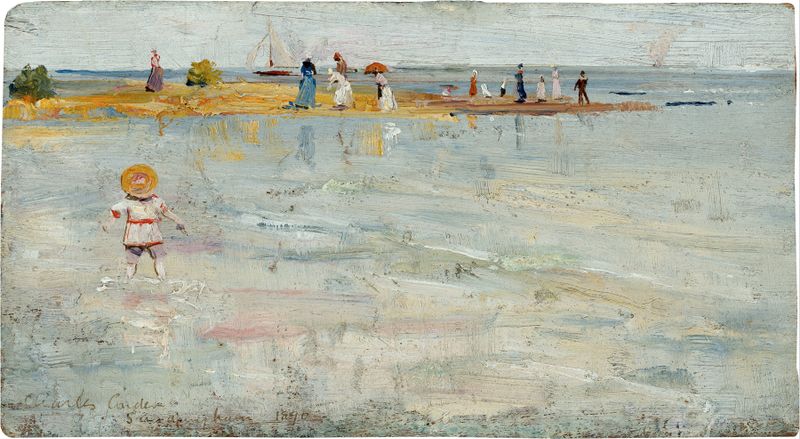
Ricketts Point, Beaumaris
Charles Conder

Going home
Charles Conder
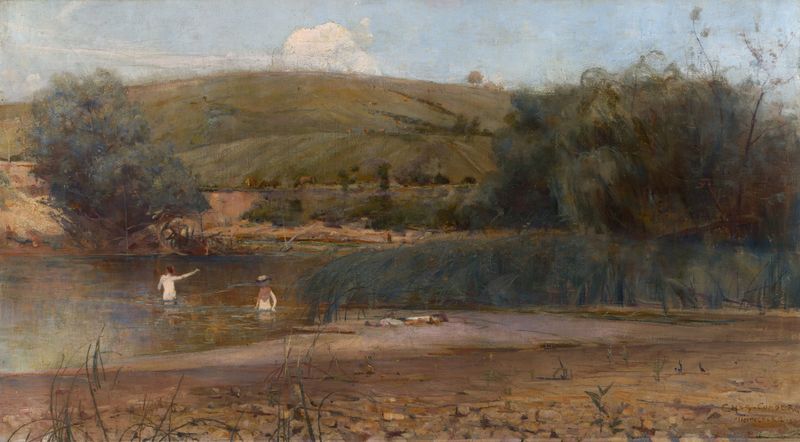
The Yarra, Heidelberg
Charles Conder
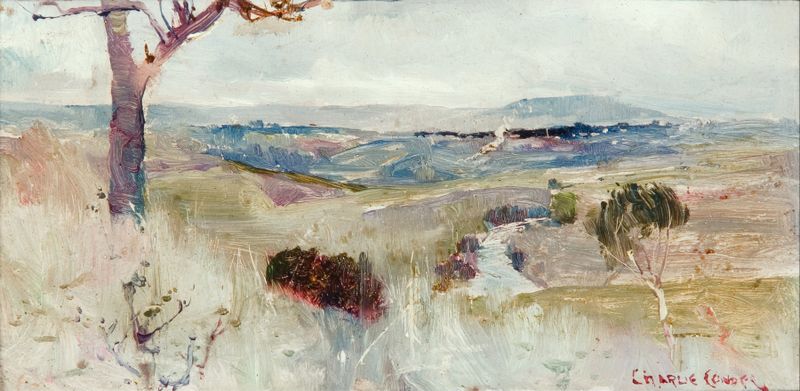
Dandenongs from Heidelberg
Charles Conder





