
Der Brand des Treumanntheaters am 9. Juni 1863 — History & Facts
Is this a mirror — or a memory? The flames consume the stage, a brilliant conflagration igniting not just wood and fabric, but the very soul of the theater itself. This moment captures the visceral pain of loss and the fervent hope of rebirth intertwined in the chaos. Look to the left, where the fire’s fierce orange glow contrasts sharply with the deep blues and greys of the surrounding chaos. Notice how the figures around the inferno are painted with dynamic strokes, their bodies twisted in reaction — some flee, while others stand transfixed by the spectacle.
The thick smoke spirals upward, taking form as if to carry the essence of dreams once held within those walls. The composition, both frenetic and deliberate, invites the viewer to ponder the collective gasp of a community faced with devastation. Within the imagery lies a potent commentary on the fragility of cultural spaces and the tenacity of memory. The theater, an emblem of artistic expression, reduced to embers, evokes a profound sense of mourning.
The heightened contrasts between light and shadow serve to reflect the duality of despair and hope; though the flames threaten annihilation, the act of witnessing ignites a collective awakening. This moment becomes less about destruction and more about the potential for renewal. Leopold Munsch created this powerful work in 1863 amidst a period of significant change in the art world. Living in Germany during a time marked by the burgeoning Romantic movement and the mid-19th century's socio-political upheavals, he was inspired to depict not only the literal event of a theater fire but also the emotional resonance it held for the community.
The painting stands as a testimony to the interplay of art, memory, and the heartbreaking beauty of impermanence.
More Artworks by Leopold Munsch
Browse all →
View from the Kahlenberg to the Leopoldsberg
Leopold Munsch
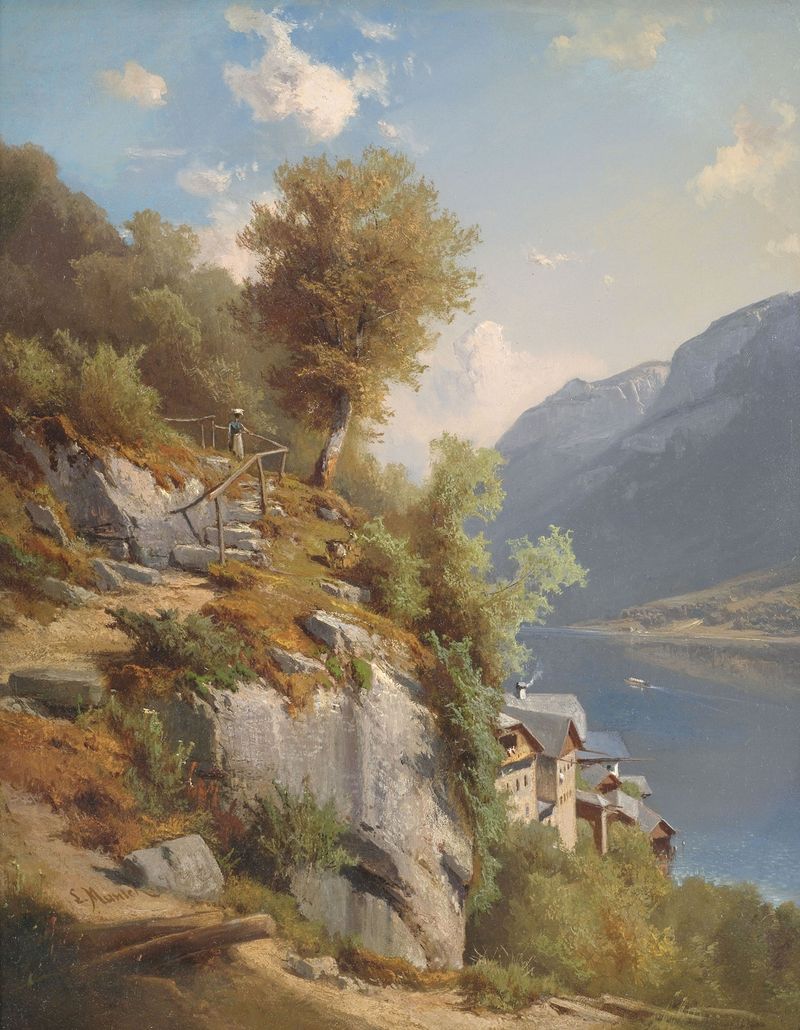
Sommerliche Landschaft mit Blick auf den Hallstätter See
Leopold Munsch
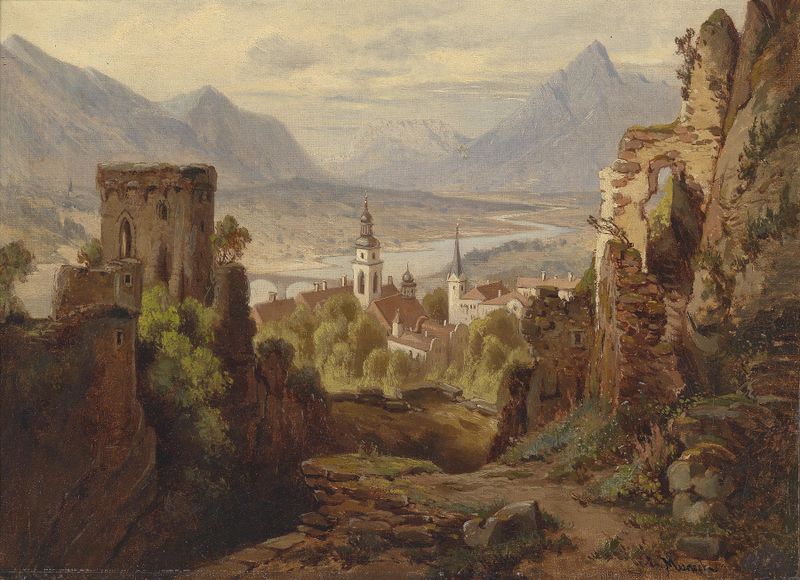
Blick auf Rattenberg am Inn
Leopold Munsch

Burg Taufers
Leopold Munsch
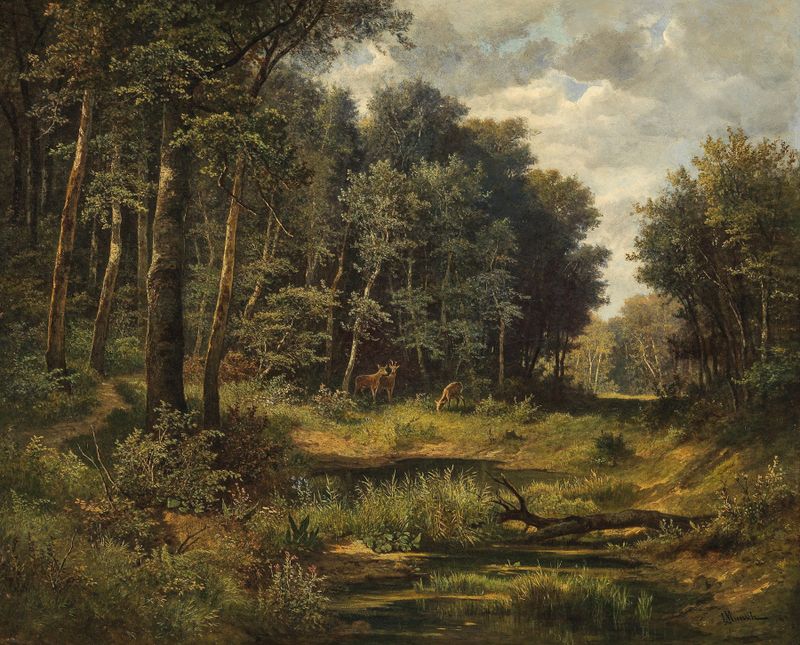
Roe Deer at the Forest Pond
Leopold Munsch
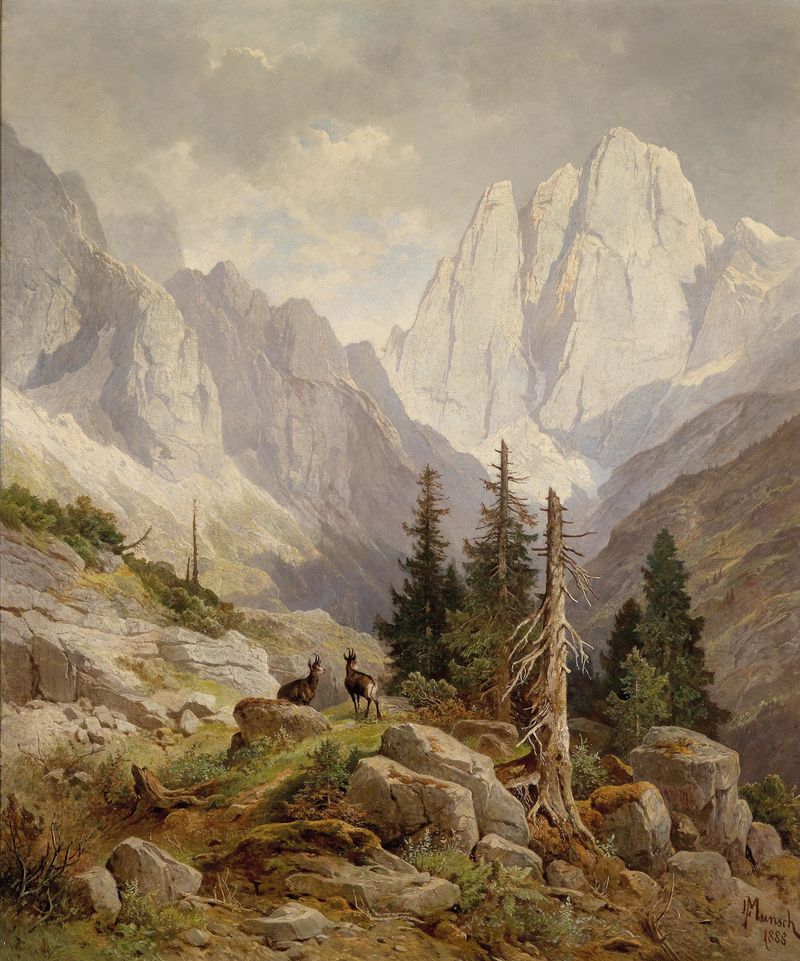
Gämsen im Hochgebirge
Leopold Munsch

Alte Häuser in Hallstadt
Leopold Munsch
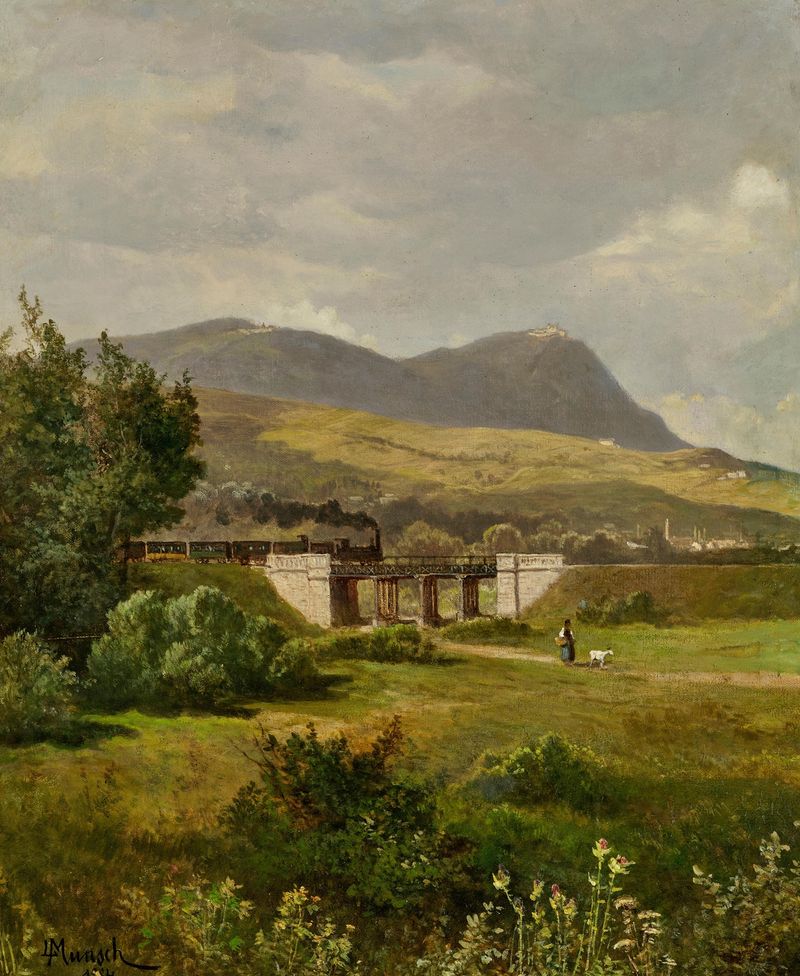
A Steam Train, with Leopoldsberg and Kahlenberg in the Background
Leopold Munsch
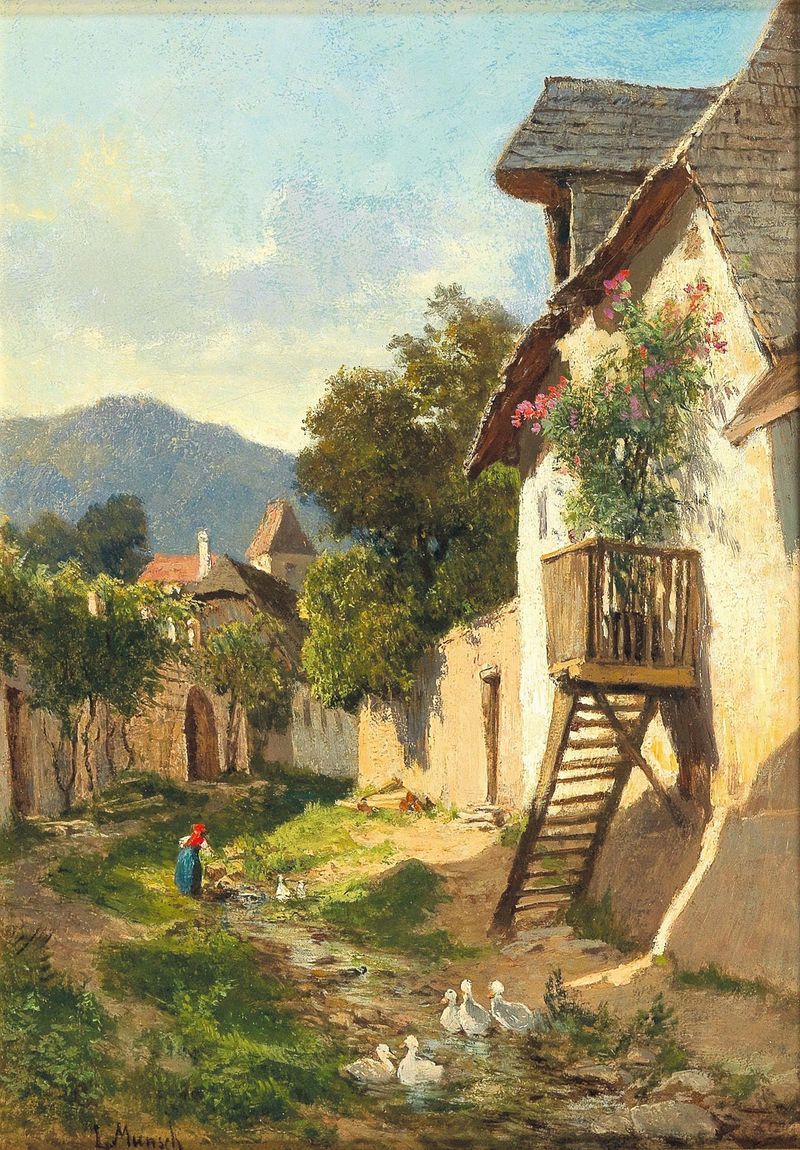
Scene of the Wachau
Leopold Munsch
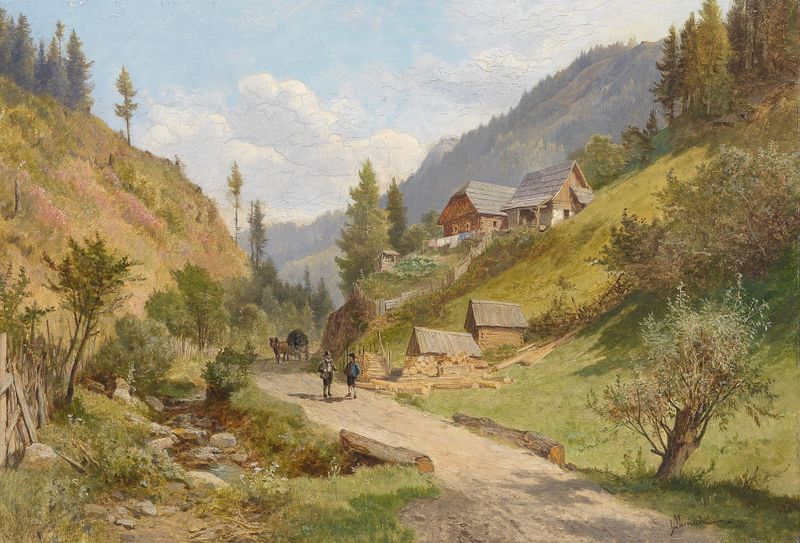
Landschaft in Niederösterreich
Leopold Munsch
More Historical Art
Browse all →
The Night Watch Militia Company of District II under the Command of Captain Frans Banninck Cocq
Rembrandt van Rijn

Lincoln Memorial
Henry Bacon

The Third of May 1808
Francisco de Goya

Isaac and Rebecca, Known as ‘The Jewish Bride’
Rembrandt van Rijn

The Charge of the Mamelukes (1814)
Francisco de Goya

De vier ruiters van de apocalyps
Albrecht Dürer