
Der Esterházykeller in Wien 1797 Österreichische Galerie Belvedere — History & Facts
A hush of anticipation lingers in the air, as if the walls themselves are listening in on the conversations that flow through this vaulted chamber. Warm light pools across the long wooden tables, illuminating a gathering of men deep in talk and drink, their faces animated, their gestures broad and lively. The painter has chosen a vantage point that draws us into the heart of the room, where the low, arched ceiling presses close overhead and the sturdy pillars create a rhythm of intimacy and enclosure.
Details leap out: the glint of a glass raised mid-toast, the white apron of a server threading through the crowd, the subtle hierarchy of hats and coats that mark out station and status. Every figure seems caught in a moment of real life, the kind of scene you might stumble upon by chance and wish you could linger in. This is Vienna in the late 19th century, when cellars like this one—known as kellers—were the beating heart of social life, places where news, politics, and laughter mingled over wine and hearty fare. In 1871, the year this work was painted, the city was alive with change: the old aristocratic order was giving way to a new, bustling bourgeoisie, and artists like Adolph von Menzel found inspiration in the everyday rituals of urban existence.
Works of this kind were often commissioned or collected by those who wanted to celebrate the spirit of their city, to capture the fleeting pleasures of communal life before they slipped away. Today, Der Esterházykeller in Wien resides in the Österreichische Galerie Belvedere, its scene as vivid and inviting as the day it was painted—an invitation to step back into a world where every table tells a story.
More Artworks by Adolph von Menzel
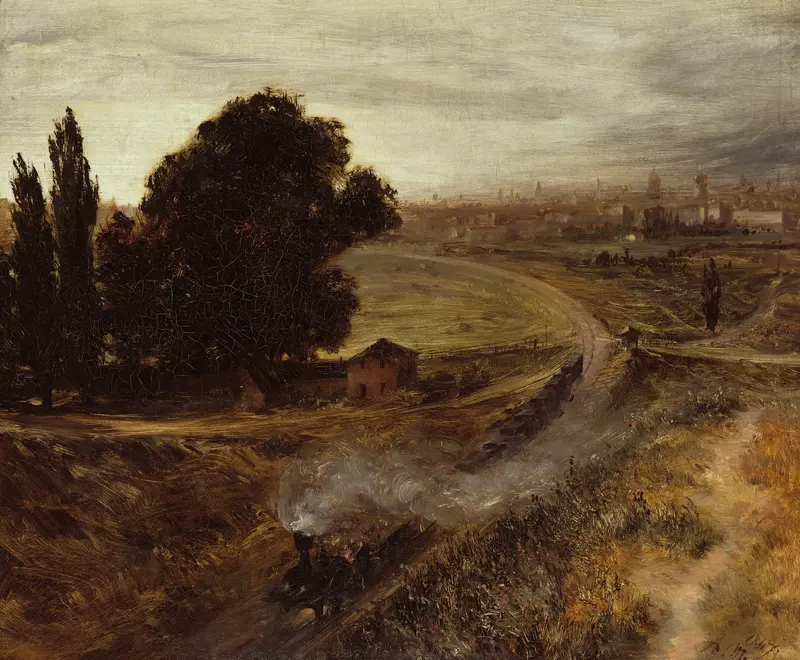
The Berlin-Potsdam Railway
Adolph von Menzel
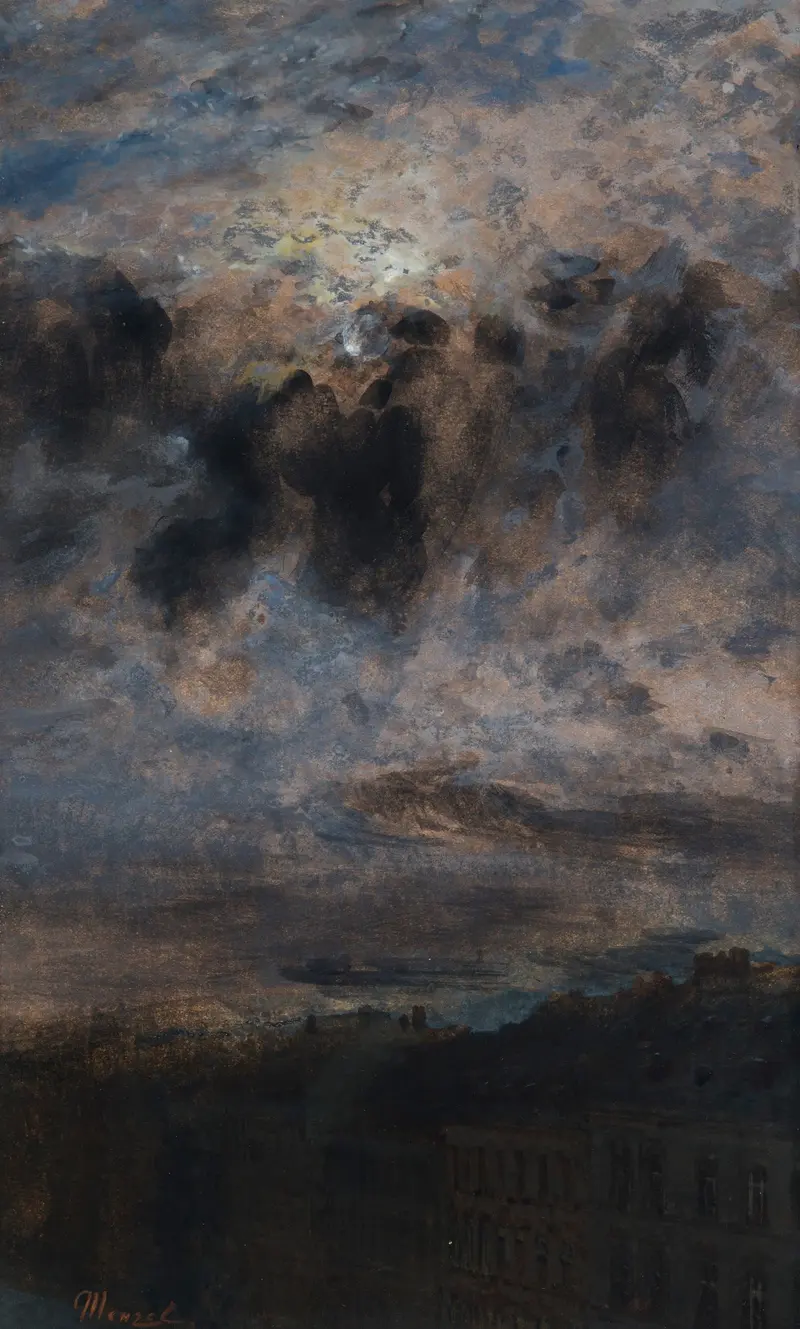
Mondschein über den Dächern von Berlin
Adolph von Menzel
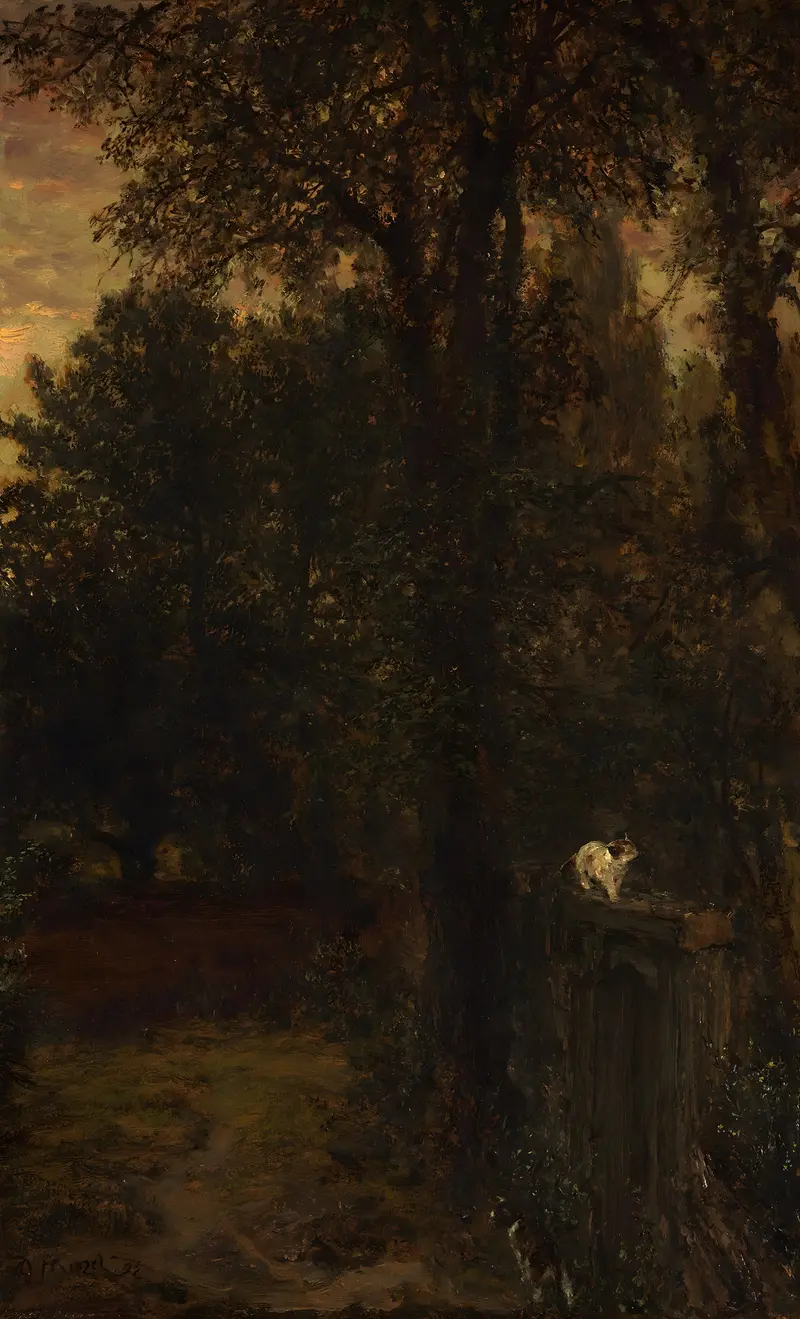
Landscape
Adolph von Menzel
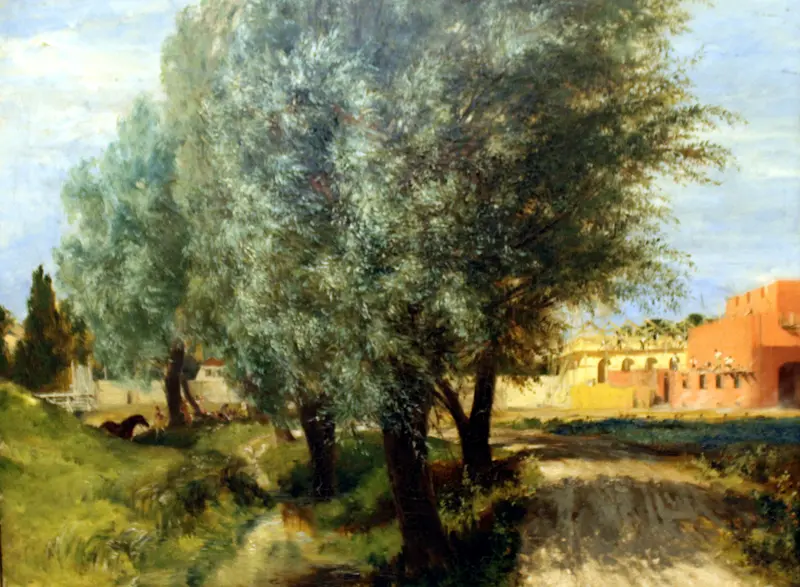
Building Site with Willows
Adolph von Menzel
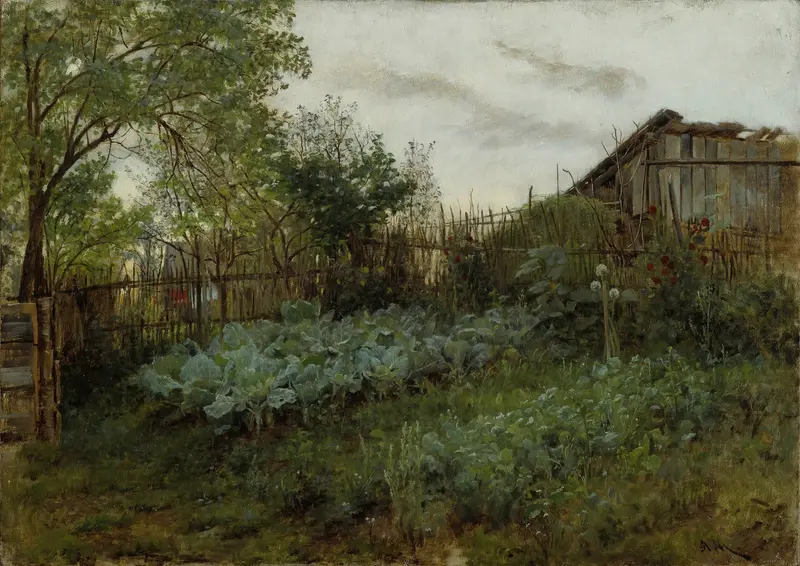
The Back Garden
Adolph von Menzel
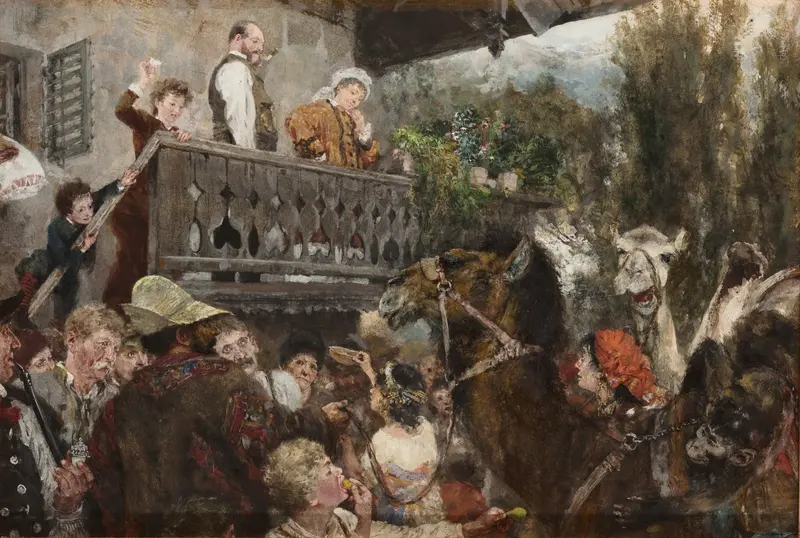
The wandering circus (Camel drivers in Partenkirchen)
Adolph von Menzel
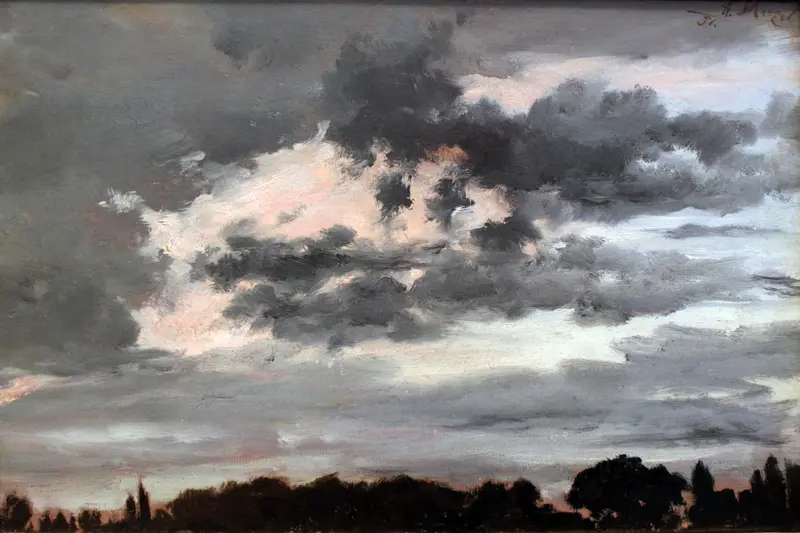
Cloud Study
Adolph von Menzel
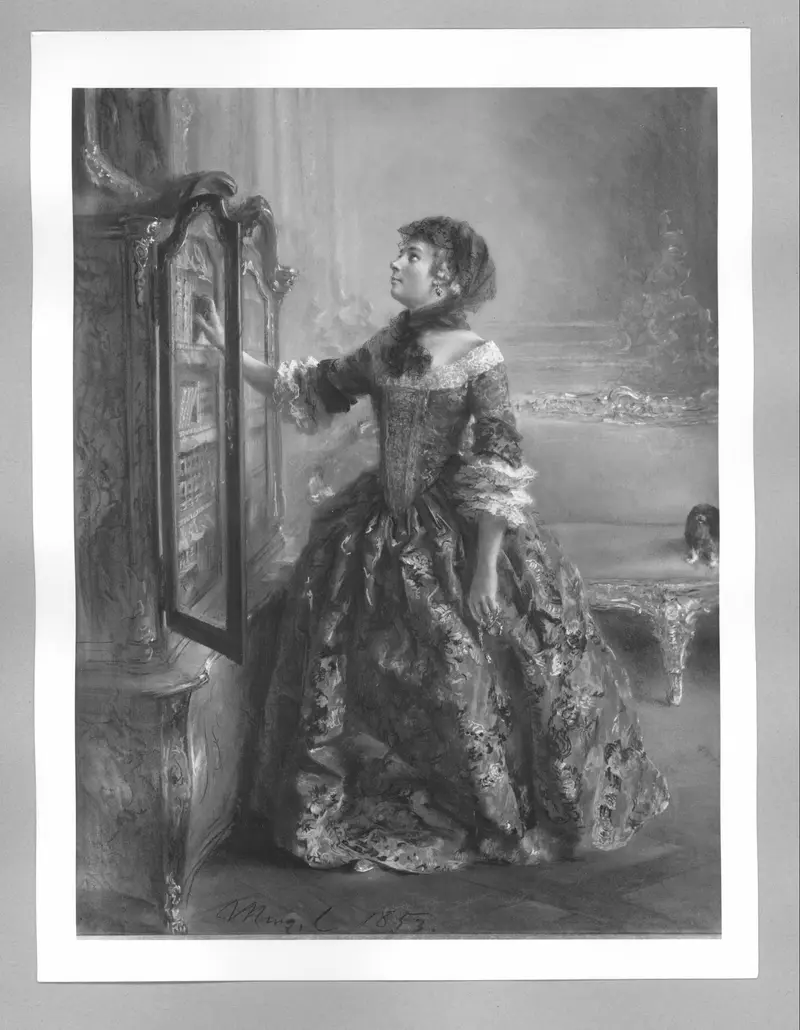
Adolf Friedrich Erdmann Menzel Dame in Rokoko Kostüm vor einem Bücherschrank (Prinzessin Amalie von Hohenzollern) 2320 Führermuseum
Adolph von Menzel
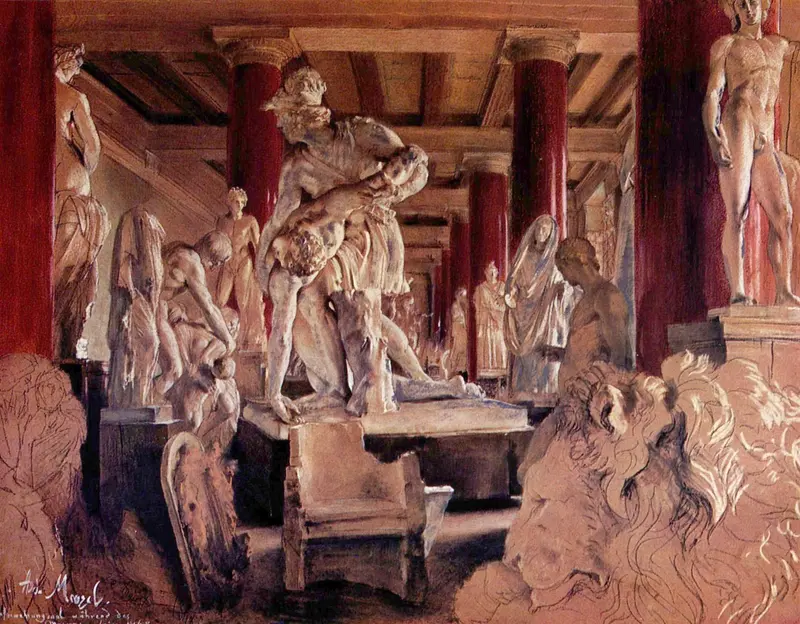
Aufbewahrungssaal während des Museumsumbaus Adolf Friedrich Erdmann von Menzel (Alte Nationalgalerie, Berlin)
Adolph von Menzel
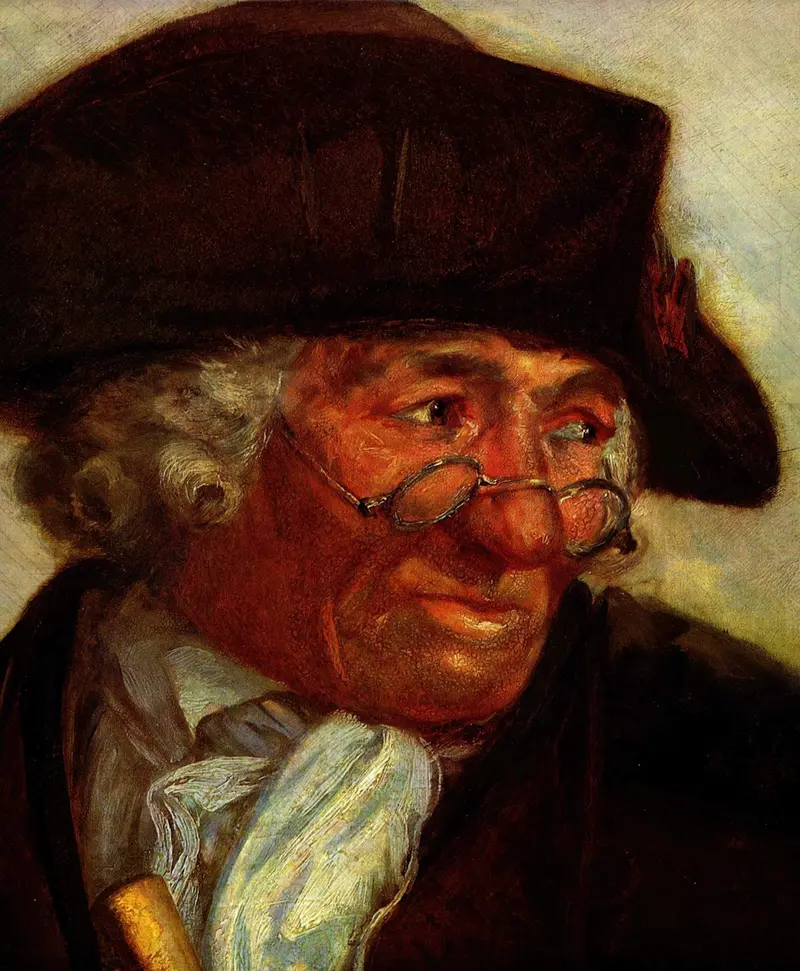
Chodowiecki on the Jannowitz Bridge
Adolph von Menzel
More Genre Scene Art

Banquet of the Officers of the St George Civic Guard
Frans Hals

Rembrandt and Saskia in the Scene of the Prodigal Son
Rembrandt van Rijn

Bal du moulin de la Galette
Pierre-Auguste Renoir

Quadrille at the Moulin Rouge
Henri de Toulouse-Lautrec

A Burial at Ornans
Gustave Courbet

When Will You Marry?
Paul Gauguin