Der Meermann — History & Facts
Who listens when art speaks of silence? In the stillness of Der Meermann, serenity envelops the canvas, inviting contemplation and introspection. Look to the left at the tranquil figure of the merman, poised between water and air, his serene expression capturing a moment of quiet reflection. Notice how the soft blues and greens of the aquatic environment blend seamlessly with the golden hues of the sunset filtering through the surface. The gentle ripples around him create a sense of movement, yet the overall composition remains harmonious, as if time itself has paused to embrace this solitary being. Delve deeper into the contrasts present within the piece.
The merman’s calm demeanor juxtaposes the tumultuous world of the sea, symbolizing the duality of existence—peace amidst chaos. The delicate way his fingers play with the water suggests an intimacy with his environment, while the distant horizon represents the unknown, hinting at the mysteries that lie beyond. This tension between serenity and the vastness of the ocean evokes a profound sense of solitude and connection to nature. In 1889, Hans Thoma created Der Meermann during a period when he was deeply engaged with themes of folklore and nature.
Living in Germany, he was part of an artistic movement that sought to merge romanticism with realism. This painting reflects his fascination with mythical subjects and the natural world, offering insight into his creative explorations at a time when the arts were experiencing significant shifts in perception and style.
More Artworks by Hans Thoma
Browse all →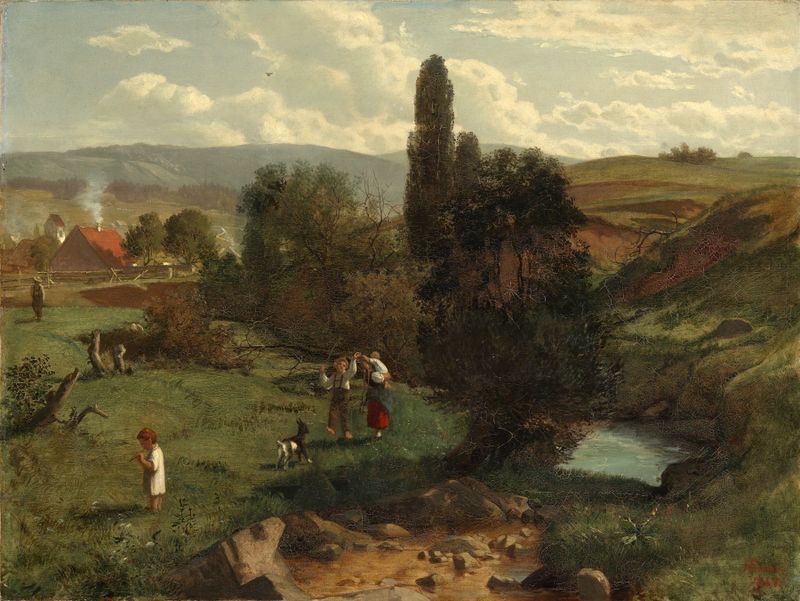
Schwarzwaldlandschaft
Hans Thoma
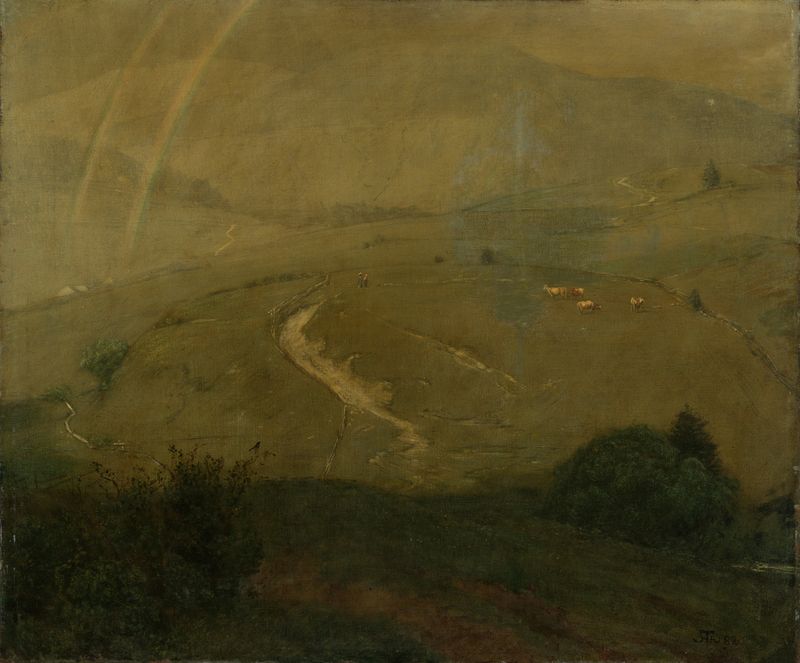
Regen im Schwarzwald
Hans Thoma
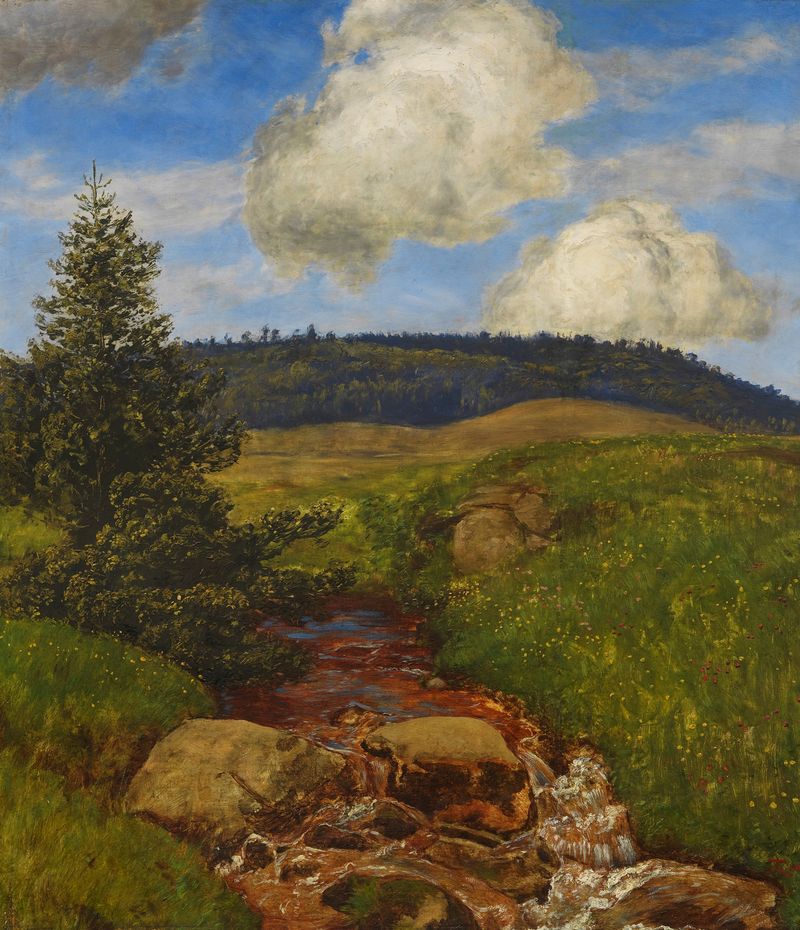
Schwarzwaldbach
Hans Thoma
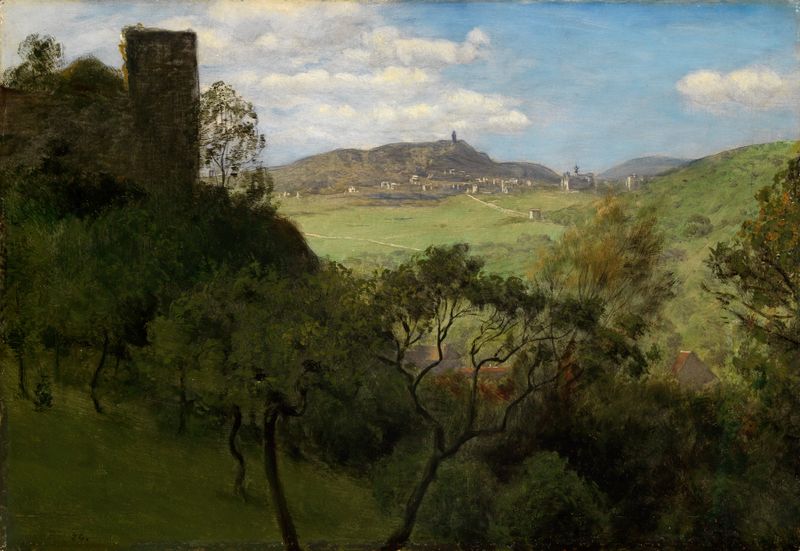
Blick auf Falkenstein im Taunus
Hans Thoma
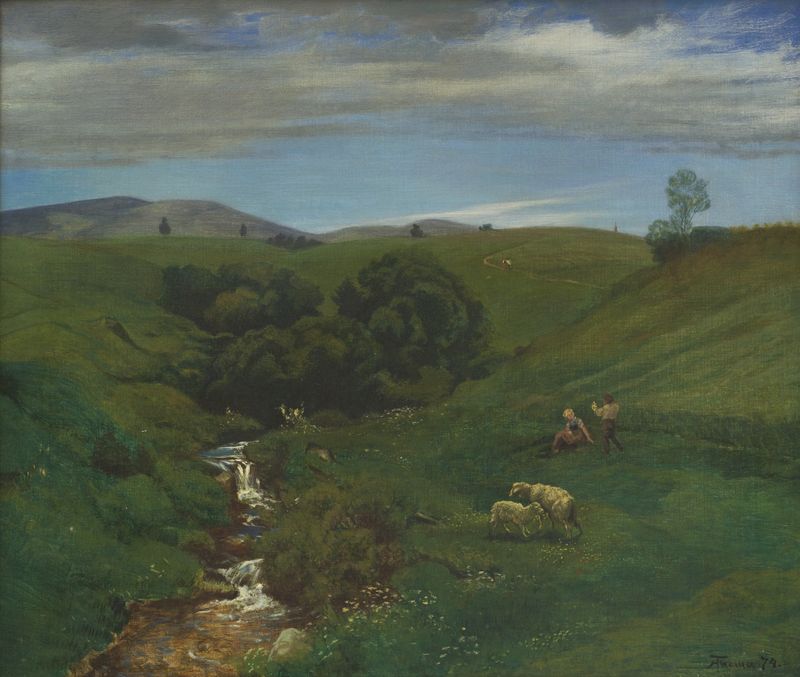
Black Forest Meadow near Bernau
Hans Thoma
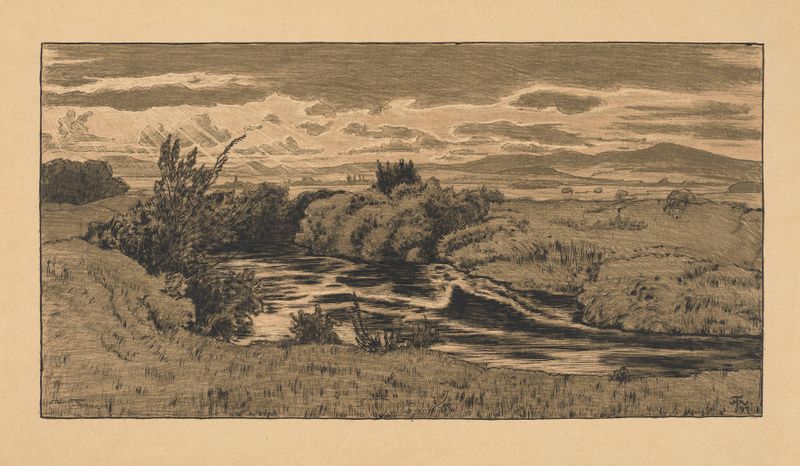
Evening by the Nidda River
Hans Thoma
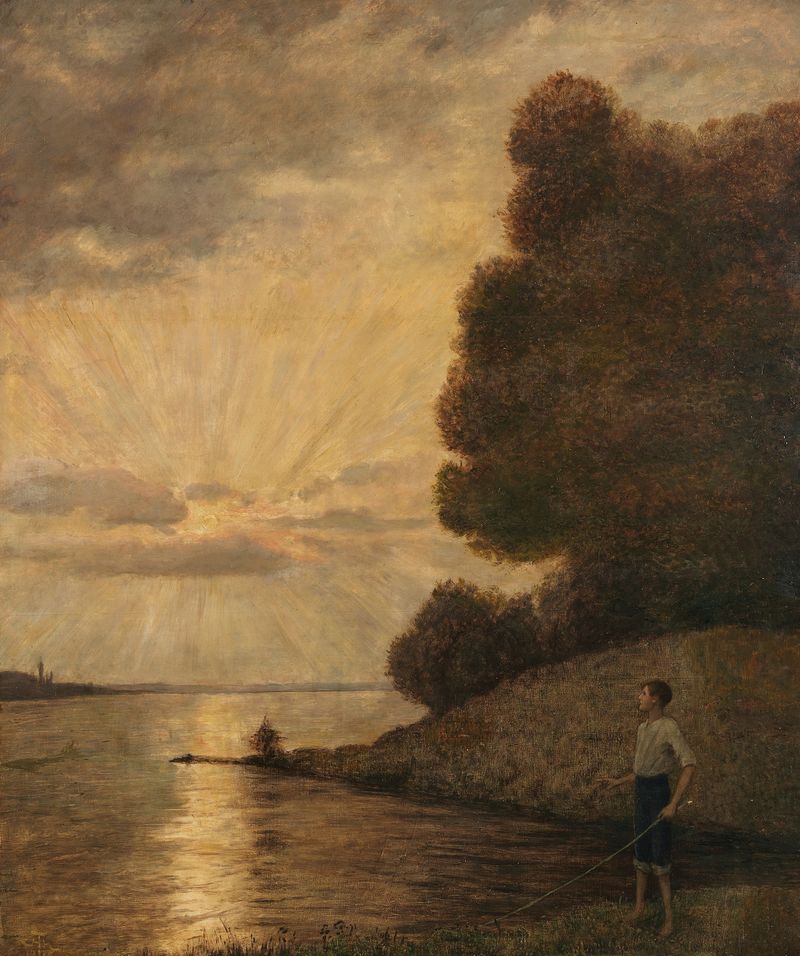
Sonnenuntergang am Oberrhein
Hans Thoma
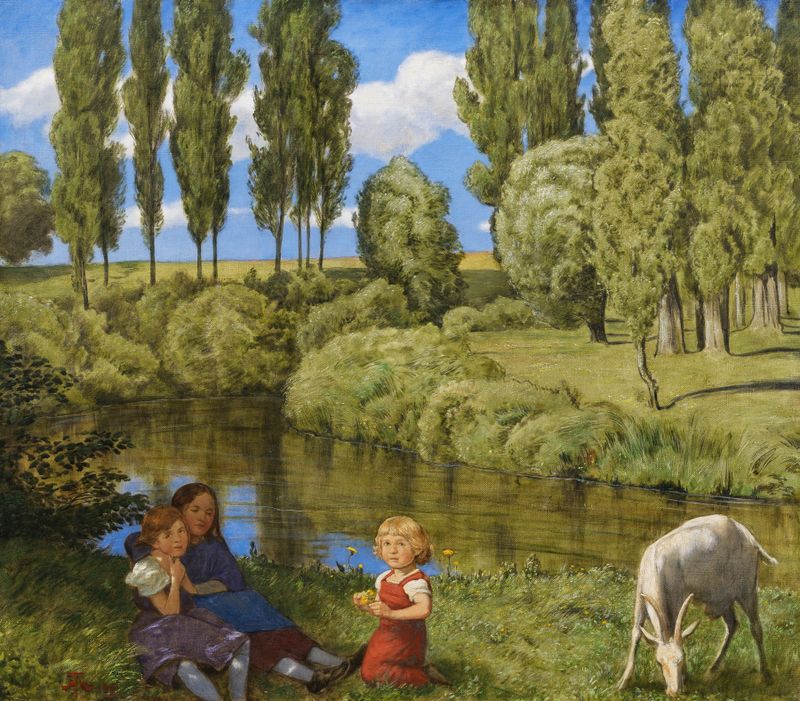
Am Stillen Bach
Hans Thoma
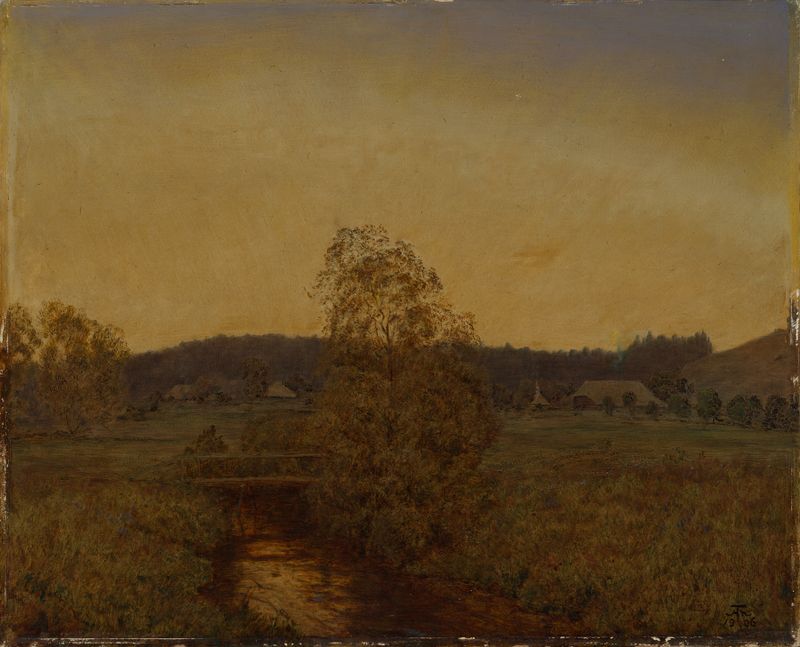
Der Abendstern
Hans Thoma
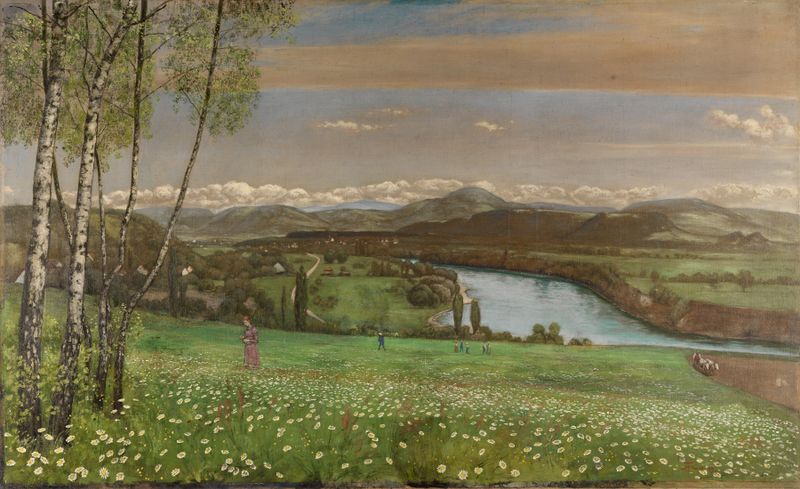
Das Rheintal bei Säckingen
Hans Thoma