
Der Wolfgangsee — History & Facts
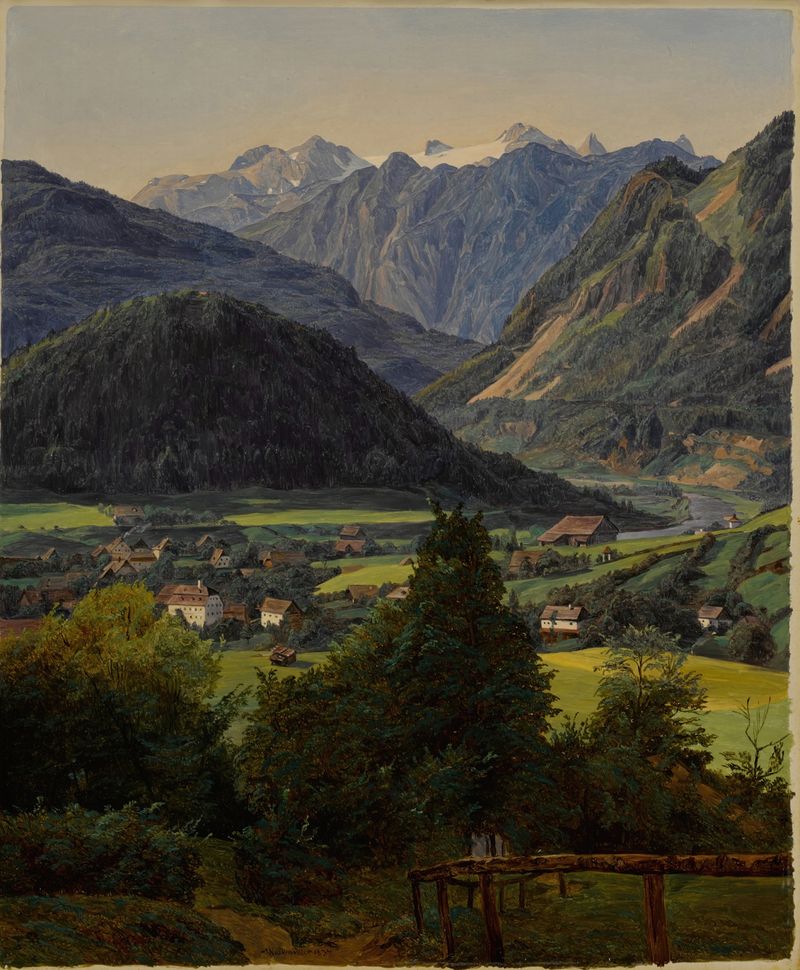
When did color learn to lie? In an era where truth was often obscured by the layers of artifice, Der Wolfgangsee presents an alluring deception through its vibrant hues and meticulous detail. The landscape invites viewers to question the authenticity of their perceptions, revealing both the beauty and the obsession beneath its surface. Look to the foreground, where the crystal-clear waters of the lake shimmer under the sun's glow, reflecting the rich blues and greens that dominate the scene. Notice how the artist employs a delicate brushwork technique to create a sense of movement in the foliage, while the distant mountains emerge with a hazy softness that evokes a dreamlike quality.
The interplay of light and shadow draws the eye across the canvas, compelling you to explore the serene yet complex relationships among nature, color, and form. Delve deeper into the subtle contrasts present in the painting. The vibrant flowers in the foreground burst with life, yet they seem to whisper secrets of the obsessions that drive the viewer's gaze toward the tranquil lake. The juxtaposition of the serene water and the vivid flora highlights a tension between calmness and desire, suggesting a longing for beauty that may be unattainable.
This emotional undercurrent resonates with the viewer, prompting a reflection on the nature of longing itself. In 1835, Waldmüller painted Der Wolfgangsee during a period of personal upheaval and transformation in the art world. Living in Vienna, he was deeply influenced by the burgeoning Romantic movement, which emphasized individual emotion and the sublime beauty of nature. As the artist grappled with his own artistic identity, he sought to convey profound emotions through landscapes, shedding light on the intricacies of human obsession in a rapidly changing society.
More Artworks by Ferdinand Georg Waldmüller
Browse all →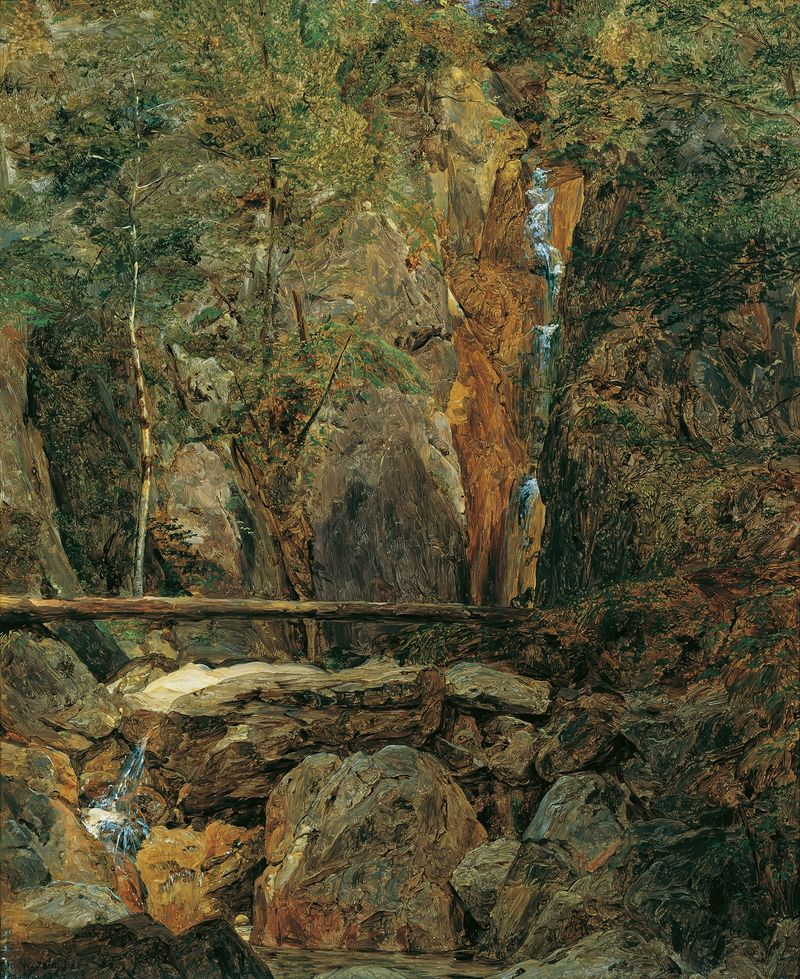
Die Rettenbachwildnis bei Ischl
Ferdinand Georg Waldmüller
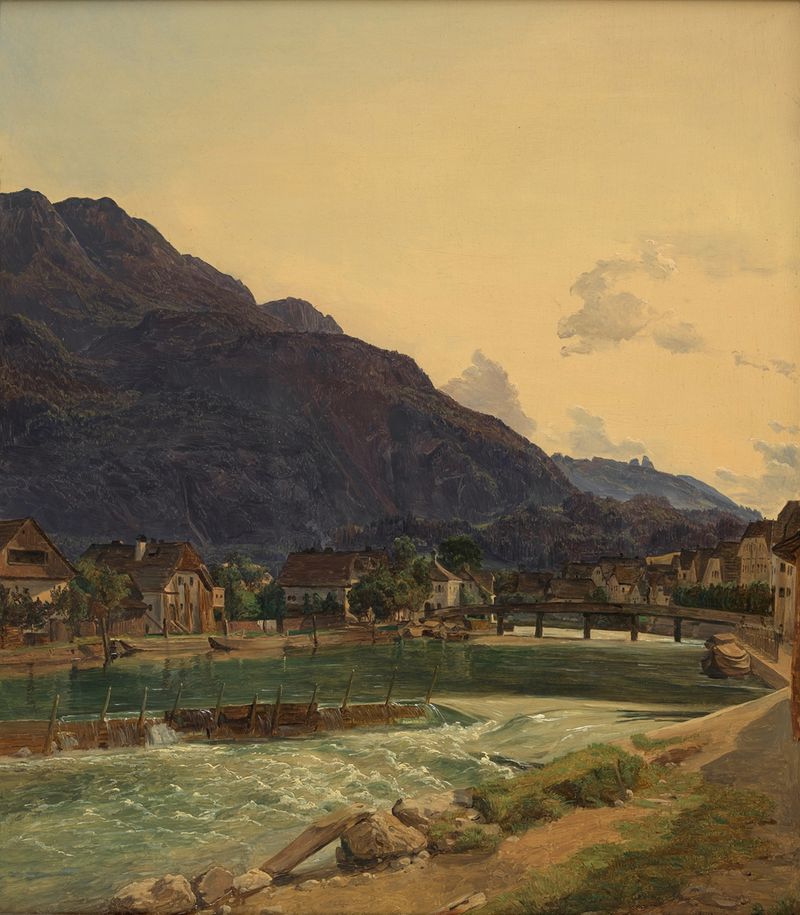
Die Traun bei Ischl
Ferdinand Georg Waldmüller

Die Römische Ruine in Schönbrunn
Ferdinand Georg Waldmüller
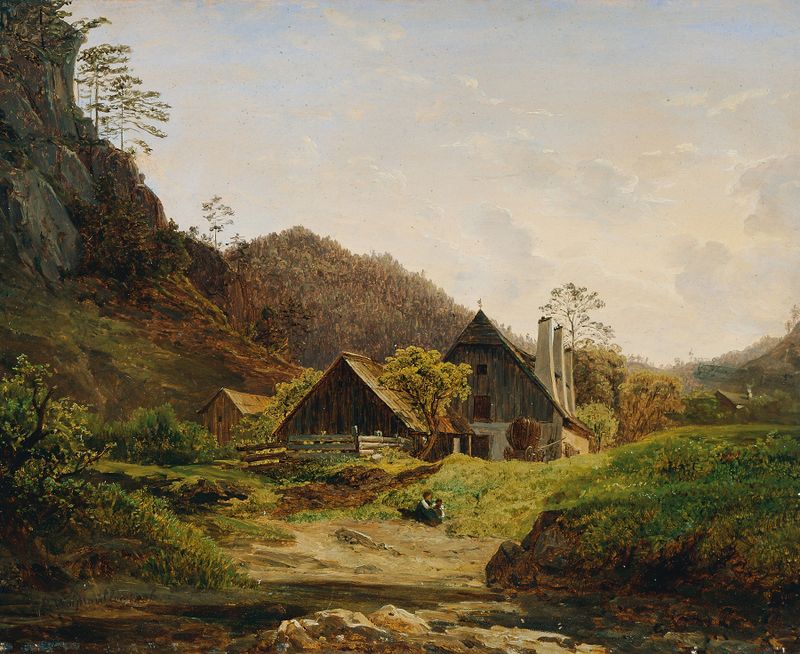
Landschaft mit Hammerschmiede
Ferdinand Georg Waldmüller

Ahornbäume bei Ischl
Ferdinand Georg Waldmüller

Ansicht des Dachsteins mit dem Hallstättersee von der Hütteneckalpe bei Ischl
Ferdinand Georg Waldmüller

Lake Wolfgangsee with the Dachstein massif
Ferdinand Georg Waldmüller
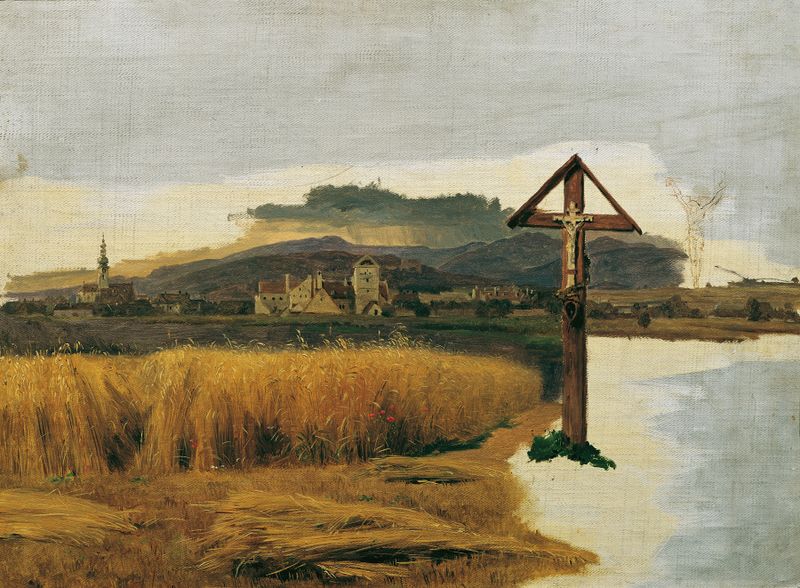
Landschaft von Brunn am Gebirge
Ferdinand Georg Waldmüller

Prater Landscape
Ferdinand Georg Waldmüller
The Dachstein seen from the Sophienplatz
Ferdinand Georg Waldmüller





