
Derii no Juma Mashiddo (Jama Masjid, Delhi) — History & Facts
Where does light end, and longing begin? In a world forever caught between the chaos of life and the stillness of reflection, the essence of a moment can transcend time and space. Look to the center of the canvas, where the grand arches of the Jama Masjid rise majestically against an aquamarine sky. Notice how the light spills softly over the intricate details of the mosque's facade, illuminating the rhythmic patterns carved into the stone. The artist employs a subtle palette, blending warm ochres with hints of cobalt, creating a harmony that enchants the eye and draws the viewer deeper into the scene.
Each meticulous brushstroke captures the essence of a bustling place, while simultaneously inviting a sense of serene contemplation. As you delve further, observe the soft play of shadows on the ground, contrasting with the brilliant sunlight above, symbolizing a duality between chaos and tranquility. The figures scattered throughout the scene, small yet significant, convey the ebb and flow of life—each one a whisper of stories untold. This complex interplay of light and darkness evokes a profound sense of longing, as if the very essence of the place speaks to the heart's desire for connection amidst the chaos of existence. Created in 1931, this artwork reflects Yoshida Hiroshi’s engagement with traditional Japanese woodblock printing techniques while embracing the themes of modernity.
At this time, he was exploring the cultural exchanges between East and West, a reflection of his own travels and experiences. The world was rapidly changing, and this piece embodies both the beauty of historical architecture and the vibrancy of contemporary life, marking a pivotal moment in the evolution of his artistic journey.
More Artworks by Yoshida Hiroshi
Browse all →
Crytomeria Avenue (Sugi Namiki)
Yoshida Hiroshi
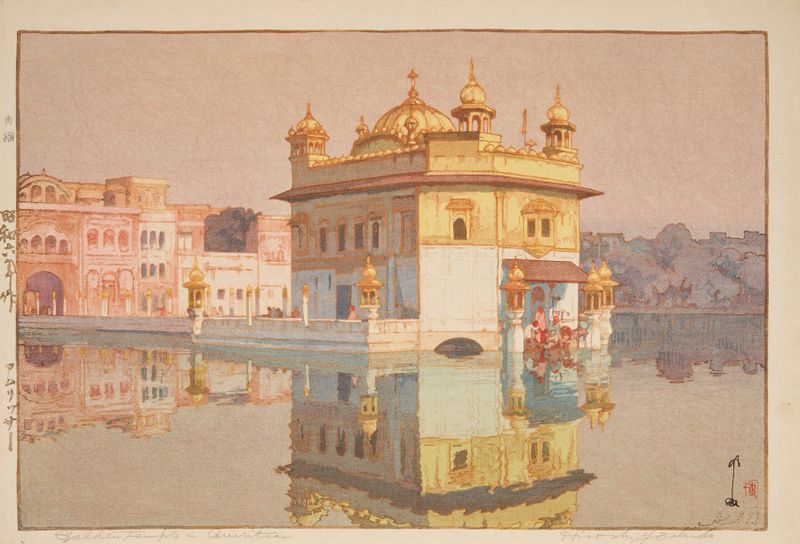
Amurissaa (Golden Temple in Amritsar)
Yoshida Hiroshi

High Gate in Ajmer (Ajumeru no Berenderuwajaa)
Yoshida Hiroshi

Fujiyama from Gotemba
Yoshida Hiroshi
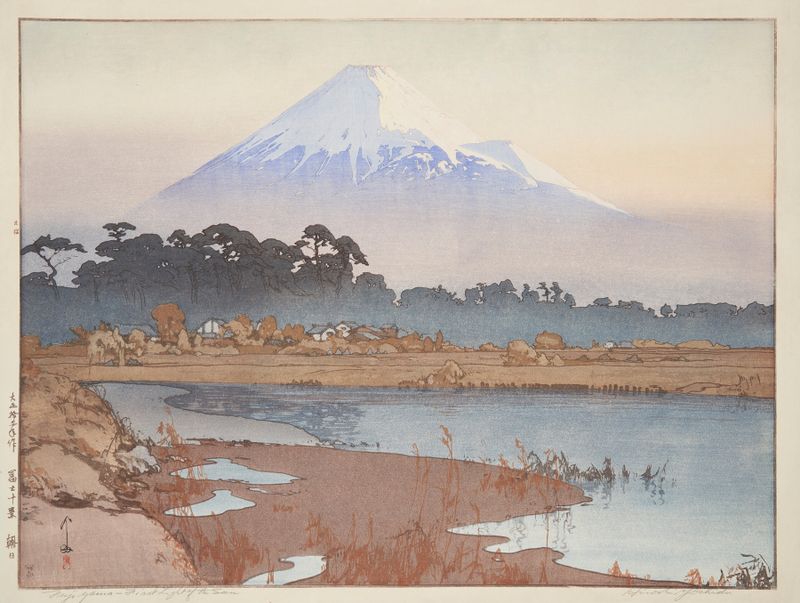
Asahi (Sunrise).
Yoshida Hiroshi
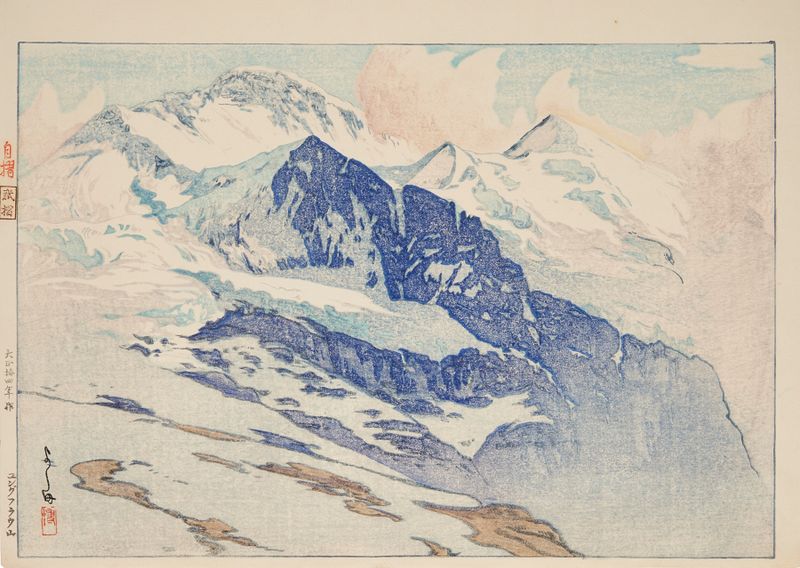
Yungufurau-yama (Jungfrau)
Yoshida Hiroshi
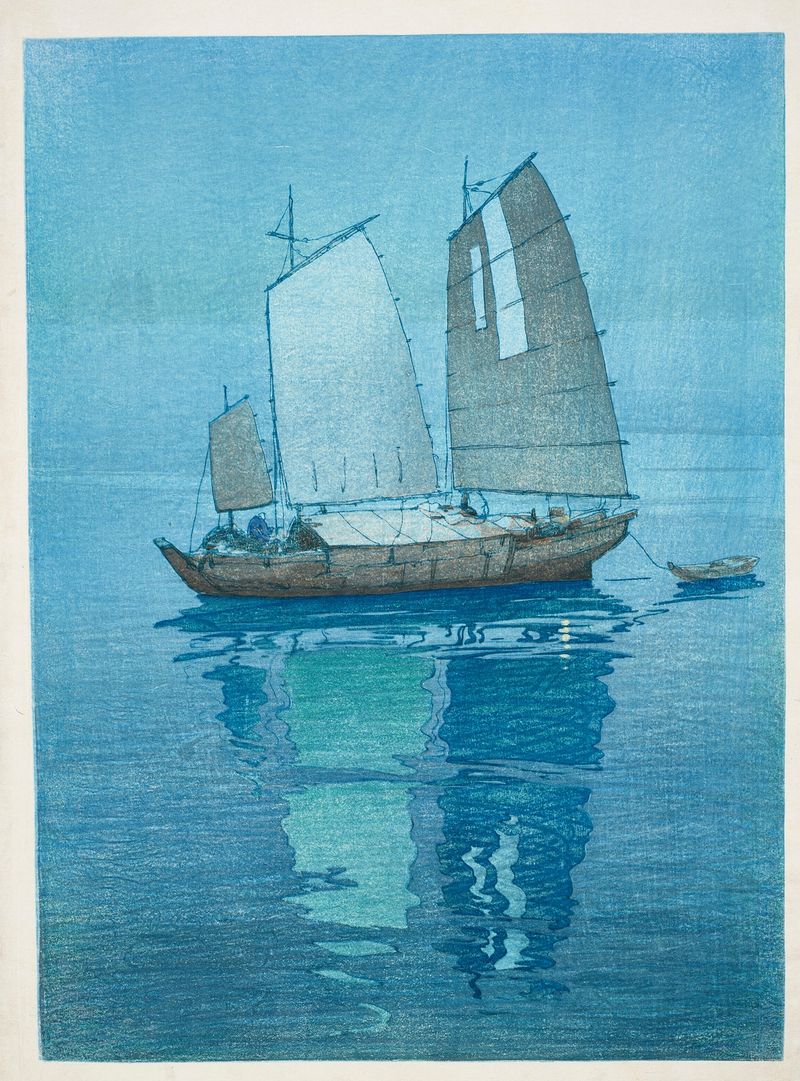
Hansen (Sailing Boats)
Yoshida Hiroshi
Summit of Mount Fuji
Yoshida Hiroshi

Sailing Boats — Night, from the series ‘The Seto Inland Sea’
Yoshida Hiroshi
Grand Canyon (Gurando Kyanion)
Yoshida Hiroshi
More Architecture Art
Browse all →
The statue of Liberty
Frédéric Auguste Bartholdi

View of Houses in Delft, Known as ‘The Little Street’
Johannes Vermeer

View of Houses in Delft, Known as ‘The Little Street’
Johannes Vermeer

The Cathedral in Rouen. The portal, Grey Weather
Claude Monet

The yellow house
Vincent van Gogh

The Church in Auvers-sur-Oise, View from the Chevet
Vincent van Gogh