
Descente dans la vallée du Jourdain — History & Facts
Did the painter know this moment would outlive them? In the quiet stillness of Descente dans la vallée du Jourdain, a sense of faith permeates the air, whispering secrets of a journey both physical and spiritual. Look to the foreground, where a group of figures descends the rugged terrain, their forms gently shadowed by the soft glow of late afternoon light. The artist’s brush captures the undulating contours of the valley, leading the eye toward the horizon, where the lush landscape meets the sky’s ethereal blue. Notice how the earthy tones of the land harmonize with the vibrant greens, creating a juxtaposition that reflects the struggle between human endeavor and the divine nature of the land. The emotional tension lies in the expressions of the figures, each face revealing a personal relationship with the journey.
Some seem contemplative, while others appear resolute, suggesting the complexity of faith and the burdens they carry. The winding path of the valley becomes a metaphor for life’s journey, with its inevitable trials and the hope of reaching a divine promise. The shimmering river in the distance beckons, symbolizing both the flow of life and a connection to something greater. In 1852, François Stroobant painted Descente dans la vallée du Jourdain during a period marked by a fascination with religious themes and nature in art.
Living in Belgium, Stroobant was influenced by the Romantic movement, which emphasized emotion and individual experience. This work reflects his engagement with spiritual narratives, set against a backdrop of evolving artistic ideology that sought to transcend mere representation, tapping into the profound experience of faith itself.
More Artworks by François Stroobant
Browse all →
Interior of the church of Notre Dame du Sablon at Brussels
François Stroobant
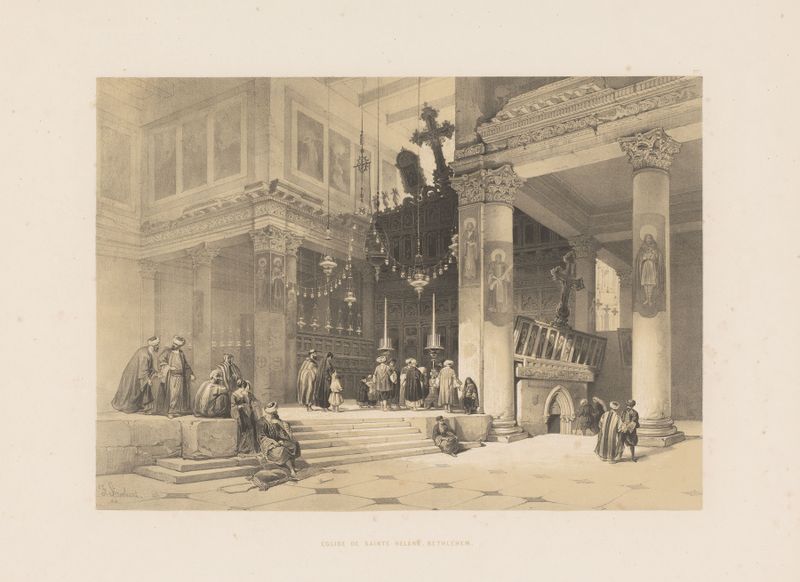
Église de sainte Hélène. Bethléhem
François Stroobant
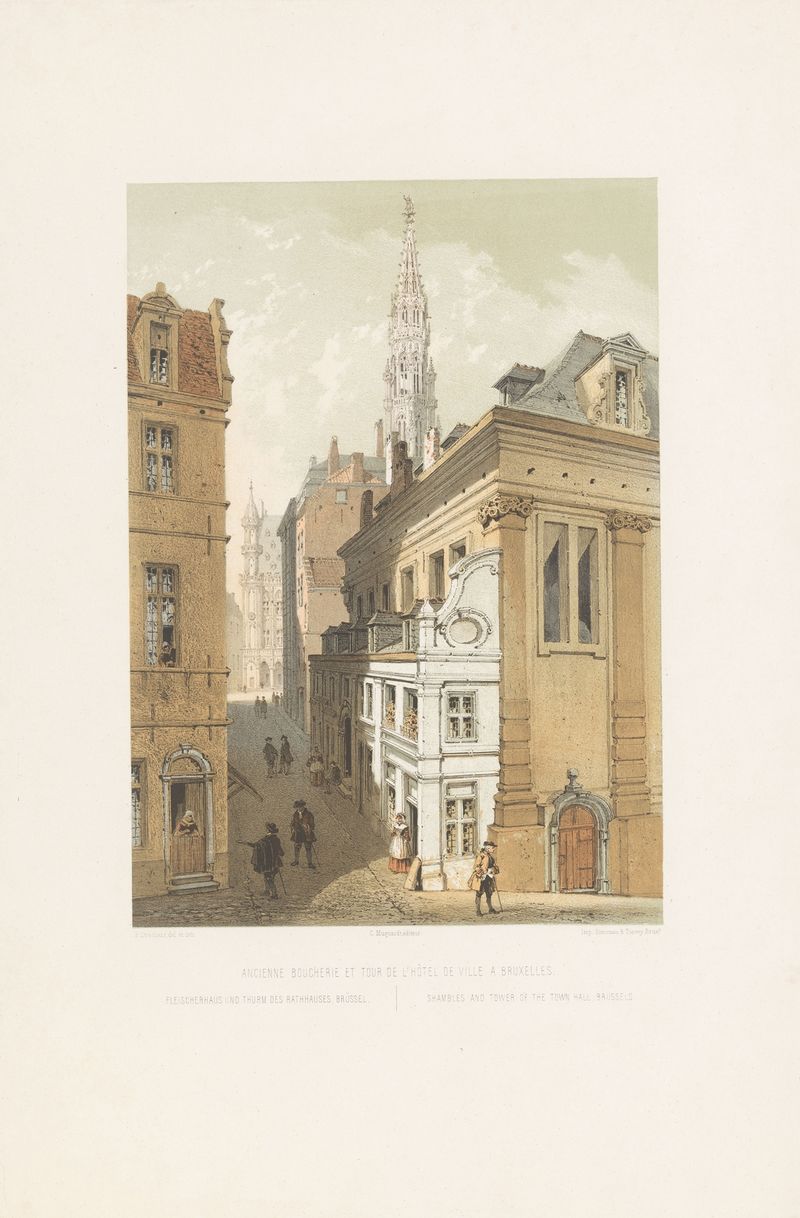
Shambles and tower of the town hall, Brussels
François Stroobant

Intérieur de l’église Grecque du Saint-Sépulcre
François Stroobant
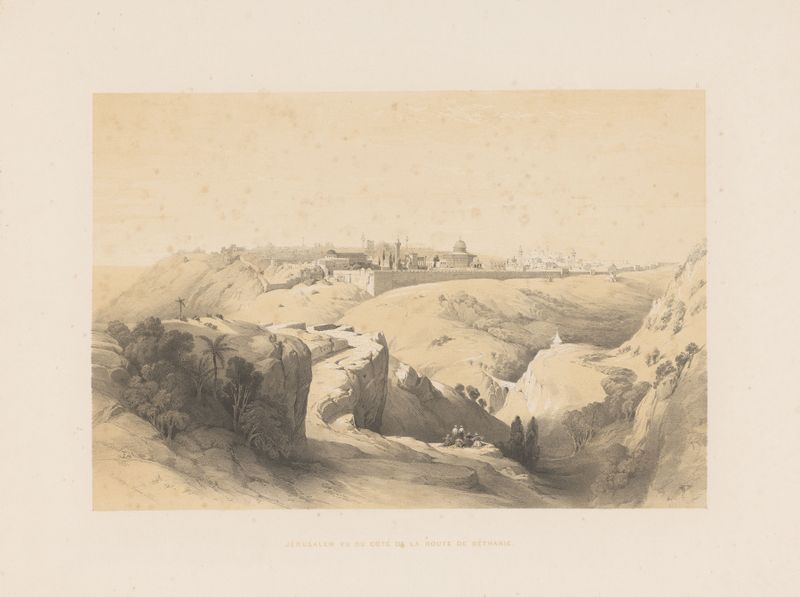
Jérusalem vu du coté de la route de Béthanie
François Stroobant

Le tabernacle du Saint-Sépulcre
François Stroobant

Town hall Brussels
François Stroobant

Fontaine de Jacob à Sichem
François Stroobant
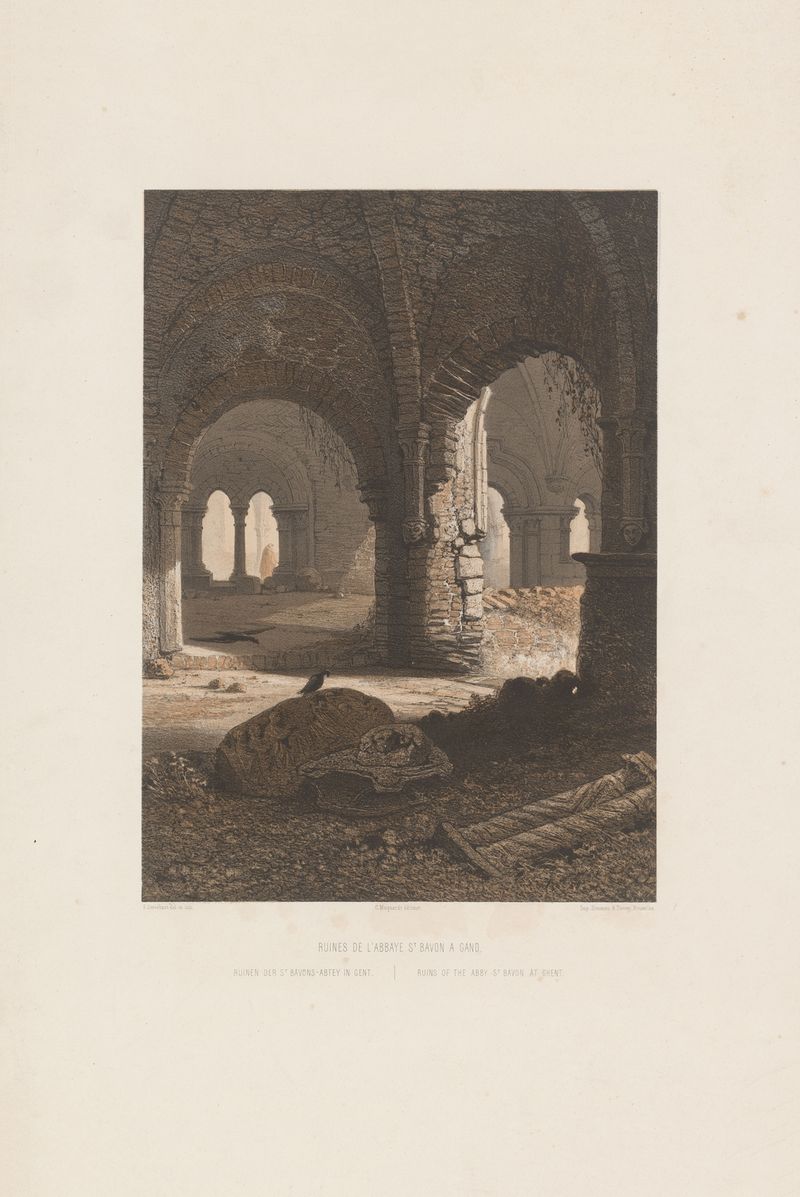
Ruins of the abby St Bavon at Ghent
François Stroobant

Vue de Naplouse
François Stroobant





