Deserted Farm, St. Cyr — History & Facts
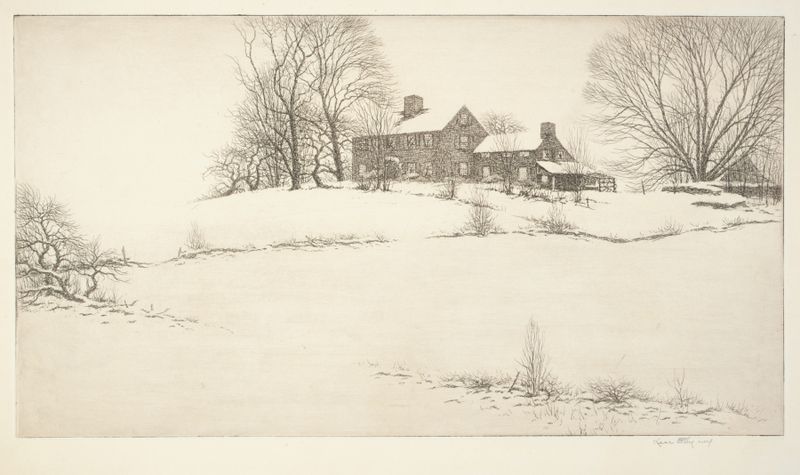
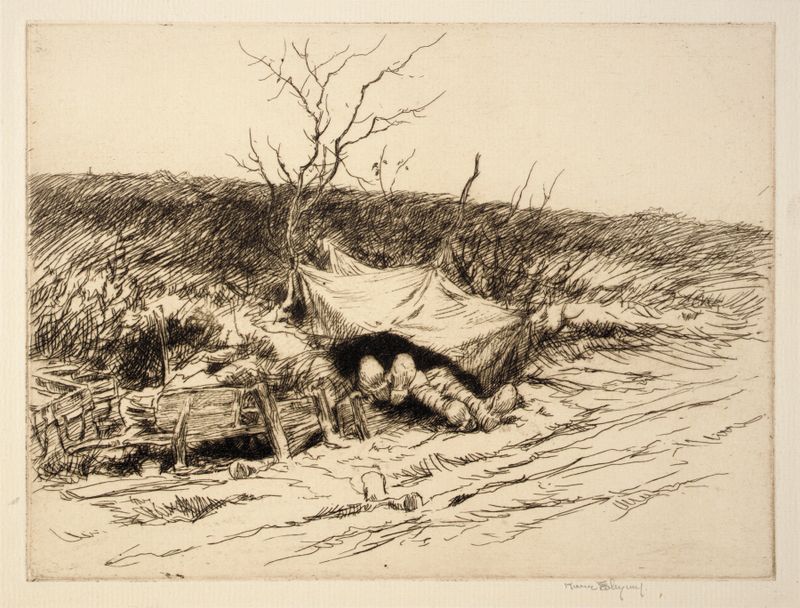
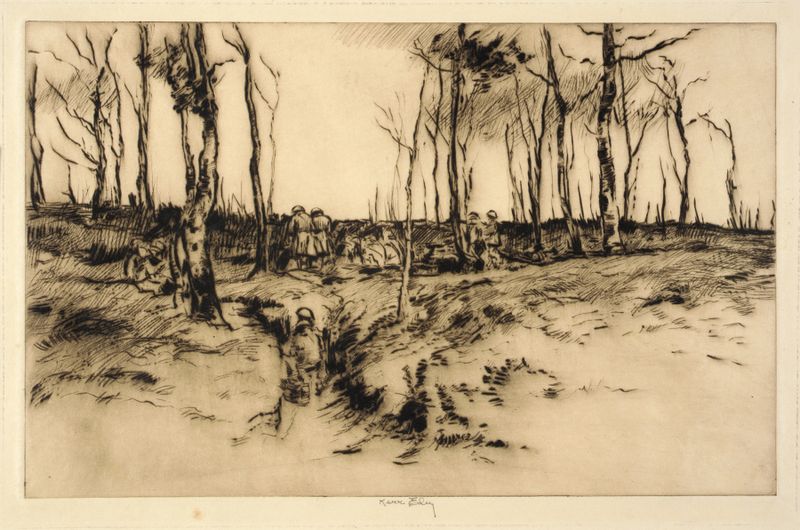
What if beauty was never meant to be finished? A deserted farm, lifeless yet brimming with untold stories, captures the viewer’s imagination and whispers of the revolution that once thrived there. Look to the left at the dilapidated barn, its weathered wood a canvas of rustic browns and grays. The light filters through the sparse clouds, casting a haunting glow that highlights the contours of the land, revealing the desolation and beauty intertwined. Shadows stretch across the field, emphasizing both the abandonment and the resilience of nature reclaiming its space.
Notice how the vibrant greens of the overgrown grasses contrast with the faded remnants of human existence, compelling us to explore the story that lies deep within the landscape. As you delve deeper, the emotional tensions become apparent. The juxtaposition of life and decay evokes a sense of nostalgia for what has been lost, while simultaneously hinting at the promise of renewal. The starkness of the setting is a powerful reminder of the inevitable cycle of destruction and rebirth, where the absence of people underscores the silent revolution of nature.
Each stroke resonates with the idea that beauty often emerges from chaos, leaving the viewer to contemplate the history and potential of the forgotten. Kerr Eby painted Deserted Farm, St. Cyr between 1921 and 1922, a period marked by post-war disillusionment and the quest for new artistic voices. At that time, he was searching for ways to express the profound changes in society through his art.
The shift from bustling communities to silent landscapes reflected a world grappling with the aftermath of conflict, capturing a moment where nature quietly asserts its dominance over the remnants of human endeavor.