
Dialectica — History & Facts
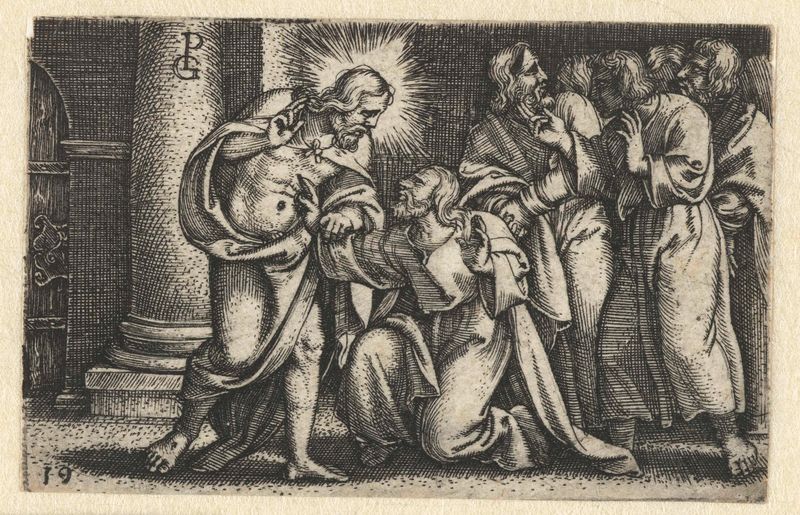
Could a single brushstroke hold eternity? In Dialectica, a dance of intellect and emotion unfolds, capturing the essence of philosophical inquiry and the eternal struggle for knowledge. Look to the center where two figures engage in a profound debate, their gestures animated yet poised. The artist's meticulous attention to detail draws your eye to the luminous folds of their garments, rendered in rich, earthy tones that evoke a sense of gravitas. Notice how the light plays across their faces, highlighting the furrowed brows and contemplative expressions, suggesting moments of doubt and discovery.
The composition, balanced yet dynamic, invites viewers to step closer, prompting deeper reflection on the themes presented. Within the painting, contrasts abound — the tension between clarity and obscurity, knowledge and ignorance. The juxtaposition of light and shadow resonates with the philosophical dialogue taking place; moments of enlightenment flicker amidst a backdrop of uncertainty. Small elements, such as the books and celestial instruments, symbolize the pursuit of wisdom, while the entwined hands of the figures speak to the connection between thought and action, intellect and passion. Created between 1539 and 1543, this work emerged during a time of burgeoning intellectual exploration in Europe.
As the Renaissance flourished, artists like Pencz were deeply influenced by humanist ideals, where the pursuit of knowledge became paramount. In this context, Dialectica serves not only as a visual feast but also as a testament to the era's profound engagement with philosophy and the human condition.
More Artworks by Georg Pencz
Browse all →
Parabel van de zaaier
Georg Pencz

Parabel van de arbeiders in de wijngaard
Georg Pencz
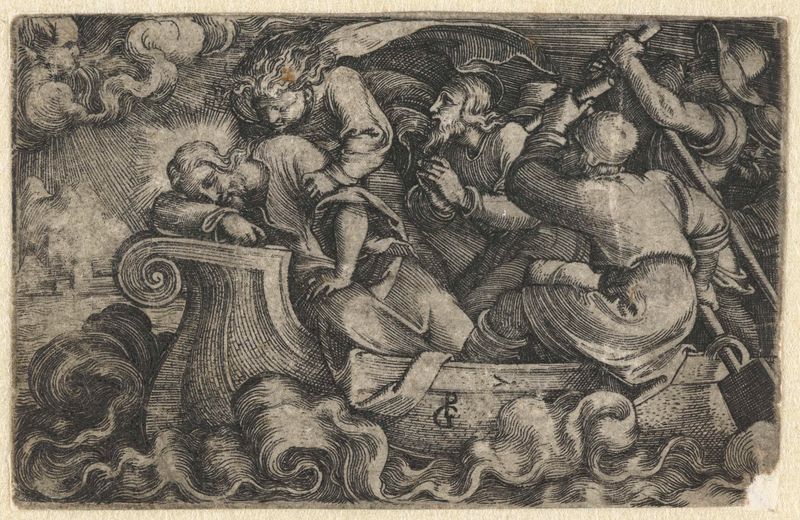
Discipelen wekken slapende Christus tijdens storm op Meer van Galilea
Georg Pencz

Afgunst (Invidia)
Georg Pencz
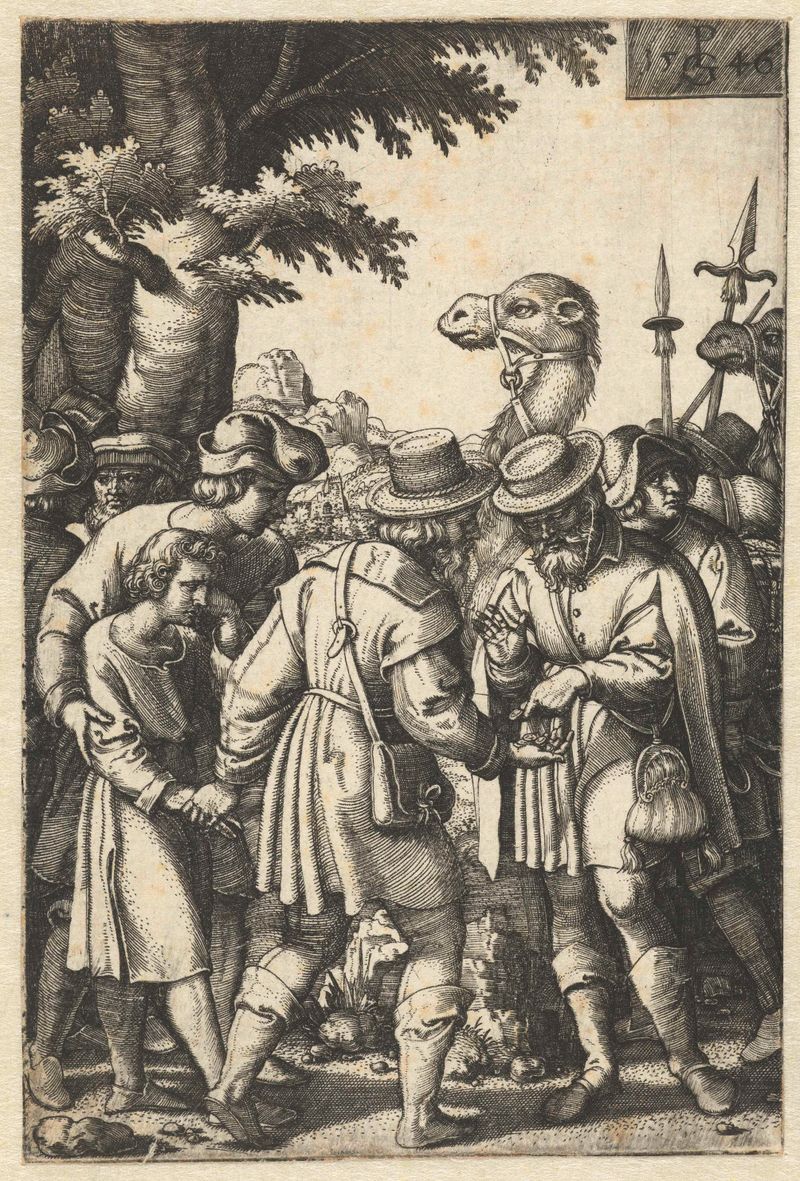
Jozef wordt verkocht aan kooplieden op weg naar Egypte
Georg Pencz

Aanbidding der koningen
Georg Pencz
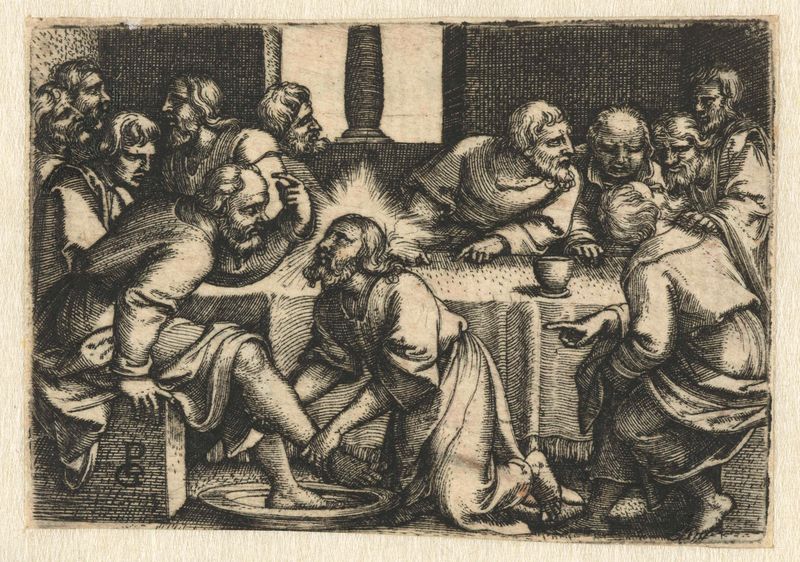
Petrus protesteert als Christus zijn voeten wast
Georg Pencz
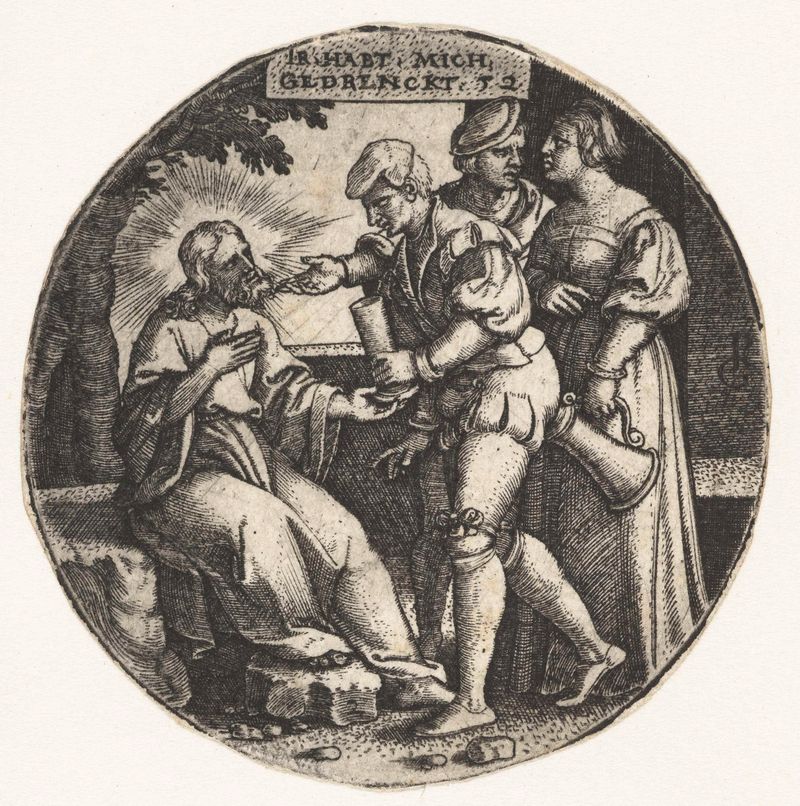
Christus heeft dorst en krijgt drinken aangeboden
Georg Pencz
Ongelovige Thomas raakt wonden Christus aan
Georg Pencz

Offer van Abraham van Isaak
Georg Pencz





