
Dialectica — History & Facts
Can paint confess what words never could? In Dialectica, the tension between thought and expression pulsates with revolutionary fervor, challenging the very confines of intellectual discourse. Look to the center of the canvas, where a dynamic duality unfolds: a woman, embodying reason, and a man, representing rhetoric, stand in spirited conversation. Notice how the artist employs a muted palette of earth tones, expertly blending light and shadow to create depth, allowing the viewer’s gaze to dance between their intense expressions. The intricate detailing of their garments and the delicate interplay of their hands subtly underscores the urgency of their intellectual exchange. As you delve deeper, observe how the contrasting postures of the figures evoke a sense of conflict within harmony.
The woman’s poised demeanor juxtaposed with the man’s assertive stance signifies the struggle between logic and persuasion. The surrounding symbols—tools of knowledge and learning—illuminate the complexities of enlightenment thought, suggesting that the path to understanding is fraught with both clarity and confusion. Georg Pencz painted Dialectica between 1539 and 1543, during a time of profound transformation in Europe, marked by the Reformation and the rise of humanism. This period saw artists striving to explore themes of knowledge and philosophy, reflecting broader societal changes.
In the midst of these turbulent currents, Pencz's work emerged as a visual dialogue, encapsulating the essence of an era grappling with the very foundations of truth and understanding.
More Artworks by Georg Pencz
Browse all →
Parabel van de zaaier
Georg Pencz

Parabel van de arbeiders in de wijngaard
Georg Pencz
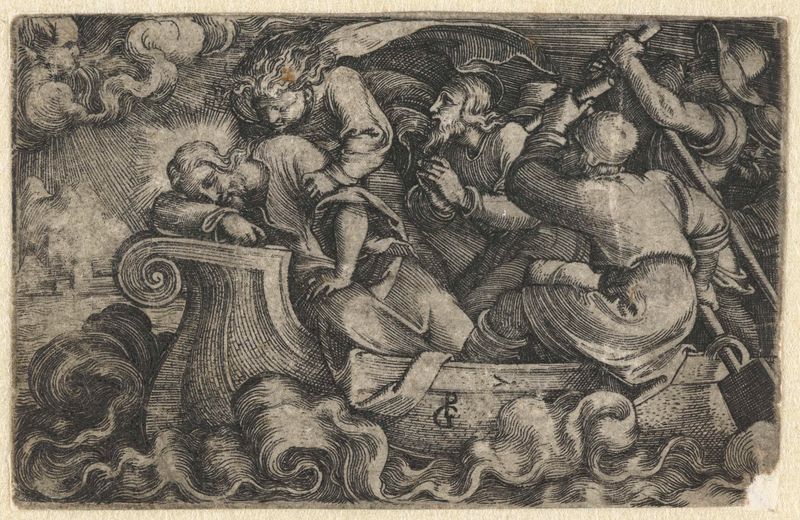
Discipelen wekken slapende Christus tijdens storm op Meer van Galilea
Georg Pencz

Afgunst (Invidia)
Georg Pencz
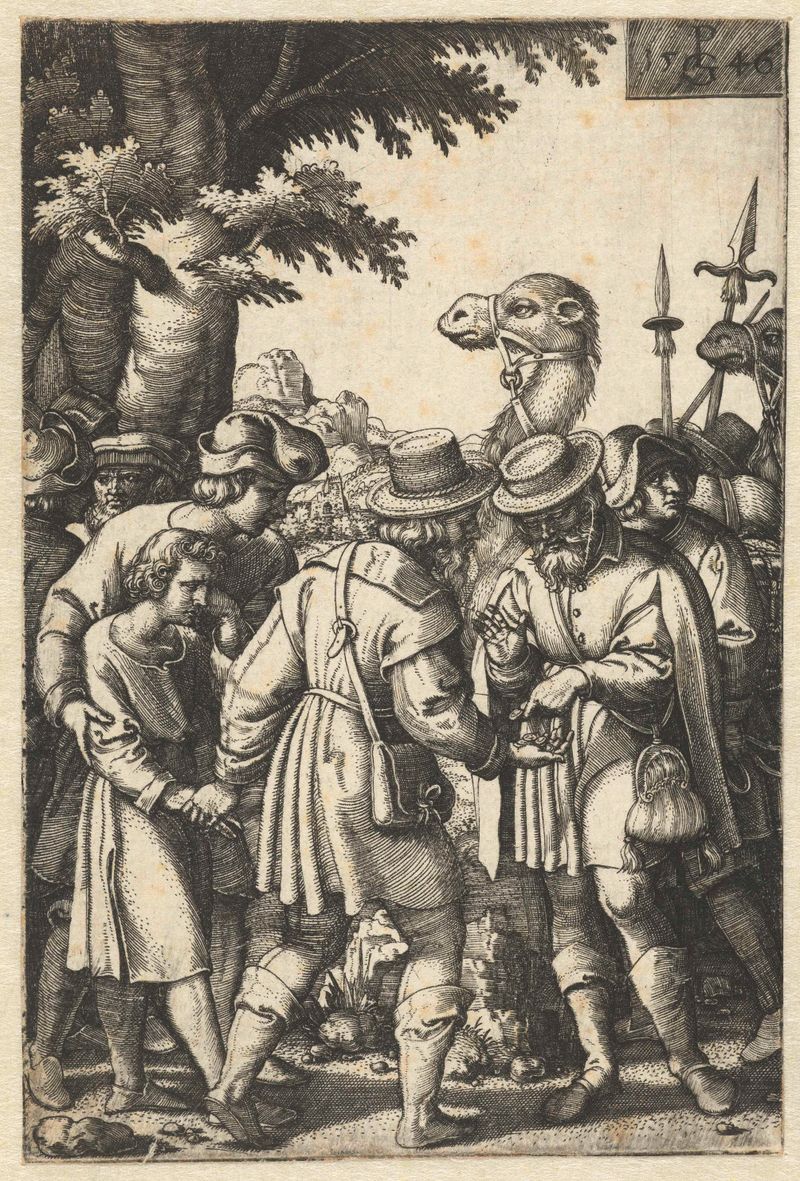
Jozef wordt verkocht aan kooplieden op weg naar Egypte
Georg Pencz

Aanbidding der koningen
Georg Pencz
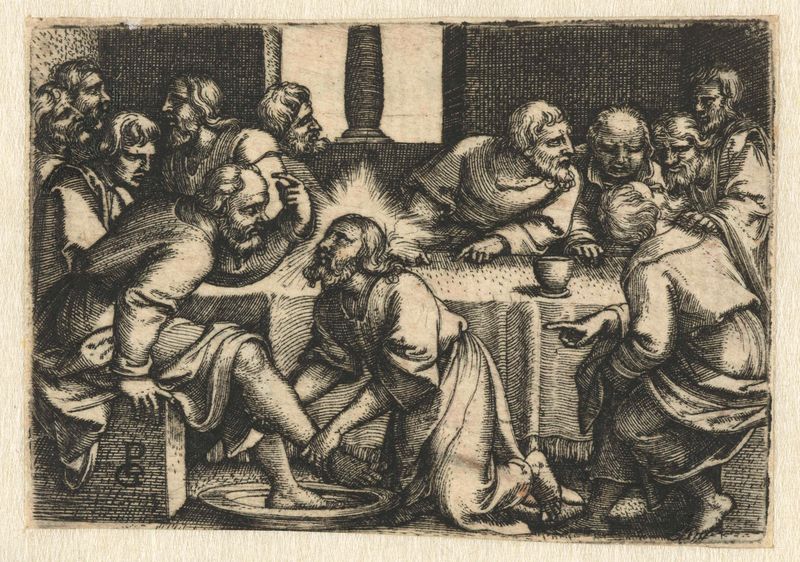
Petrus protesteert als Christus zijn voeten wast
Georg Pencz
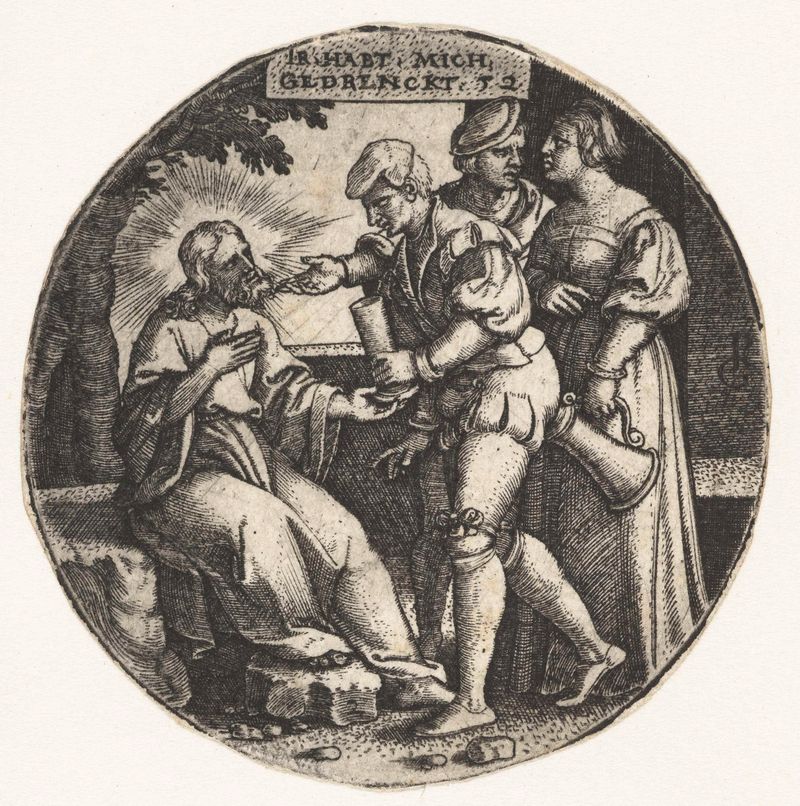
Christus heeft dorst en krijgt drinken aangeboden
Georg Pencz
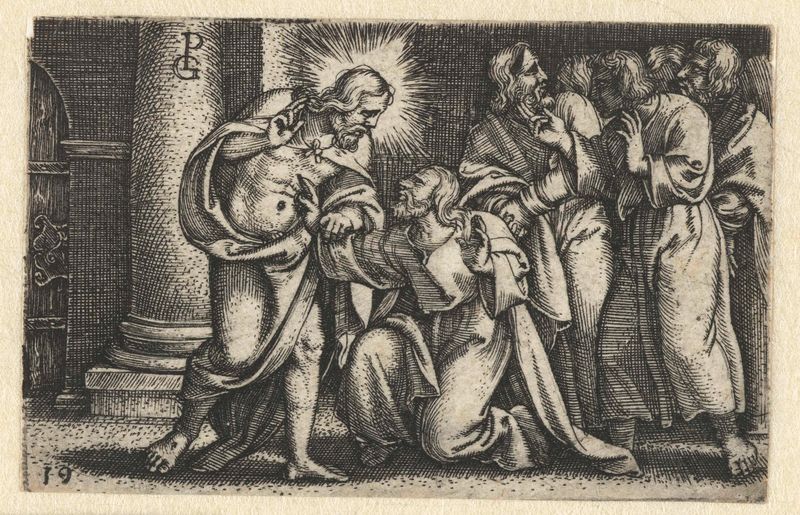
Ongelovige Thomas raakt wonden Christus aan
Georg Pencz

Offer van Abraham van Isaak
Georg Pencz





