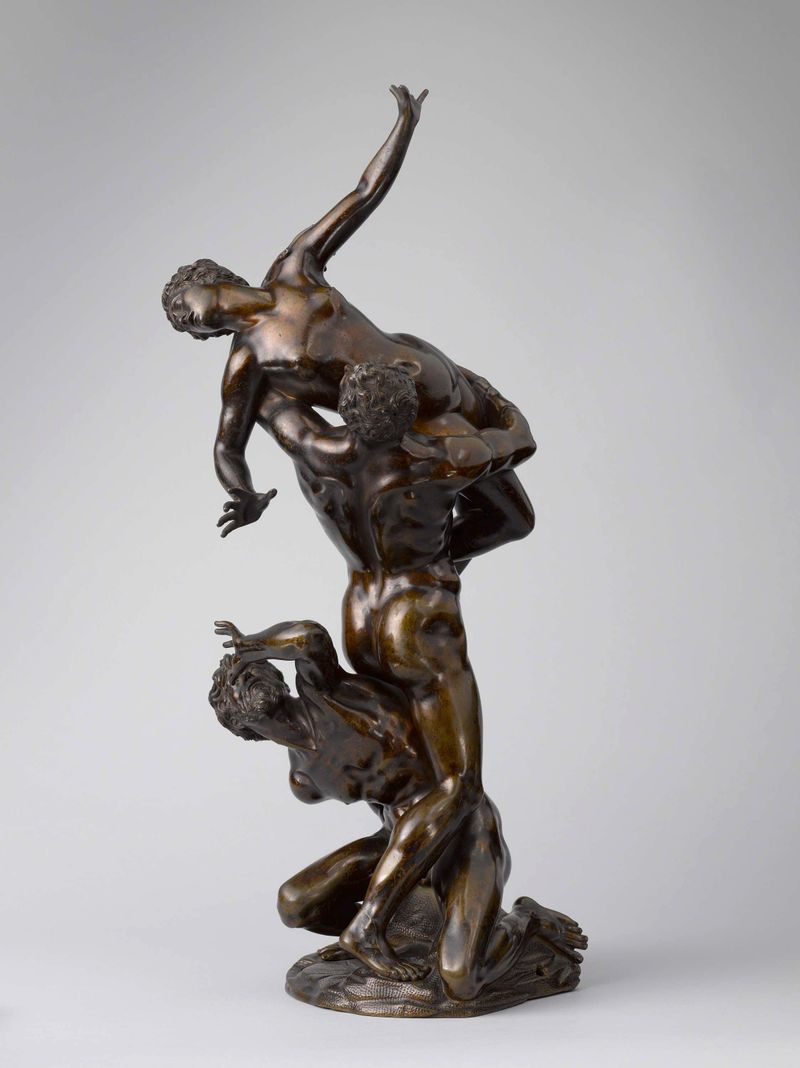
Diana en haar gezellinnen — History & Facts
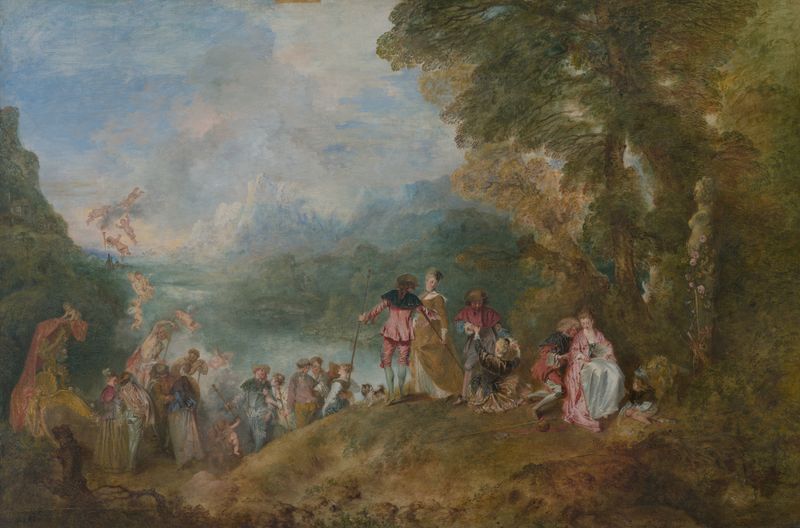
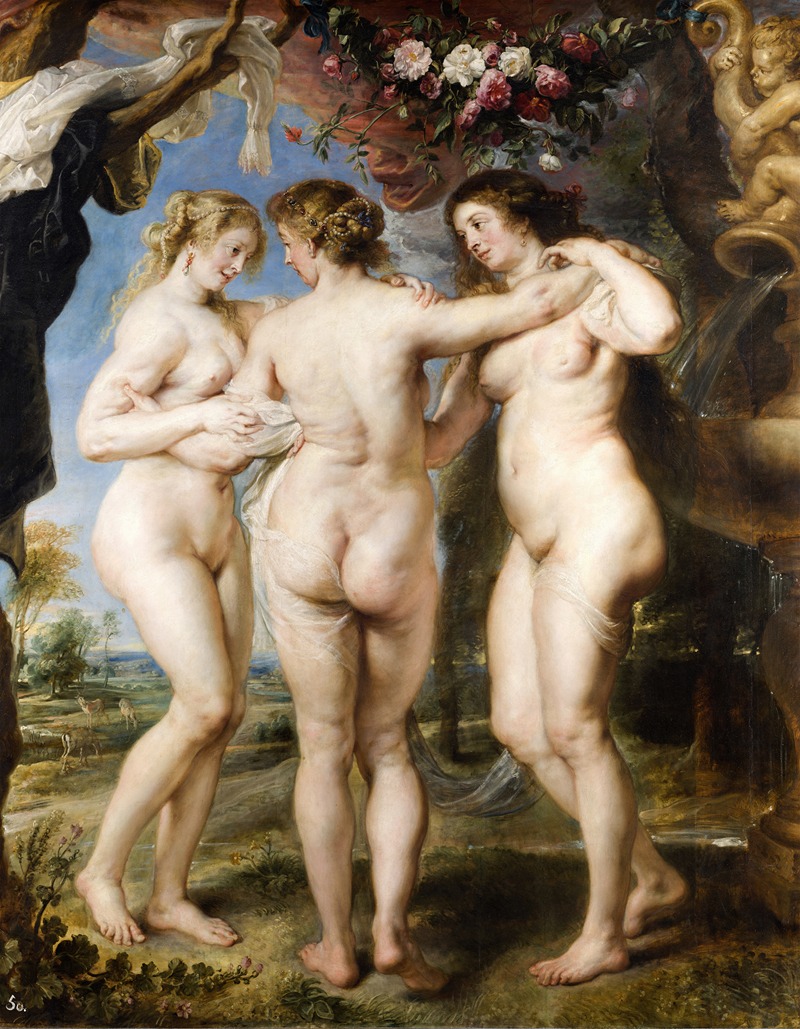
Can beauty exist without sorrow? In the gentle embrace of the exquisite, we find a tender tension, a question that lingers in the air like a soft sigh. The scene encapsulates a moment of serene companionship, yet hints at the ephemeral nature of joy. Look to the central figure, poised with grace. She stands as a silent sentinel, her gaze inviting yet distant, drawing your focus.
Notice how the light caresses her features, illuminating the delicate drapery that falls about her form, revealing the meticulous brushwork and rich palette. Surrounding her, companions are rendered with equal attention, their expressions reflecting a spectrum of emotions, inviting you into their shared moment while subtly suggesting untold stories of longing and loss. Delve deeper, and you’ll uncover the layers of contrast within this composition. The vibrant colors of their attire juxtapose the muted tones of the background, hinting at a world beyond their gathering, one filled with shadows and uncertainty.
The harmony of their poses belies an undercurrent of unease, as if each figure harbors a secret yearning, a void that beauty alone cannot fill. This dance between light and dark resonates profoundly, echoing the complexity of human experience. The painting emerged from an intriguing chapter in the late 17th century, a time when artists were exploring themes of mythology and the human condition. The unknown artist, likely influenced by the burgeoning Baroque movement, captured this intimate gathering amidst a backdrop of cultural transition in Europe.
As the art world witnessed shifts in style and technique, this work stands as a testament to the enduring fascination with beauty, companionship, and the shadows that inevitably accompany them.
More Artworks by Unknown Artist
Browse all →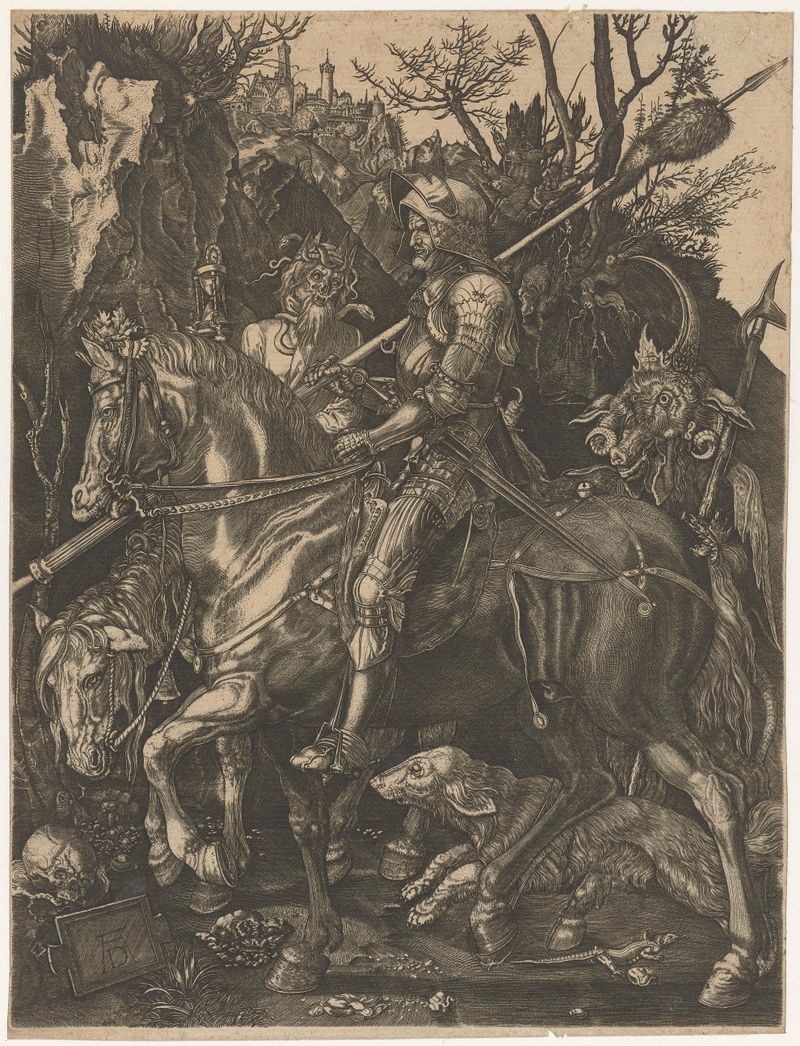
Ridder, Dood en Duivel
Unknown Artist
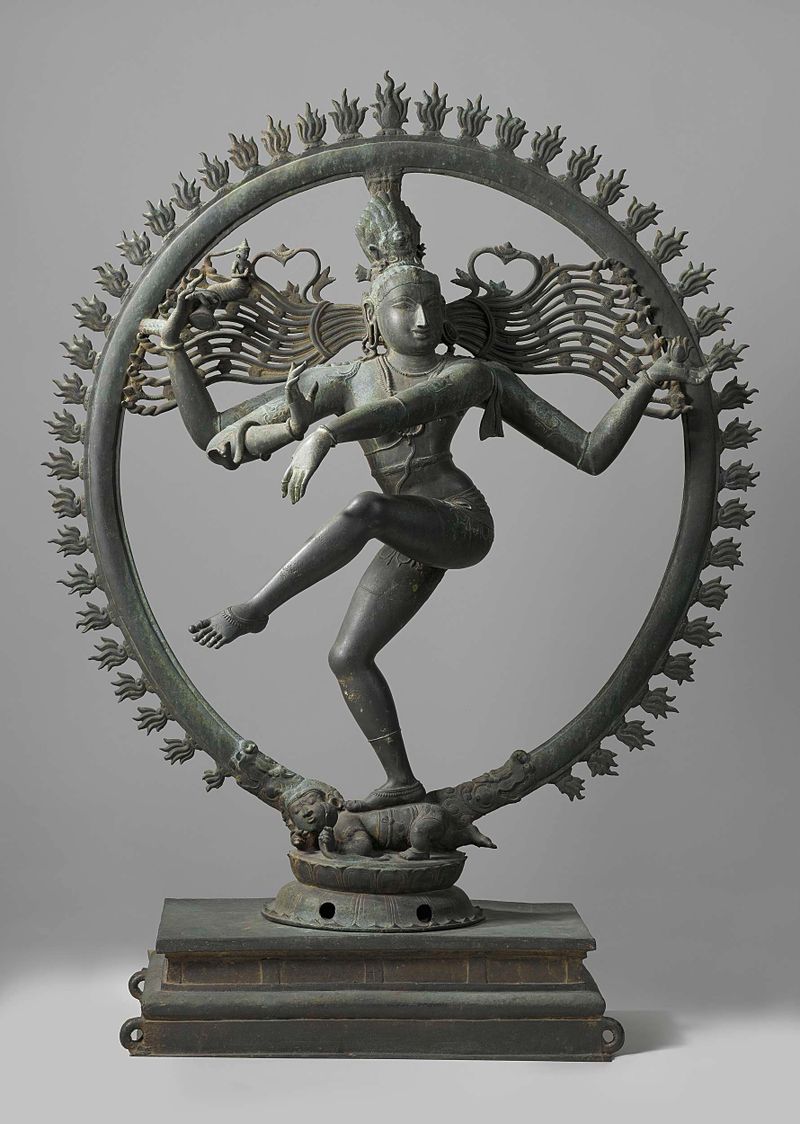
Shiva Nataraja
Unknown Artist
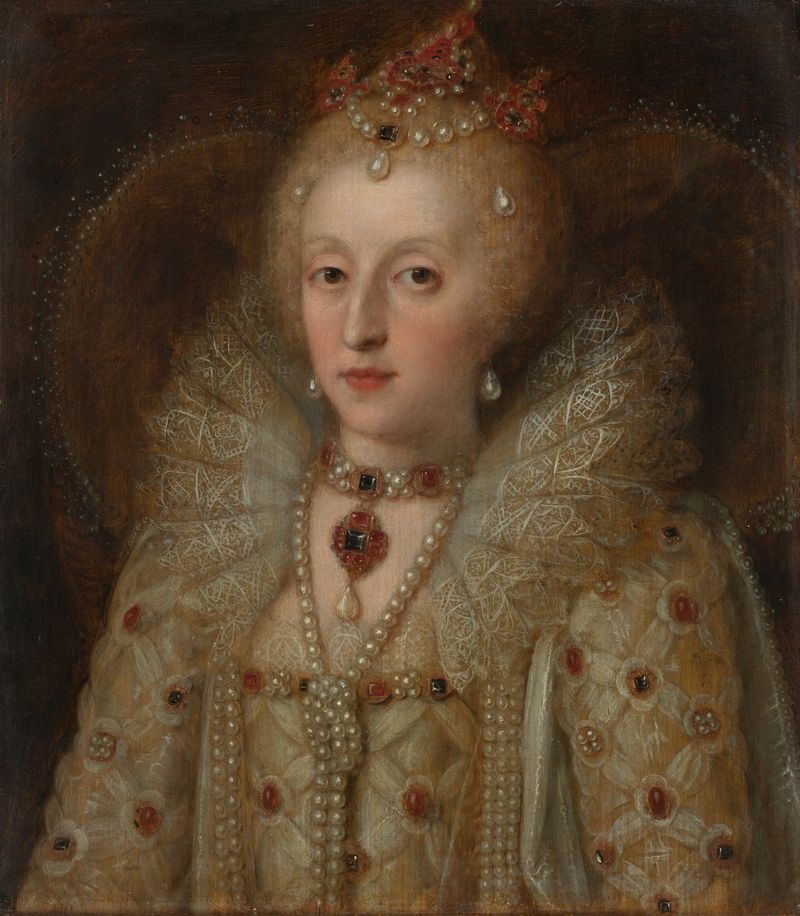
Portrait of Elizabeth I, Queen of England
Unknown Artist
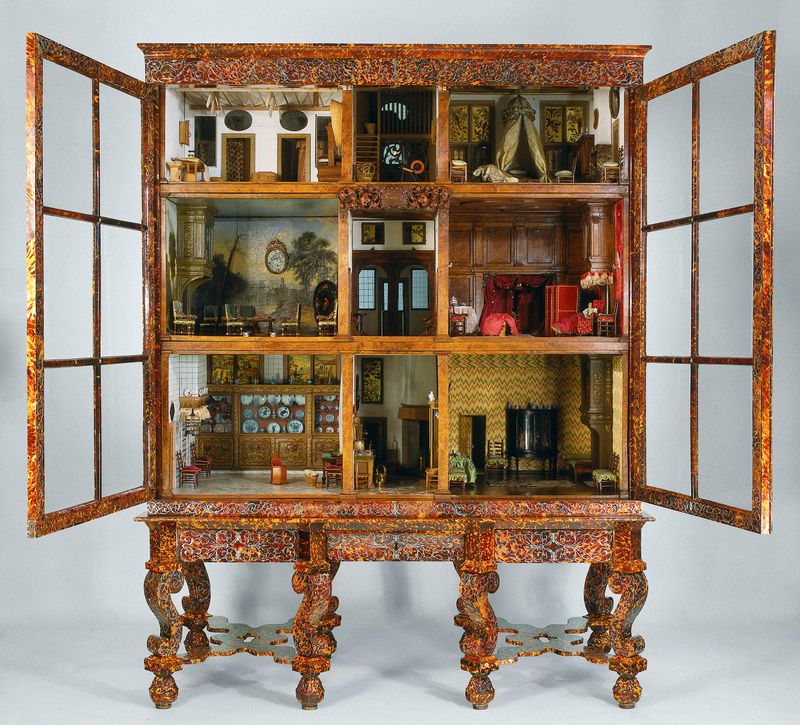
Dolls’ house of Petronella Oortman
Unknown Artist
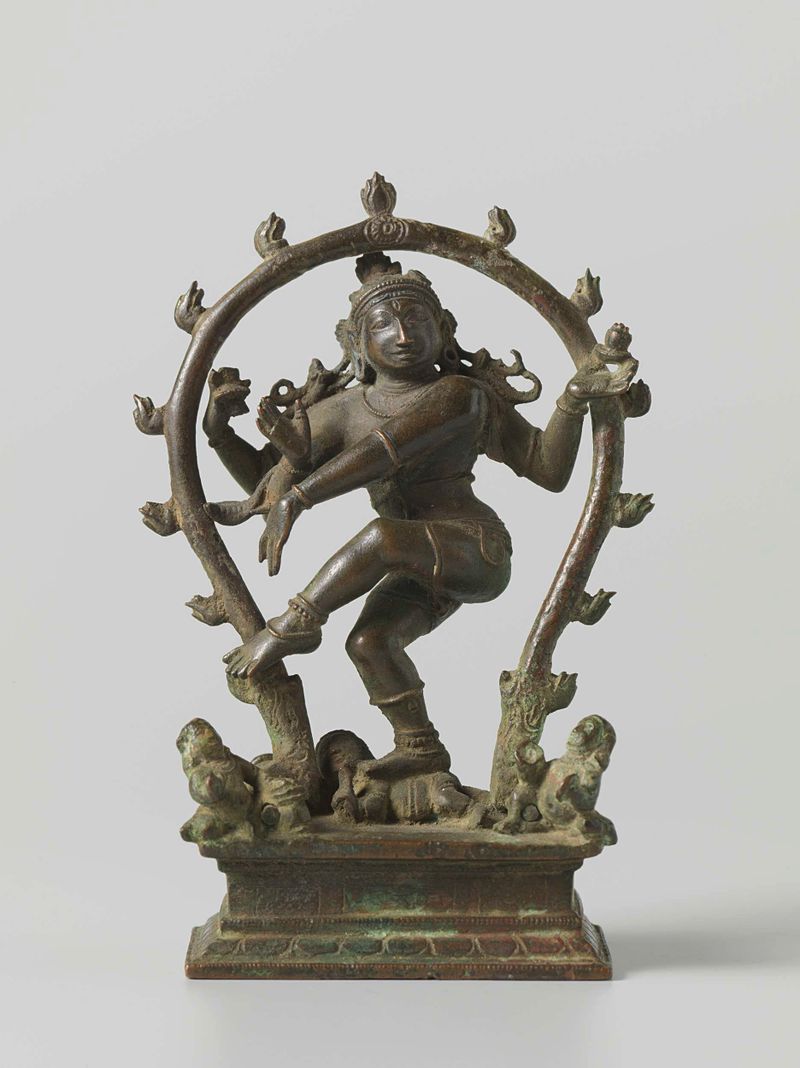
Shiva Nataraja
Unknown Artist

The Tale of Genji
Unknown Artist

The Tale of Genji
Unknown Artist

Cong
Unknown Artist
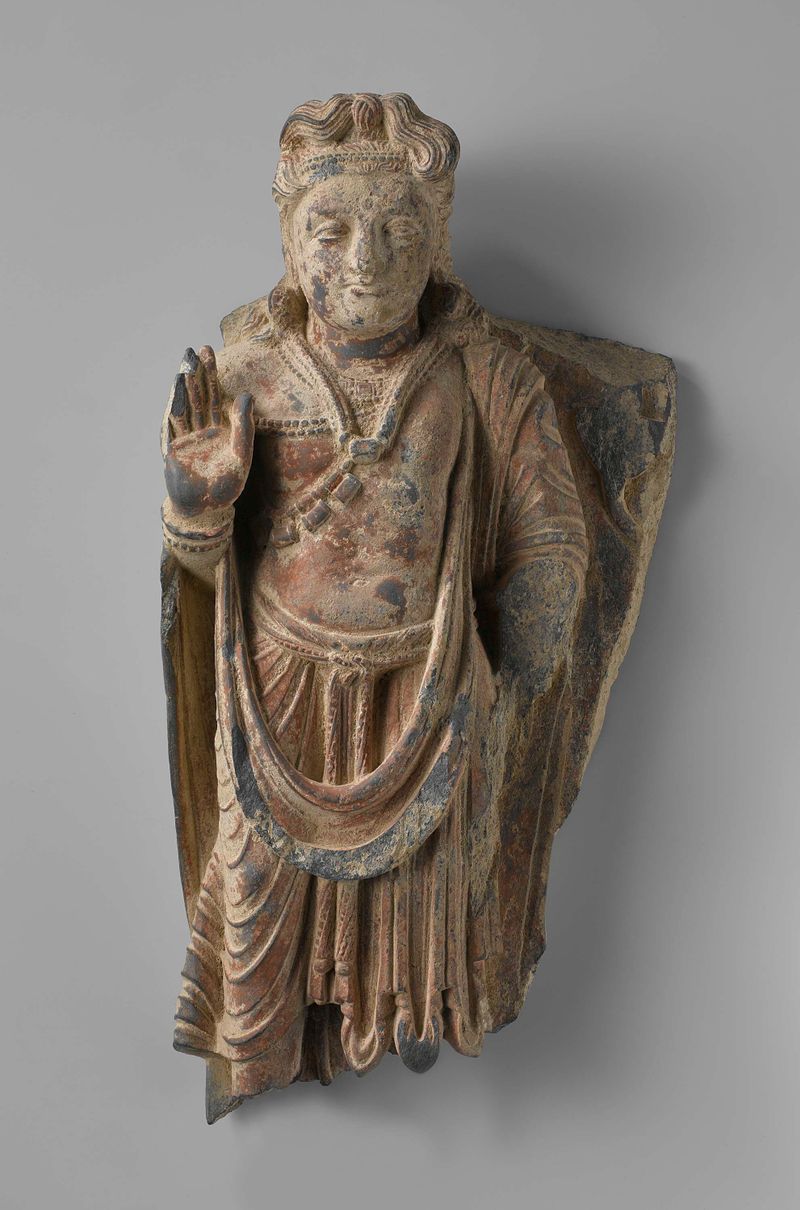
The bodhisattva Maitreya
Unknown Artist

Teabowl with a 'hare's fur' glaze
Unknown Artist