
Dinas Bran from Llangollen — History & Facts
In a time when turbulence often clouds the mind, the serene beauty of a landscape can serve as a gentle reminder of nature's unwavering grace. Focus on the lush greenery that envelops the base of Dinas Bran, drawing your attention to the vibrant hues of green that almost pulse with life. The castle ruins perch atop the hill, their weathered stones contrasting with the soft blue sky. Notice how the artist captures the play of light across the landscape, illuminating the details of the foreground while allowing shadows to dance in the distance, creating depth and inviting your gaze to wander. As you absorb this tranquil scene, consider the relationship between the castle and the surrounding nature.
The ruins, remnants of a once-thriving fortress, stand eternal against the passage of time, symbolizing resilience amidst decay. The calm waters in the valley reflect both the structure above and the boundless sky, merging the physical world with a sense of infinite possibility. This juxtaposition evokes feelings of nostalgia and contemplation, a reminder of history's fragility intertwined with the permanence of the landscape. Richard Wilson painted this exquisite piece between 1770 and 1771, during a period characterized by burgeoning Romanticism in art.
Living in England, Wilson was inspired by the picturesque beauty of his own country, a stark contrast to the turmoil of the times. His mastery of landscape painting marked a shift in art, moving towards the emotional resonance of nature, as he sought to reflect the serene beauty that surrounded him and inspire others to appreciate the world through a lens of tranquility.
More Artworks by Richard Wilson
Browse all →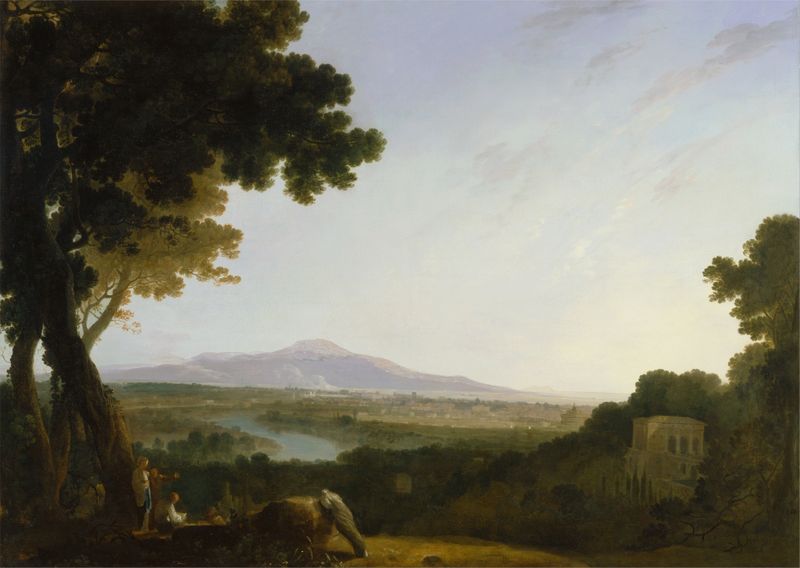
Rome from the Villa Madama
Richard Wilson
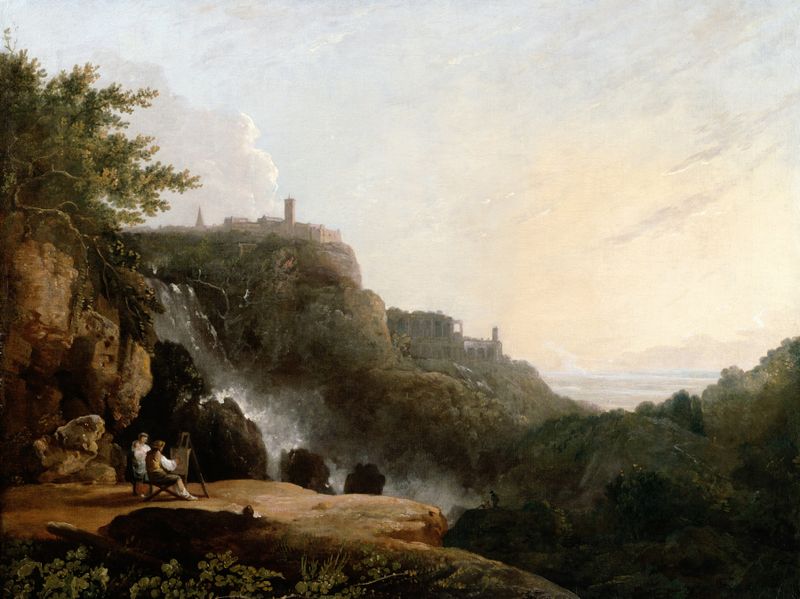
View of Tivoli- the Cascatelle and the ‘Villa of Maecenas’
Richard Wilson
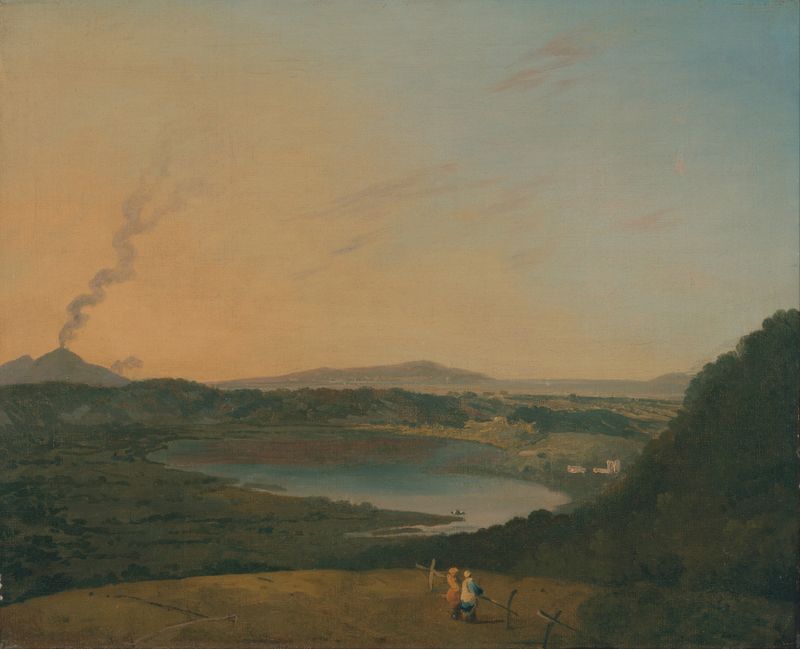
Lago d’Agnano with Vesuvius in the distance
Richard Wilson
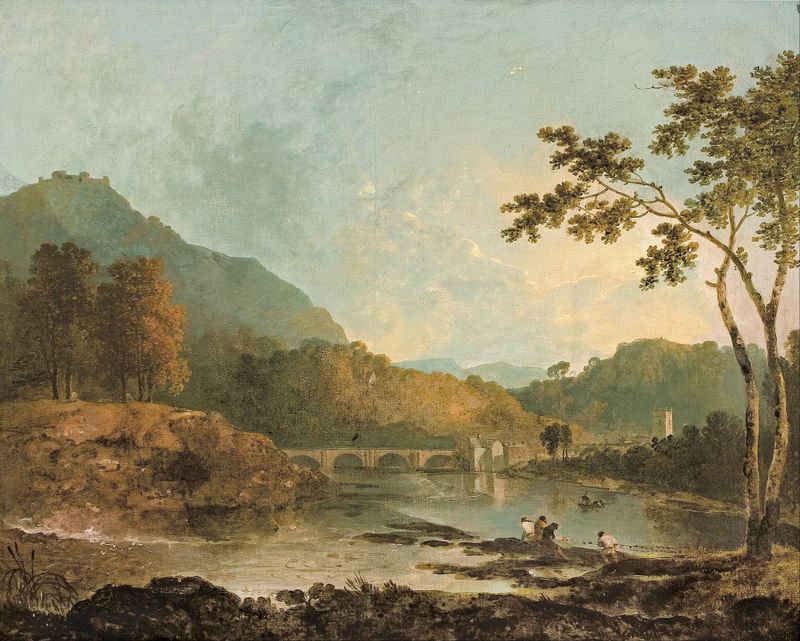
Dinas Bran from Llangollen
Richard Wilson
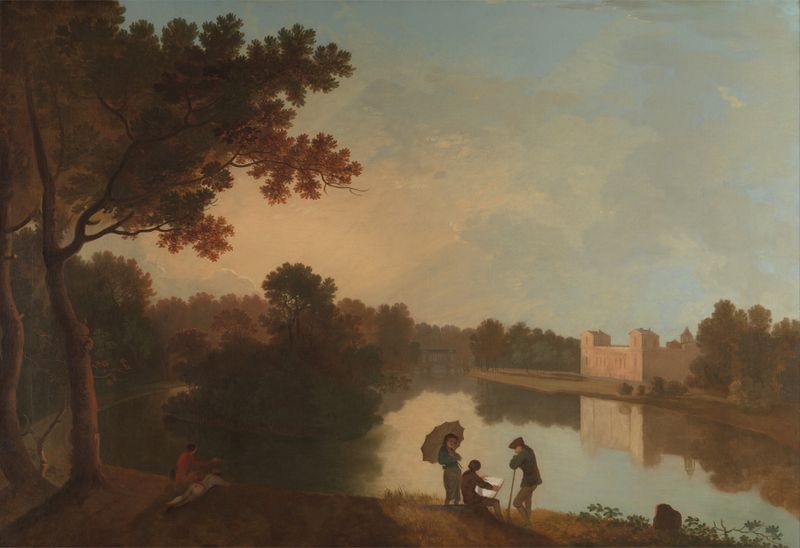
Wilton House from the Southeast
Richard Wilson
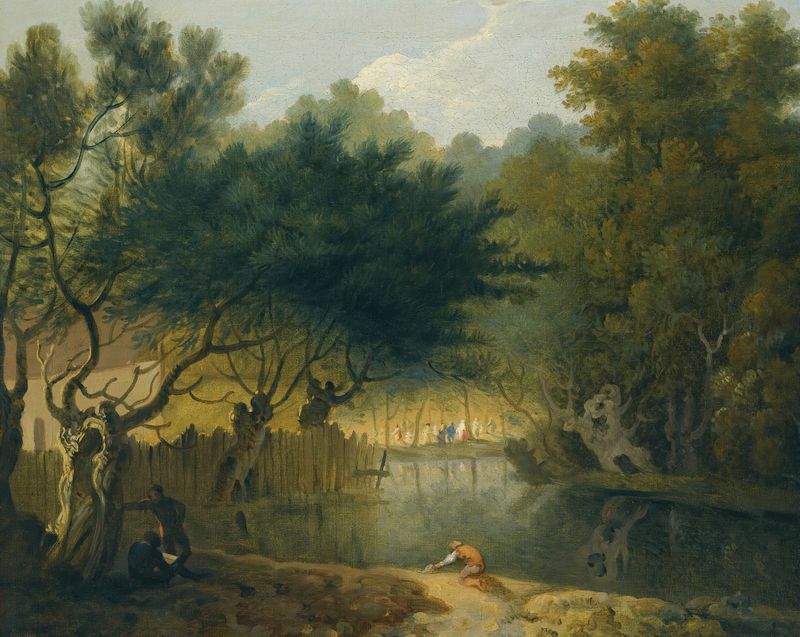
A View Of St. James’s Park, London
Richard Wilson
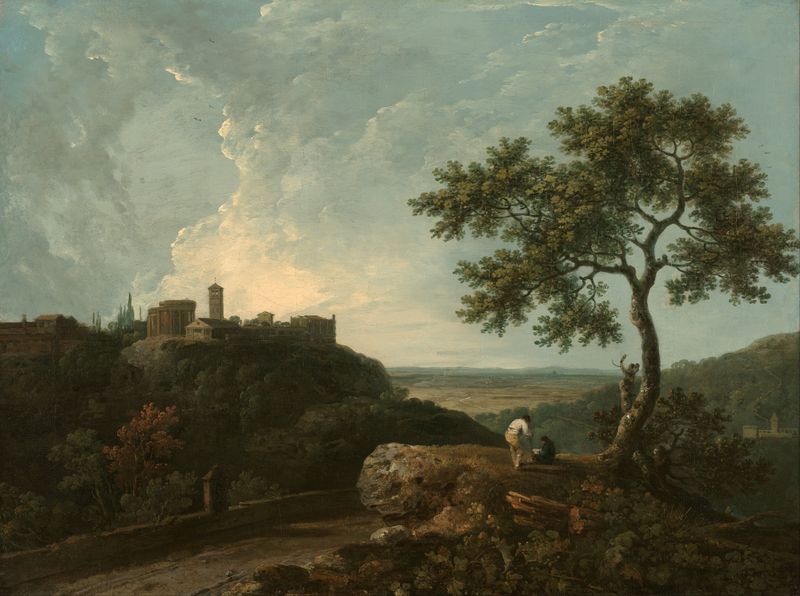
Tivoli- The Temple of the Sybil and the Campagna
Richard Wilson
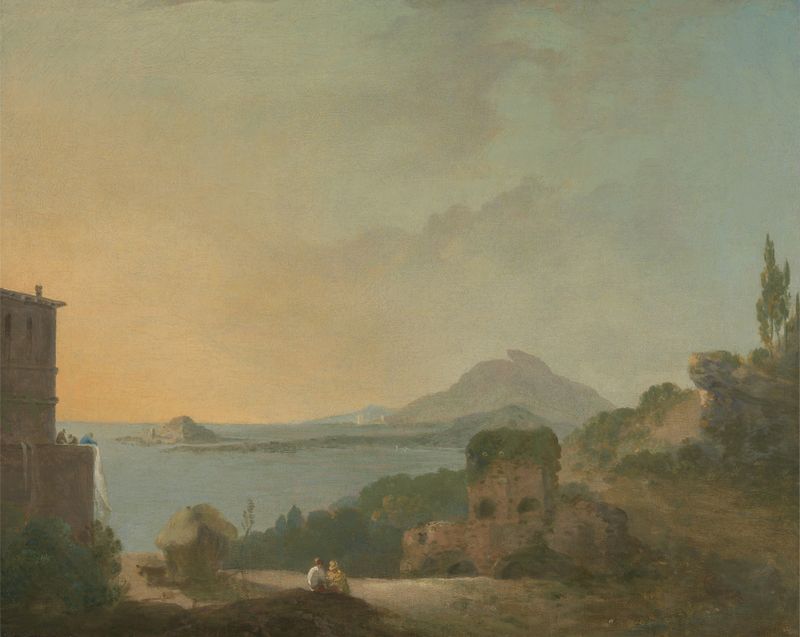
Cicero’s Villa and the Gulf of Pozzuoli
Richard Wilson
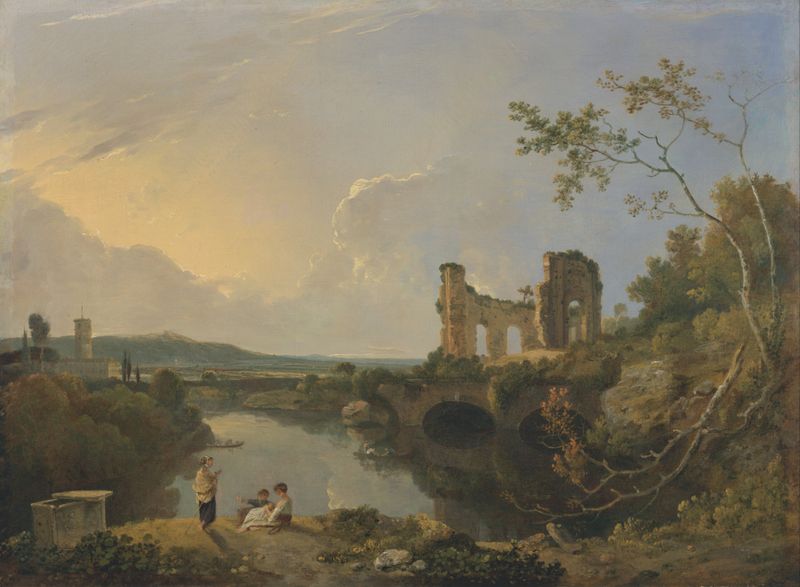
Italian Landscape (Morning)
Richard Wilson
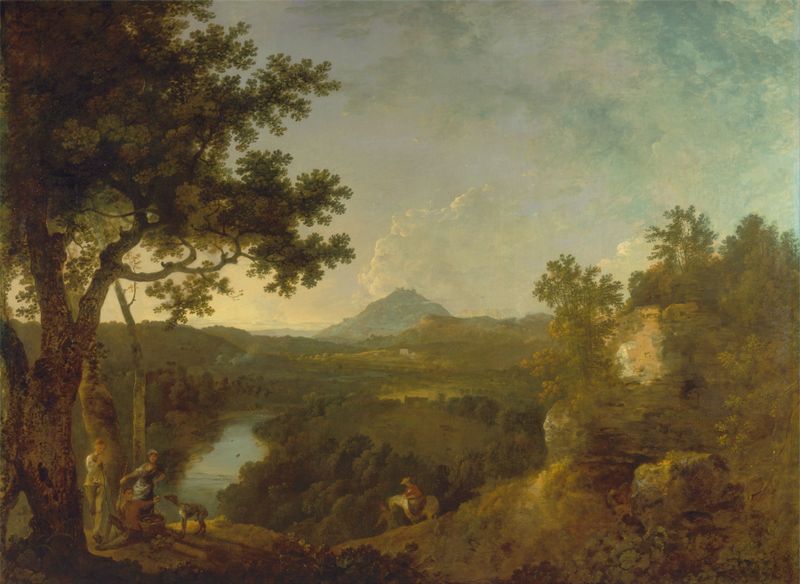
View near Wynnstay, the Seat of Sir Watkin Williams-Wynn, BT.
Richard Wilson





