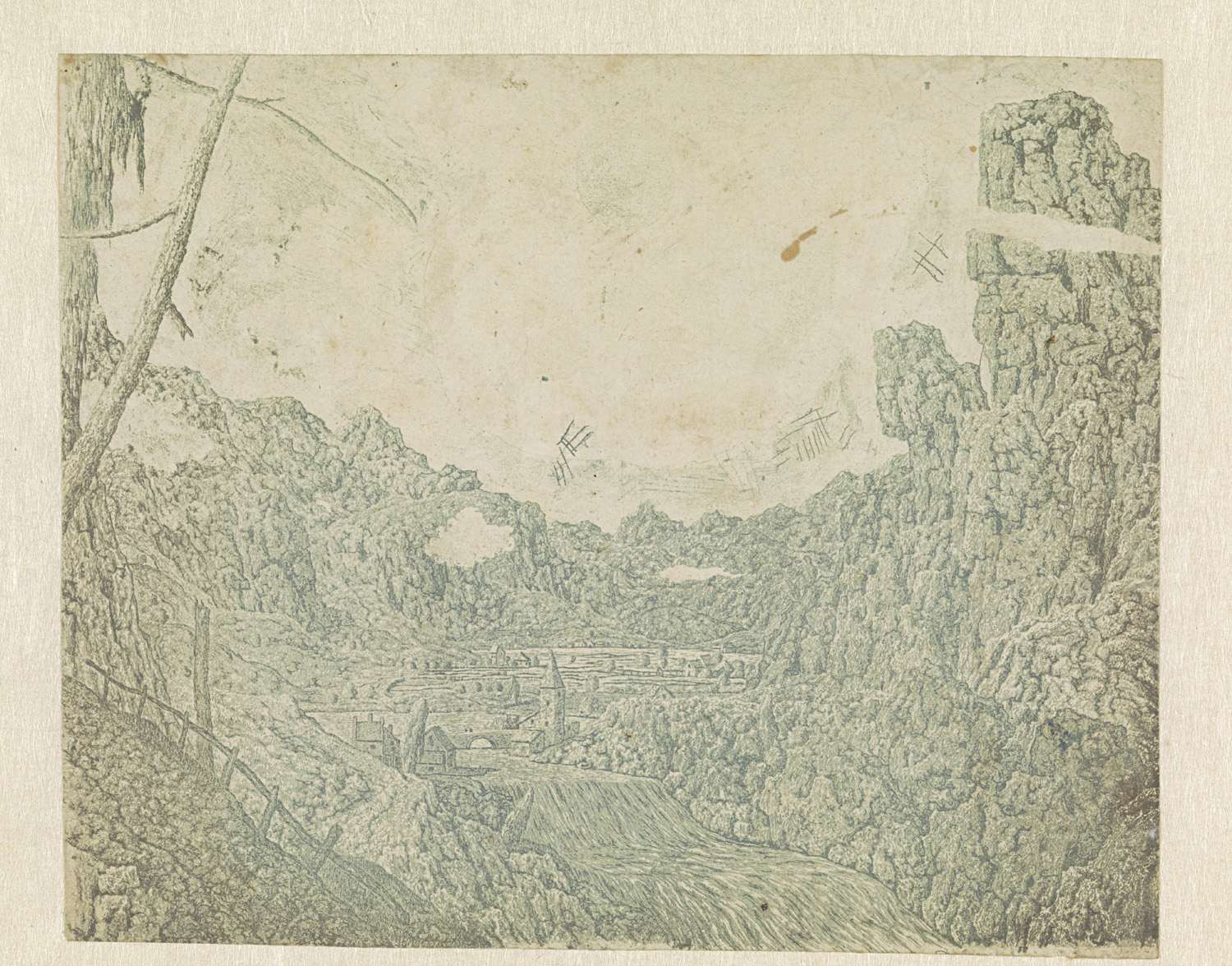
Distant View with a Road and Mossy Branches — History & Analysis
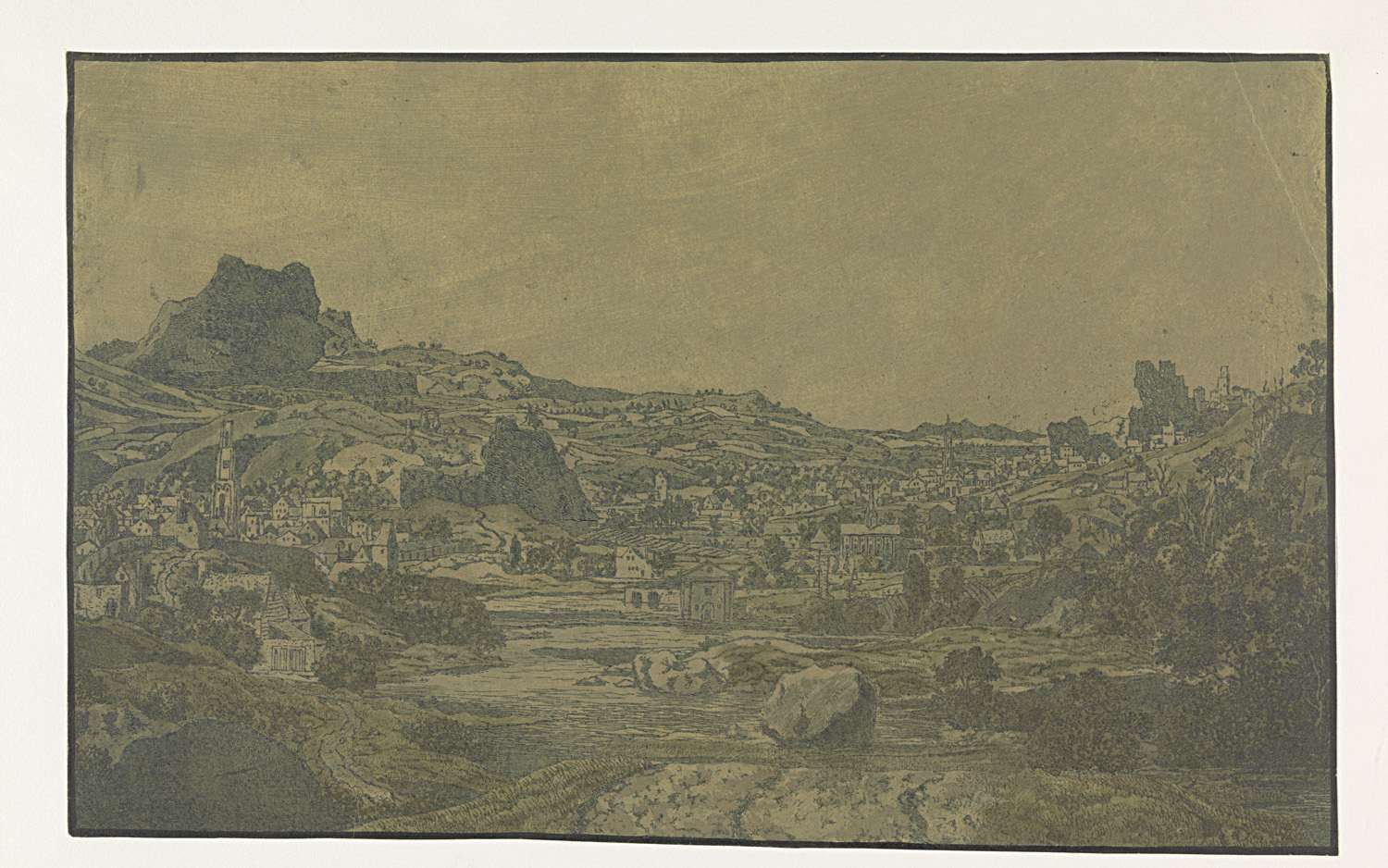
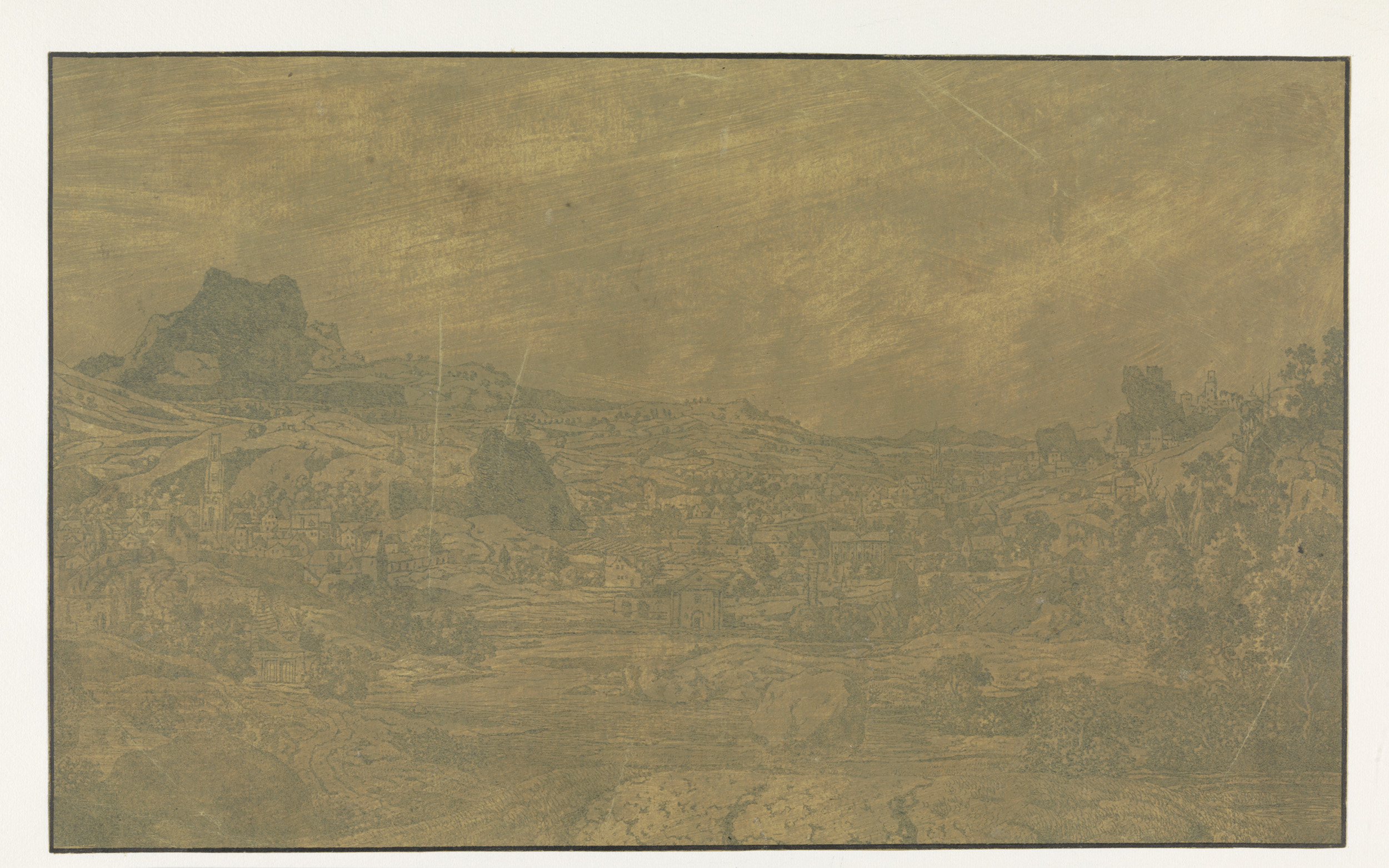
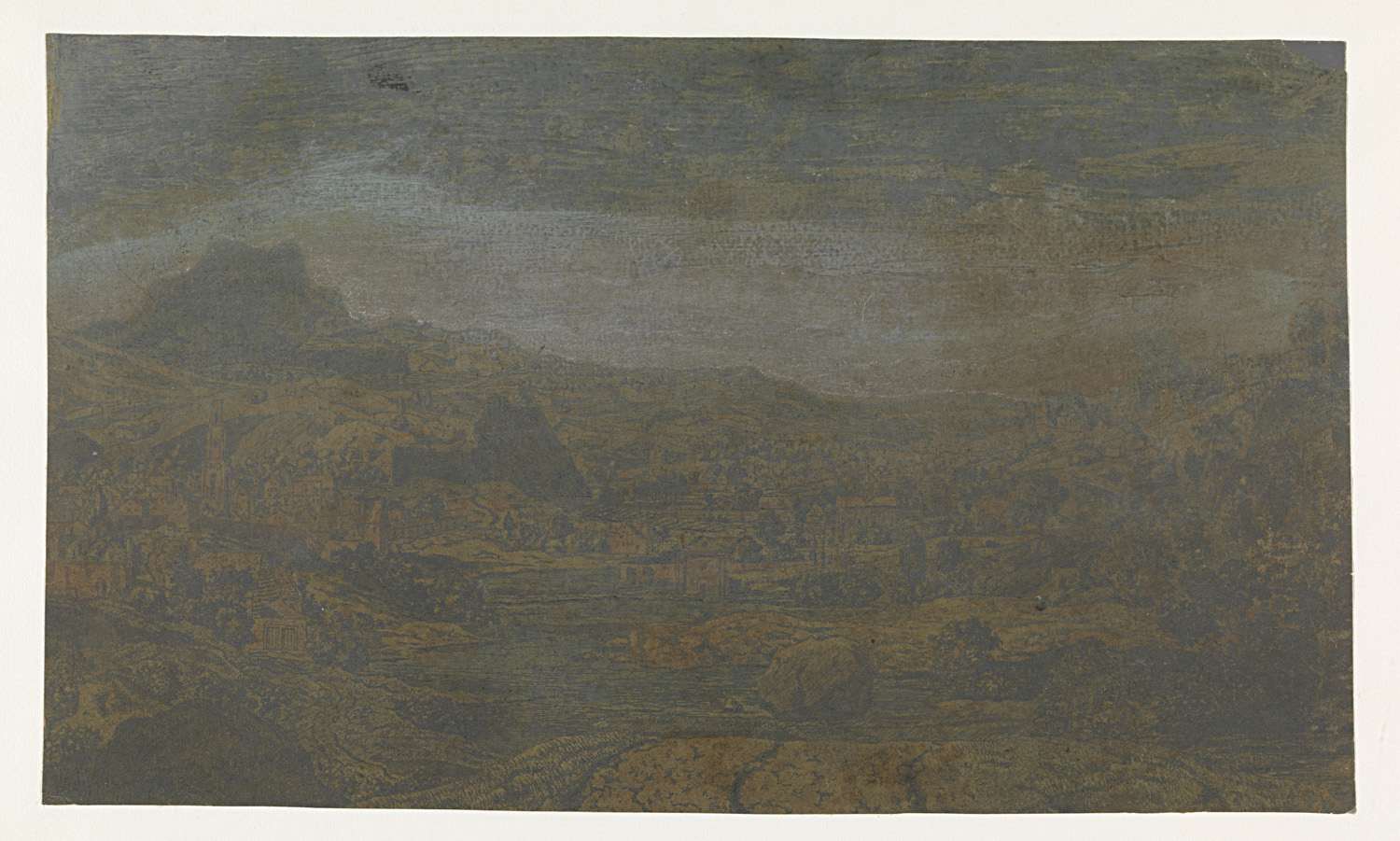
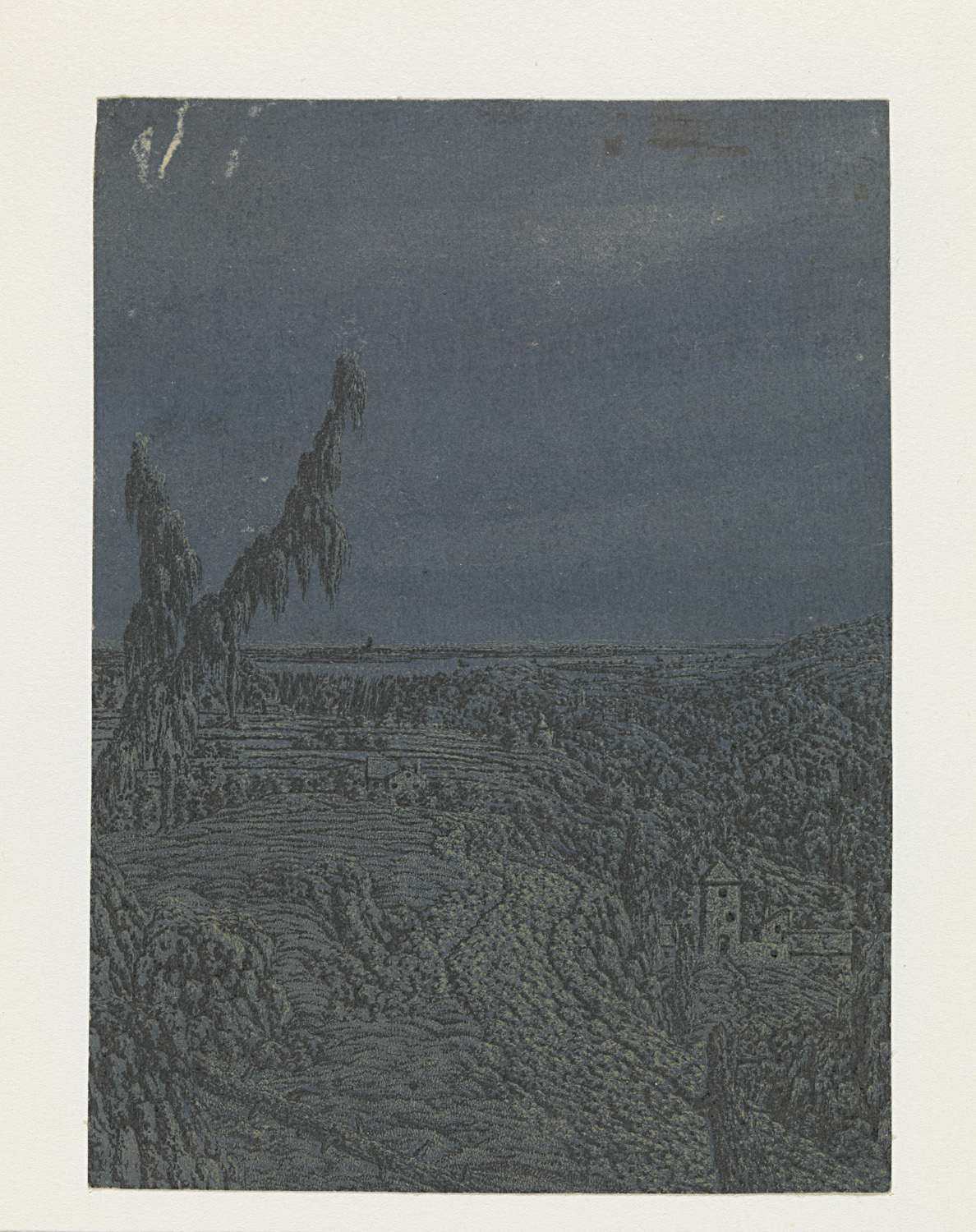
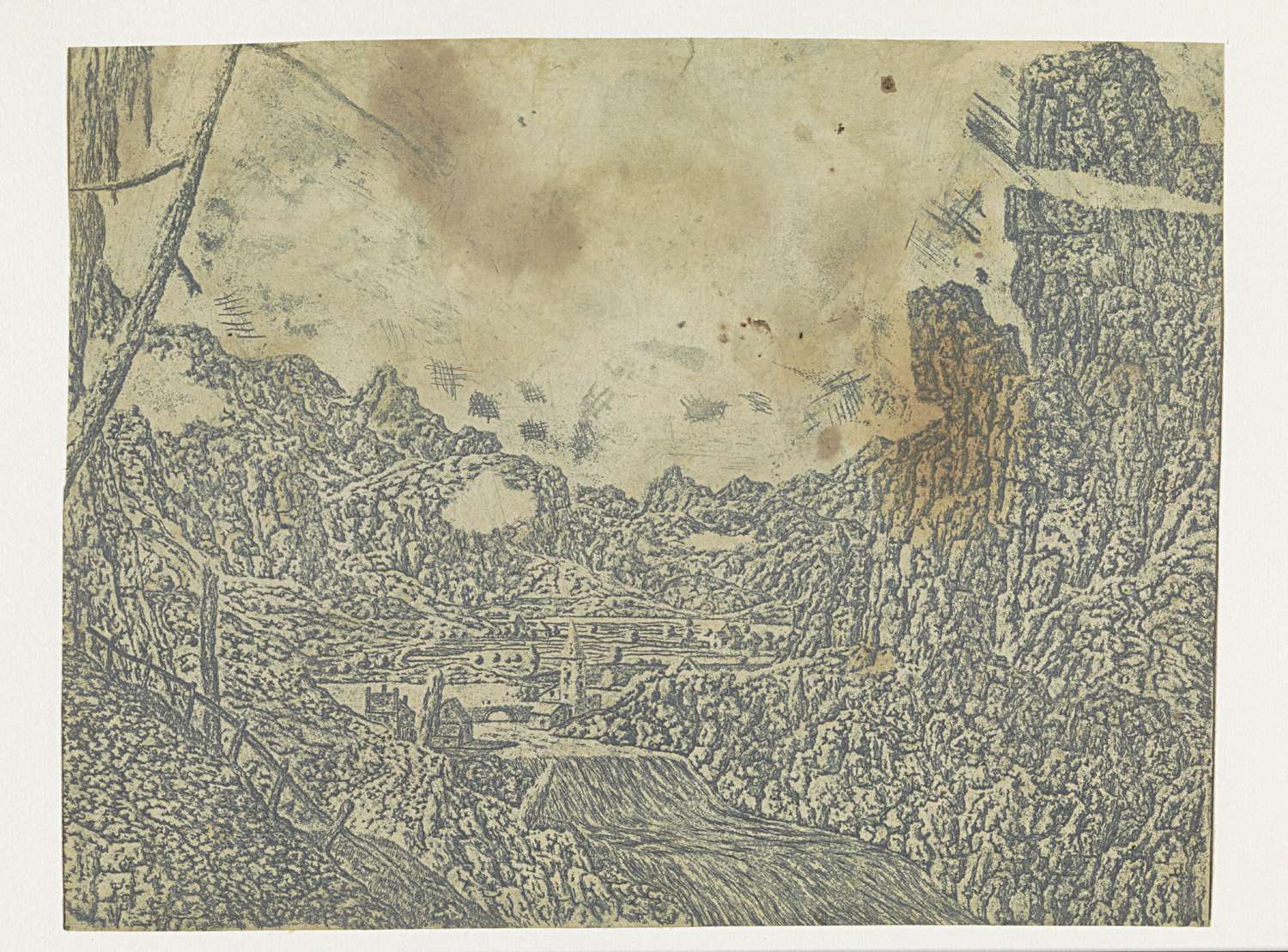
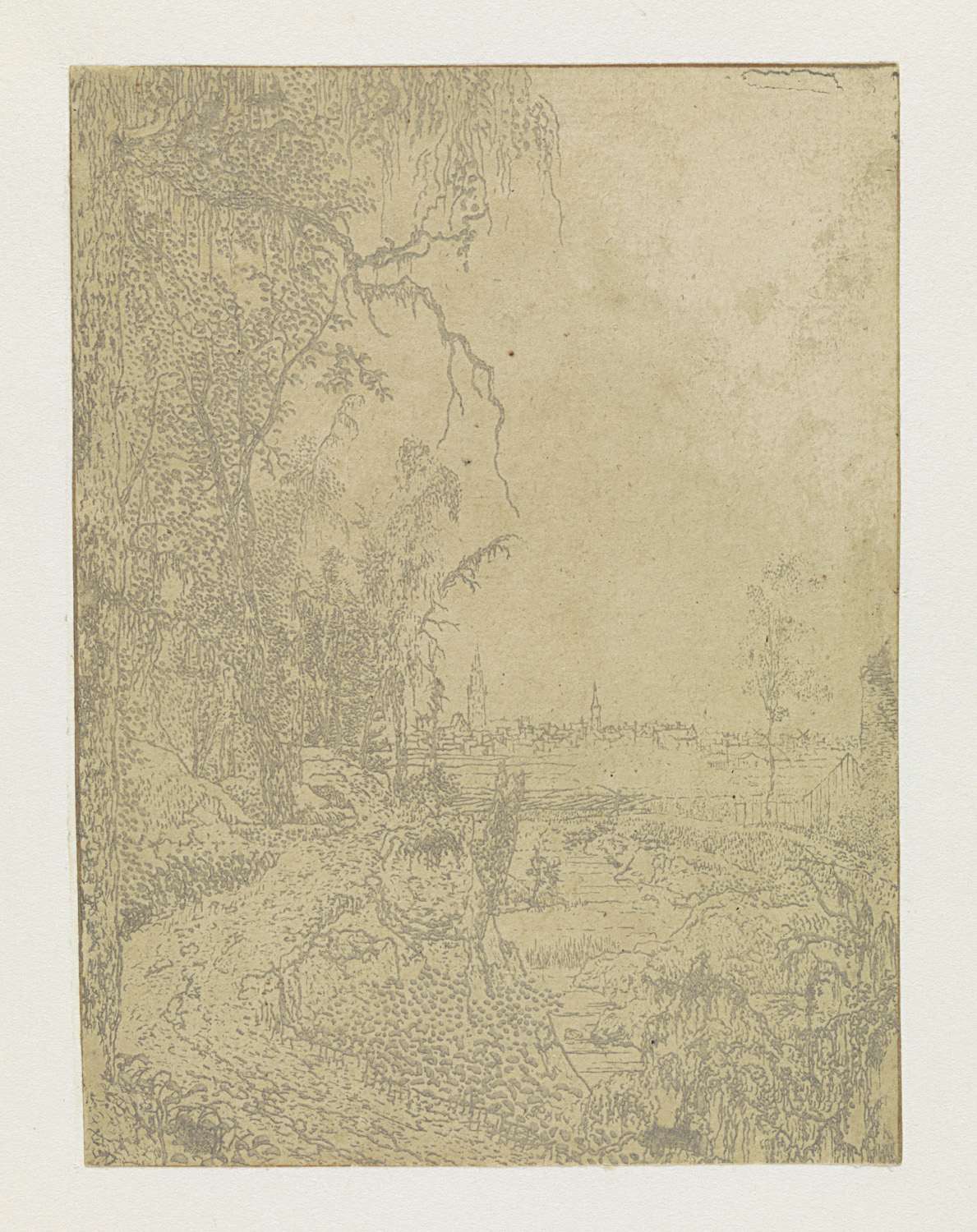
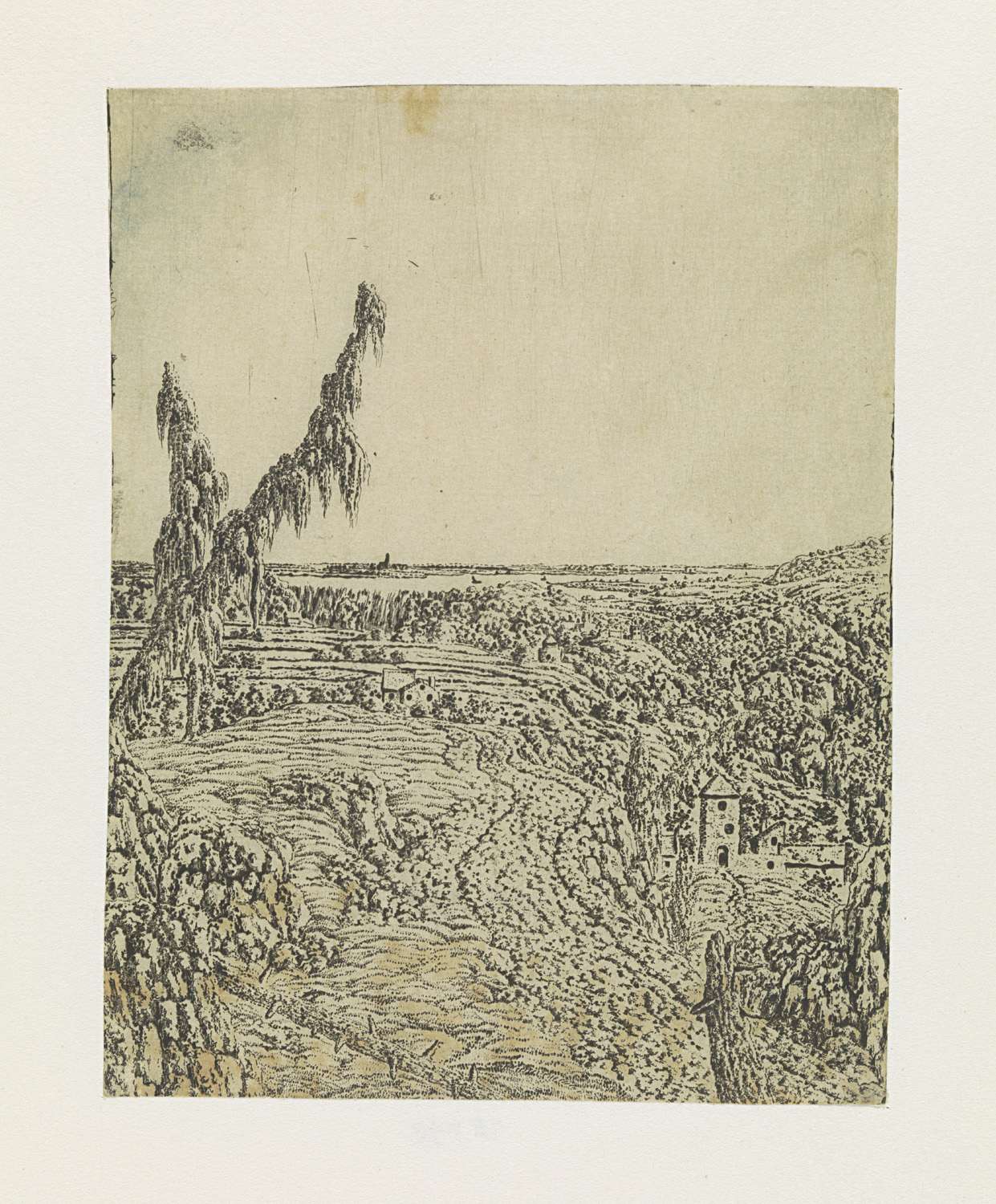
Is this a mirror — or a memory? In Distant View with a Road and Mossy Branches, the landscape unfurls like a whispered secret, inviting reflection on what remains and what lingers just beyond our grasp. Look to the left at the winding road that stretches into the distance, a delicate line that promises adventure yet evokes an unsettling sense of solitude. Notice how the soft, verdant moss on the branches contrasts with the muted earth tones, creating a visual dialogue between life and decay.
The ethereal quality of the light bathes the scene, making even the shadows seem alive, hinting at stories that have woven through this untouched expanse. The intricate details reveal more than just a landscape; they speak of contrasts between the vibrant vitality of nature and the inevitable passage of time. The road, meandering away, symbolizes journeys taken and futures unknown, while the mossy branches suggest a history steeped in memory and legacy. There is a tension between the serenity of the scene and the haunting absence of human presence, prompting questions about connection and isolation.
During the years Distant View with a Road and Mossy Branches was created, approximately between 1622 and 1625, Hercules Segers worked in Amsterdam, a hub of artistic experimentation. At this time, he was exploring innovative techniques in printing and painting, seeking to convey emotional depths through landscape. His works stood apart from his contemporaries, reflecting his unique vision and personal struggles, marking a significant period in his artistic legacy.