Dode mol — History & Facts
Can paint confess what words never could? In Dode mol, Wenceslaus Hollar presents a poignant meditation on decay, where the beauty of nature intertwines with its inevitable decline. Look to the center where a decaying fruit rests, its once-vibrant flesh now dulled and mottled. The brushwork captures the intricate textures of a withering peel, creating a visceral connection to the passage of time. Shadows dance across the composition, emphasizing the contrast between the remaining vitality and the creeping decay, all rendered in muted earth tones that evoke a sense of melancholy. The underlying narrative speaks to the cycle of life and death; the fruit, a symbol of fleeting beauty, invites contemplation on mortality.
Surrounding details, such as the delicate interplay of light and shadow, hint at the transitory nature of existence. Each blemish and imperfection becomes a testament to the processes of nature, revealing the paradox of decay as something simultaneously sorrowful and exquisite. In 1646, Hollar was navigating a tumultuous period in both his life and the broader art world, having fled his native Prague for England amidst the Thirty Years' War. Settling in London, he became a prominent figure in the burgeoning printmaking scene, and works like Dode mol reflect his keen eye for detail and a deep engagement with the themes of life, decay, and the passage of time in a world marked by uncertainty.
More Artworks by Wenceslaus Hollar
Browse all →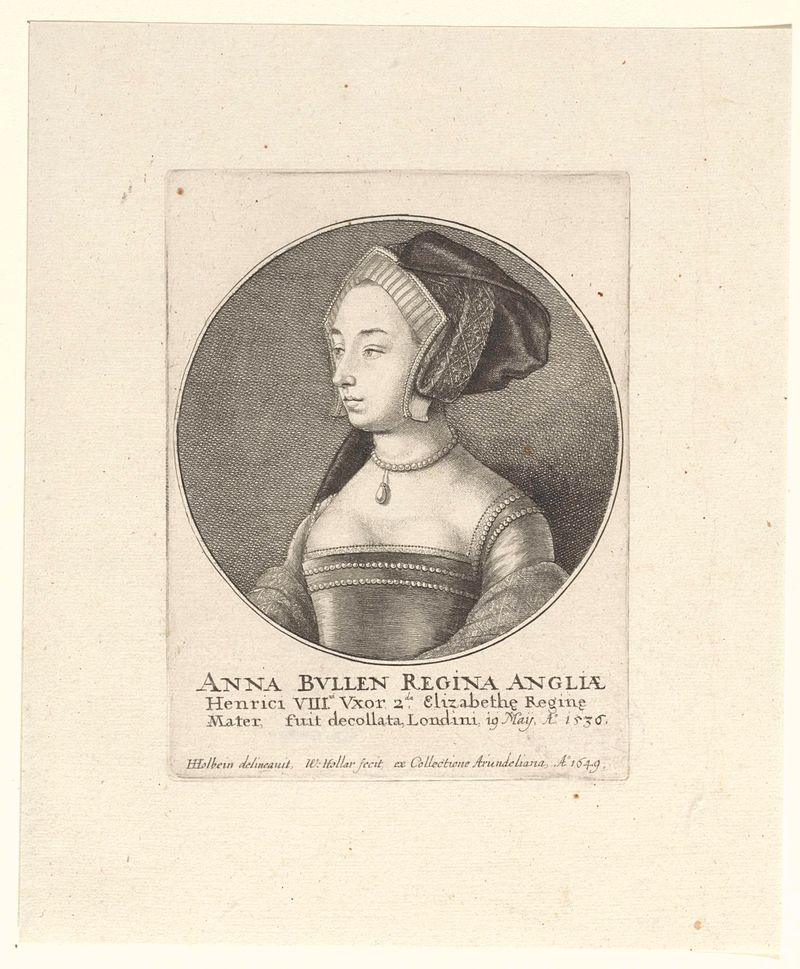
Portret van Anna Boleyn, koningin van Engeland
Wenceslaus Hollar
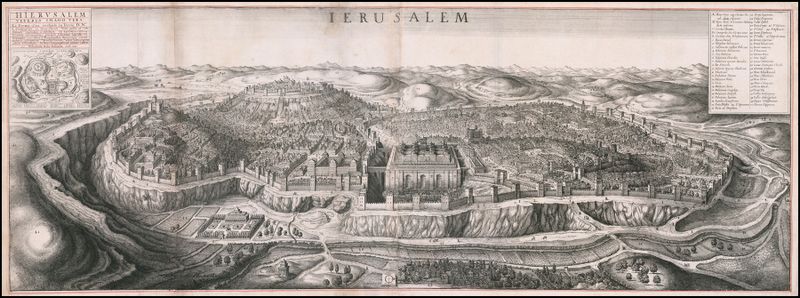
Bird’s eye view of Jerusalem
Wenceslaus Hollar
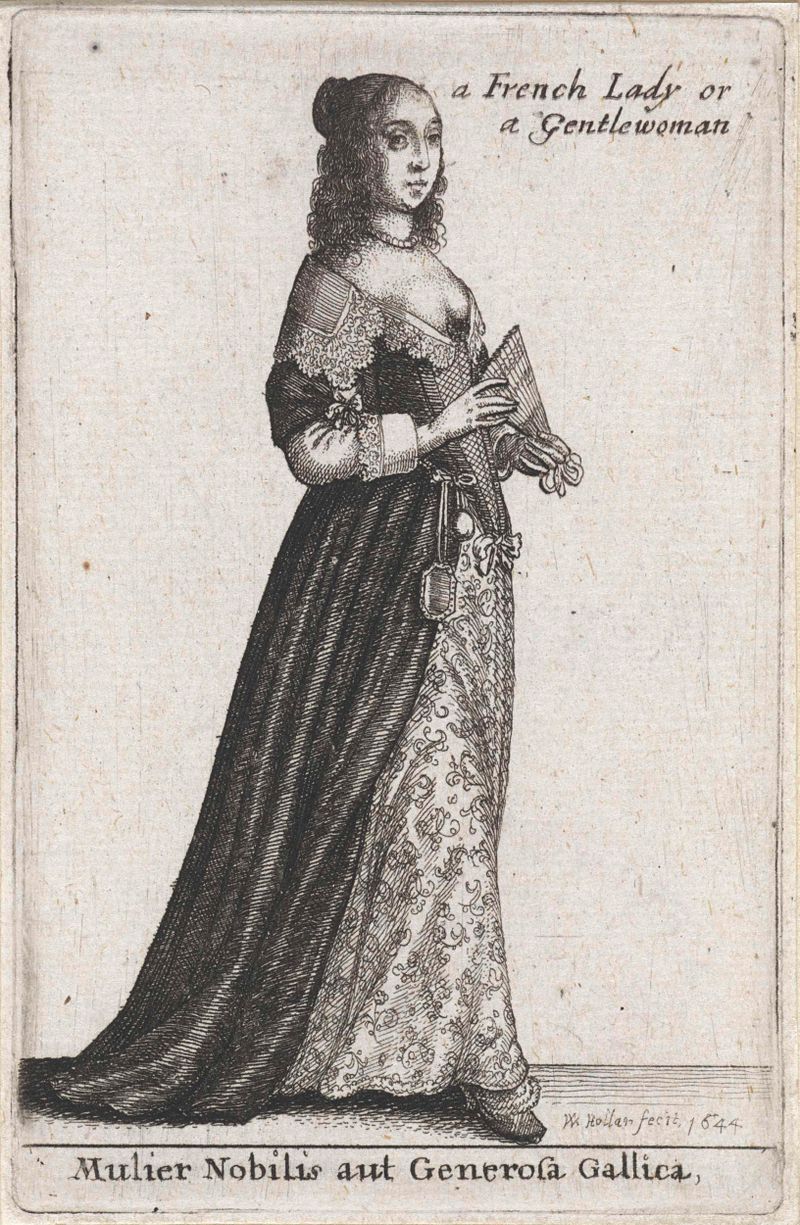
Mulier Nobilis aut Generosa Gallica / a French Lady or Gentlewoman
Wenceslaus Hollar
Titelprent voor: Ornatus Muliebris Anglicanus
Wenceslaus Hollar
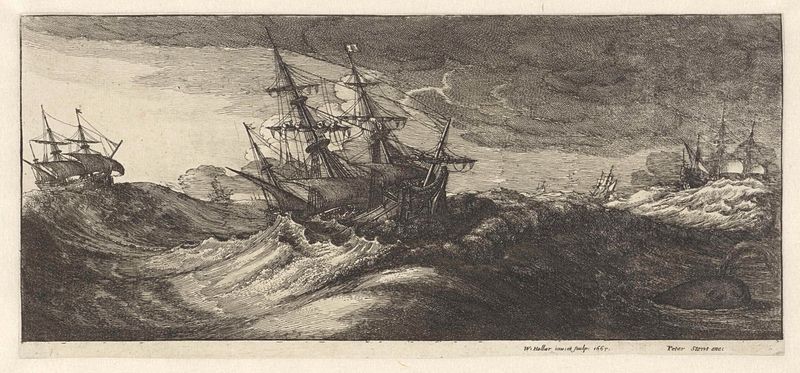
Oorlogsschepen en een walvis in een zeestorm
Wenceslaus Hollar
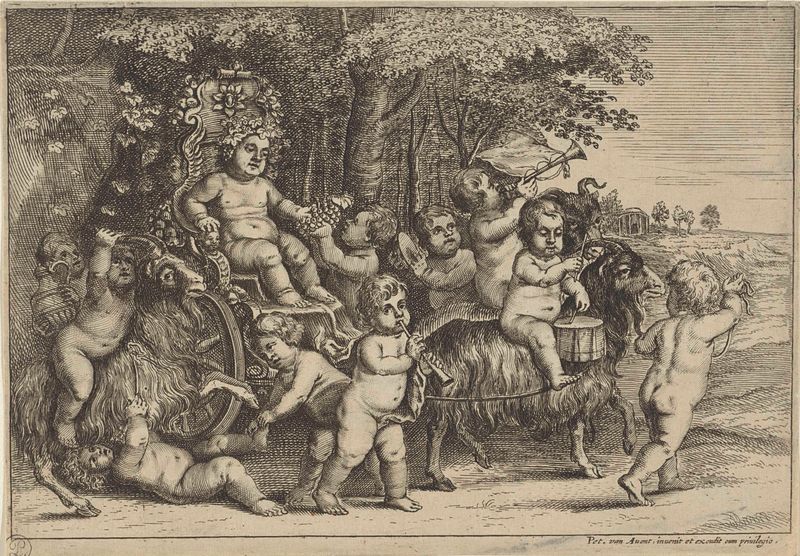
Optocht van bacchant en jongetjes op geiten
Wenceslaus Hollar
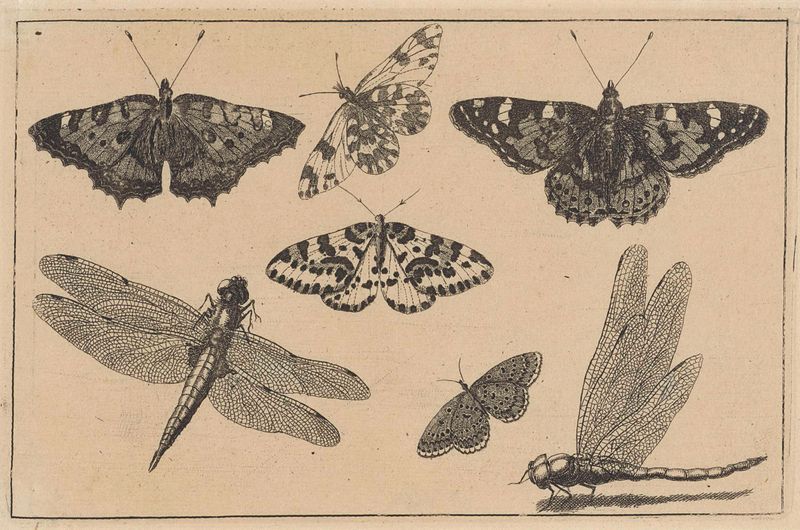
Twee libellen en vijf vlinders
Wenceslaus Hollar
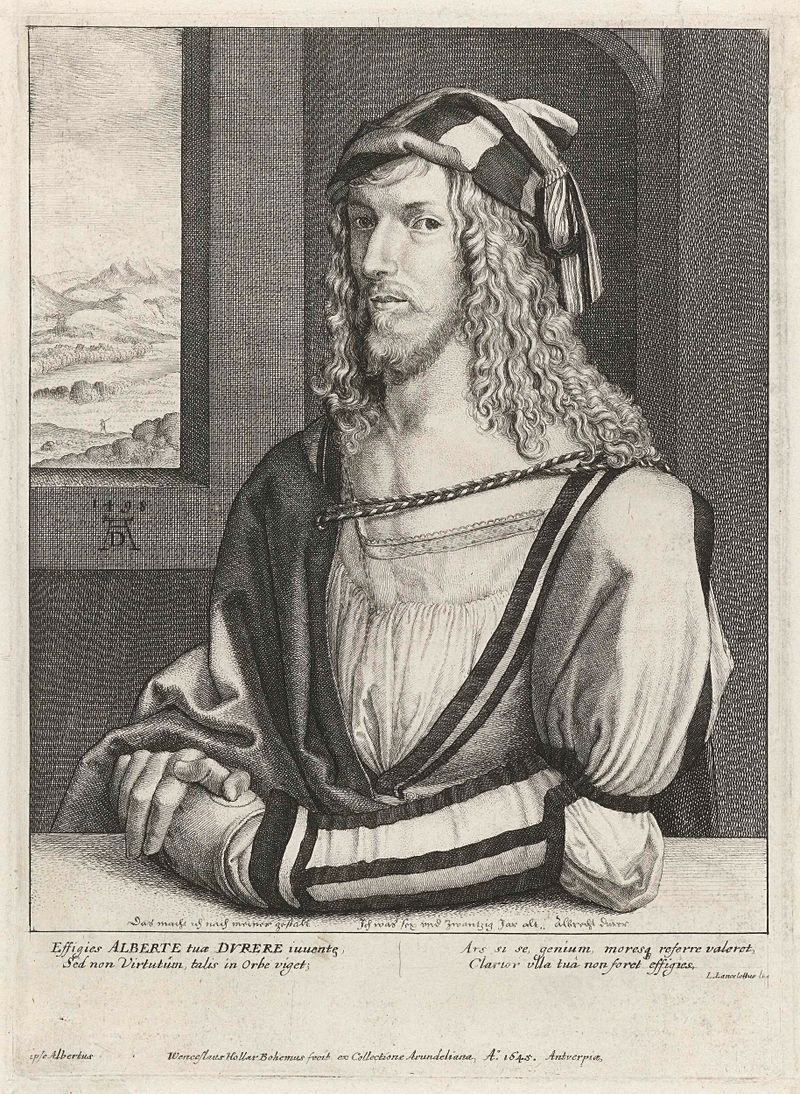
Portret van Albrecht Dürer
Wenceslaus Hollar
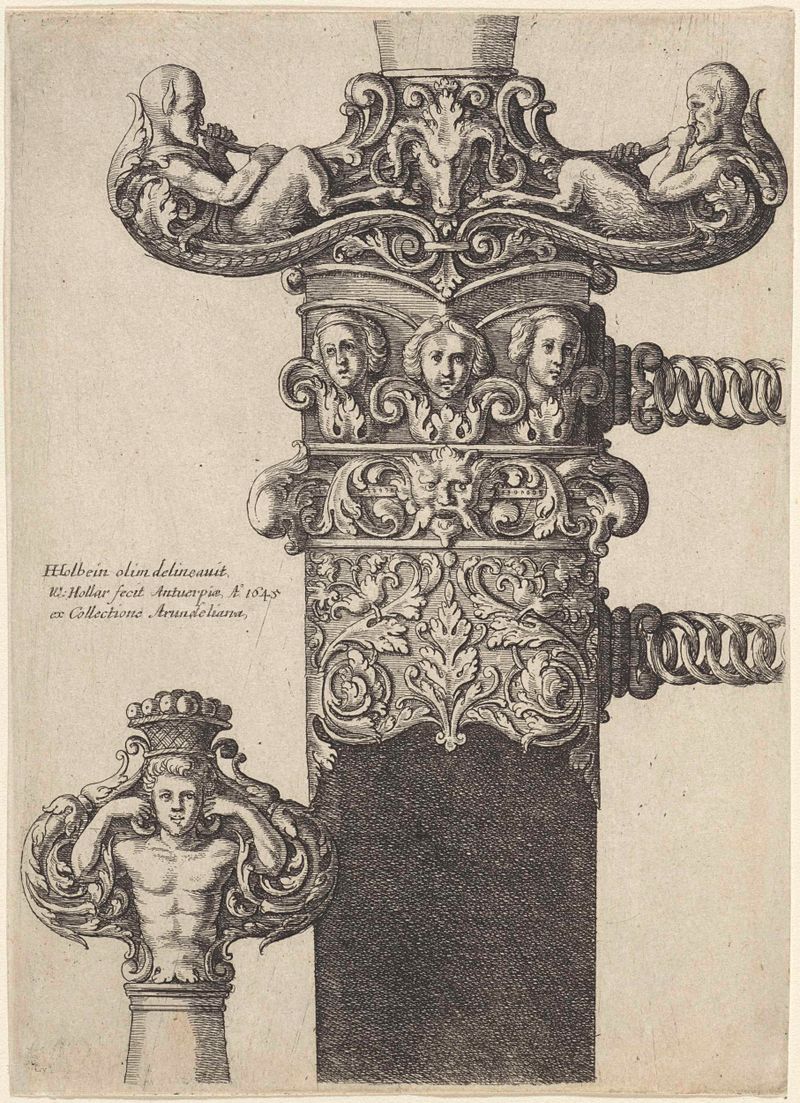
Ornamenteel ontwerp voor een dolk
Wenceslaus Hollar
Gezicht op Praag vanaf de Moldau
Wenceslaus Hollar