
Doedelzakspeler — History & Facts
In the haunting embrace of stillness, where emptiness echoes louder than sound, one may find the heart of human experience laid bare. What does it mean to be truly present, yet surrounded by silence? Look to the left at the solitary figure of the piper, his doedelzak cradled in his arms like a secret. The earthy palette of browns and soft greens establishes a gentle contrast against the muted, desolate landscape.
Shadows stretch languidly, inviting the viewer’s gaze to linger on the contours of the musician’s somber expression, revealing a depth of emotion that goes beyond mere notes. Notice the intricate details of his attire, the delicate folds in the fabric that hint at a life lived within both the joys and sorrows of music. Yet, it is the emptiness surrounding the piper that truly captivates. The vastness of the open space evokes a profound sense of isolation, suggesting a longing for connection amidst solitude.
Each note played seems to ripple through the silence, highlighting the tension between the beauty of sound and the weight of absence. The juxtaposition of the vibrant act of playing against the starkness of the setting raises questions about the role of art in bridging emotional divides. During the years spanning 1630 to 1683, the artist painted Doedelzakspeler amidst an evolving landscape of Dutch Golden Age art. Berchem was known for his charming pastoral scenes that often celebrated the beauty of nature and rural life.
This period saw a flourishing of artistic expression, yet it also confronted the realities of human existence in a world marked by tumult. Engulfed by these contrasts, Berchem’s work encapsulates a fleeting moment where music intertwines with the soul’s longing for connection, making the experience profoundly timeless.
More Artworks by Nicolaes Pietersz Berchem
Browse all →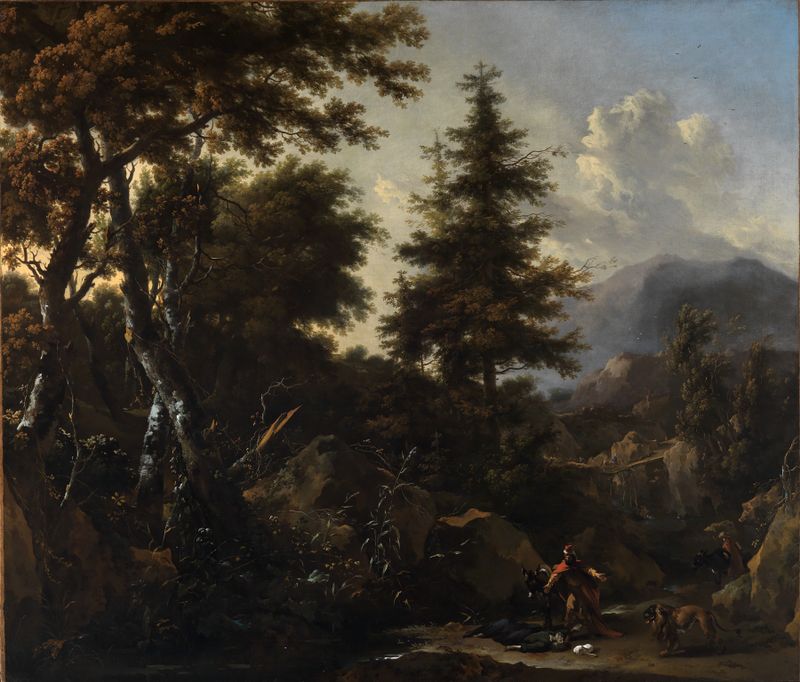
Schlucht im Bergwald mit alttestamentlicher Staffage
Nicolaes Pietersz Berchem
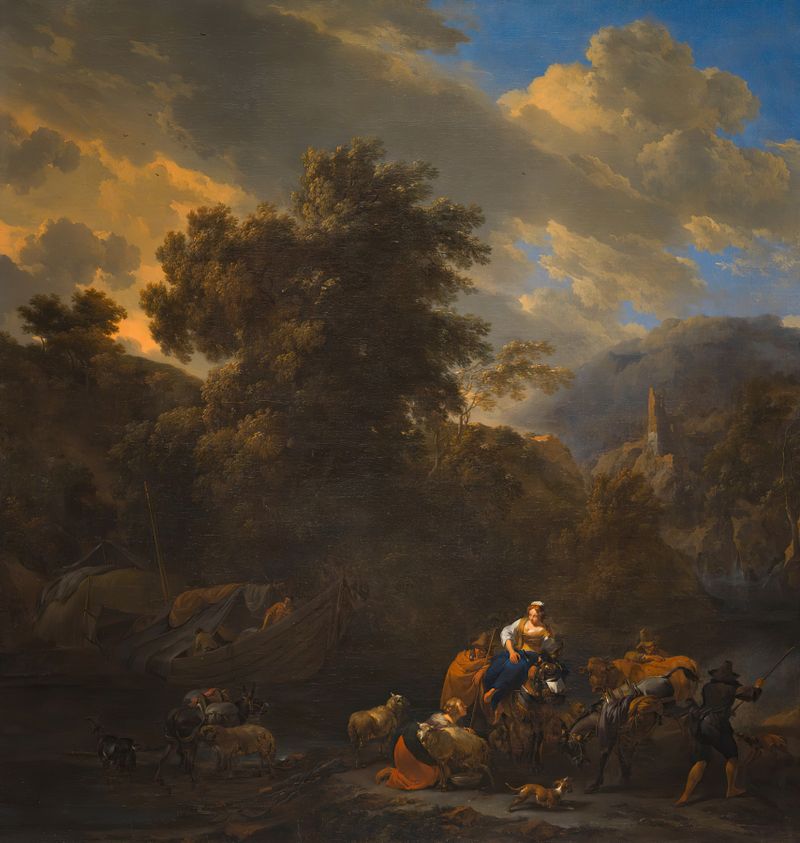
Italianate Landscape with Figures and Pack Animals on the Banks of a River
Nicolaes Pietersz Berchem
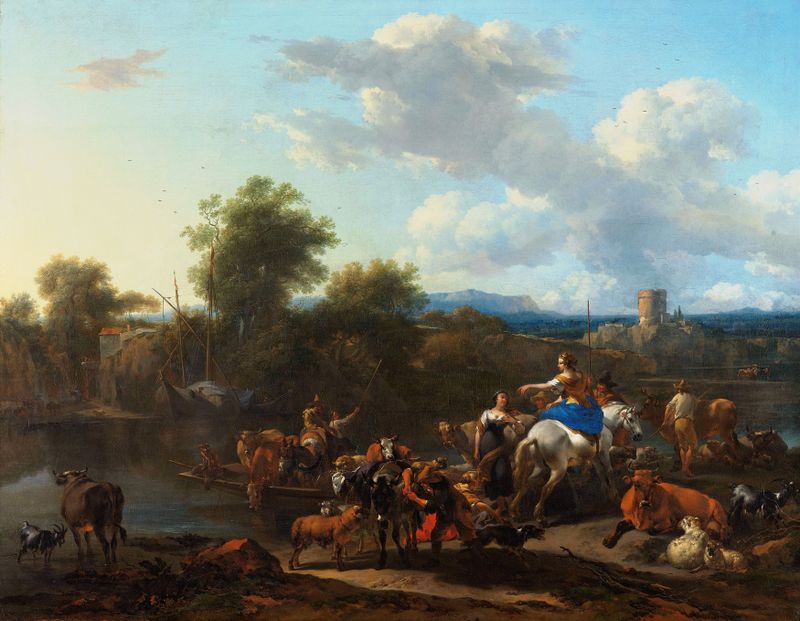
The Cattle Ferry
Nicolaes Pietersz Berchem
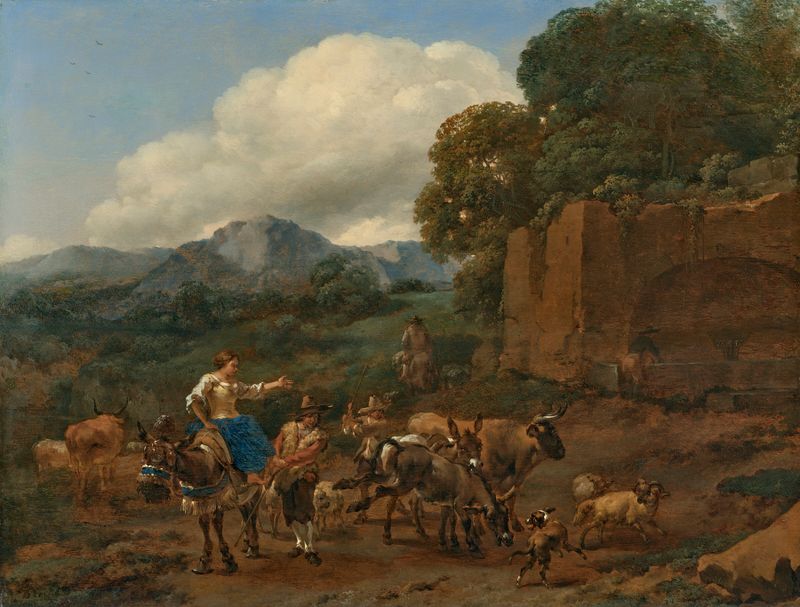
An Italianate landscape with a shepherdess on a mule and a shepherd, herding cattle, sheep, donkeys and dogs on a mountain track next to ruins
Nicolaes Pietersz Berchem
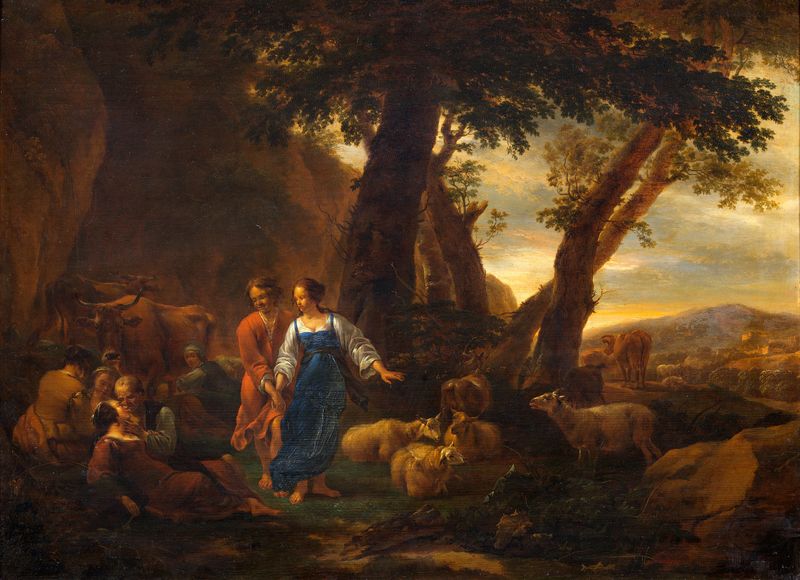
Landscape with Peasants and Cattle
Nicolaes Pietersz Berchem
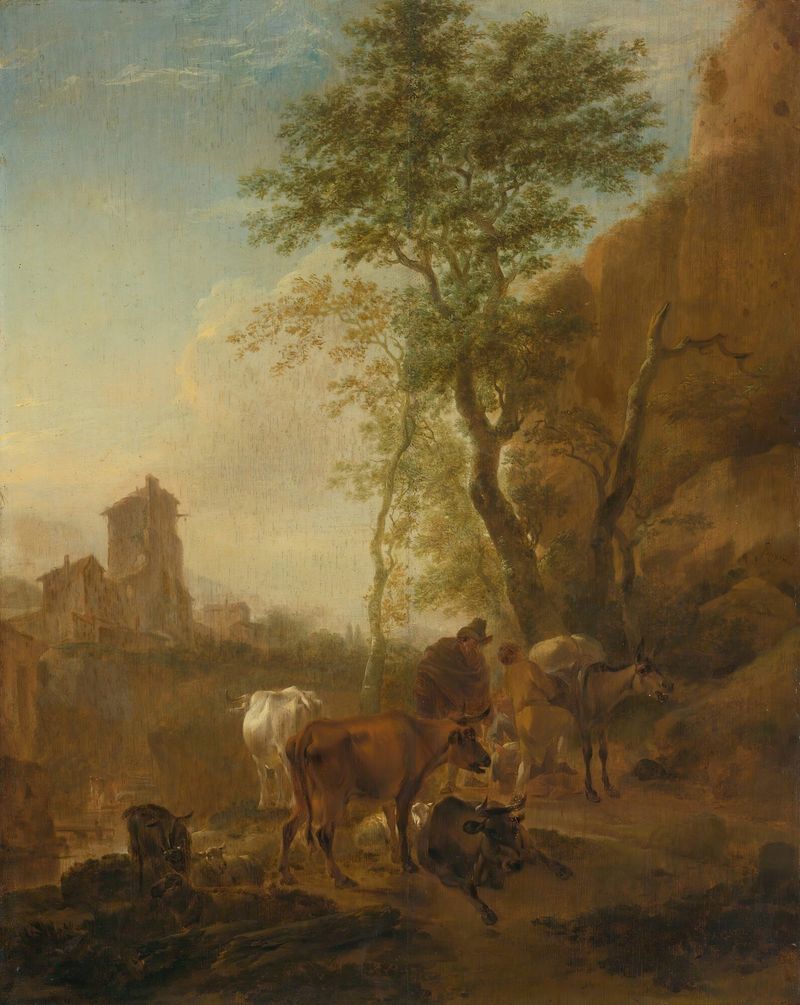
Italianate Landscape With Cows
Nicolaes Pietersz Berchem
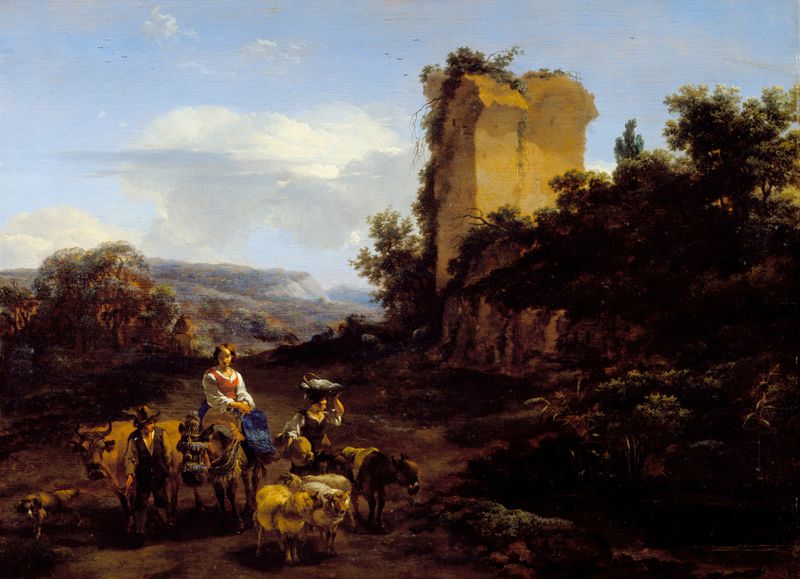
Landscape with Ruins and Travelers
Nicolaes Pietersz Berchem
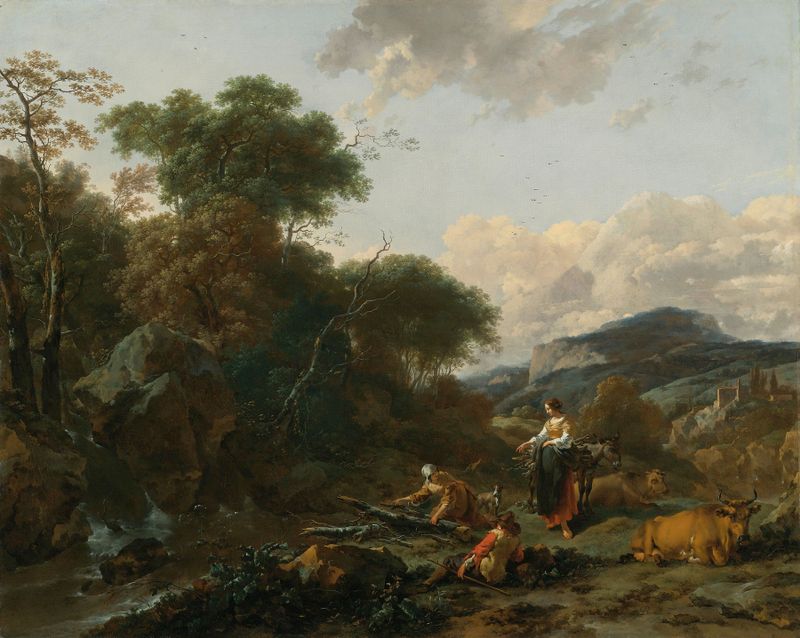
A Landscape With Figures
Nicolaes Pietersz Berchem
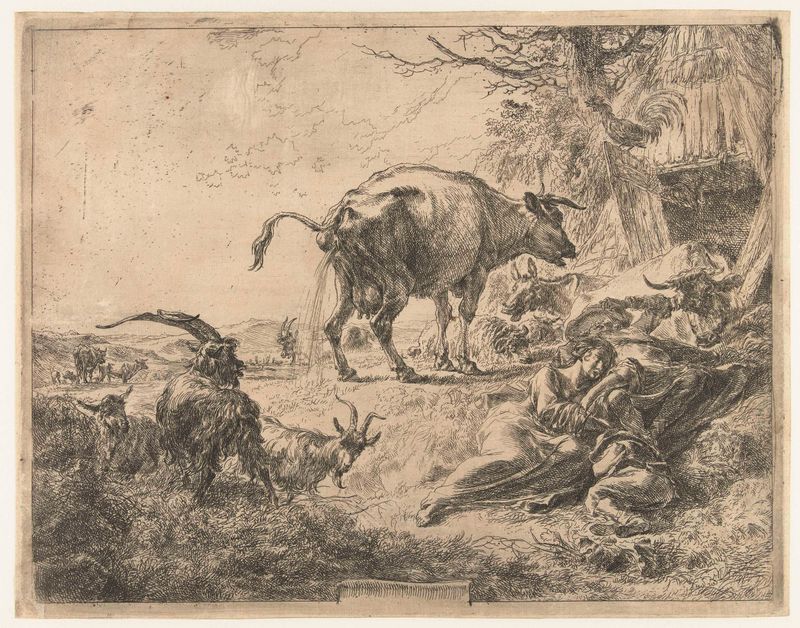
Slapende herdersfamilie en rustend vee
Nicolaes Pietersz Berchem
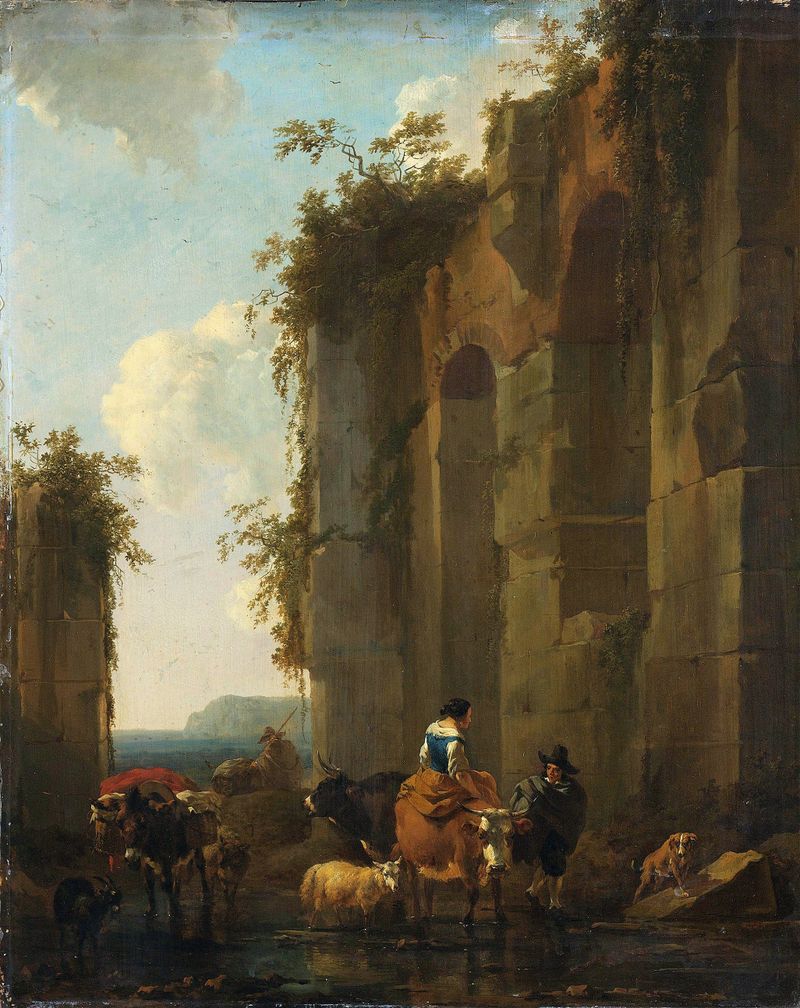
Ruins in Italy
Nicolaes Pietersz Berchem





